
Ads
The 2026 Home Decor Trends are defined by a strong emphasis on sustainability, smart technology integration, and personalized comfort, moving away from overtly opulent or overly sterile aesthetics.
As we step into 2026, the world of home decor continues its dynamic evolution, reflecting broader societal shifts towards conscious living and personal well-being. Understanding Home Finds Trends: What’s Hot and What’s Not in 2026 Decor is crucial for anyone looking to refresh their space, whether for aesthetic pleasure or to enhance functionality. This guide will navigate the emergent styles, dominant color palettes, and innovative technologies shaping our domestic environments, ensuring your home remains both stylish and relevant.
The Rise of Sustainable and Ethical Decor
The conversation around sustainability has moved beyond a mere buzzword; it’s now a fundamental pillar of home design. Consumers in 2026 are increasingly discerning, seeking out products that not only look good but also tell a story of ethical production and environmental responsibility. This shift is driving innovation in materials, manufacturing processes, and even the lifespan of home goods.
We are witnessing a profound commitment to circular economy principles, where products are designed for longevity, repairability, and eventual recycling. This means a departure from fast furniture and disposable decor, favoring investments in timeless pieces that can evolve with changing tastes rather than being replaced entirely.
Prioritizing Eco-Conscious Materials
The choice of materials is paramount in sustainable decor. Designers and homeowners alike are gravitating towards natural, renewable, and recycled options. This includes everything from furniture construction to textiles and decorative accents.

- Reclaimed and Upcycled Wood: Furniture made from salvaged timber or repurposed industrial materials offers unique character and reduces demand for new logging.
- Organic Textiles: Materials like organic cotton, linen, hemp, and even innovative fabrics made from bamboo or mushroom fibers are gaining traction for their minimal environmental impact and luxurious feel.
- Recycled Glass and Plastics: Transformed into beautiful vases, lighting fixtures, and even countertops, these materials demonstrate how waste can be reimagined into high-design pieces.
- Low-VOC Paints: Health and environmental consciousness extend to finishes, with low volatile organic compound (VOC) paints becoming the standard for healthier indoor air quality.
The emphasis here is on transparency and traceability. Consumers want to know where their products come from, how they were made, and what their end-of-life options are. Brands that provide this information are building stronger trust and loyalty.
Ultimately, sustainable and ethical decor in 2026 is about making informed choices that benefit both the planet and personal well-being. It’s a holistic approach that considers the entire lifecycle of a product, from its origins to its eventual disposal or repurposing, ensuring our homes reflect our values.
Smart Home Integration: Seamless Living
The smart home ecosystem has matured significantly by 2026, moving beyond novelty gadgets to offer genuinely seamless and intuitive living experiences. Integration is key, with devices communicating effortlessly to create environments that adapt to our needs and preferences without constant manual intervention.
The focus is on enhancing comfort, security, and energy efficiency through interconnected systems. Voice control remains prevalent, but predictive AI and automated routines are taking center stage, anticipating our desires and adjusting settings proactively.
Beyond Basic Automation
While smart lighting and thermostats are now standard, 2026 sees an expansion into more sophisticated functionalities. Smart appliances are more common, offering personalized cooking experiences and proactive maintenance alerts. Security systems are more intelligent, using advanced AI for threat detection and facial recognition.
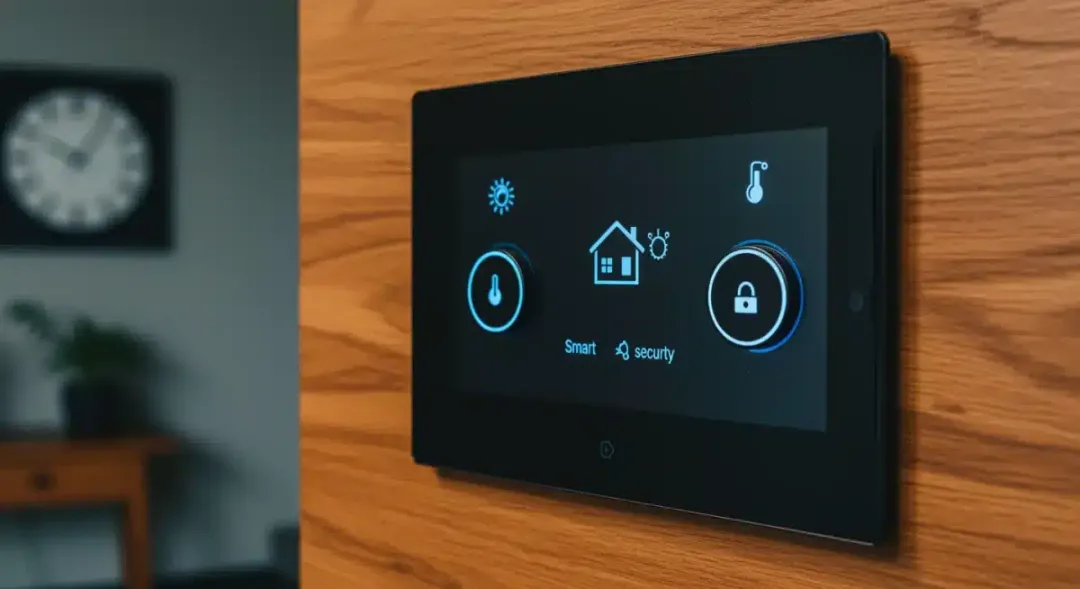
However, the true innovation lies in the platform-agnostic approach. Consumers are no longer tied to a single brand’s ecosystem; instead, universal protocols and open APIs allow for greater interoperability, enabling a truly customized smart home that mixes and matches the best devices from various manufacturers.
- Personalized Climate Control: Zones within the home can be individually controlled, learning occupants’ preferences and adjusting temperatures based on presence detection and even predicted weather patterns.
- Adaptive Lighting: Lighting systems now mimic natural daylight cycles, adjusting brightness and color temperature throughout the day to support circadian rhythms and enhance well-being.
- Integrated Health Monitoring: Smart mirrors and sensors discreetly monitor vital signs and provide health insights, seamlessly integrating into daily routines without feeling intrusive.
- Predictive Maintenance: Appliances and home systems can alert homeowners to potential issues before they become major problems, scheduling maintenance proactively.
The goal of smart home integration in 2026 is to create a home that truly understands and supports its inhabitants, simplifying daily tasks and enhancing overall quality of life. It’s about technology working silently in the background, making life easier and more enjoyable without being overtly visible or complicated.
Biophilic Design: Bringing Nature Indoors
Biophilic design, the concept of connecting building occupants more closely to nature, is experiencing a significant resurgence and refinement in 2026. This isn’t just about adding a few potted plants; it’s about fundamentally integrating natural elements and patterns into the built environment to improve health, well-being, and productivity.
The pandemic highlighted the profound importance of our immediate surroundings, and biophilic principles offer a powerful way to create calming, restorative, and inspiring spaces. Homes are becoming sanctuaries, and nature is a key component of that transformation.
Elements of Biophilic Spaces
By 2026, biophilic design is being implemented in sophisticated and subtle ways, going beyond the obvious to create deep, sensory connections with nature. This involves careful consideration of light, air, water, and natural forms.
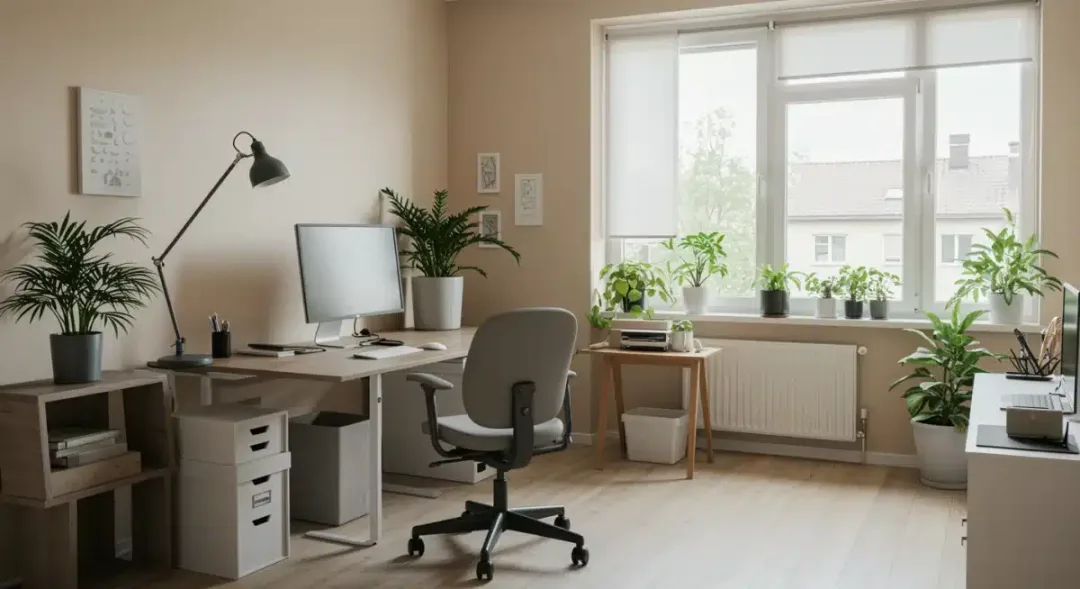
- Abundant Natural Light: Maximizing natural light and views of the outdoors is paramount. This includes strategic window placement, skylights, and even light shelves that bounce natural light deeper into interior spaces.
- Indoor Greenery: Living walls, large statement plants, and carefully curated plant arrangements are integral, not just as decor but as air purifiers and mood enhancers. Automated watering systems make maintenance effortless.
- Natural Materials and Textures: Wood, stone, cork, and natural fibers are used extensively, bringing the tactile and visual richness of the natural world indoors.
- Water Features: Small indoor fountains or even subtle water wall installations provide soothing sounds and visual interest, mimicking natural water elements.
- Patterns and Forms: Incorporating fractal patterns, organic shapes, and textures found in nature into design elements, textiles, and art contributes to a subconscious connection with the natural world.
The integration of biophilic elements helps reduce stress, improve cognitive function, and enhance overall emotional well-being. It’s about creating an atmosphere where occupants feel more connected to the earth, even within an urban setting. This trend underscores a broader desire for authenticity and balance in our increasingly digital lives.
Color Palettes and Textures: Earthy and Evocative
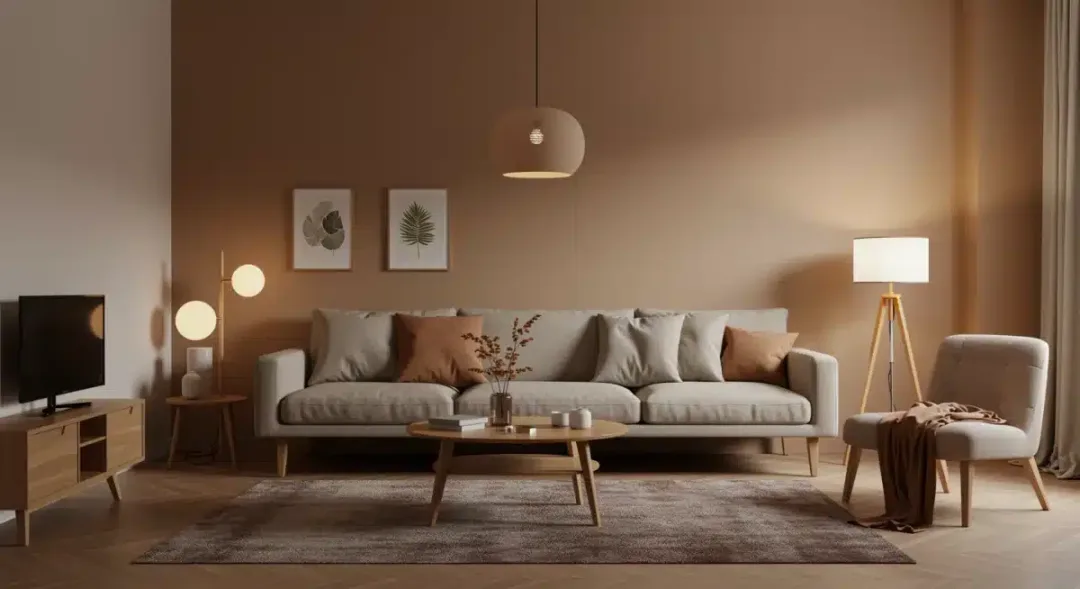
The color palettes of 2026 reflect a desire for groundedness, serenity, and authenticity. Gone are the stark, cold grays and overly saturated brights that once dominated. Instead, we see a sophisticated embrace of earthy tones, muted pastels, and rich, jewel-like accents that evoke a sense of calm and understated luxury.
Textures play an equally vital role, adding depth and sensory experience to these refined palettes. The interplay of smooth, rough, soft, and hard surfaces creates dynamic and inviting interiors that engage more than just the visual sense.
Key Color and Texture Trends
The dominant colors are inspired by nature, offering a soothing backdrop for daily life. These are complemented by textures that invite touch and add character.
- Warm Neutrals: Shades of sand, taupe, terracotta, and soft beige replace cooler grays, creating inviting and comforting spaces.
- Deep Greens and Blues: Forest green, olive, and various shades of deep blue-gray are prevalent, connecting interiors to nature and providing a sense of tranquility.
- Muted Pastels: Soft lavenders, dusty roses, and pale sky blues are used as subtle accents, adding a touch of gentle color without overwhelming the space.
- Rich Jewel Tones (Accents): Deep emerald, sapphire, and ruby tones are used sparingly in accessories or statement pieces, providing luxurious pops of color.
- Textural Richness: Bouclé fabrics, ribbed textures, raw wood grains, brushed metals, and ceramics with irregular finishes add tactile interest and depth.
The combination of these palettes and textures creates spaces that feel both sophisticated and approachable. It’s about building an environment that is visually harmonious and tactilely engaging, fostering a sense of peace and comfort. This trend emphasizes quality over quantity, with each chosen element contributing meaningfully to the room’s overall ambiance.
Personalized Sanctuaries: Crafting Unique Spaces
In an increasingly standardized world, the trend towards creating personalized sanctuaries has gained significant momentum by 2026. Homeowners are moving away from showroom aesthetics, instead focusing on curating spaces that genuinely reflect their individuality, passions, and life experiences. This is about authenticity and storytelling through design.
The home is no longer just a place to live; it’s a reflection of personal identity, a space that nurtures well-being and supports individual lifestyles. This trend encourages a mix-and-match approach, blending different styles, eras, and cultural influences to create something truly unique.
Embracing Eclecticism and Storytelling
The personalized sanctuary trend champions thoughtful curation over adherence to a single design style. It’s about integrating items with meaning and history, creating a narrative within the home.
- Curated Collections: Displaying cherished objects, art, and books collected over time, rather than mass-produced decor, adds character and personal history.
- Vintage and Heirloom Pieces: Incorporating antique furniture, vintage textiles, or family heirlooms creates a sense of continuity and adds depth that new items cannot replicate.
- Art and Craftsmanship: Investing in unique artworks, handmade ceramics, and artisanal pieces supports local creators and brings a bespoke quality to the home.
- Flexible and Multi-functional Spaces: Designing rooms that can adapt to various activities – a living room that transforms into a yoga studio, a dining area that doubles as a workspace – caters to diverse needs.
The goal is to create a home that feels lived-in, comfortable, and deeply personal. It’s about celebrating imperfections, embracing the quirks that make a space unique, and allowing the home to evolve organically with its inhabitants. This approach fosters a stronger emotional connection to one’s environment, promoting a sense of belonging and peace.
What’s Fading Out in 2026 Decor
While new trends emerge, others inevitably recede. Understanding what’s on its way out helps homeowners make informed decisions, avoiding decor choices that might quickly feel dated or out of sync with contemporary sensibilities. The shift is largely away from anything overly artificial, mass-produced without thought, or impractical.
The overarching theme of fading trends is a departure from superficiality and a move towards more meaningful, functional, and authentic design. It’s about rejecting the transient nature of fast trends for lasting value.
Declining Decor Elements
Several elements that were once popular are now losing their appeal as tastes evolve and priorities shift towards sustainability and well-being. This includes materials, aesthetics, and design philosophies.
- Overly Industrial Aesthetic: While industrial touches can still be stylish, the raw, unfinished, and cold industrial look as a dominant theme is less favored.
- Fast Furniture and Disposable Decor: The era of buying cheap, mass-produced items meant for short-term use is rapidly declining as consumers prioritize quality and sustainability.
- Excessive Open-Concept Living: While still popular, the completely open-plan layout is being re-evaluated. There’s a growing desire for defined zones and private spaces within the home for focused work or quiet relaxation.
- Cool, Stark Grays: The once-dominant cool gray palette is being replaced by warmer neutrals and earthy tones, as people seek more inviting and comforting environments.
- Overly Themed Rooms: Decorating a room strictly around a single, overt theme (e.g., farmhouse chic, all-bohemian) is giving way to more eclectic, personalized, and nuanced designs.
- Faux Materials: Cheap imitations of natural materials (e.g., plastic marble, synthetic wood veneers that look fake) are being shunned in favor of authentic, tactile surfaces.
The fading trends reflect a collective desire for greater substance, comfort, and environmental consciousness in our homes. It’s a move away from purely aesthetic choices towards those that also consider impact, longevity, and genuine well-being, paving the way for more thoughtful and personally resonant interiors.
| Trend Highlight | Brief Description |
|---|---|
| Sustainable Materials | Focus on reclaimed wood, organic textiles, and recycled elements. |
| Seamless Smart Home | Integrated AI for personalized comfort, security, and efficiency. |
| Biophilic Design | Deep integration of natural light, plants, and organic forms for well-being. |
| Earthy Palettes | Warm neutrals, deep greens/blues, and rich textures dominate decor. |
Frequently Asked Questions About 2026 Home Decor Trends
What are the core principles of sustainable decor in 2026?▼The core principles revolve around ethical sourcing, circular economy practices, and longevity. This means prioritizing reclaimed, recycled, and organic materials, supporting fair labor, and choosing durable items designed for repair rather than replacement, reducing environmental impact significantly.
How is smart home technology evolving for 2026?▼Smart home tech in 2026 focuses on seamless, intuitive integration and predictive AI. Beyond basic automation, systems now learn preferences to proactively adjust lighting, climate, and security. Interoperability across brands is key, creating truly personalized and efficient living environments without noticeable effort.
Why is biophilic design so important in modern homes?▼Biophilic design is crucial because it connects occupants with nature, enhancing health and well-being. By integrating natural light, plants, and organic materials, homes become calming sanctuaries that reduce stress, improve focus, and foster a deeper emotional connection to our living spaces, promoting overall mental health.
What colors and textures are popular for home decor in 2026?▼Earthy and evocative palettes dominate, featuring warm neutrals like sand and terracotta, deep greens and blues, and muted pastels. Textures such as bouclé, raw wood, and irregular ceramics add depth. This combination creates sophisticated yet inviting spaces that feel grounded, serene, and tactilely rich.
What decor trends are becoming less popular by 2026?▼Trends fading include overly industrial aesthetics, disposable fast furniture, stark cool gray palettes, and overly themed rooms. There’s a shift away from superficiality and mass-produced items towards more authentic, sustainable, and personalized designs that offer lasting value and comfort over fleeting fads.
Conclusion
The landscape of home decor in 2026 is characterized by a profound shift towards mindful consumption, technological harmony, and a deep appreciation for the natural world. From the ethical sourcing of materials to the seamless integration of smart home features, and the calming influence of biophilic design, our homes are evolving into personalized sanctuaries that prioritize well-being and sustainability. As we move forward, the emphasis remains on creating spaces that are not only beautiful but also functional, meaningful, and reflective of our individual values, confirming that thoughtful design will always remain timeless.