
Ads
The landscape of anti-aging skincare is ever-evolving, with 2026 bringing forward innovative ingredients and product formulations designed to maintain youthful skin and combat visible signs of aging effectively.
Are you looking to unlock the secrets to a more youthful complexion? The world of anti-aging skincare 2026 is buzzing with breakthroughs, offering an array of ingredients and products designed to keep your skin looking its best. This guide will navigate you through the most effective solutions to achieve and maintain radiant, age-defying skin.
Understanding the Science of Skin Aging
Skin aging is a complex biological process influenced by both intrinsic and extrinsic factors. Intrinsic aging, also known as chronological aging, is an inevitable process determined by our genetics. Extrinsic aging, however, is largely influenced by environmental factors such as sun exposure, pollution, lifestyle choices, and diet. Understanding these mechanisms is the first step in effectively combating the visible signs of aging and choosing the right anti-aging skincare products.
As we age, our skin undergoes several structural and functional changes. The production of collagen and elastin, the proteins responsible for skin’s firmness and elasticity, decreases. This leads to the formation of fine lines, wrinkles, and a loss of skin plumpness. Cell turnover also slows down, resulting in a duller complexion and less efficient repair processes. Oxidative stress, caused by free radicals from environmental aggressors, further damages skin cells and accelerates aging.
The role of collagen and elastin
Collagen and elastin are the foundational building blocks of youthful skin. Collagen provides structural support, making skin firm and resilient, while elastin gives it the ability to stretch and snap back into place. Over time, the body’s natural production of these vital proteins diminishes, leading to sagging skin and the deepening of wrinkles. Many advanced anti-aging treatments focus on stimulating their synthesis.
- Collagen degradation: UV radiation and pollution accelerate the breakdown of existing collagen.
- Elastin reduction: Decreased elastin leads to reduced skin elasticity and bounce.
- Genetic predisposition: Our genes play a significant role in how quickly these proteins decline.
Oxidative stress and free radical damage
Free radicals are unstable molecules that can damage skin cells, proteins, and DNA, contributing significantly to premature aging. They are generated by various sources, including UV radiation, pollution, cigarette smoke, and even normal metabolic processes. Antioxidants in skincare products help neutralize these free radicals, protecting the skin from their harmful effects. This protective action is crucial for maintaining a youthful appearance and preventing long-term damage.

In essence, a comprehensive anti-aging strategy involves not only addressing the visible signs but also targeting the underlying causes of skin aging. By supporting collagen and elastin production and combating oxidative stress, we can significantly slow down the aging process and maintain healthier, more vibrant skin.
Revolutionary Anti-Aging Ingredients for 2026
The year 2026 brings an exciting array of innovative ingredients to the forefront of anti-aging skincare. These formulations are designed to work synergistically, offering multifaceted benefits that target various aspects of skin aging. From advanced forms of retinoids to novel peptides and potent antioxidants, the focus is on maximizing efficacy while minimizing irritation.
Consumers are increasingly seeking products backed by scientific research, and formulators are responding with ingredients that deliver measurable results. The emphasis is on bio-available compounds that can penetrate the skin effectively and activate cellular repair and rejuvenation processes. This evolution in ingredient science promises more powerful and personalized anti-aging solutions.
Next-generation retinoids: beyond retinol
Retinoids remain the gold standard in anti-aging, but 2026 sees the rise of next-generation derivatives that offer enhanced benefits with reduced side effects. These include retinaldehyde and retinyl retinoate, which are more potent than traditional retinol but are also better tolerated by sensitive skin. They accelerate cell turnover, stimulate collagen production, and improve skin texture and tone.
- Retinaldehyde: A direct precursor to retinoic acid, offering faster results than retinol.
- Retinyl Retinoate: A hybrid molecule combining retinol and retinoic acid, known for its stability and effectiveness.
- Bakuchiol: A plant-derived alternative offering retinoid-like benefits without the irritation, ideal for sensitive skin.
Peptides: the building blocks of youth
Peptides are short chains of amino acids that act as signaling molecules in the skin, prompting it to produce more collagen, elastin, and hyaluronic acid. In 2026, research is focusing on more targeted peptide complexes, such as copper peptides and signal peptides, which address specific concerns like wrinkle reduction, firmness, and wound healing. These intelligent ingredients work on a cellular level to rebuild and repair the skin’s structure.
Antioxidants continue to be crucial in the fight against aging. While vitamin C and E are well-established, newer antioxidants like idebenone, astaxanthin, and ferulic acid are gaining prominence for their superior ability to neutralize free radicals and protect against environmental damage. These potent compounds help preserve skin integrity and prevent premature aging, making them indispensable in any effective anti-aging regimen.
Top Anti-Aging Products to Watch in 2026
The market for anti-aging skincare is constantly evolving, with new and improved products launching regularly. In 2026, we are seeing a shift towards more sophisticated formulations that combine multiple active ingredients to deliver comprehensive benefits. These products often target various signs of aging simultaneously, offering a more streamlined and effective routine for consumers. The focus is on innovative delivery systems that ensure maximum absorption and potency of key ingredients.
Consumers are also becoming more discerning, seeking products that are not only effective but also ethically produced and free from harmful chemicals. Brands that prioritize transparency, sustainability, and clinical testing are gaining significant traction. This section highlights some of the most promising anti-aging products that are set to dominate the market in 2026, categorized by their primary function and key ingredients.
Advanced serums and treatments
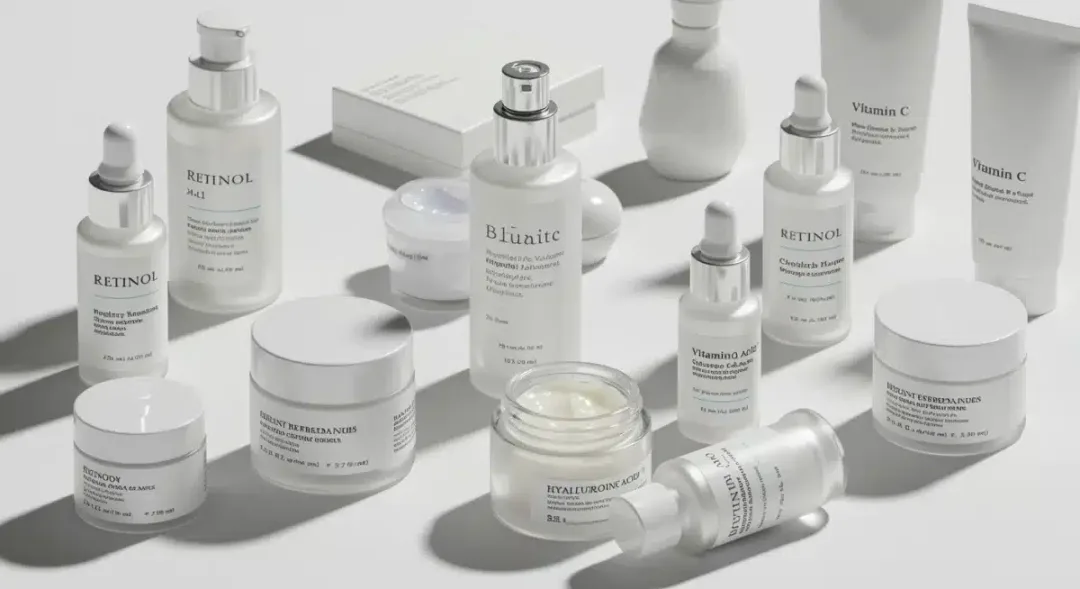
Serums are highly concentrated formulations designed to deliver potent active ingredients deep into the skin. In 2026, look for serums featuring a blend of next-gen retinoids, growth factors, and advanced peptide complexes. These products are engineered to stimulate collagen production, improve cell turnover, and reduce the appearance of fine lines and wrinkles with remarkable efficiency. Many also incorporate novel delivery systems, like encapsulated ingredients, to enhance stability and penetration.
- Growth factor serums: Promote cellular regeneration and repair, improving skin texture and elasticity.
- Peptide-rich treatments: Target specific wrinkles and firmness concerns by signaling skin cells.
- Encapsulated retinoids: Offer sustained release and reduced irritation, making powerful retinoids more accessible.
Hydrating and barrier-repair creams
Maintaining a healthy skin barrier is fundamental to preventing premature aging. In 2026, anti-aging creams are focusing on robust hydration and barrier repair, often incorporating ceramides, hyaluronic acid, and squalane. These ingredients work to lock in moisture, strengthen the skin’s protective barrier, and reduce transepidermal water loss, resulting in plumper, more resilient skin. Look for formulations that provide long-lasting hydration without feeling heavy or greasy, suitable for various skin types, including sensitive skin.
Additionally, the market is seeing a rise in specialized eye and neck creams. These products are formulated with delicate ingredients to address the unique needs of these thinner, more fragile skin areas. Ingredients like caffeine for puffiness, light-reflecting particles for dark circles, and firming peptides are common, providing targeted care for these often-overlooked zones. The integration of advanced anti-aging compounds into these specific treatments ensures comprehensive care.
Integrating Anti-Aging Skincare into Your Daily Routine
A successful anti-aging regimen isn’t just about using the right products; it’s about consistency and proper application. Integrating these powerful ingredients into your daily routine requires a thoughtful approach to ensure maximum benefits and minimize potential irritation. A well-structured routine protects your skin during the day and repairs it overnight, setting the stage for long-term youthful skin.
Starting with a gentle cleanser, followed by targeted treatments, and finishing with a moisturizer and SPF, forms the backbone of an effective routine. Understanding the order of application is crucial, as some ingredients can enhance or diminish the efficacy of others. For instance, applying antioxidants before sunscreen can boost UV protection, while retinoids are best reserved for nighttime use.
Morning routine essentials
Your morning routine should focus on protection and hydration. After cleansing, apply an antioxidant serum, such as one containing vitamin C or ferulic acid, to combat environmental damage. Follow with a hydrating serum, like hyaluronic acid, to plump the skin. Finish with a broad-spectrum sunscreen with at least SPF 30, which is arguably the most critical anti-aging product. This protective layer shields your skin from harmful UV rays, preventing collagen breakdown and hyperpigmentation.
- Cleanse: Use a gentle, hydrating cleanser to remove impurities without stripping the skin.
- Antioxidant serum: Apply a vitamin C or E serum to protect against free radicals.
- Hydrate: Follow with a hyaluronic acid serum to boost moisture levels.
- Moisturize: Use a lightweight moisturizer appropriate for your skin type.
- Sunscreen: A broad-spectrum SPF 30+ is non-negotiable for daily protection.
Evening routine for repair and rejuvenation
The evening is your skin’s time to repair and regenerate. After cleansing, apply your chosen retinoid product, starting with a lower concentration if you’re new to it, and gradually increasing as your skin adapts. Follow with a rich, nourishing moisturizer to support the skin barrier and counteract any potential dryness from the retinoid. Incorporating a peptide serum in the evening can further boost collagen production and skin firmness, working synergistically with your retinoid.
Consistency is key to seeing results. It can take several weeks or even months to notice significant improvements, so patience and diligence are paramount. Always listen to your skin and adjust your routine as needed, especially when introducing new active ingredients. Patch testing new products can help prevent adverse reactions and ensure compatibility with your skin.
The Role of Lifestyle in Anti-Aging Skincare
While topical products play a crucial role, their effectiveness is significantly amplified when supported by a healthy lifestyle. Your diet, sleep patterns, stress levels, and overall well-being profoundly impact your skin’s health and its ability to resist aging. Skincare is not just about what you put on your face; it’s a holistic approach that encompasses how you live.
A balanced lifestyle contributes to cellular regeneration, reduces inflammation, and protects against oxidative stress, all of which are vital for maintaining a youthful complexion. Neglecting these aspects can undermine even the most advanced anti-aging skincare regimen, making it harder to achieve desired results. This section explores how various lifestyle factors intersect with your skincare journey.
Nutrition for youthful skin
What you eat directly impacts your skin’s appearance. A diet rich in antioxidants, vitamins, and healthy fats can help protect your skin from within. Incorporate plenty of fruits, vegetables, whole grains, and lean proteins. Omega-3 fatty acids, found in fish and flaxseed, are particularly beneficial for maintaining skin elasticity and hydration. Limiting processed foods, sugar, and excessive alcohol can also reduce inflammation and prevent premature aging.
- Antioxidant-rich foods: Berries, leafy greens, and nuts combat free radical damage.
- Healthy fats: Avocados, olive oil, and fatty fish support skin barrier function.
- Hydration: Drinking plenty of water keeps skin plump and supple.
Sleep, stress, and their impact
Adequate sleep is essential for skin repair and regeneration. During sleep, your skin undergoes a crucial renewal process, producing new collagen and repairing damage from the day. Chronic sleep deprivation can lead to dullness, under-eye circles, and accelerated wrinkle formation. Similarly, chronic stress elevates cortisol levels, which can break down collagen and elastin, leading to premature aging. Practicing stress-reduction techniques like meditation or yoga can significantly benefit your skin’s health.
Regular exercise also boosts circulation, delivering oxygen and nutrients to skin cells and promoting a healthy glow. However, it’s important to cleanse your face after sweating to prevent clogged pores. By adopting a holistic approach that combines effective anti-aging skincare with a healthy lifestyle, you can empower your skin to look and feel its best, fostering resilience and a vibrant appearance for years to come.
Future Trends in Anti-Aging Skincare 2026 and Beyond
The anti-aging skincare landscape is continuously evolving, driven by scientific advancements and changing consumer demands. As we look towards 2026 and beyond, several exciting trends are emerging that promise even more personalized, effective, and sustainable solutions. These innovations are set to redefine how we approach skin aging, moving towards preventative and highly targeted interventions.
One significant trend is the rise of personalized skincare, leveraging AI and genetic testing to create custom formulations tailored to an individual’s unique skin concerns and genetic predispositions. This bespoke approach ensures that every product is optimized for maximum efficacy, reducing trial and error and delivering superior results. The future of skincare is undeniably intelligent and highly individualized.
Personalized skincare and AI integration
The integration of artificial intelligence (AI) and machine learning into skincare is revolutionizing product development and recommendations. AI-powered diagnostic tools can analyze skin conditions with unprecedented accuracy, providing insights into specific concerns like inflammation, hydration levels, and fine lines. This data can then be used to formulate personalized products, from custom serums to bespoke moisturizers, ensuring that each ingredient is precisely chosen for the individual’s needs. This level of customization was once a distant dream but is rapidly becoming a reality.
- Genetic testing: Offers insights into genetic predispositions for certain skin conditions and aging patterns.
- AI-powered diagnostics: Analyzes skin data to recommend tailored product ingredients and routines.
- Custom formulations: Products created on demand with ingredients specifically chosen for the individual.
Sustainable and clean beauty focus
The demand for sustainable and clean beauty products continues to grow, with consumers increasingly prioritizing ethical sourcing, eco-friendly packaging, and non-toxic formulations. In 2026, anti-aging brands are expected to double down on these commitments, offering products that are not only effective but also kind to the planet and safe for long-term use. This includes biodegradable ingredients, refillable packaging, and transparent supply chains.
Furthermore, the exploration of novel bio-engineered ingredients, derived from plant stem cells or fermentation processes, will likely expand. These ingredients offer highly concentrated benefits with minimal environmental impact. The future of anti-aging skincare is not just about looking younger; it’s about promoting overall skin health and well-being in an environmentally conscious manner, reflecting a broader societal shift towards holistic and responsible consumption.
Common Misconceptions and How to Avoid Them
The world of anti-aging skincare is often clouded by myths and misconceptions, making it challenging for consumers to make informed decisions. Many fall prey to marketing hype or rely on anecdotal evidence rather than scientific facts. Dispelling these myths is crucial for developing an effective and sustainable anti-aging routine that truly delivers results without wasting time or money on ineffective solutions.
Understanding what to look for and what to avoid in anti-aging products can save you from disappointment and potential skin irritation. Being critical of claims and seeking out dermatologist-recommended advice can help navigate the complex landscape of skincare. This section aims to clarify some common misunderstandings and provide practical advice for a more educated approach to anti-aging.
“More expensive means better”
One of the most persistent myths is that higher-priced skincare products automatically equate to superior results. While some premium products do contain advanced ingredients and formulations, many affordable options are equally effective. The key is to focus on the active ingredients and their concentrations, rather than just the brand name or price tag. Researching ingredient lists and reading reviews from reputable sources can help you find high-quality products that fit your budget.
- Ingredient focus: Prioritize products with proven active ingredients like retinoids, vitamin C, and peptides, regardless of price.
- Clinical evidence: Look for products backed by scientific studies and dermatologist recommendations.
- Value over cost: An effective routine doesn’t have to break the bank; smart choices are more important.
Instant results are a reality
Many anti-aging products promise instant miracles, but the reality is that significant skin changes take time and consistency. Cellular turnover and collagen production are gradual processes. Expecting overnight transformations can lead to frustration and product hopping. A realistic timeline for seeing visible improvements usually ranges from several weeks to a few months, depending on the product and individual skin concerns. Patience and consistent application are far more effective than chasing immediate, often unrealistic, results.
Another common misconception is that you need a vast array of products to achieve anti-aging benefits. While a multi-step routine can be effective, a simplified approach focusing on a few key, high-quality products can be just as beneficial. Overloading your skin with too many active ingredients can sometimes lead to irritation or diminished results. Simplicity, when done right, can be highly effective, emphasizing the importance of choosing potent, well-formulated staples over an excessive number of steps.
| Key Aspect | Description |
|---|---|
| Key Ingredients | Next-gen retinoids, advanced peptides, and potent antioxidants are leading the charge in 2026 formulations. |
| Product Focus | Serums with growth factors, barrier-repair creams, and specialized eye/neck treatments are highly effective. |
| Routine Importance | Consistency in morning (protection) and evening (repair) routines is crucial for optimal anti-aging results. |
| Future Trends | Personalized skincare via AI, sustainable practices, and bio-engineered ingredients will shape future innovations. |
Frequently asked questions about anti-aging skincare
What are the most crucial anti-aging ingredients for 2026?▼For 2026, the most crucial anti-aging ingredients include next-generation retinoids (like retinaldehyde), advanced peptides, and potent antioxidants such as astaxanthin and ferulic acid. These work synergistically to stimulate collagen, repair damage, and protect against environmental stressors for youthful skin.
How can I integrate anti-aging products into my daily routine?▼In the morning, focus on protection: cleanse, apply an antioxidant serum, moisturize, and finish with broad-spectrum SPF. In the evening, concentrate on repair: cleanse, apply a retinoid product, and follow with a nourishing moisturizer. Consistency is key for optimal results over time.
Are expensive anti-aging products always better than affordable ones?▼Not necessarily. The effectiveness of an anti-aging product depends more on its active ingredients and formulation than its price. Many affordable products contain highly effective ingredients. Prioritize research into ingredient lists and look for scientifically backed formulations rather than just brand prestige.
What role does lifestyle play in anti-aging skincare?▼Lifestyle plays a significant role. A balanced diet rich in antioxidants, sufficient sleep, stress management, and regular exercise all contribute to skin health and enhance the efficacy of topical anti-aging products. These factors support cellular repair and reduce inflammation, promoting a more youthful appearance.
What are the future trends for anti-aging skincare?▼Future trends include personalized skincare driven by AI and genetic testing, offering custom formulations. There’s also a growing focus on sustainable and clean beauty, with eco-friendly packaging and bio-engineered ingredients. These innovations aim for more effective, tailored, and environmentally conscious solutions.
Conclusion
The journey to youthful skin in 2026 is more exciting and accessible than ever before, thanks to continuous advancements in anti-aging skincare 2026. By understanding the science of skin aging, embracing revolutionary ingredients like next-generation retinoids and advanced peptides, and integrating these into a consistent daily routine, you can significantly impact your skin’s health and appearance. Remember that effective anti-aging is a holistic endeavor, combining cutting-edge products with a healthy lifestyle. Dispelling common myths and focusing on scientifically proven solutions will empower you to make informed choices, ensuring your skin remains radiant and resilient for years to come. The future of skincare promises even more personalized and sustainable approaches, making it an exciting time to invest in your skin’s well-being.