
Ads
Finding the best hair products for every hair type in 2026 is crucial for optimal hair health and style, requiring an understanding of specific needs and ingredient benefits for personalized care.
Navigating the vast world of hair care can feel overwhelming, especially when seeking the best hair products for every hair type: find your perfect match in 2026. With an ever-evolving market, understanding what truly works for your unique hair can transform your routine and unlock its full potential.
Understanding your hair type: the first step to success
Before diving into the myriad of products available, it’s essential to first understand your hair type. This foundational knowledge will guide your choices and prevent you from wasting money on items that aren’t suited for your specific needs. Hair type isn’t just about whether it’s straight or curly; it encompasses texture, porosity, and oil production.
Identifying your hair type involves a few simple observations. Is your hair fine, medium, or thick? Does it tend to get oily quickly, or is it perpetually dry? How does it react to humidity? These questions are crucial in determining the best path forward for your hair care regimen.
The four main hair types
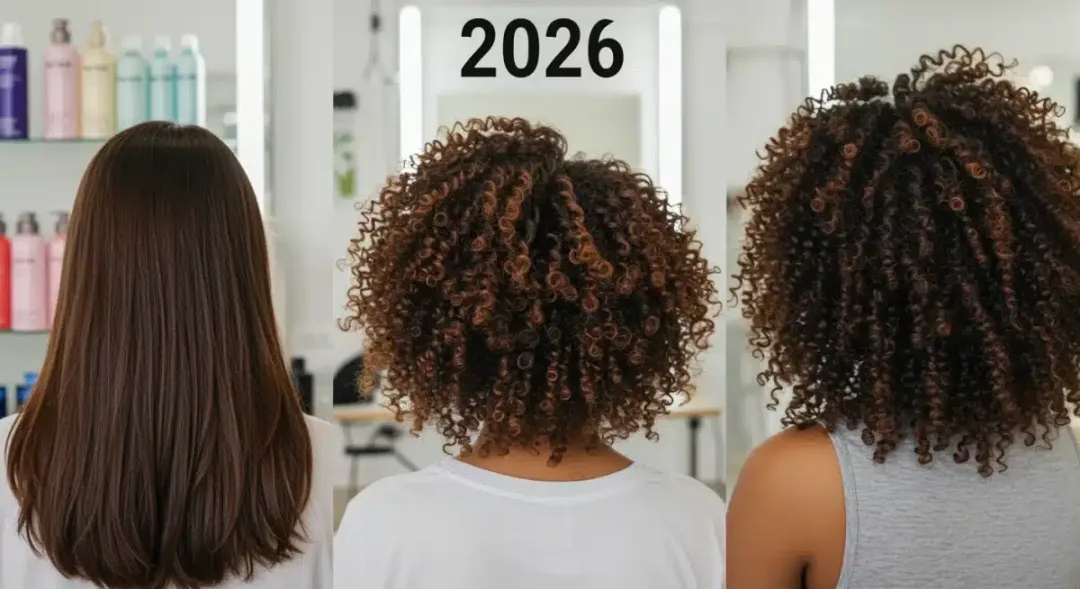
Generally, hair is categorized into four main types, each with its subcategories. Knowing where your hair falls simplifies product selection significantly.
- Type 1: Straight Hair: This hair type tends to be shiny due to the sebum easily traveling down the hair shaft. It can range from fine and thin to thick and coarse.
- Type 2: Wavy Hair: Characterized by an ‘S’ shape, wavy hair can be fine, medium, or coarse. It often struggles with frizz and can be easily weighed down by heavy products.
- Type 3: Curly Hair: Defined by distinct curl patterns, ranging from loose loops to tight spirals. This type is prone to dryness and requires significant moisture.
- Type 4: Coily Hair: Tightly coiled hair that is often very fragile and prone to shrinkage. It needs extreme moisture and gentle handling to prevent breakage.
Ultimately, understanding your hair’s unique characteristics is the cornerstone of effective hair care. Without this insight, even the most acclaimed products might fall short of expectations. Taking the time to assess your hair properly will pay dividends in its health and appearance.
Straight hair solutions: enhancing shine and volume
Straight hair, while often perceived as low-maintenance, has its own set of challenges, primarily a tendency to become oily and lack volume. The goal for straight hair care in 2026 is to find products that cleanse effectively without stripping, and add body without weighing it down. Lightweight formulas are paramount.
Many individuals with straight hair also experience issues with flatness, especially at the roots. Targeted products can make a significant difference, offering a noticeable lift and bounce. It’s about creating an illusion of density and movement.
Key product recommendations for straight hair
For straight hair, focus on products that offer purification and lift. Ingredients like salicylic acid or charcoal can help manage oil production, while volumizing polymers create body.
- Volumizing Shampoos and Conditioners: Look for formulas that are sulfate-free and contain ingredients like rice protein or collagen to add thickness and lift.
- Dry Shampoo: Essential for extending time between washes and absorbing excess oil at the roots, providing instant volume.
- Lightweight Serums and Heat Protectants: These protect against styling damage without leaving a greasy residue, ensuring hair remains sleek and shiny.
When selecting products for straight hair, always prioritize ‘lightweight’ and ‘volumizing’ descriptors. Heavy creams or oils can quickly diminish natural movement and lead to a greasy appearance. A consistent routine with the right products will keep straight hair looking fresh, voluminous, and effortlessly chic.
Wavy hair wonders: defining waves and fighting frizz
Wavy hair often sits in a beautiful middle ground between straight and curly, but it comes with its own unique demands, particularly when it comes to defining waves and combating frizz. The trick is to enhance the natural ‘S’ pattern without making the hair stiff or crunchy. Moisture balance is key to achieving soft, defined waves.
Humidity is a major antagonist for wavy hair, often turning defined waves into a frizzy halo. Anti-frizz formulations are therefore non-negotiable in a wavy hair care routine. The right products can act as a shield, preserving your style throughout the day.
Essential products for wavy hair
To celebrate and control wavy hair, focus on products that hydrate, define, and protect. Avoid heavy butters and opt for lighter curl creams or mousses.
- Sulfate-Free Shampoos and Conditioners: These help retain natural moisture, which is vital for frizz control and wave definition.
- Wave-Defining Creams or Gels: Apply to damp hair to encourage wave formation and provide light hold without stiffness.
- Anti-Frizz Serums: A must-have for humid conditions, these create a barrier against moisture, keeping frizz at bay.
The journey to perfect waves involves experimentation, but starting with products designed for wave enhancement and frizz control will yield the best results. A delicate balance of moisture and hold will ensure your waves are always soft, bouncy, and beautifully defined.

Curly hair essentials: hydration and curl definition
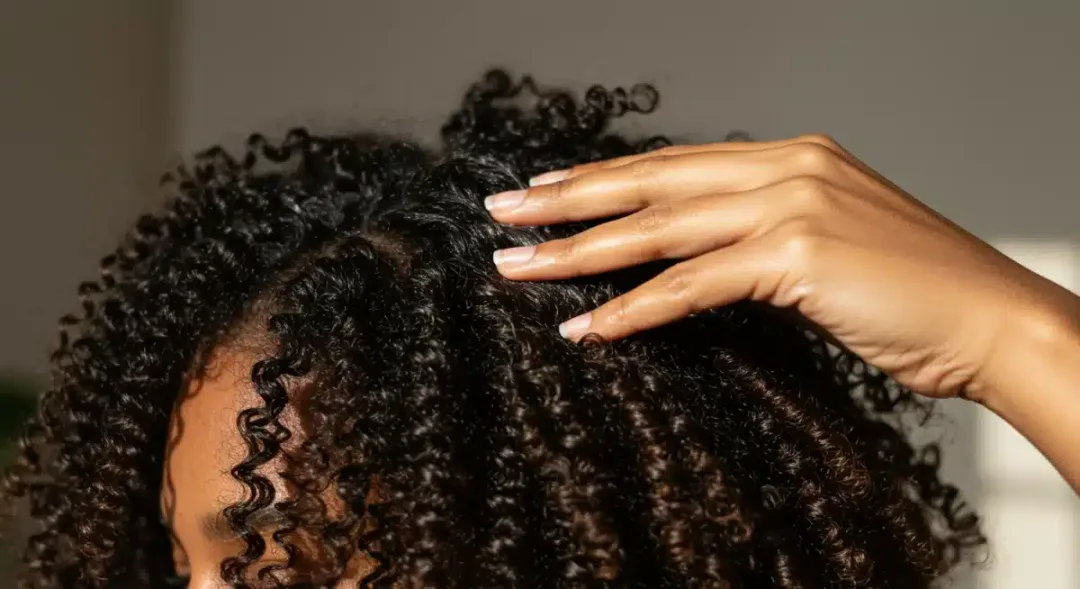
Curly hair is celebrated for its unique beauty, but it also demands a high level of care, primarily focusing on intense hydration and curl definition. The natural structure of curly hair makes it prone to dryness, as natural oils struggle to travel down the coiled strands. This dryness often leads to frizz and breakage, making moisture retention a top priority.
Achieving well-defined, bouncy curls without sacrificing softness is the ultimate goal for many with curly hair. This requires a strategic approach to product layering and a deep understanding of ingredients that nourish and protect. The right combination can transform frizzy, unruly curls into a cascade of vibrant, healthy spirals.
Must-have products for curly hair
When curating a routine for curly hair, prioritize products rich in emollients and humectants. These ingredients draw moisture into the hair and seal it in, promoting elasticity and definition.
- Moisturizing Shampoos and Conditioners: Look for formulas free of sulfates and silicones, packed with ingredients like shea butter, coconut oil, or argan oil.
- Leave-in Conditioners: Crucial for providing continuous hydration and detangling, preparing curls for styling.
- Curl Creams and Gels: These products are essential for defining curl patterns, reducing frizz, and providing long-lasting hold without crunchiness.
- Deep Conditioning Treatments: Weekly or bi-weekly treatments are vital for replenishing moisture and strengthening fragile curly strands.
The key to thriving curly hair lies in consistent hydration and a gentle approach. Avoid harsh brushing and excessive heat styling. By embracing products specifically formulated for curly hair and adopting a moisture-rich routine, you can unlock the full potential of your natural curls, enjoying defined, soft, and healthy hair.
Coily hair care: maximizing moisture and strength
Coily hair, often referred to as Type 4, is characterized by its tightly packed, zigzag, or S-shaped curls that are incredibly beautiful but also the most fragile and prone to dryness. Due to its unique structure, coily hair struggles to retain moisture, making deep hydration and strengthening treatments absolutely critical. This hair type experiences significant shrinkage, and its delicate nature means it requires extra care to prevent breakage.
For those with coily hair, the journey to healthy, vibrant strands is a testament to dedication and the right product arsenal. The focus should always be on nourishing the hair from root to tip, fostering elasticity, and protecting against environmental stressors. A robust regimen can help minimize shrinkage and maximize length retention.
Top products for coily hair
Selecting products for coily hair should revolve around maximizing moisture, providing slip for detangling, and strengthening the hair shaft. Look for rich, creamy textures and natural oils.
- Ultra-Moisturizing Shampoos and Conditioners: Opt for sulfate-free, creamy formulas with ingredients like castor oil, jojoba oil, or avocado oil, which provide intense hydration.
- Deep Conditioners and Hair Masks: These are non-negotiable for weekly use, delivering concentrated moisture and nutrients to thirsty strands.
- Leave-in Conditioners and Curl Butters: Essential for daily moisture, these help to soften, define, and protect coils, reducing frizz and improving manageability.
- Styling Gels and Custards: Provide hold and definition to enhance curl patterns and combat shrinkage, often infused with humectants for added hydration.
Caring for coily hair is a labor of love that yields incredible results. A consistent routine centered around moisture, gentle handling, and protective styling will help maintain its health and vibrancy. Embracing products specifically designed to cater to its unique needs will allow coily hair to flourish, showcasing its strength and beauty.
Addressing specific hair concerns: oiliness, dryness, and damage
Beyond hair type, many individuals face specific hair concerns that require targeted solutions. Whether it’s an overly oily scalp, perpetually dry strands, or damage from heat and chemical treatments, addressing these issues is crucial for overall hair health. The market in 2026 offers a specialized range of products designed to tackle these common problems head-on, ensuring everyone can achieve their hair goals.
Ignoring these concerns can exacerbate existing problems, leading to further damage, discomfort, or an unsatisfactory appearance. A holistic approach that integrates specialized treatments with your regular hair care routine is often the most effective way to restore balance and vitality to your hair.
Solutions for common hair concerns
Tailoring your product selection to address specific issues can significantly improve your hair’s condition. Understanding the active ingredients and their benefits is key.
For oily scalp and hair
Oily hair often results from an overproduction of sebum. Products designed to regulate oil production without over-drying the scalp are ideal.
- Clarifying Shampoos: Use once a week to remove buildup and excess oil. Look for ingredients like tea tree oil or salicylic acid.
- Lightweight Conditioners: Apply only to the ends to avoid weighing down the roots and contributing to oiliness.
- Scalp Treatments: Serums or masks containing witch hazel or bentonite clay can help balance scalp oil.
For dry and brittle hair
Dry hair lacks moisture and elasticity, making it prone to breakage. Hydration is the ultimate remedy.
- Hydrating Shampoos and Conditioners: Infused with humectants like hyaluronic acid and emollients such as argan oil.
- Leave-in Treatments: Provide continuous moisture throughout the day.
- Hair Oils and Butters: Seal in moisture and add shine, especially to the ends.
For damaged hair (heat, chemical, environmental)
Damaged hair often has compromised protein structures, leading to split ends, dullness, and breakage. Repair is the focus.
- Bond-Repairing Treatments: Products with ingredients like keratin, ceramides, or patented bond-building technologies help reconstruct the hair shaft.
- Protein Treatments: Fortify weakened strands, but use sparingly to avoid protein overload.
- Heat Protectants: Essential before any heat styling to minimize further damage.
By identifying your specific hair concerns and incorporating targeted treatments, you can create a highly effective hair care regimen. This personalized approach not only addresses immediate issues but also promotes long-term hair health, leading to stronger, shinier, and more resilient strands.
Innovative ingredients and future trends in hair care for 2026
The hair care industry is constantly evolving, with 2026 ushering in even more innovative ingredients and groundbreaking trends. Consumers are increasingly seeking products that are not only effective but also sustainable, ethically sourced, and backed by scientific research. This shift is driving brands to explore new formulations and delivery methods, promising healthier hair and a healthier planet.
From biotechnology-derived components to ancient botanical extracts, the future of hair care is a fascinating blend of science and nature. These advancements aim to address hair concerns more effectively, offering personalized solutions that go beyond traditional approaches. Staying informed about these trends can help you make smarter choices for your hair in the coming years.
Emerging ingredients and technologies
Several ingredients and technological advancements are set to dominate the hair care landscape in 2026, offering enhanced benefits for various hair types and concerns.
- Peptides and Amino Acids: These building blocks of protein are increasingly used to strengthen hair, repair damage, and improve elasticity, mimicking the hair’s natural composition.
- Scalp Microbiome Balancing Ingredients: Probiotics and prebiotics are becoming popular in scalp care to promote a healthy microbial environment, which is crucial for hair growth and overall scalp health.
- Adaptogens: Botanical extracts like ashwagandha and reishi mushroom are being incorporated for their stress-reducing and hair-fortifying properties, addressing hair loss and thinning.
- Sustainable and Upcycled Ingredients: A growing focus on eco-conscious formulations means more products will feature ingredients derived from sustainable farming practices or upcycled from other industries.
Beyond ingredients, advancements in delivery systems, such as encapsulated actives and personalized hair care kits based on DNA analysis, will become more mainstream. These innovations promise a future where hair care is not just about washing and conditioning, but a precise, tailored regimen that adapts to individual needs and environmental factors. Embracing these trends means stepping into a new era of hair health and beauty.
Building your personalized hair care routine for optimal results
Creating a truly personalized hair care routine is the cornerstone of achieving and maintaining healthy, beautiful hair. It’s not a one-size-fits-all endeavor, but rather a dynamic process that evolves with your hair’s needs, environmental changes, and even your lifestyle. The goal is to build a regimen that addresses your specific hair type and concerns, using products that work synergistically to deliver optimal results.
Think of your hair care routine as an investment in your hair’s long-term health. A well-constructed routine can prevent common issues like breakage, dryness, and dullness, while enhancing your hair’s natural beauty. It requires a bit of experimentation and patience, but the rewards are well worth the effort.
Steps to building an effective routine
A personalized routine involves several key steps, from cleansing to styling, each playing a vital role in your hair’s overall health and appearance.
- Assess Your Hair: Begin by truly understanding your hair type (straight, wavy, curly, coily), texture (fine, medium, thick), porosity, and any specific concerns (oiliness, dryness, damage).
- Choose the Right Cleanser: Select a shampoo that addresses your scalp’s needs. For oily scalps, choose clarifying or balancing formulas. For dry scalps, opt for hydrating and gentle cleansers.
- Condition Thoughtfully: Your conditioner should complement your shampoo and provide the necessary moisture and detangling. Apply it primarily to the mid-lengths and ends.
- Incorporate Treatments: Depending on your concerns, integrate deep conditioners, hair masks, or scalp treatments weekly or bi-weekly. These provide concentrated benefits.
- Select Styling Products: Choose styling aids (leave-in conditioners, gels, mousses, serums) that enhance your hair type and style, offering hold, definition, or heat protection without causing buildup.
- Protect Your Hair: Always use a heat protectant before styling with hot tools. Consider satin pillowcases or bonnets to reduce friction and preserve your style overnight.
Remember that consistency is key. Stick to your routine for a few weeks to see noticeable results, and don’t be afraid to adjust products as your hair responds or as seasons change. By carefully selecting products and following a tailored routine, you can maximize your hair’s potential and enjoy beautiful, healthy strands every day.
| Hair Type | Recommended Product Focus |
|---|---|
| Straight Hair | Volumizing, lightweight, oil-absorbing formulas. |
| Wavy Hair | Wave-defining, frizz-fighting, moisturizing products. |
| Curly Hair | Intense hydration, curl definition, sulfate-free options. |
| Coily Hair | Maximum moisture, strengthening, gentle, rich formulas. |
Frequently asked questions about hair products
How often should I wash my hair?▼The ideal frequency for washing your hair depends on your hair type and lifestyle. Oily hair may benefit from daily washing, while dry or coily hair might only need washing once or twice a week to preserve natural oils and moisture. Experiment to find what works best for you.
Are sulfate-free shampoos really better?▼Sulfate-free shampoos are often recommended as they are gentler and less likely to strip natural oils from the hair and scalp. This can be particularly beneficial for dry, colored, or chemically treated hair, helping to maintain moisture and extend color vibrancy.
What is hair porosity and why does it matter?▼Hair porosity refers to your hair’s ability to absorb and retain moisture. Low porosity hair has tightly closed cuticles and struggles to absorb moisture, while high porosity hair has open cuticles and absorbs moisture easily but struggles to retain it. Knowing this helps choose appropriate products.
Can I use products from different brands together?▼Yes, mixing products from different brands is generally fine, as long as they cater to your hair type and concerns. Sometimes, a combination of products works best. However, if you notice any adverse reactions, it’s best to stick to a single line or consult a professional.
How can I protect my hair from heat damage?▼To protect your hair from heat damage, always use a heat protectant spray or serum before applying hot tools. These products create a barrier that minimizes the impact of high temperatures. Additionally, use the lowest effective heat setting and limit frequency of heat styling.
Conclusion
Ultimately, discovering the best hair products for every hair type: find your perfect match in 2026 is a journey of self-discovery and informed choices. By taking the time to understand your unique hair characteristics, addressing specific concerns, and embracing innovative product trends, you empower yourself to achieve truly exceptional hair health and style. The market is richer than ever with options designed to cater to every strand, promising a future where beautiful, well-cared-for hair is within everyone’s reach.