
Ads
Achieve a streamlined and serene living environment by following a structured, room-by-room approach to declutter your home in 30 days, transforming chaos into enduring order and peace.
Are you tired of tripping over forgotten items or searching endlessly for misplaced belongings? It’s time to reclaim your space and your peace of mind. This comprehensive guide will help you to declutter your home in 30 days, offering a practical, room-by-room strategy to transform your living environment into an organized, functional, and serene sanctuary.
The 30-Day Decluttering Blueprint: Setting the Stage
Embarking on a decluttering journey can feel overwhelming, but with a clear plan, it becomes manageable and even enjoyable. The key is to break down the monumental task into smaller, actionable steps, focusing on one area at a time. This 30-day blueprint provides a structured framework, ensuring you tackle every corner of your home without burnout.
Before diving into the specifics, it’s crucial to establish a mindset geared for success. Understand that decluttering isn’t just about throwing things away; it’s about making conscious decisions about what truly adds value to your life and space. It’s about creating systems that support your lifestyle, reducing stress, and fostering a sense of calm. This initial preparation sets the foundation for lasting change, moving beyond temporary fixes to sustainable organization.
Gathering your tools and supplies
Preparation is key to an efficient decluttering process. Having the right tools at hand will streamline your efforts and prevent unnecessary interruptions. Think of this as equipping yourself for a successful mission.
- Storage Bins and Boxes: Essential for sorting items into categories like ‘keep,’ ‘donate,’ ‘trash,’ and ‘relocate.’ Clear bins are particularly useful for visibility.
- Labels and Markers: To clearly mark your sorted boxes and future storage solutions, ensuring everything has a designated home.
- Cleaning Supplies: Once an area is decluttered, take the opportunity to clean it thoroughly before putting items back.
- Shredder: For important documents you no longer need but contain sensitive information.
Establishing a daily routine and realistic goals
Consistency is more important than intensity when it comes to decluttering. Committing to a small amount of time each day yields greater results than sporadic, marathon sessions. Set realistic goals for each day, understanding that some areas will require more time than others.
Aim for 15-30 minutes of focused decluttering per day. This prevents fatigue and allows you to integrate the process seamlessly into your routine. Celebrate small victories, like clearing out a single drawer, to maintain momentum and motivation throughout the 30 days. Remember, the goal is progress, not perfection.

By establishing a clear blueprint, gathering necessary tools, and committing to a consistent daily routine, you are well on your way to successfully decluttering your home in 30 days. This foundational stage ensures that the subsequent room-by-room challenges are met with readiness and a clear sense of purpose, leading to a more organized and peaceful living environment.
Week 1: Conquering the Common Areas – Living Room and Entryway
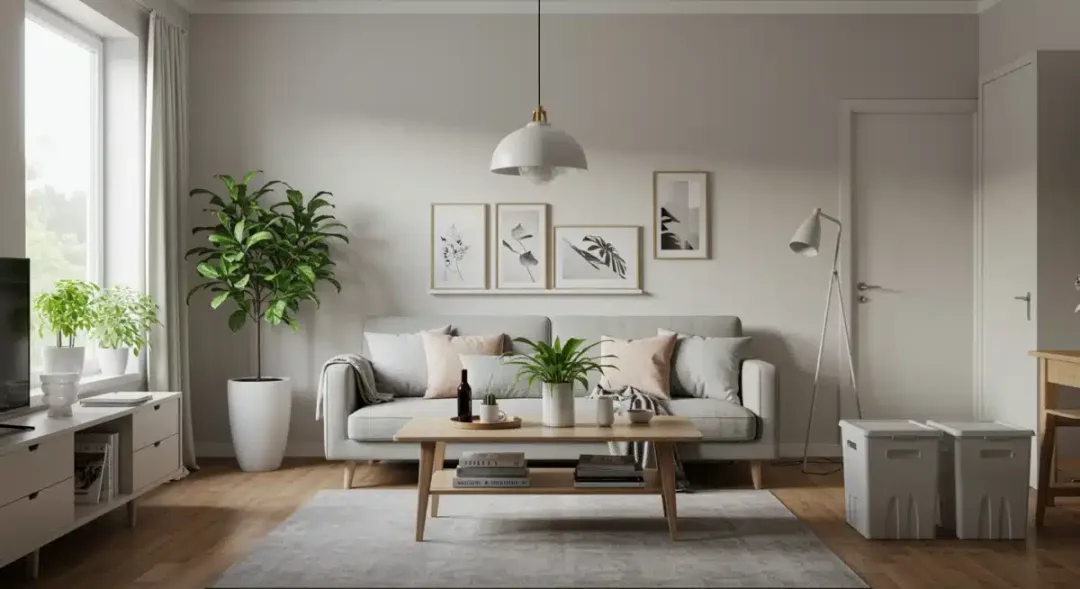
The first week focuses on high-traffic areas that often accumulate clutter quickly: the living room and entryway. These spaces create the first impression of your home and significantly impact your daily mood. Starting here allows for immediate, visible results, boosting morale for the weeks ahead.
A cluttered living room can make relaxation difficult, while a messy entryway can create daily friction as you enter and leave your home. Addressing these areas first establishes a flow of organization that can ripple through the rest of your house. The objective is to create welcoming, functional spaces that serve their intended purpose without being overwhelmed by excess.
Day 1-3: The living room overhaul
Begin by tackling surfaces. Clear coffee tables, end tables, and shelves of anything that doesn’t belong or isn’t regularly used. Sort through magazines, remote controls, decorative items, and personal effects. Group similar items and decide what to keep, donate, or discard.
- Coffee Table: Keep only a few decorative items, coasters, and perhaps one current book or magazine. Store remotes in a designated tray or box.
- Shelves and Bookcases: Remove all items. Dust the shelves. Evaluate each book, DVD, or decorative piece. Keep only those that you truly love or use regularly. Arrange remaining items aesthetically.
- Underneath Furniture: Don’t forget to check under sofas and chairs for lost items or accumulated dust bunnies.
Day 4-5: Taming the entryway chaos
The entryway is a magnet for keys, mail, shoes, coats, and bags. It’s often the first place clutter accumulates. Focus on creating a functional system that allows for quick and easy storage of daily essentials.
Install hooks for coats and bags, a shoe rack for footwear, and a small dish or key holder for keys and wallets. Immediately sort through incoming mail, discarding junk mail and filing important documents. The goal is to prevent items from piling up as soon as they enter your home.
Day 6-7: Final touches and maintenance for common areas
Dedicate the last two days of the week to fine-tuning your efforts in the living room and entryway. This involves a thorough cleaning, repositioning furniture if necessary, and establishing a daily habit of tidying up. Reflect on what systems are working and what might need adjustment.
Consider adding a small plant or a piece of art to enhance the refreshed feel of these spaces. The consistent effort in Week 1 will not only transform these areas but also build confidence for the subsequent decluttering challenges. You’ll begin to see how a systematic approach can indeed declutter your home in 30 days, starting with the most visible parts.
Week 2: Optimizing Functionality – Kitchen and Dining Area
Week two shifts focus to the heart of the home: the kitchen and dining area. These spaces are highly functional and often prone to accumulating a wide array of items, from cooking gadgets to paperwork. A well-organized kitchen not only makes meal preparation more enjoyable but also reduces food waste and improves overall efficiency. The dining area, often a secondary workspace or storage spot, also benefits greatly from a thoughtful declutter.
The objective this week is to create a streamlined, efficient, and clean environment where cooking, dining, and entertaining become stress-free activities. This involves a deep dive into cabinets, drawers, and countertops, ensuring everything has a purpose and a proper home, contributing significantly to your goal to declutter your home in 30 days.
Day 8-11: Kitchen cabinets and drawers
Start with one cabinet or drawer at a time to avoid feeling overwhelmed. Empty it completely, clean the interior, and then sort through everything. Apply the ‘keep, donate, trash’ method rigorously. For kitchen items, consider how often you use them. If an item hasn’t been used in a year, it’s likely time to let it go.
- Pots, Pans, and Bakeware: Keep only those that are in good condition and frequently used. Consider vertical storage solutions to maximize space.
- Utensils and Gadgets: Limit duplicates. Store frequently used items in easily accessible drawers near the stove or prep area.
- Food Storage Containers: Match lids to containers. Discard any orphaned lids or containers that are stained or damaged.
- Dishes and Glassware: Keep enough for your household plus a few extra for guests, but avoid excessive amounts that clutter shelves.
Day 12-13: Pantry and refrigerator organization
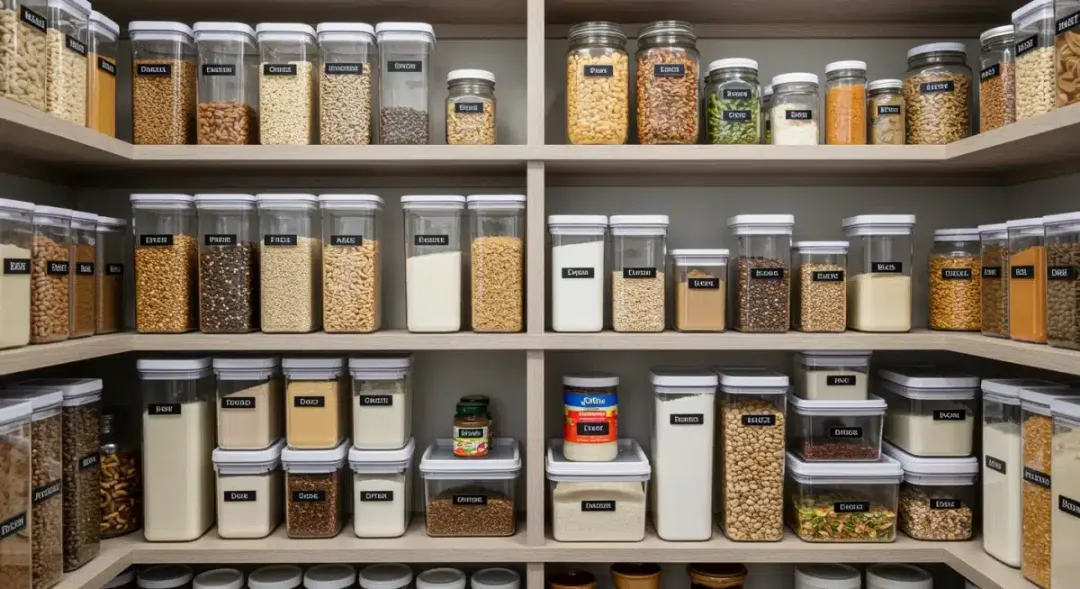
The pantry and refrigerator are crucial for food management. Remove all items, check expiration dates, and discard anything expired or stale. Group similar items together (e.g., baking supplies, snacks, canned goods). Use bins, shelves, and clear containers to keep everything visible and accessible.
For the refrigerator, wipe down all surfaces and shelves. Store food in clear containers to easily see what you have and reduce waste. Designate specific shelves for certain categories like dairy, produce, and leftovers. This systematic approach will dramatically improve your kitchen’s functionality.
Day 14: Dining area and countertops
The dining area often becomes a dumping ground for mail, school projects, or miscellaneous items. Clear the table completely. Keep only a centerpiece or a few decorative items. If the dining table doubles as a workspace, ensure all work-related items are put away at the end of the day.
Countertops in the kitchen should be as clear as possible. Keep only essential appliances that are used daily, like a coffee maker or toaster. Store less frequently used appliances in cabinets. A clear countertop provides more workspace and makes cleaning easier. This dedicated focus on the kitchen and dining area will make a significant impact on your journey to declutter your home in 30 days, creating a more enjoyable and efficient space.
Week 3: Personal Sanctuaries – Bedrooms and Bathrooms
Week three delves into the more personal spaces of your home: bedrooms and bathrooms. These areas are meant to be havens of relaxation and rejuvenation, yet they often become repositories for clothes, toiletries, and sentimental items. Decluttering these rooms is not just about tidiness; it’s about creating an atmosphere that promotes peace, self-care, and restful sleep.
The goal for this week is to transform your bedrooms into serene retreats and your bathrooms into functional, spa-like spaces. This requires a sensitive approach, especially with sentimental items and personal care products, all contributing to your overarching goal to declutter your home in 30 days.
Day 15-18: Bedroom bliss – wardrobe and nightstands
Start with your wardrobe. Take everything out and sort through each item. Use the ‘KonMari’ method: hold each piece and ask if it “sparks joy.” Be honest about what fits, what’s in good condition, and what you actually wear.
- Clothes: Donate or sell items that no longer fit or haven’t been worn in a year. Fold or hang remaining clothes neatly. Consider a capsule wardrobe approach to simplify choices.
- Shoes and Accessories: Organize shoes on racks or in clear bins. Store accessories in drawers or on hooks to keep them visible and untangled.
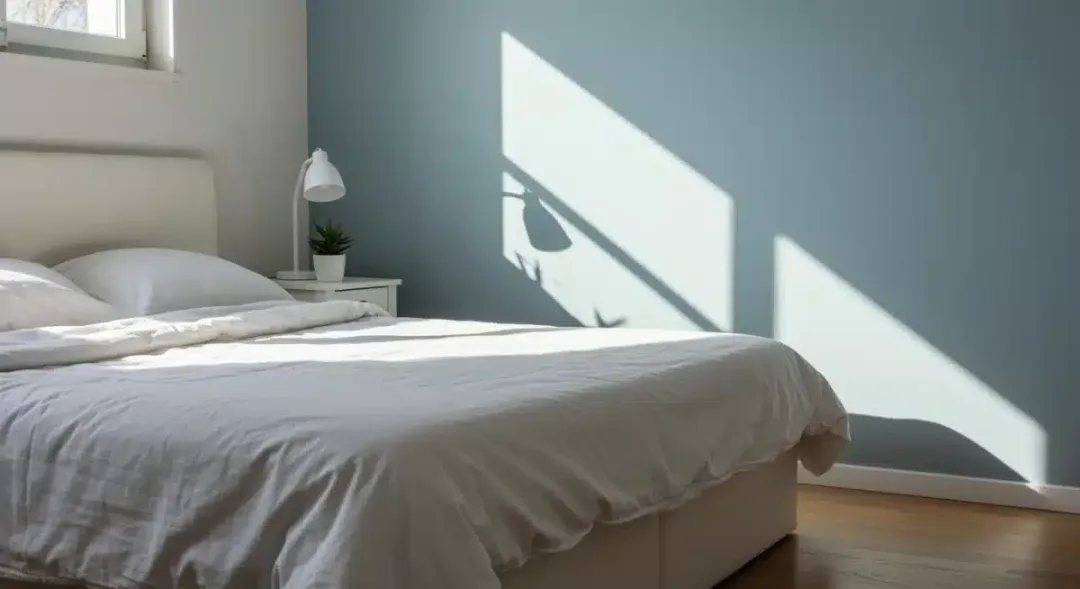
- Nightstands: Clear surfaces. Keep only essentials like a lamp, a book, and a glass of water. Use drawers for small personal items, ensuring they don’t become catch-alls.
Day 19-21: Bathroom serenity – cabinets and counters
Bathrooms are notorious for accumulating half-empty bottles, expired medications, and rarely used beauty products. Empty all cabinets, drawers, and shower caddies. Check expiration dates on all products.
Discard anything expired, almost empty, or that you haven’t used in months. Group similar items together and store them in clear containers or drawer organizers. Keep only daily essentials on the countertop. Consider a small decorative tray for frequently used items to maintain order.
Day 22-23: Under the bed and general bedroom areas
Don’t overlook under-the-bed storage. This area can become a black hole for forgotten items. Pull everything out, sort, and clean. Use under-bed storage containers for seasonal clothes, extra linens, or sentimental items you want to keep but don’t need daily access to.
Finally, address any remaining clutter in the bedroom, such as books, decorative items, or personal papers. Ensure that surfaces are clear and that every item has a designated home. Creating a calm and organized bedroom and bathroom will significantly enhance your daily routine and contribute positively to your overall well-being, moving you closer to successfully decluttering your home in 30 days.
Week 4: The Finishing Line – Home Office, Laundry Room, and Miscellaneous Spaces
As you enter the final week, the focus shifts to the remaining functional areas of your home: the home office, laundry room, and any other miscellaneous spaces like utility closets or storage nooks. These areas, while sometimes overlooked, play a crucial role in overall home functionality and can quickly become sources of disarray. Completing these spaces brings you to the finish line of your challenge to declutter your home in 30 days.
The goal this week is to establish efficient systems for paperwork, cleaning supplies, and other utility items, ensuring every part of your home supports an organized lifestyle. This final push consolidates your efforts and reinforces the habits you’ve built over the past three weeks.
Day 24-26: Optimizing the home office/workspace
A cluttered workspace can hinder productivity and creativity. Begin by clearing your desk surface. Sort through all papers, discarding junk mail, shredding sensitive documents, and filing important ones. Implement a clear filing system for bills, statements, and other documents.
- Desk Drawers: Empty and organize. Use drawer dividers for pens, paper clips, and other small office supplies. Keep only essentials within arm’s reach.
- Books and Supplies: Arrange books neatly on shelves. Store excess office supplies in a designated cabinet or bin.
- Cables and Electronics: Tame unruly cords with cable ties or management boxes. Organize old electronics for recycling or donation.
Day 27-28: Streamlining the laundry room and utility areas
The laundry room, often a compact space, can quickly become overwhelmed with detergents, cleaning supplies, and miscellaneous items. Clear all surfaces and sort through everything.
Consolidate cleaning supplies, discarding empty bottles or products you no longer use. Store items in vertical shelving or wall-mounted cabinets to maximize space. Ensure laundry detergents and fabric softeners are neatly arranged. For utility closets, organize tools, lightbulbs, and other household essentials in labeled bins or on pegboards.
Day 29-30: The grand finale – sentimental items and maintenance plan
The last two days are dedicated to tackling any remaining sentimental items you may have postponed. These are often the hardest to let go of, so approach them with kindness and intention. Choose a few cherished items to display or store safely, and consider digitizing old photos or letters to save space.
Finally, develop a maintenance plan. This is crucial for ensuring your newly organized home stays that way. Establish daily tidy-up routines, schedule weekly deep cleans, and commit to regular decluttering sessions (e.g., once a month or seasonally). This final week not only completes your mission to declutter your home in 30 days but also equips you with the strategies for long-term organization and a peaceful living environment.
Maintaining the Momentum: Long-Term Organization Strategies
Successfully completing the 30-day challenge to declutter your home in 30 days is a significant achievement, but the journey towards an organized life doesn’t end there. Maintaining the momentum is crucial to prevent clutter from creeping back in. Long-term organization isn’t about perfection; it’s about establishing sustainable habits and systems that support your decluttered lifestyle. This involves a shift in mindset from periodic purges to continuous, mindful management of your possessions.
The goal is to integrate decluttering and organizing into your daily and weekly routines, making it a natural part of how you live. This proactive approach ensures that your home remains a sanctuary, free from the stress and chaos that excess can bring. By adopting these strategies, you’ll safeguard your newly found peace and order.
The “one in, one out” rule
This simple yet powerful rule helps prevent new items from accumulating. For every new item you bring into your home, whether it’s a piece of clothing, a book, or a kitchen gadget, commit to letting go of an existing, similar item. This maintains a balance and prevents your spaces from becoming overwhelmed again. It encourages conscious consumption and thoughtful purchasing decisions, reinforcing the decluttered state you’ve worked hard to achieve.
Regular mini-decluttering sessions
Instead of waiting for clutter to build up, schedule short, regular decluttering sessions. This could be 10-15 minutes daily or an hour weekly. During these sessions, focus on small areas, like a single drawer, a shelf, or a countertop. This prevents overwhelming tasks and keeps clutter at bay. Think of it as preventative maintenance for your organized home. These small, consistent efforts are far more effective than infrequent, exhaustive purges.
Creating designated homes for everything
One of the primary reasons for clutter is the lack of a designated home for items. When everything has a place, it’s easier to put things away immediately after use, rather than letting them pile up. Take the time to assign a logical home for every item in your house. Use labels, bins, and organizers to make these homes clear and accessible. Involve all household members in understanding and respecting these designated homes to foster a collective sense of responsibility for maintaining order. This foundational principle is key to sustaining your organized environment after you declutter your home in 30 days.
| Key Decluttering Phase | Brief Description |
|---|---|
| Week 1: Common Areas | Focus on living room and entryway to create welcoming first impressions and immediate visible results. |
| Week 2: Kitchen & Dining | Optimize functionality in cooking and dining spaces, tackling cabinets, pantry, and countertops. |
| Week 3: Personal Sanctuaries | Transform bedrooms and bathrooms into serene, functional havens by decluttering wardrobes and toiletries. |
| Week 4: Final Touches | Address home office, laundry, and miscellaneous areas, establishing long-term maintenance plans. |
Frequently Asked Questions About Decluttering
How do I start decluttering when I feel completely overwhelmed?▼Begin with a small, manageable area, like a single drawer or a small section of a shelf. Focus on making one decision at a time: keep, donate, or trash. This builds momentum and reduces the feeling of being overwhelmed, making the process more approachable.
What’s the best way to deal with sentimental items during decluttering?▼Handle sentimental items last. Choose a select few that truly evoke positive memories or hold significant value. Consider digitizing photos or letters. Remember, memories reside in your heart, not necessarily in the physical object. It’s okay to let go of some.
How can I prevent clutter from returning after I declutter my home in 30 days?▼Implement the “one in, one out” rule, and establish consistent mini-decluttering routines. Regularly review your possessions and ensure everything has a designated home. These habits are crucial for long-term organization and maintaining a clutter-free environment.
Is it better to declutter by room or by category?▼While decluttering by category (e.g., all books from the entire house) can be effective, decluttering by room is often less overwhelming for beginners. It allows you to see immediate progress in specific areas, which helps maintain motivation throughout a 30-day challenge.
What should I do with items I decide to donate or sell?▼Immediately place donation items in a designated box or bag and schedule a drop-off or pickup. For items to sell, list them promptly on online marketplaces or plan a garage sale. The quicker these items leave your home, the less chance they have of becoming clutter again.
Conclusion
Completing the journey to declutter your home in 30 days is more than just tidying up; it’s an investment in your well-being and peace of mind. By systematically tackling each room, you’ve not only transformed your physical environment but also cultivated new habits and a deeper appreciation for intentional living. The process of letting go of excess creates space for what truly matters, fostering a calmer, more productive, and enjoyable home life. Remember that maintaining this newfound order is an ongoing practice, but with the strategies and mindset you’ve developed, you are well-equipped to sustain a beautifully organized and serene sanctuary for years to come.