
Ads
DIY natural beauty treatments harness the power of everyday ingredients to provide effective, chemical-free solutions for enhancing skin and hair radiance, promoting overall well-being and a sustainable beauty routine.
Are you ready to unlock the secrets to a naturally radiant complexion and lustrous locks without breaking the bank or exposing yourself to harsh chemicals? Dive into the world of DIY natural beauty treatments, where your kitchen pantry holds the key to transformative skincare and haircare. It’s time to embrace the power of nature and cultivate a beauty routine that’s both effective and kind to your body.
the resurgence of natural beauty: why DIY matters
In an era dominated by synthetic ingredients and complex formulations, the appeal of natural beauty treatments has experienced a significant resurgence. Consumers are increasingly seeking transparency and simplicity in their beauty routines, turning to homemade remedies that offer a direct connection to nature’s bounty. This shift isn’t just a trend; it’s a conscious choice towards healthier, more sustainable fashion self-care practices.
Opting for DIY methods allows you to control exactly what goes onto your skin and hair, avoiding artificial fragrances, parabens, sulfates, and other potentially irritating compounds often found in commercial products. Beyond the health benefits, creating your own beauty concoctions can be a deeply satisfying and empowering experience, fostering a greater understanding of the ingredients and their effects.
understanding the benefits of natural ingredients
Natural ingredients are packed with vitamins, minerals, antioxidants, and anti-inflammatory properties that can nourish, protect, and repair. From the soothing touch of aloe vera to the moisturizing power of coconut oil, nature offers a diverse palette of remedies for various beauty concerns.
- Cost-effectiveness: Many DIY ingredients are kitchen staples, making homemade treatments significantly cheaper than high-end commercial products.
- Customization: You can tailor recipes to your specific skin or hair type, addressing unique concerns like oiliness, dryness, sensitivity, or dullness.
- Reduced chemical exposure: Eliminating synthetic additives minimizes the risk of allergic reactions and long-term chemical accumulation in the body.
- Environmental impact: Using natural, often organic, ingredients and reusable containers reduces your carbon footprint and plastic waste.
The journey into DIY natural beauty treatments is an exciting exploration of traditional wisdom combined with modern understanding. It empowers you to become an active participant in your beauty regimen, moving away from passive consumption towards informed, intentional choices. This holistic approach not only benefits your skin and hair but also contributes to a greater sense of well-being.

radiant skin: homemade masks and exfoliants
Achieving radiant skin doesn’t require a cabinet full of expensive serums and creams. Your pantry is likely brimming with ingredients capable of cleansing, exfoliating, and nourishing your complexion. Homemade masks and exfoliants can address a myriad of skin concerns, from dullness and acne to dryness and uneven tone, all with gentle, natural efficacy.
The key to successful DIY skincare lies in understanding your skin type and selecting ingredients that complement its needs. For instance, oily skin benefits from ingredients like clay and lemon, while dry skin thrives on rich moisturizers like avocado and honey. Always patch-test new ingredients on a small area of skin to ensure no adverse reactions.
nourishing face masks for every skin type
Face masks are an excellent way to deliver concentrated nutrients to your skin. Here are a few versatile options:
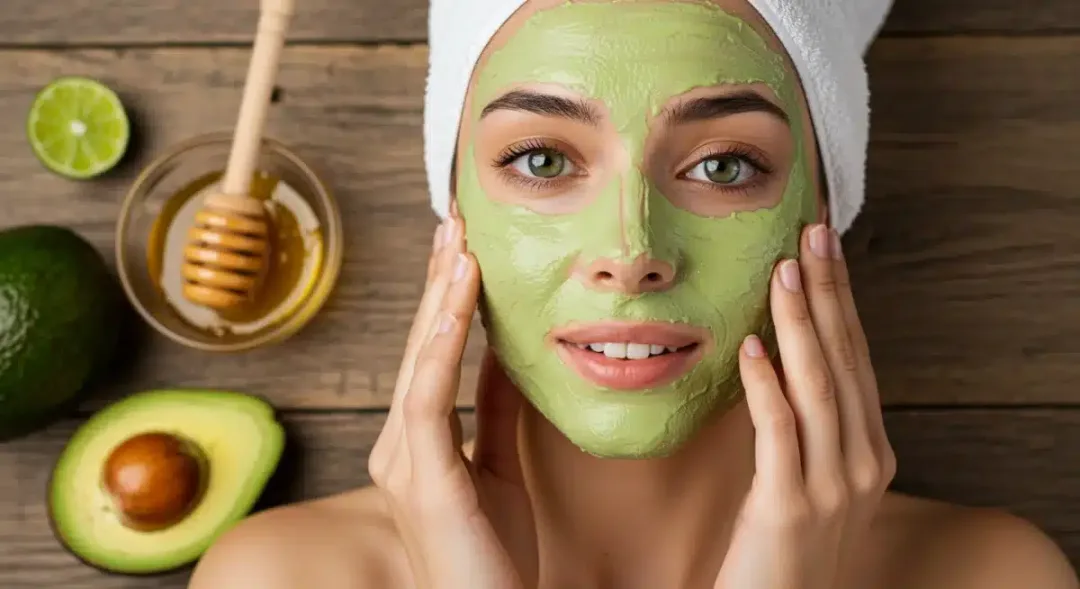
- Hydrating Avocado & Honey Mask: Mash half an avocado with one tablespoon of honey. Avocado is rich in healthy fats and vitamins, while honey is a natural humectant and antibacterial. Apply for 15-20 minutes for deep hydration.
- Brightening Turmeric & Yogurt Mask: Mix one teaspoon of turmeric powder with two tablespoons of plain yogurt. Turmeric is known for its anti-inflammatory and brightening properties, while yogurt provides lactic acid for gentle exfoliation. Leave on for 10-15 minutes.
- Detoxifying Clay Mask: Combine one tablespoon of bentonite clay with enough apple cider vinegar or water to form a paste. Clay draws out impurities and excess oil, making it ideal for oily or acne-prone skin. Apply for 10-15 minutes until dry.
These masks offer immediate benefits, leaving your skin feeling refreshed, soft, and visibly more radiant. Regular use, perhaps once or twice a week, can yield significant improvements in skin texture and tone over time.
gentle natural exfoliants for a smoother complexion
Exfoliation is crucial for removing dead skin cells and promoting cell turnover, revealing fresher, brighter skin underneath. Natural exfoliants can be just as effective as their store-bought counterparts, often with fewer harsh chemicals.
A simple sugar scrub can work wonders. Mix two tablespoons of fine sugar (brown sugar for sensitive skin, white sugar for normal skin) with one tablespoon of coconut oil or olive oil. Gently massage onto damp skin in circular motions, then rinse thoroughly. The sugar crystals provide physical exfoliation, while the oil moisturizes. For a chemical exfoliant, plain yogurt or papaya can be used due to their natural enzymes. Mash a slice of papaya and apply it to your face for 10 minutes before rinsing. The enzymes in papaya help dissolve dead skin cells, revealing a smoother surface. Integrating these natural exfoliants into your routine can help maintain a clear, glowing complexion.
luscious hair: homemade treatments for strength and shine
Just like your skin, your hair can greatly benefit from the nourishing power of natural ingredients. Commercial hair products often contain sulfates that strip natural oils and silicones that can build up over time, leading to dull, lifeless hair. DIY hair treatments offer a gentle yet effective alternative to restore strength, add shine, and promote overall hair health.
Whether you’re dealing with dryness, frizz, oiliness, or lack of luster, there’s a natural remedy waiting in your kitchen. The beauty of homemade hair masks and rinses is their ability to address specific concerns without introducing harsh chemicals, leaving your hair feeling soft, strong, and visibly healthier.
deep conditioning masks for healthy locks
Deep conditioning is essential for maintaining hair health, especially for dry, damaged, or color-treated hair. Natural ingredients provide intense hydration and repair.
- Banana & Coconut Oil Mask: Mash one ripe banana with two tablespoons of coconut oil. Bananas are rich in potassium, vitamins, and natural oils, while coconut oil deeply moisturizes and strengthens hair. Apply to damp hair, leave for 20-30 minutes, then shampoo thoroughly.
- Egg & Olive Oil Protein Treatment: Whisk one egg with two tablespoons of olive oil. Eggs provide much-needed protein to strengthen hair strands and reduce breakage, while olive oil adds shine and moisture. Apply to dry hair for 20 minutes before shampooing.
- Aloe Vera & Honey Scalp Treatment: Mix two tablespoons of fresh aloe vera gel with one tablespoon of honey. This soothing mask can calm an itchy scalp, reduce dandruff, and promote hair growth due to aloe vera’s enzymes and honey’s antibacterial properties. Apply directly to the scalp and hair, leave for 30 minutes, then rinse.
These masks can be used weekly or bi-weekly, depending on your hair’s needs, to restore vitality and resilience. Consistent application will lead to noticeable improvements in hair texture and overall health.
natural rinses for shine and scalp health
Beyond masks, natural rinses can provide a quick boost to your hair’s shine and help balance scalp pH.
An apple cider vinegar (ACV) rinse is a fantastic natural clarifier and shine booster. Mix one part ACV with two parts water. After shampooing, pour the mixture over your hair and scalp, gently massage, and let it sit for a few minutes before rinsing thoroughly. ACV helps remove product buildup, closes hair cuticles for added shine, and balances scalp pH, which can reduce dandruff and itchiness. For dark hair, a strong brewed black tea rinse can enhance color and add shine. For lighter hair, chamomile tea can provide similar benefits. Brew a cup of strong tea, let it cool, and use it as a final rinse after shampooing and conditioning. These simple rinses can make a significant difference in the appearance and feel of your hair.
holistic body care: scrubs, soaks, and moisturizers
Extending beyond the face and hair, DIY natural beauty treatments offer a comprehensive approach to body care. Your skin is your body’s largest organ, and nurturing it from head to toe with natural ingredients can promote overall health and a radiant glow. From invigorating scrubs to relaxing soaks and deeply moisturizing balms, homemade remedies provide an indulgent and effective self-care experience.
The beauty of crafting your own body care products lies in the ability to customize scents, textures, and therapeutic benefits. Explore essential oils for aromatherapy, various salts for detoxification, and rich butters for intense hydration, all while avoiding synthetic additives that can irritate sensitive skin.
invigorating body scrubs for silky smooth skin
Exfoliating your body regularly helps remove dead skin cells, improves circulation, and leaves your skin feeling incredibly soft and smooth. Natural ingredients make for powerful yet gentle scrubs.
- Coffee & Coconut Oil Scrub: Mix half a cup of used coffee grounds with a quarter cup of coconut oil. Coffee is a natural stimulant that can help improve circulation and temporarily reduce the appearance of cellulite, while coconut oil provides deep moisture. Gently massage onto damp skin in the shower, then rinse.
- Oatmeal & Milk Scrub: Blend half a cup of finely ground oatmeal with enough milk (dairy or plant-based) to form a paste. Oatmeal is incredibly soothing and anti-inflammatory, making this scrub ideal for sensitive or irritated skin. It also provides gentle exfoliation.
These scrubs not only exfoliate but also leave a subtle, natural fragrance and a protective layer of moisture, making your skin feel pampered and rejuvenated. Regular use can significantly improve skin texture and tone.
relaxing bath soaks and nourishing body moisturizers
After a good scrub, a relaxing bath soak can further enhance your skin’s well-being, followed by a rich moisturizer to lock in hydration.
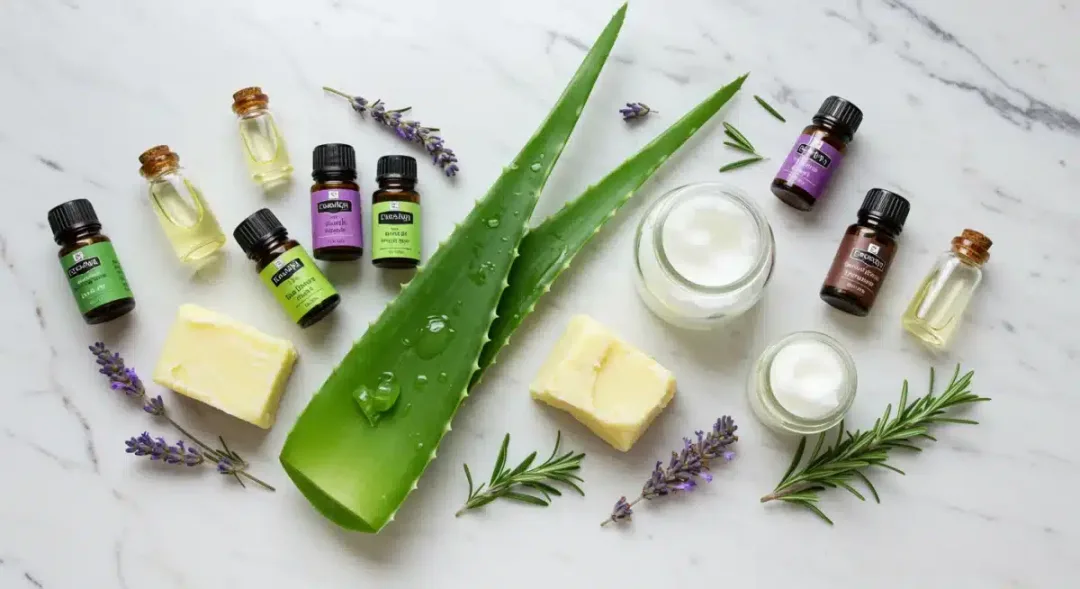
For a calming bath, add one cup of Epsom salts to warm bathwater. Epsom salts are rich in magnesium, which can help relax muscles and reduce stress. You can enhance the experience by adding a few drops of lavender essential oil for its soothing aroma. After your bath, nourish your skin with a homemade body butter. Melt half a cup of shea butter or cocoa butter with two tablespoons of a carrier oil like almond or jojoba oil. Once melted, remove from heat, let it cool slightly, and whip until fluffy. This rich moisturizer will deeply hydrate your skin, leaving it soft and supple. These holistic body care rituals transform routine into a luxurious self-care practice.
essential oils and their therapeutic applications
Essential oils are concentrated plant extracts that carry the natural scent and beneficial properties of their source. When incorporated into DIY natural beauty treatments, they can elevate the experience and provide targeted therapeutic benefits for both skin and hair. However, it’s crucial to use them safely and correctly, as their potency requires respect and understanding.
These precious oils can soothe, purify, stimulate, and balance, making them invaluable additions to your homemade remedies. From calming irritated skin to promoting hair growth, the right essential oil can significantly enhance the efficacy of your natural formulations.
safe dilution and usage guidelines
Essential oils are highly concentrated and should never be applied directly to the skin without dilution. Always mix them with a carrier oil, such as jojoba, almond, coconut, or olive oil, before topical application. A general guideline for facial use is 1-2 drops of essential oil per teaspoon of carrier oil, and for body use, up to 6 drops per teaspoon of carrier oil.
- Patch Test: Always perform a patch test on a small area of skin before applying a new essential oil blend to a larger area to check for sensitivity or allergic reactions.
- Quality Matters: Use high-quality, therapeutic-grade essential oils from reputable sources to ensure purity and effectiveness.
- Avoid Certain Areas: Keep essential oils away from eyes, inner ears, and other sensitive areas.
- Pregnancy and Children: Consult a healthcare professional before using essential oils if you are pregnant, nursing, or using them on children.
Understanding these guidelines ensures that you harness the power of essential oils safely and effectively, maximizing their benefits without adverse effects.
popular essential oils for skin and hair health
Different essential oils offer unique benefits:
For skin, lavender essential oil is renowned for its calming and healing properties, making it excellent for soothing irritated skin or minor blemishes. Tea tree oil is a powerful antibacterial and anti-inflammatory agent, ideal for acne-prone skin, but should be used sparingly and well-diluted. Frankincense oil can help rejuvenate aging skin and reduce the appearance of scars. For hair, rosemary essential oil is celebrated for stimulating hair trends and improving scalp circulation, while peppermint oil can also invigorate the scalp and help with oil control. Ylang-ylang oil can balance oil production and add shine. Incorporating these oils thoughtfully into your DIY recipes can transform your beauty routine into a truly aromatic and therapeutic experience, enhancing the natural radiance of your skin and hair.
sustainable beauty practices: minimizing waste and maximizing impact
Embracing DIY natural beauty treatments is inherently a step towards more sustainable living. By creating your own products, you actively reduce packaging waste, minimize your carbon footprint, and support ethical sourcing of ingredients. This approach aligns perfectly with a growing global awareness of environmental responsibility, transforming your personal beauty regimen into a powerful statement for planetary health.
Sustainable fashion is about making conscious choices that are good for you and the planet. It involves thoughtful consumption, waste reduction, and supporting practices that are environmentally friendly and socially responsible. DIY beauty puts you in the driver’s seat of this movement.
reducing waste with reusable containers and bulk ingredients
One of the most significant environmental benefits of DIY beauty is the drastic reduction in waste. Instead of constantly buying new products in single-use plastic containers, you can reuse glass jars, tins, and bottles for your homemade concoctions.
- Invest in Reusables: Purchase a set of high-quality glass jars, amber bottles, and reusable applicators. These will serve you for years and eliminate the need for disposable packaging.
- Buy in Bulk: Source ingredients like carrier oils, clays, and essential oils from bulk suppliers or local health food stores. This often reduces packaging and can be more cost-effective in the long run.
- Compost Organics: Many leftover ingredients, such as fruit peels, coffee grounds, and herbal remnants, can be composted, returning nutrients to the earth.
These practices not only minimize landfill waste but also encourage a more mindful approach to consumption, fostering a deeper appreciation for the resources used in your beauty routine.
sourcing ethical and organic ingredients
The impact of your DIY beauty doesn’t stop at waste reduction; it extends to the origin of your ingredients. Choosing ethically sourced and organic components ensures that your beauty routine supports fair labor practices and environmentally sound agriculture.

Look for certifications like USDA Organic or Fair Trade when purchasing ingredients. These labels guarantee that products are free from harmful pesticides and chemicals, and that producers are compensated fairly. Supporting local farmers and artisans for ingredients like honey, herbs, or beeswax further reduces transportation emissions and strengthens local economies. By making informed choices about where your ingredients come from, you contribute to a more just and sustainable global supply chain. Sustainable beauty is a journey of continuous learning and improvement, empowering you to make a positive impact one beauty treatment at a time.
common pitfalls and how to avoid them
While DIY natural beauty treatments offer numerous benefits, it’s essential to approach them with caution and knowledge to avoid common pitfalls. Missteps can lead to skin irritation, ineffective results, or even potential harm. Understanding these potential issues and how to circumvent them will ensure your homemade beauty journey is both safe and rewarding.
The enthusiasm for natural remedies is wonderful, but it must be tempered with a healthy dose of realism and an understanding of ingredient properties. Not all natural ingredients are suitable for everyone, and proper preparation and storage are key to efficacy and safety.
the importance of patch testing and ingredient quality
One of the most crucial steps often overlooked in DIY beauty is patch testing. Before applying any new homemade concoction to your entire face or large areas of your body, always perform a patch test.
- How to Patch Test: Apply a small amount of the mixture to an inconspicuous area of skin, such as behind the ear or on the inner forearm. Wait 24-48 hours to observe any redness, itching, burning, or irritation.
- Ingredient Purity: The quality of your ingredients directly impacts the effectiveness and safety of your DIY treatments. Always opt for food-grade or cosmetic-grade ingredients, and ensure essential oils are therapeutic-grade from trusted suppliers. Avoid using expired ingredients, as their potency may diminish, and they could harbor bacteria.
Ignoring these steps can lead to adverse reactions, turning a beneficial treatment into an unpleasant experience. Prioritizing safety through testing and quality sourcing is paramount.
proper storage and shelf life of homemade products
Unlike commercial products that contain preservatives, homemade beauty treatments have a much shorter shelf life. Proper storage is vital to prevent bacterial growth and maintain efficacy.
Most water-based DIY products, such as fresh fruit masks or herbal rinses, should be used immediately or within a few days if refrigerated. Oil-based products, like scrubs or balms, tend to last longer, typically a few weeks to a couple of months, especially if stored in airtight containers in a cool, dark place. Adding a natural antioxidant like vitamin E oil can help extend the shelf life of oil-based products by preventing rancidity. Always use clean utensils and containers when preparing your remedies to avoid contamination. If a product develops an unusual smell, color, or texture, it’s best to discard it. By adhering to proper storage practices, you can enjoy the full benefits of your natural creations safely and effectively, ensuring your journey into DIY beauty remains a positive one.
| Key Benefit | Description |
|---|---|
| Ingredient Control | Ensures chemical-free formulations tailored to individual needs. |
| Cost Efficiency | Utilizes common household items, significantly reducing beauty expenses. |
| Environmental Impact | Reduces packaging waste and promotes sustainable sourcing practices. |
| Personalized Care | Allows customization of recipes to perfectly match specific skin and hair concerns. |
frequently asked questions about DIY natural beauty
Are DIY natural beauty treatments truly effective?▼Yes, many DIY natural beauty treatments are highly effective, leveraging the potent properties of ingredients like honey, avocado, and essential oils. Their efficacy often comes from their concentrated nutrients and lack of harsh chemicals, which can sometimes irritate or strip the skin and hair.
How often should I use homemade face masks and hair treatments?▼For most homemade face masks, once or twice a week is usually sufficient to see benefits without over-treating your skin. Hair treatments can also be applied weekly or bi-weekly, depending on your hair’s condition and specific needs, such as dryness or damage.
Can natural ingredients cause allergic reactions?▼Yes, even natural ingredients can cause allergic reactions in some individuals. It’s crucial to always perform a patch test on a small area of skin before applying any new DIY treatment to your entire face or body to ensure you don’t have an adverse reaction.
What are the best natural ingredients for anti-aging?▼Ingredients rich in antioxidants and vitamins are excellent for anti-aging. Examples include green tea (for its polyphenols), avocado (vitamins E and C), honey (antioxidants), and certain essential oils like frankincense and rosehip, known for their regenerative properties.
How should I store my DIY beauty products to keep them fresh?▼Store water-based DIY products in the refrigerator and use them within a few days. Oil-based products can last longer, typically a few weeks to a couple of months, when kept in airtight containers in a cool, dark place. Always use clean tools to avoid contamination.
conclusion: embracing a natural path to beauty
The journey into DIY natural beauty treatments is more than just a trend; it’s a conscious decision to nurture your skin and hair with ingredients straight from nature’s pantry. By taking control of what goes into your beauty regimen, you not only unlock a world of personalized, effective, and chemical-free solutions but also contribute to a more sustainable and mindful lifestyle. From radiant skin masks to lustrous hair treatments, the power to create a glowing, healthy you lies in your hands, guided by the simplicity and efficacy of natural remedies. Embrace this path, and discover the transformative beauty that awaits.