
Ads
Mastering drone photography for beginners involves understanding basic controls, choosing the right equipment, and applying fundamental composition techniques to capture breathtaking aerial images with ease.
Are you ready to elevate your photography skills, literally? Drone photography for beginners opens up an entirely new perspective, allowing you to capture awe-inspiring aerial shots that were once only possible for professional cinematographers. This guide will help you navigate the exciting world of drone photography, transforming your vision into stunning reality.
Understanding the Basics of Drone Operation and Safety
Before you can capture breathtaking aerial vistas, mastering the fundamentals of drone operation is paramount. This involves not only understanding how your drone flies but also adhering to crucial safety protocols and regulations. A solid grasp of these basics ensures both your safety and the longevity of your equipment, laying a strong foundation for your photographic endeavors from the sky.
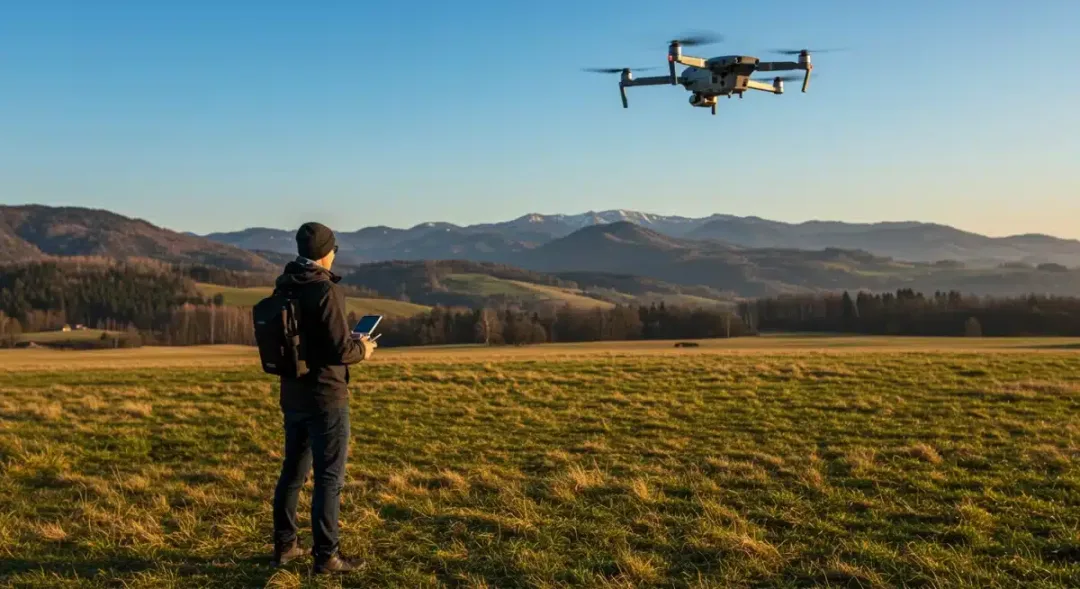
Operating a drone isn’t just about launching it into the air; it’s about precision, control, and awareness of your surroundings. Familiarizing yourself with the remote controller, understanding flight modes, and practicing takeoffs and landings in open, safe environments are initial steps that cannot be overlooked. Each drone model has its unique quirks, so spending time with the user manual is invaluable.
Essential Pre-Flight Checks
Every successful drone flight begins on the ground with a thorough pre-flight inspection. This routine minimizes risks and optimizes performance. Neglecting these checks can lead to unexpected issues during flight, potentially damaging your drone or, worse, causing injury. Developing a consistent checklist will make these checks second nature.
- Battery Levels: Always ensure both the drone and remote controller batteries are fully charged.
- Propeller Condition: Inspect propellers for any cracks, bends, or debris that could affect flight stability.
- GPS Signal: Confirm a strong GPS signal before takeoff for accurate positioning and return-to-home functionality.
- Environmental Factors: Check wind speed, air space restrictions, and potential obstacles in your flight path.
Navigating Regulations and Airspace
Drone regulations vary significantly by location, and it’s your responsibility to know and follow them. In the United States, the Federal Aviation Administration (FAA) sets guidelines for recreational and commercial drone pilots. Ignorance of these rules is not an excuse and can result in hefty fines or legal penalties. Always consult local aviation authorities before flying.
Understanding airspace classifications is critical. Certain areas, such as near airports, military bases, or national parks, are often restricted or prohibited for drone flight. Apps like B4UFLY can provide real-time information on airspace restrictions, helping you plan your flights safely and legally. Adhering to these rules protects both you and the public.

By diligently practicing flight maneuvers and thoroughly understanding airspace regulations, you equip yourself with the confidence and knowledge necessary for safe and successful drone photography. These foundational elements are the bedrock upon which all your future aerial captures will rest.
Choosing the Right Drone and Camera Setup
Selecting the appropriate drone and camera setup is a critical decision for any aspiring aerial photographer. The market is flooded with options, each offering a unique blend of features, price points, and capabilities. Your choice will significantly impact the quality of your images and your overall photographic experience. For drone photography for beginners, striking a balance between ease of use, cost, and image quality is key.
Beginners often gravitate towards consumer-friendly drones known for their intuitive controls and robust safety features. These models typically come equipped with integrated cameras that, while not professional-grade, are more than capable of capturing stunning high-resolution photos and videos. Researching reviews and watching demonstration videos can provide valuable insights into different models.
Key Drone Features for Photography
When evaluating drones, several features stand out as particularly beneficial for photography. A stable flight platform is essential for sharp images, meaning good GPS stabilization and obstacle avoidance are high priorities. Battery life also plays a crucial role; longer flight times mean more opportunities to compose and capture your shots without interruption.
- Gimbal Stabilization: A 3-axis gimbal is vital for smooth, stable video footage and sharp photos, compensating for drone movement.
- Camera Sensor Size: Larger sensors generally perform better in low light and offer a wider dynamic range, leading to higher quality images.
- Resolution: Look for drones capable of shooting at least 4K video and 12-megapixel photos for good detail.
- Intelligent Flight Modes: Features like ActiveTrack, Point of Interest, and Waypoints can simplify complex shots and enhance creative possibilities.
Understanding Camera Settings
Even with an excellent drone camera, understanding basic photography settings will dramatically improve your results. While many drones offer automatic modes, learning to adjust settings like ISO, shutter speed, and aperture provides greater creative control. This knowledge allows you to adapt to various lighting conditions and achieve specific artistic effects.
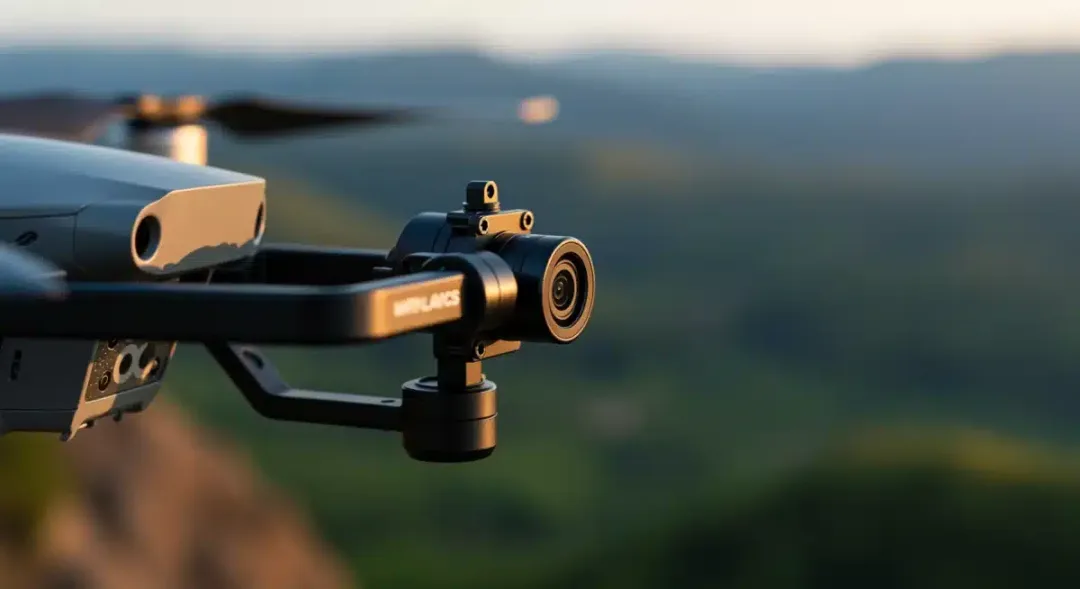
For instance, a lower ISO setting is ideal in bright conditions to minimize noise, while a faster shutter speed can freeze motion, perfect for capturing dynamic scenes. Adjusting the aperture controls the depth of field, helping you decide how much of your scene is in focus. Experimenting with these settings in different environments will quickly build your confidence and skill.
In summary, investing time in researching and choosing the right drone, coupled with a willingness to learn its camera’s capabilities, will empower you to capture truly remarkable aerial photographs. This careful selection process is a cornerstone of successful drone photography for beginners.
Mastering Composition and Lighting for Aerial Shots
Once you’re comfortable operating your drone, the next step in elevating your aerial photography is to master composition and lighting. These two elements are the backbone of any compelling photograph, and they apply just as powerfully to images captured from above. Understanding how to use them effectively will transform your casual snapshots into professional-looking aerial art.
Aerial perspective offers unique compositional challenges and opportunities. The world looks different from above, presenting new lines, patterns, and textures that can be leveraged to create visually striking images. Learning to see these elements from a drone’s eye view is a skill that develops with practice and keen observation.
Compositional Techniques for Aerial Photography
Traditional photography rules, such as the Rule of Thirds, leading lines, and symmetry, are still highly relevant in drone photography. However, the elevated vantage point allows for their application in novel ways. Think about how roads, rivers, or fields can create leading lines that draw the viewer’s eye through your image, or how natural formations can create intriguing symmetrical patterns.
- Rule of Thirds: Divide your frame into nine equal sections and place your subject at the intersections for balanced compositions.
- Leading Lines: Utilize natural or man-made lines to guide the viewer’s gaze towards your main subject.
- Patterns and Textures: Look for repeating elements or distinct textures that become visible and captivating from above.
- Framing: Use natural elements like tree lines or mountain ranges to frame your subject, adding depth and context.
Leveraging Natural Light
Light is arguably the most crucial element in photography. For aerial shots, natural light dictates mood, shadows, and overall image quality. The ‘golden hours’ – shortly after sunrise and before sunset – are particularly revered by photographers for their soft, warm light that creates long, dramatic shadows and a rich color palette. Flying during these times can instantly elevate your photos.
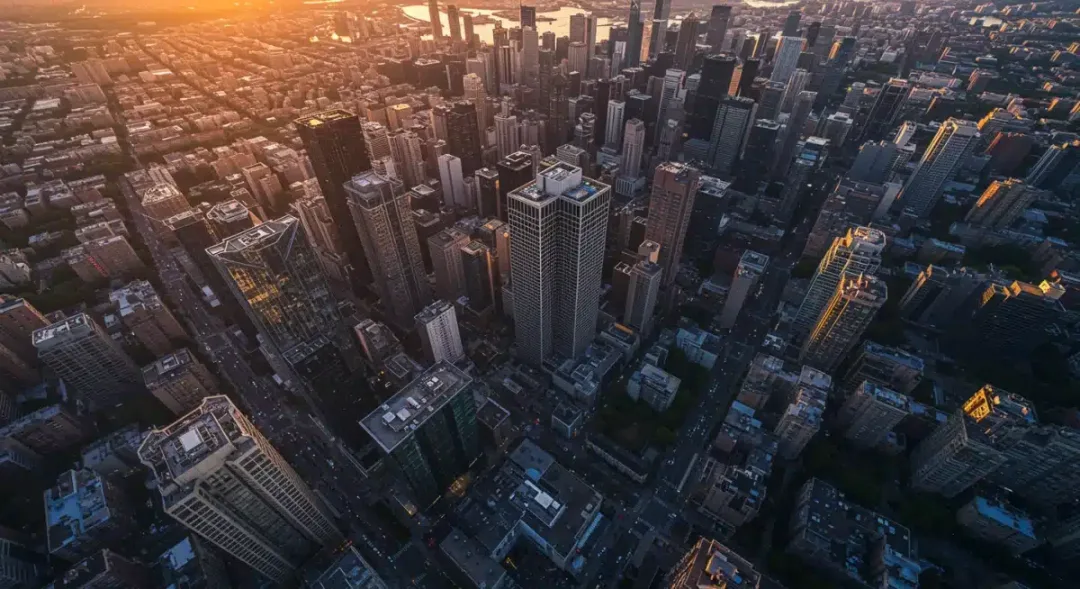
Midday sun, while offering bright illumination, can create harsh shadows and washed-out colors. However, it can also be used creatively to highlight textures or create stark contrasts. Overcast days provide soft, diffused light, which is excellent for capturing landscapes with subtle details and muted colors without harsh shadows. Always consider how the sun’s position will affect your subject and adjust your flight path accordingly.
By consciously applying compositional rules and understanding the nuances of natural light, you will significantly enhance the visual impact of your aerial photographs. These artistic considerations are what truly differentiate memorable images from ordinary ones in drone photography for beginners.
Post-Processing: Enhancing Your Aerial Masterpieces
Capturing a great aerial shot is only half the battle; the other half lies in post-processing. Editing your drone photos allows you to refine colors, adjust exposure, sharpen details, and correct any imperfections, transforming a good image into a truly stunning one. Even for drone photography for beginners, understanding basic editing techniques is crucial for maximizing the potential of your captures.
Post-processing isn’t about fabricating reality but enhancing what’s already there. It’s about bringing out the vibrancy, clarity, and mood that you envisioned when you took the shot. A well-edited photo can convey emotions and tell stories more effectively, drawing viewers deeper into your aerial perspective. Many accessible software options are available, catering to various skill levels.
Essential Editing Software and Tools
For beginners, there’s a range of user-friendly software that offers powerful editing capabilities without an overwhelming learning curve. Adobe Lightroom and Photoshop are industry standards, offering comprehensive tools for both basic and advanced edits. However, free alternatives like GIMP or online editors like Pixlr can also provide a good starting point.
- Exposure Adjustment: Brighten or darken your image to achieve the desired look and correct any under or overexposure.
- Color Correction: Adjust white balance, saturation, and vibrance to make colors pop or create a specific mood.
- Cropping and Straightening: Refine your composition and ensure horizons are level for a professional finish.
- Sharpening and Noise Reduction: Enhance details and minimize grain, especially in lower-light shots.
Workflow for Aerial Photo Editing
Developing a consistent editing workflow can streamline your post-processing efforts and ensure a high standard for all your photos. Start with global adjustments, such as exposure and white balance, before moving to more localized edits. Always save your original files and work on copies or use non-destructive editing techniques, which allow you to revert changes at any point.
Experiment with presets or filters to quickly apply a consistent style to your images, then fine-tune them to suit individual photos. Pay attention to details like lens distortions, which some drone cameras might exhibit, and correct them if necessary. The goal is to enhance, not over-process, maintaining a natural and authentic feel to your aerial masterpieces.
By embracing post-processing as an integral part of your photographic journey, you’ll unlock new levels of creativity and quality in your aerial images. This final step is where your vision truly comes to life, making your drone photography for beginners stand out.
Advanced Techniques: Beyond the Basics
As you grow more comfortable with the fundamentals of drone photography for beginners, you’ll naturally seek ways to push your creative boundaries. Advanced techniques allow you to move beyond simple snapshots, enabling more dynamic, complex, and visually compelling aerial narratives. This progression involves exploring specialized flight maneuvers, understanding advanced camera settings, and experimenting with different photographic styles.
Stepping into advanced drone photography means thinking more critically about your shots before you even take off. It’s about planning sequences, anticipating light changes, and mastering the subtle art of drone movement to achieve cinematic fluidity or intricate detail. This level of photography demands patience, practice, and a willingness to experiment.
Creative Flight Paths and Perspectives
Beyond hovering and simple forward flight, drones are capable of complex movements that can add significant production value to your photos and videos. Learning to perform smooth orbits around subjects, dramatic fly-throughs, or revealing ‘dolly zoom’ effects requires precise control and a good understanding of your drone’s capabilities. These maneuvers open up a world of storytelling possibilities.
- Orbit Shots: Circle a subject at a consistent altitude and distance for a dynamic, revolving perspective.
- Revealing Shots: Start close to a subject and slowly pull back and up to reveal the broader landscape.
- Hyperlapses/Timelapses: Capture changes over time from an aerial perspective, creating captivating visual narratives.
- Low-Altitude Close-Ups: Carefully fly close to interesting textures or details on the ground for unique abstract compositions.
Utilizing Filters and Manual Camera Settings
Advanced photographers often rely on external filters and manual camera settings to achieve optimal results in challenging lighting conditions. Neutral Density (ND) filters, for example, reduce the amount of light entering the lens, allowing for slower shutter speeds in bright daylight – perfect for creating motion blur in water or clouds. Polarizing filters can reduce glare and enhance color saturation.
Mastering manual settings gives you complete control over exposure, depth of field, and motion blur. Understanding the interplay between ISO, aperture, and shutter speed becomes second nature, allowing you to react quickly to changing light and capture precisely the image you envision. This level of control is essential for professional-grade aerial photography.
By venturing into these advanced techniques, you’ll not only refine your technical skills but also develop a distinctive artistic style. This journey from beginner to advanced drone photographer is marked by continuous learning and an endless pursuit of capturing the world from ever more spectacular vantage points.
Safety and Legal Considerations for Drone Pilots
While the allure of capturing stunning aerial shots is strong, it’s paramount for every drone pilot, especially those new to drone photography for beginners, to prioritize safety and adhere to legal guidelines. Operating a drone carries responsibilities that extend beyond just flying; it involves protecting people, property, and the airspace itself. Neglecting these aspects can lead to serious consequences, from fines to accidents.
The regulatory landscape for drones is constantly evolving, making it crucial to stay informed about the latest rules and restrictions. What might be permissible today could change tomorrow, so a proactive approach to understanding and complying with regulations is essential for responsible drone operation. This ensures a safe environment for everyone and helps maintain public acceptance of drone technology.
Understanding FAA Regulations in the United States
In the United States, the Federal Aviation Administration (FAA) is the primary authority governing drone operations. For recreational pilots, rules are generally less stringent than for commercial operators, but they still exist. All drones weighing over 0.55 pounds (250 grams) must be registered with the FAA, and pilots must pass an aeronautical knowledge and safety test (TRUST).
- Fly Below 400 Feet: Maintain your drone below 400 feet above ground level, or within 400 feet of a structure, if you’re flying above it.
- Visual Line of Sight: Always keep your drone within your visual line of sight without the aid of binoculars or other devices.
- Yield to Manned Aircraft: Drones must always yield the right of way to all manned aircraft.
- Avoid Restricted Airspace: Steer clear of airports, national parks, military bases, and other designated restricted zones.
Privacy Concerns and Ethical Flying
Beyond legal mandates, ethical considerations and privacy concerns are significant aspects of drone operation. While you might be legally permitted to fly in certain areas, consider the impact your drone might have on individuals’ privacy. Flying too close to private property or filming people without consent can lead to complaints and erode public trust in drone users.
Always practice respectful flying. This means avoiding noisy operations in residential areas, being mindful of wildlife, and refraining from flying over large gatherings of people without proper authorization. A good rule of thumb is to ask yourself if your drone activity would be considered intrusive or disruptive by others. Promoting responsible drone use helps ensure that this exciting technology continues to be accessible for hobbyists and professionals alike.
By diligently adhering to safety protocols and legal requirements, and by exercising ethical judgment, drone pilots can enjoy their hobby responsibly. This commitment to safe and respectful operation is fundamental to the future of drone photography for beginners and experienced pilots alike.
Building a Portfolio and Sharing Your Work
Once you’ve honed your skills in drone photography for beginners, capturing stunning aerial shots, the natural next step is to build a portfolio and share your work with the world. A well-curated portfolio is your visual resume, showcasing your best images and demonstrating your artistic vision and technical proficiency. Sharing your work not only provides an outlet for your creativity but also opens doors to feedback, networking, and potential opportunities.
The act of compiling your best work forces you to critically evaluate your photographs, helping you understand your strengths and areas for improvement. It’s a journey of self-discovery as an artist, solidifying your unique style and perspective. Moreover, actively sharing your work connects you with a broader community of enthusiasts and professionals, fostering growth and inspiration.
Curating Your Best Aerial Photos
Creating a portfolio isn’t just about dumping all your photos into a folder; it’s about thoughtful selection and presentation. Choose only your absolute best work – images that are technically sound, creatively composed, and evoke emotion or tell a story. A smaller collection of exceptional images is far more impactful than a vast collection of mediocre ones. Consider variety in your selections, showcasing different landscapes, lighting conditions, and compositional styles.
- Quality Over Quantity: Select only your strongest images that truly represent your skill and artistic vision.
- Thematic Consistency: Consider grouping images by theme or location to create a cohesive narrative.
- High Resolution: Ensure all images are presented in high resolution, showcasing detail and clarity.
- Seek Feedback: Share your selections with trusted peers or mentors for constructive criticism before finalizing.
Platforms for Sharing Your Drone Photography
The digital age offers numerous platforms for showcasing your drone photography. Social media sites like Instagram, Facebook, and Twitter are excellent for broad reach and engaging with a wide audience. Photography-specific platforms such as 500px, Flickr, and Behance cater to a more dedicated photography community, where you can gain valuable exposure and feedback from fellow artists.
Consider creating your own website or blog to have complete control over your presentation and content. This provides a professional storefront for your work and allows you to share longer stories or behind-the-scenes insights into your photography process. Don’t forget to optimize your images for web viewing, ensuring fast loading times without sacrificing quality.
By strategically building and sharing your portfolio, you not only celebrate your achievements in aerial photography but also establish your presence within the creative community. This process is integral to evolving from a beginner to a recognized drone photographer, continually inspiring and being inspired by the world seen from above.
| Key Aspect | Brief Description |
|---|---|
| Drone Operation | Mastering flight controls, pre-flight checks, and adherence to safety regulations are fundamental for safe and effective drone use. |
| Equipment Selection | Choosing a drone with a stable gimbal, good camera sensor, and sufficient battery life is crucial for high-quality aerial photography. |
| Composition & Lighting | Applying traditional compositional rules and understanding natural light sources significantly enhances the visual appeal of aerial shots. |
| Post-Processing | Editing photos to adjust exposure, color, and sharpness transforms raw captures into polished, professional-looking aerial masterpieces. |
Frequently Asked Questions About Drone Photography
What is the best drone for beginners in photography?▼For beginners, drones like the DJI Mini 3 Pro or Mavic Air 2 are highly recommended. They offer excellent camera quality, user-friendly controls, and robust safety features, making them ideal for learning the ropes of aerial photography without a steep learning curve.
Do I need a license to fly a drone for photography?▼In the U.S., recreational drone pilots must register drones over 0.55 lbs and pass the TRUST knowledge test. For commercial photography, a Part 107 certificate from the FAA is required. Always check local regulations before flying.
How can I improve the quality of my drone photos?▼Focus on composition, lighting, and camera settings. Fly during golden hours for soft light, use the rule of thirds, and experiment with manual camera adjustments. Post-processing is also key to enhancing colors and sharpness.
What are the most common mistakes beginners make in drone photography?▼Common mistakes include neglecting pre-flight checks, ignoring airspace regulations, flying in poor weather, not understanding camera settings, and failing to properly post-process images. Patience and practice help overcome these.
Is drone photography a good hobby for beginners?▼Yes, absolutely! Drone photography offers a unique and rewarding creative outlet. With accessible technology and a wealth of online resources, beginners can quickly learn to capture stunning aerial views and develop a fascinating new skill.
Conclusion
Embarking on the journey of drone photography for beginners is an incredibly exciting and rewarding endeavor. From understanding the nuances of drone operation and selecting the right equipment to mastering compositional techniques, leveraging natural light, and refining your images through post-processing, each step builds towards creating breathtaking aerial masterpieces. Remember to always prioritize safety and adhere to legal guidelines, ensuring that your passion for flight and photography remains a positive and impactful experience. With practice, patience, and a keen eye for detail, you’ll soon be capturing stunning aerial shots that truly stand out, offering a fresh perspective on the world around us.