
Ads
The rapid production and consumption cycle of fast fashion significantly exacerbates environmental degradation through excessive resource use and pollution, while also perpetuating severe social injustices, including exploitative labor practices, impacting global communities.
Have you ever paused to consider the real price of that trendy, inexpensive outfit? Beyond the tempting price tag and fleeting style, there lies a complex and often devastating reality. The impact of fast fashion extends far beyond our wardrobes, touching every corner of the globe, from environmental degradation to profound social injustices that affect millions. Understanding these hidden costs is crucial for making informed choices in an industry that thrives on rapid consumption.
the relentless environmental footprint of fast fashion
Fast fashion’s business model, built on quick turnover and low prices, exerts immense pressure on natural resources and ecosystems. The demand for new styles at an unprecedented pace fuels a cycle of overproduction and waste that is simply unsustainable. This relentless pursuit of novelty has tangible and often irreversible environmental consequences that impact our planet’s health.
The journey of a fast fashion garment, from raw material to landfill, is fraught with environmental challenges. Each stage, from cultivation of fibers to dyeing, manufacturing, transportation, and eventual disposal, consumes vast amounts of resources and generates significant pollution. This model is fundamentally at odds with the planet’s finite capacity to regenerate and absorb waste.
resource depletion and waste generation
The sheer volume of clothing produced annually by the fast fashion industry is staggering. This production necessitates an enormous intake of raw materials, many of which are non-renewable or require intensive farming practices.
- Water Consumption: Growing cotton, a primary fiber, is incredibly water-intensive, often in regions already facing water scarcity. Producing a single cotton t-shirt can require thousands of liters of water.
- Microplastic Pollution: Synthetic fibers like polyester, nylon, and acrylic, prevalent in fast fashion, shed microplastics with every wash. These tiny plastic particles end up in our oceans, harming marine life and entering the food chain.
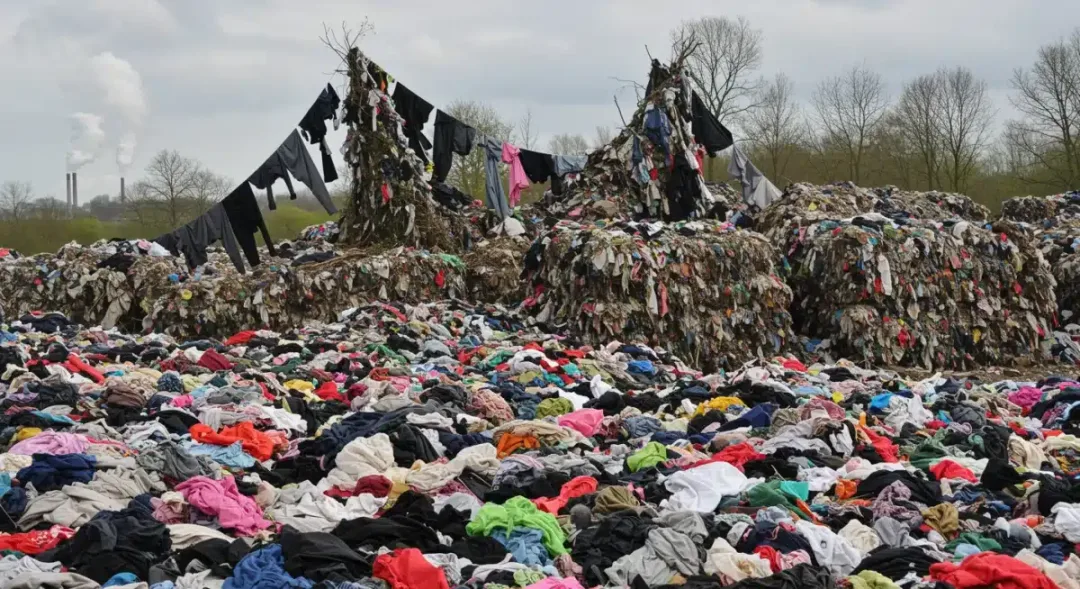
- Landfill Overload: The short lifespan of fast fashion garments means they are quickly discarded. Landfills globally are overflowing with textile waste, much of which is non-biodegradable, releasing greenhouse gases as it decomposes.
The linear production model of fast fashion—take, make, dispose—is inherently wasteful. It treats resources as limitless and waste as something that simply disappears, ignoring the long-term ecological damage. The rapid pace of trends means that clothes are often worn only a few times before being deemed outdated and discarded, contributing significantly to textile waste.

toxic chemicals and water pollution
Beyond resource depletion, the manufacturing processes of fast fashion are notorious for their reliance on harmful chemicals. These chemicals are used in various stages, from dyeing and printing to finishing, and their improper disposal leads to severe environmental contamination, particularly in water sources.
The vibrant colors and diverse textures of fast fashion garments often come at a heavy environmental cost. The textile industry is one of the largest polluters of clean water globally, largely due to the discharge of untreated wastewater containing hazardous substances. This pollution has devastating effects on aquatic ecosystems and human health in surrounding communities.
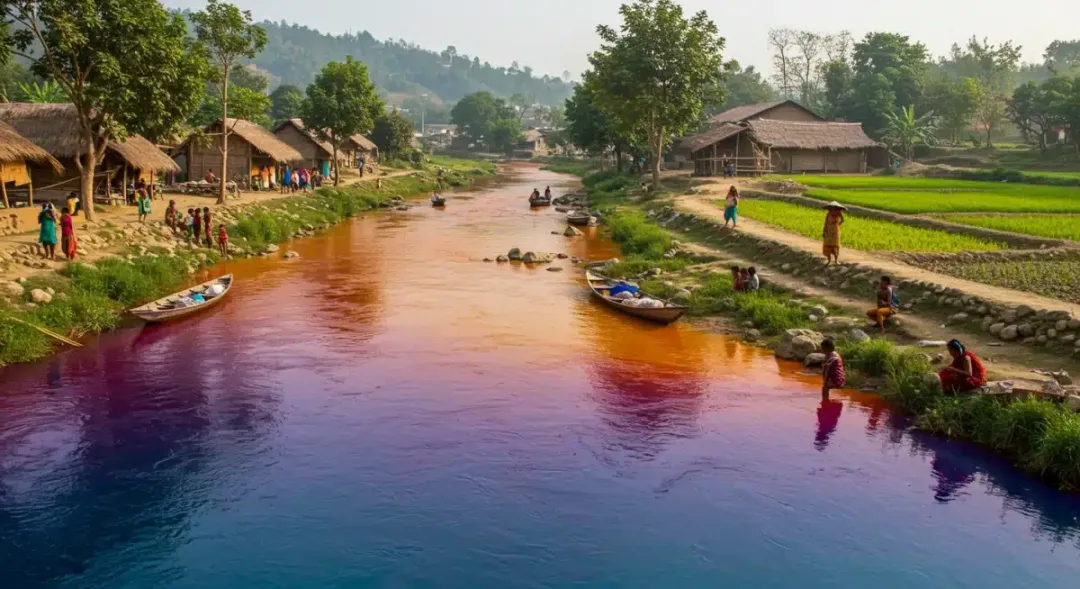
Factories in many developing countries, where much of fast fashion production is outsourced, often lack adequate wastewater treatment facilities. This means that chemical-laden effluent is frequently discharged directly into rivers and lakes, turning them into toxic waterways. The consequences for biodiversity and local populations are dire.
the unseen dangers of textile dyes
Textile dyeing processes are particularly problematic, utilizing a vast array of synthetic dyes that contain heavy metals, formaldehyde, and other carcinogens. These substances are not only toxic when released into the environment but can also pose health risks to factory workers and consumers.
- Eutrophication: The discharge of nutrient-rich wastewater from textile factories can lead to algal blooms, depleting oxygen levels in water bodies and killing fish and other aquatic organisms.
- Soil Contamination: Polluted water used for irrigation can contaminate agricultural land, affecting crop yields and potentially introducing harmful chemicals into the food chain.
- Human Health Impacts: Communities relying on these polluted water sources for drinking, bathing, and fishing face increased risks of skin diseases, respiratory problems, and various cancers.
The problem is exacerbated by the sheer scale of production; with billions of garments made annually, even small inefficiencies in chemical management accumulate into significant environmental catastrophes. Addressing this requires stricter regulations, investment in green technologies, and a fundamental shift away from the linear fast fashion model.
the heavy social burden: labor exploitation
While the environmental costs are often visible in polluted landscapes, the social costs of fast fashion are frequently hidden behind factory walls, impacting the lives of millions of garment workers. The industry’s relentless pursuit of low production costs and quick turnaround times often comes at the expense of human dignity and fair labor practices.
The global supply chain of fast fashion is complex and opaque, making it difficult to trace the origins of garments and ensure ethical production. This complexity allows brands to distance themselves from the harsh realities faced by workers, often in countries where labor laws are weak or poorly enforced.
unsafe working conditions and low wages
Garment factory workers, predominantly women, often endure appalling conditions. They are typically paid meager wages that fall far below a living wage, making it impossible to escape poverty despite working long hours. The pressure to meet tight deadlines leads to excessive overtime, often unpaid, and hazardous environments.
- Health and Safety Risks: Factories frequently lack proper ventilation, exposing workers to toxic chemicals, dust, and extreme temperatures. Accidents, including building collapses and fires, are tragically common due to lax safety standards.
- Forced Labor and Child Labor: In some parts of the supply chain, particularly in raw material production or subcontracted factories, instances of forced labor and child labor have been documented, exploiting vulnerable populations.
- Suppression of Workers’ Rights: Workers often face intimidation and retaliation for attempting to unionize or demand better conditions, effectively denying them basic human rights and collective bargaining power.
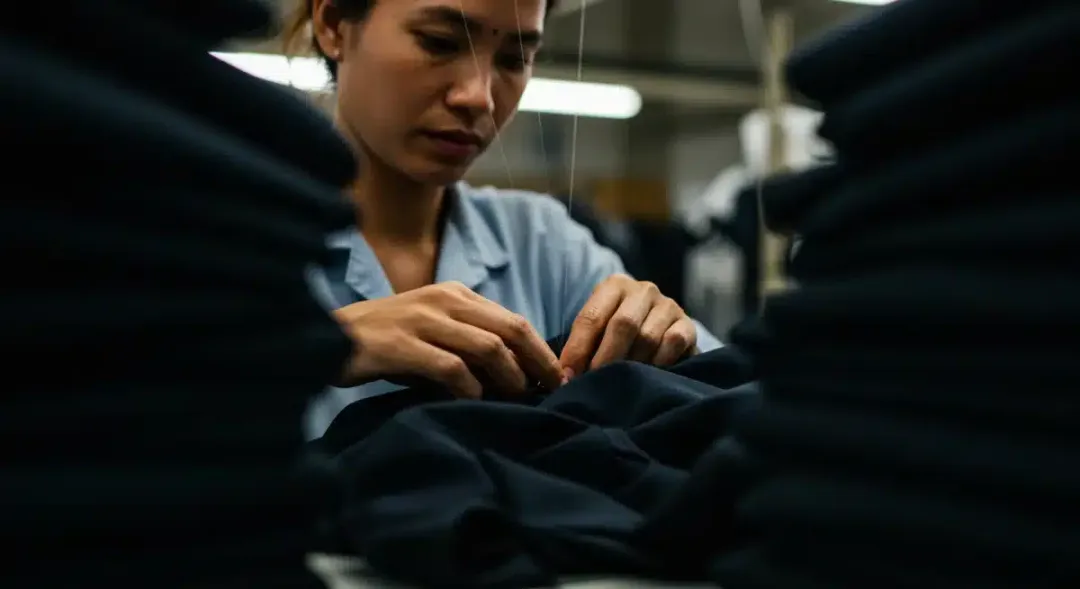
These exploitative practices are not isolated incidents but systemic issues embedded within the fast fashion business model. The demand for ever-cheaper clothing pushes suppliers to cut corners, leading to a race to the bottom where worker welfare is sacrificed for profit. Consumers, often unaware of these realities, unwittingly support a system that perpetuates suffering.
the ethical dilemma: consumer responsibility and awareness
In a world saturated with appealing advertisements and constant new arrivals, it can be challenging for consumers to fully grasp their role in perpetuating or alleviating the problems associated with fast fashion. However, individual choices, when aggregated, possess significant power to drive change within the industry.
The sheer accessibility and affordability of fast fashion make it an attractive option for many, yet this convenience often overshadows the profound ethical implications. Consumers are increasingly becoming aware of these issues, but translating that awareness into action requires conscious effort and a willingness to challenge established shopping habits.
making informed purchasing decisions
Educating oneself about the environmental and social impacts of clothing production is the first step towards responsible consumption. Understanding labels, researching brands, and prioritizing quality over quantity can significantly alter one’s purchasing behavior.
- Support Ethical Brands: Seek out brands that are transparent about their supply chains, use sustainable materials, and ensure fair wages and safe working conditions for their employees. Certifications like Fair Trade or GOTS can be indicators.
- Embrace Slow Fashion: Shift towards a mindset of buying fewer, higher-quality items that are designed to last. This reduces the demand for rapid production and minimizes textile waste.
- Repair and Repurpose: Extend the life of your clothes by repairing them when damaged, altering them to fit changing styles, or repurposing them into new items. This reduces the need for new purchases.
The ethical dilemma lies in balancing personal desire for trendy clothing with the moral imperative to support sustainable and fair practices. Every purchase is a vote for the kind of industry we want to support. By consciously choosing brands that prioritize people and the planet, consumers can exert pressure on fast fashion giants to adopt more responsible practices.
innovations and the future of sustainable fashion
Despite the grim realities of fast fashion, there is a growing movement towards sustainability and ethical practices within the industry. Innovations in materials, production methods, and business models are paving the way for a more responsible future, offering hope for mitigating the negative impacts.
The push for sustainable fashion is driven by a combination of consumer demand, technological advancements, and increasing regulatory pressure. Brands are beginning to recognize that sustainability is not just an ethical imperative but also a business opportunity, appealing to a growing segment of environmentally and socially conscious consumers.
breakthroughs in sustainable materials
The development of new, eco-friendly materials and processes is crucial for reducing fast fashion’s environmental footprint. These innovations aim to lessen reliance on virgin resources, minimize chemical use, and reduce waste.
- Recycled Fabrics: Utilizing recycled polyester from plastic bottles or regenerated cotton from textile waste reduces the need for new raw materials and diverts waste from landfills.
- Bio-based Materials: Research into innovative fibers made from sources like mushroom mycelium, algae, or pineapple leaves offers promising alternatives to traditional resource-intensive materials.
- Closed-Loop Systems: Designing garments for循环ity, where materials can be endlessly recycled and reused, aims to eliminate waste entirely from the production cycle, moving towards a circular economy model.
Beyond materials, advancements in manufacturing technologies, such as waterless dyeing techniques and 3D printing, are also contributing to a more sustainable future. These innovations minimize resource consumption and pollution, making production processes more efficient and environmentally benign. The future of fashion lies in embracing these changes and shifting towards a model that respects both people and the planet.
policy and industry responsibility: driving systemic change
While individual consumer choices are important, addressing the systemic issues of fast fashion requires broader action from governments, industry leaders, and international organizations. Policy interventions and corporate responsibility are crucial for driving large-scale, transformative change.
The complexity of the global fashion supply chain means that no single entity can solve the problem alone. Collaborative efforts, including stricter regulations, incentives for sustainable practices, and transparent reporting, are essential to create an industry that is both profitable and responsible.
regulatory frameworks and corporate accountability
Governments have a vital role to play in establishing and enforcing policies that promote ethical and sustainable practices. This includes setting standards for environmental protection, labor rights, and supply chain transparency.
- Extended Producer Responsibility (EPR): Implementing EPR schemes can hold fashion brands accountable for the entire lifecycle of their products, encouraging them to design for durability and recyclability.
- Transparency Laws: Mandating greater transparency in supply chains can help consumers and regulators identify and address issues like forced labor, unsafe conditions, and environmental violations.
- Incentives for Sustainability: Governments can offer tax breaks, grants, or other incentives to companies that invest in sustainable technologies, use eco-friendly materials, or adopt circular business models.
Industry leaders also bear a significant responsibility to move beyond greenwashing and genuinely commit to sustainable practices. This involves investing in ethical sourcing, fair wages, safe working environments, and innovative, environmentally sound production methods. True corporate accountability means prioritizing people and planet alongside profit. By working together, policymakers and industry can create a framework for a fashion industry that is truly sustainable and equitable.
| Key Impact Area | Brief Description |
|---|---|
| Environmental Degradation | Excessive resource consumption, microplastic pollution, and colossal textile waste in landfills. |
| Water Pollution | Discharge of toxic dyes and chemicals into waterways, harming ecosystems and human health. |
| Labor Exploitation | Low wages, unsafe conditions, and denial of basic rights for garment workers globally. |
| Consumer Responsibility | The power of informed purchasing choices to drive demand for ethical and sustainable brands. |
frequently asked questions about fast fashion’s impact
What is fast fashion, and why is it problematic?▼Fast fashion refers to the rapid production of inexpensive clothing in response to the latest trends. It’s problematic due to its massive environmental footprint, including excessive resource use and pollution, alongside severe social issues like labor exploitation and unsafe working conditions for garment workers globally.
How does fast fashion contribute to environmental pollution?▼Fast fashion contributes through high water consumption for fiber cultivation, microplastic shedding from synthetic fabrics polluting oceans, and vast textile waste filling landfills. Dyeing processes release toxic chemicals into waterways, severely impacting aquatic ecosystems and human health in affected communities.
What are the social costs associated with fast fashion?▼The social costs include exploitative labor practices, such as extremely low wages, long working hours, and unsafe factory conditions. Workers, often women and children, face health risks and suppression of their basic human rights, perpetuating cycles of poverty in many developing nations.
What can consumers do to combat the negative impacts of fast fashion?▼Consumers can make informed choices by supporting ethical brands, embracing slow fashion principles (buying less, buying quality), and extending the lifespan of their clothes through repair and repurposing. Researching brand transparency and certifications helps guide more responsible purchasing decisions.
Are there sustainable alternatives to fast fashion?▼Yes, numerous sustainable alternatives exist, including brands focusing on ethical production, fair trade, and organic materials. Innovations in recycled and bio-based fabrics, along with circular design principles, offer promising pathways towards a more environmentally and socially responsible fashion industry for the future.
conclusion
The intricate web of environmental degradation and social injustice woven by the fast fashion industry presents a formidable challenge. From the depletion of precious resources and the contamination of vital water sources to the exploitation of countless garment workers, the true cost of our clothing choices is far steeper than the price tag suggests. However, this understanding also empowers us. By fostering greater awareness, demanding transparency from brands, and consciously opting for more sustainable and ethical alternatives, consumers hold significant power to drive change. The future of fashion lies in a collective shift towards responsibility, where profit no longer trumps people or the planet, paving the way for an industry that is both stylish and sustainable.