
Ads
Understanding federal student loan forgiveness involves navigating various programs and their specific eligibility criteria, which is essential for borrowers seeking debt relief.
Navigating the complex world of student loans can often feel overwhelming, especially when considering the potential for relief. The concept of federal student loan forgiveness has become a beacon of hope for millions of Americans burdened by educational debt. This comprehensive guide aims to demystify the new application process and clarify the eligibility requirements, empowering you to explore the avenues available for reducing your financial obligations.
Understanding the Basics of Federal Student Loan Forgiveness
Federal student loan forgiveness is a program designed to alleviate the financial burden on borrowers under specific circumstances. It’s not a one-size-fits-all solution; rather, it encompasses various programs, each with its unique set of rules and qualifications. Understanding these foundational elements is the first step toward determining if you qualify for any relief.
The U.S. Department of Education oversees these programs, which are primarily aimed at supporting individuals in public service, those facing financial hardship, or those who have experienced issues with their educational institutions. Staying informed about the latest updates and changes to these programs is crucial, as policies can evolve over time, impacting eligibility and application procedures.
What is Loan Forgiveness?
Loan forgiveness means you are no longer required to repay some or all of your federal student loan debt. This is distinct from loan cancellation or discharge, though the terms are often used interchangeably. Forgiveness is typically granted after a period of qualifying payments or service, while discharge usually occurs due to unforeseen circumstances like disability or school closure.
- Reduced Financial Burden: Directly lowers or eliminates your outstanding loan balance.
- Program-Specific Criteria: Each forgiveness program has unique requirements.
- Not Automatic: Requires a formal application and approval process.
The primary goal of these programs is to incentivize certain career paths or provide a safety net for borrowers in challenging situations. Without a clear understanding, many eligible individuals might miss out on significant opportunities for financial relief.
Key Federal Student Loan Forgiveness Programs Explained
Several distinct federal student loan forgiveness programs exist, each targeting different borrower populations and circumstances. Knowing the specifics of each can help you identify which one might be most relevant to your situation. These programs have undergone various changes and reforms over the years, making it essential to consult official sources for the most current information.
Whether you’re a public servant, a teacher, or struggling to make ends meet, there’s likely a program designed with your circumstances in mind. The nuances of each program’s eligibility and application process are critical for successful enrollment and eventual forgiveness.

Public Service Loan Forgiveness (PSLF)
The PSLF program is designed to forgive the remaining balance on federal direct loans after borrowers have made 120 qualifying monthly payments while working full-time for a qualifying employer. This includes government organizations at any level (federal, state, local, or tribal) and not-for-profit organizations.
- Qualifying Employment: Government entities, 501(c)(3) non-profits, and certain other non-profits.
- Loan Type: Only federal direct loans are eligible. Other federal loans may become eligible after consolidation.
- Payment Requirement: 120 qualifying payments under an income-driven repayment plan.
The PSLF program has seen significant attention and reforms, including temporary waivers that allowed more payments to count towards the 120-payment requirement. These waivers have expanded eligibility for many, making it a more accessible pathway to forgiveness.
Income-Driven Repayment (IDR) Plan Forgiveness
IDR plans adjust your monthly loan payment based on your income and family size. After a certain period of payments (typically 20 or 25 years), any remaining balance on your federal student loans may be forgiven. There are several IDR plans, each with slightly different terms.
- Payment Period: 20 to 25 years of payments, depending on the plan.
- Remaining Balance: Forgiven after the specified payment period.
- Tax Implications: Forgiven amounts may be considered taxable income, though this has been subject to legislative changes.
Recent adjustments to IDR plans, including the new SAVE plan, aim to make payments more affordable and accelerate the path to forgiveness for many borrowers, especially those with lower incomes or smaller loan balances.
Eligibility Requirements: Who Qualifies for Forgiveness?
Eligibility for federal student loan forgiveness is not universal; it hinges on a specific set of criteria that vary by program. Understanding these prerequisites is paramount before embarking on the application journey. General requirements often include the type of loan, your employment, and your repayment history.
It’s crucial to meticulously review the requirements for each program you consider, as even minor discrepancies can affect your eligibility. Many programs also require ongoing certification of employment or income, so staying on top of administrative tasks is vital.
Loan Types and Status
The type of federal loan you have plays a significant role in determining your eligibility. Generally, only Direct Loans are eligible for most forgiveness programs. Other federal loans, such as FFEL Program loans or Perkins Loans, may need to be consolidated into a Direct Consolidation Loan to become eligible.
- Direct Loans: Most eligible for various forgiveness programs.
- FFEL and Perkins Loans: Often require consolidation into Direct Loans.
- Default Status: Loans in default generally need to be rehabilitated or consolidated to qualify.
Checking your loan type and status on the Federal Student Aid website is a critical first step. This information will guide you toward the appropriate forgiveness programs and help you understand any necessary preliminary steps, such as loan consolidation.
Employment and Service Criteria
For programs like PSLF, your employment plays a direct role in your eligibility. You must work full-time for a qualifying employer. This means working an average of at least 30 hours per week, or the number of hours your employer considers full-time, whichever is greater.
Certain professions, such as teaching in low-income schools or working as a healthcare provider in underserved areas, may also qualify for specific forgiveness programs. These programs often have their own unique service obligations and duration requirements.

The New Application Process: Step-by-Step Guide
The application process for federal student loan forgiveness can seem daunting, but breaking it down into manageable steps can simplify the journey. Recent changes aim to streamline this process, making it more accessible for borrowers. Understanding each stage is crucial for a successful application.
It’s important to gather all necessary documentation before you begin, as incomplete applications are a common cause of delays. Official websites and loan servicers are your best resources for up-to-date forms and instructions.
Gathering Required Documentation
Before you even begin filling out forms, compile all necessary documents. This typically includes:
- Federal Student Aid (FSA) ID: Essential for accessing your loan information online.
- Employment Verification: Proof of employment from qualifying employers (e.g., W-2 forms, employer certification forms).
- Income Information: Tax returns or other income documentation for IDR plan applications.
- Loan Account Statements: Records of your loan balances and payment history.
Having these documents readily available will significantly speed up the application process and reduce the likelihood of errors or delays. Always keep copies of everything you submit for your records.
Submitting Your Application
The method of application submission varies by program. Many applications can now be completed online through the Federal Student Aid website. For PSLF, you typically submit an Employer Certification Form annually or when you change employers, and then a final PSLF application after making 120 qualifying payments.
For IDR plan forgiveness, you’ll generally apply for an IDR plan, and then your loan servicer will track your qualifying payments. The forgiveness itself is typically automatic after the required payment period, but it’s wise to monitor your progress.
Always double-check that all fields are accurately filled out and that all required signatures are present before submitting. Mistakes here can lead to rejections or significant processing delays.
Navigating Common Challenges and Pitfalls
While federal student loan forgiveness offers significant relief, the path to obtaining it is not without its hurdles. Many borrowers encounter challenges, from understanding complex rules to dealing with administrative errors. Being aware of these potential pitfalls can help you proactively address them.
Staying persistent and organized, and knowing where to seek help, are key strategies for successfully navigating these challenges. Don’t hesitate to reach out to your loan servicer or the Department of Education for clarification.
Understanding Program Complexities
The intricate rules and frequent policy changes of forgiveness programs are a major source of confusion. For example, what counts as a ‘qualifying payment’ for PSLF has been a long-standing issue for many borrowers. Similarly, the tax implications of IDR forgiveness can be complex.
- Stay Informed: Regularly check official Department of Education and Federal Student Aid websites.
- Seek Clarification: Contact your loan servicer or a reputable financial advisor for specific questions.
- Document Everything: Keep meticulous records of all communications and submissions.
Many past issues have led to retroactive adjustments and waivers, benefiting borrowers who were previously denied. This underscores the importance of staying informed and advocating for your rights.
Avoiding Scams and Misinformation
Unfortunately, the promise of loan forgiveness has attracted numerous scam operations. These scams often promise immediate forgiveness for a fee or ask for sensitive personal information, which can lead to identity theft or financial loss. Always be wary of unsolicited offers.
Legitimate loan forgiveness programs do not charge fees for application or enrollment. Always verify the source of information and never share your FSA ID or other personal details with unverified entities. The Federal Student Aid website is the most reliable source for information.
Recent Updates and Future Outlook for Loan Forgiveness
The landscape of federal student loan forgiveness is continually evolving, with new policies and initiatives frequently introduced. Staying abreast of these changes is vital, as they can significantly impact your eligibility and the benefits you might receive. The current administration has prioritized student loan relief, leading to several key developments.
These updates often aim to address past shortcomings, expand eligibility, and streamline processes, reflecting an ongoing effort to make student loan debt more manageable for a wider range of borrowers. However, future policy changes are always possible, making continuous monitoring essential.
Key Policy Changes and Waivers
Recent years have seen substantial policy shifts, most notably the PSLF Limited Waiver and the IDR Account Adjustment. These initiatives have allowed millions of borrowers to count previously ineligible payments towards forgiveness, providing a much-needed lifeline.
- PSLF Limited Waiver: Temporarily allowed non-Direct Loan payments and payments made under non-qualifying plans to count.
- IDR Account Adjustment: Reviewed historical payment data for IDR plans, crediting borrowers with additional months towards forgiveness.
- New SAVE Plan: A new income-driven repayment plan offering lower monthly payments and a faster path to forgiveness for many.
These temporary measures have had a profound impact, demonstrating the government’s commitment to addressing the student debt crisis. However, it’s important to note that waivers typically have deadlines, so acting promptly is often necessary.
Potential Future Developments
The discussion around student loan forgiveness remains a prominent topic in national policy debates. While large-scale universal forgiveness has faced legal challenges, targeted forgiveness programs continue to be refined and expanded. Future developments could include further adjustments to IDR plans, new eligibility categories, or additional waivers.
Borrowers should remain engaged with official announcements from the Department of Education and the Federal Student Aid office. Advocacy groups and non-profit organizations also provide valuable insights and support, helping borrowers navigate potential changes and understand their rights.
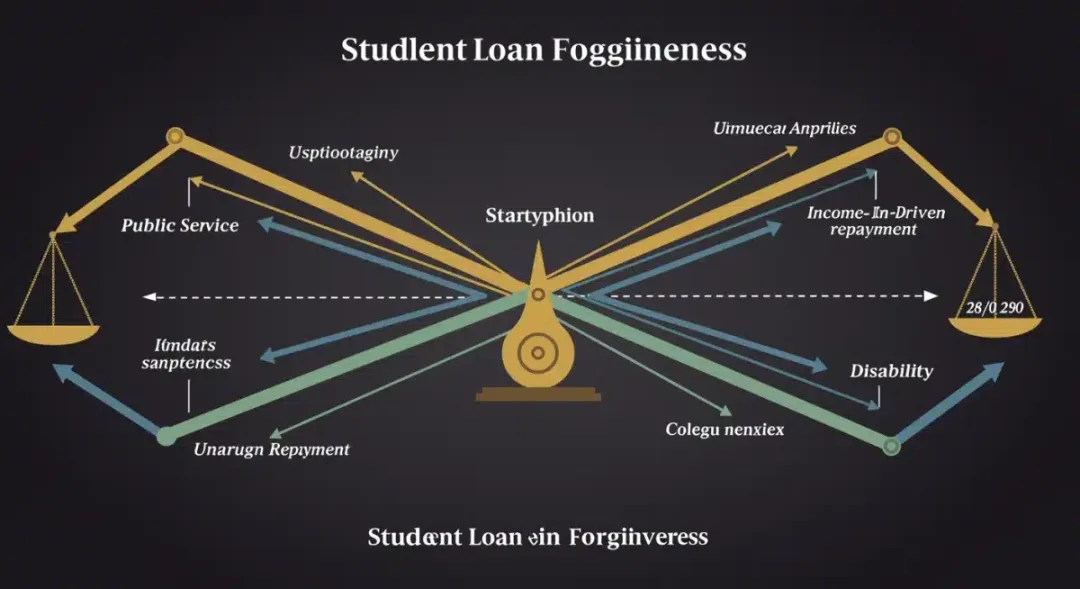
Maximizing Your Chances for Federal Student Loan Forgiveness
Successfully obtaining federal student loan forgiveness requires more than just meeting eligibility criteria; it demands proactive engagement, meticulous record-keeping, and strategic planning. By taking certain steps, you can significantly increase your likelihood of approval and avoid common pitfalls.
It’s about being informed, organized, and persistent. Don’t wait for forgiveness to come to you; actively pursue it by understanding the processes and staying on top of your responsibilities as a borrower.
Proactive Steps for Borrowers
One of the most important steps is to understand your current loan portfolio. Know your loan types, balances, and servicers. This information is readily available on the Federal Student Aid website by logging in with your FSA ID.
- Consolidate Loans if Necessary: If you have FFEL or Perkins loans, consider consolidating them into a Direct Consolidation Loan to become eligible for PSLF and some IDR benefits.
- Enroll in an IDR Plan: If you plan to pursue PSLF or IDR forgiveness, enrolling in an appropriate IDR plan is essential for qualifying payments.
- Certify Employment Annually: For PSLF, submit an Employer Certification Form every year, or whenever you change employers, to ensure your employment is recorded accurately.
Regularly reviewing your loan details and payment history can help you catch potential errors early and ensure you’re on track for forgiveness.
Seeking Professional Guidance
If the process feels too complex, or if you encounter unique challenges, don’t hesitate to seek professional guidance. Non-profit credit counseling agencies and financial aid advisors can offer personalized advice and help you navigate the nuances of forgiveness programs.
Be cautious of any service that charges a fee for information or services that are available for free from the Department of Education. Legitimate help focuses on education and guidance, not on quick fixes for a price.
| Key Point | Brief Description |
|---|---|
| Program Variety | Multiple federal forgiveness programs exist, each with specific criteria and target demographics. |
| Eligibility is Key | Loan type, employment, and repayment history are crucial factors for determining eligibility. |
| Application Process | Requires gathering documents, careful submission, and often ongoing certification. |
| Stay Informed | Policies change frequently; regularly consult official sources to avoid misinformation and scams. |
Frequently Asked Questions About Federal Student Loan Forgiveness
What is the Public Service Loan Forgiveness (PSLF) program?▼The PSLF program forgives the remaining balance on federal Direct Loans for borrowers who have made 120 qualifying monthly payments while working full-time for a qualifying government or non-profit organization. It requires specific loan types and repayment plans.
Are all federal student loans eligible for forgiveness?▼No, not all federal student loans are directly eligible. Typically, only Federal Direct Loans qualify for most forgiveness programs. Other federal loan types, like FFEL Program loans or Perkins Loans, often need to be consolidated into a Direct Consolidation Loan to become eligible.
What are Income-Driven Repayment (IDR) plans, and how do they lead to forgiveness?▼IDR plans adjust your monthly loan payments based on your income and family size, making them more affordable. After 20 or 25 years of qualifying payments, any remaining loan balance is forgiven. The new SAVE plan is an example of an IDR plan.
Is loan forgiveness taxable income?▼Historically, forgiven amounts under IDR plans could be considered taxable income. However, legislative changes have temporarily made certain types of federal student loan forgiveness tax-free through 2025. It’s crucial to consult a tax professional for current information.
How can I avoid student loan forgiveness scams?▼Always be skeptical of unsolicited offers promising quick forgiveness for a fee. Legitimate programs do not charge for applications. Only use official government websites (like studentaid.gov) and contact your loan servicer directly for accurate information and assistance.
Conclusion
The journey to understanding and potentially receiving federal student loan forgiveness is a testament to perseverance and informed decision-making. With various programs available, each designed to address specific borrower needs and circumstances, the opportunity for significant debt relief is within reach for many. It is imperative for borrowers to remain vigilant, consult official sources, and meticulously follow application procedures to navigate this complex landscape successfully. By staying informed about policy changes, understanding eligibility criteria, and proactively managing your loan obligations, you can unlock the potential for a more secure financial future, free from the burden of overwhelming student debt.