
Ads
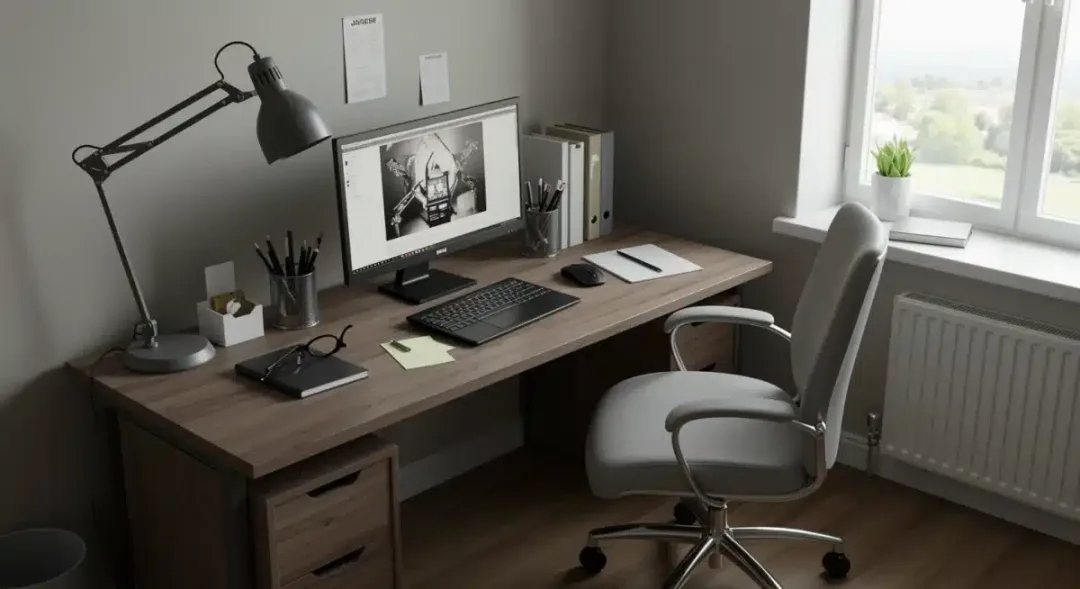
Transform your home office without breaking the bank by investing in ergonomic seating, smart desk organization, proper lighting, and essential tech accessories—all available for under $100.
Creating a productive home office doesn’t require a massive budget or a complete overhaul of your workspace. After spending countless hours researching and testing office gear, I’ve discovered that the most impactful changes often come from surprisingly affordable items. Whether you’re a remote worker, a freelancer, or someone who occasionally brings work home, the right essentials can transform how you feel and perform throughout the day. Home Office Essentials: 4 Productivity-Boosting Finds for Under $100 isn’t just about saving money—it’s about making smart, strategic choices that genuinely improve your workday experience. In this guide, I’ll walk you through four categories of must-have items that deliver real value without exceeding the $100 threshold per category.
1. Ergonomic Seating Solutions: The Foundation of Comfort
Your chair is arguably the most important piece of furniture in your home office. Spending eight hours a day in an uncomfortable seat doesn’t just cause immediate discomfort—it can lead to long-term back problems, reduced concentration, and decreased productivity. The good news is that you don’t need to spend hundreds of dollars to get a chair that supports your body properly.
Finding Quality Support Without the Premium Price Tag
When shopping for an ergonomic chair under $100, focus on these key features: adjustable lumbar support, breathable mesh or mesh-like material, adjustable armrests, and a sturdy base with smooth-rolling casters. Many budget-friendly options now include features that were once exclusive to premium brands. Look for chairs with a mesh back that promotes airflow—this is particularly important if you live in a warmer climate or tend to get warm while working.
- Adjustable lumbar support for lower back pain prevention
- Padded armrests that adjust in height and width
- Breathable mesh material for temperature regulation
- Weight capacity of at least 250 pounds for durability
- Height adjustment range to accommodate different desk heights
One common misconception is that all budget chairs are essentially the same. This simply isn’t true. Some manufacturers have perfected the art of delivering ergonomic features at accessible price points by streamlining their supply chains and focusing on the most critical comfort elements. Take the time to read reviews and, if possible, test chairs in stores before purchasing. Remember that your chair is an investment in your health—cutting corners here can cost you much more in medical bills down the line.

2. Desk Organization Essentials: Taming the Workspace Chaos
A cluttered desk leads to a cluttered mind. This isn’t just motivational fluff—it’s backed by psychological research showing that visual clutter competes for your attention and drains cognitive resources. Creating an organized workspace doesn’t require expensive organizers or elaborate storage systems. With some thoughtful additions, you can transform a chaotic desk into a productivity powerhouse.
Smart Storage Solutions for Every Budget
The best desk organizers are those that fit your specific workflow. Some people thrive with vertical file organizers, while others prefer drawer systems that keep supplies out of sight but within reach. Under-desk storage solutions like CPU holders and drawer units can dramatically improve your workspace efficiency without consuming valuable desk surface area.
- Desk drawer organizers for pens, sticky notes, and small gadgets
- Vertical file organizers for important documents and folders
- Cable management clips and sleeves to eliminate cord tangles
- Under-desk storage baskets or trays for rarely-used items
- Monitor stands with built-in storage compartments
Consider your daily workflow when selecting organizers. Do you frequently reference physical documents? A vertical file organizer near your dominant hand might be ideal. Do you use multiple devices? A cable management system becomes essential. The beauty of building your organization system piece by piece is that you can customize it exactly to your needs rather than forcing your workflow into a pre-made system that doesn’t quite fit.
3. Lighting for Productivity: Illuminating Your Best Work
Poor lighting is one of the most overlooked productivity killers in home offices. Whether you’re working late into the evening or dealing with a room with limited natural light, the right illumination can make or break your focus, eye comfort, and even your mood. Investing in proper task lighting is one of the quickest ways to upgrade your workspace without major renovation.
Choosing the Right Light for Your Work
LED desk lamps have become increasingly affordable while offering features that were once reserved for professional-grade equipment. Look for lamps with adjustable color temperature—this allows you to switch between cool white light for focused daytime work and warmer tones for evening sessions. Dimmable options are particularly valuable, as they let you fine-tune the lighting to match your task and time of day.
- Adjustable color temperature from warm to cool white light
- Dimmable settings for customizable brightness levels
- USB charging ports integrated into the lamp base
- Flexible neck or arm for directing light exactly where needed
- Energy-efficient LED bulbs with long lifespan
Position your task lighting to reduce glare on your monitor while illuminating your workspace evenly. The ideal setup places the light source to your left side if you’re right-handed (and vice versa), preventing shadows from falling across your work surface. If you share your office space with others, consider lamps with directed beams that won’t disturb your roommate or partner when they’re trying to focus on their own work.
4. Tech Accessories Under $100: The Digital Toolkit
Even the most beautifully organized and comfortable workspace won’t reach its full potential without the right tech accessories. The good news is that the market is flooded with affordable peripherals that perform admirably. From keyboards and mice to webcams and audio equipment, you can build a highly functional tech setup without exceeding your budget.
Essential Peripherals That Deliver Performance
A comfortable keyboard and mouse can dramatically improve your typing experience and reduce strain on your wrists and hands. Mechanical keyboards offer satisfying tactile feedback, but membrane keyboards are quieter and more affordable—ideal if you take frequent calls or share your space with others. Wireless options reduce cable clutter and offer more flexibility in positioning.
- Wireless keyboard and mouse combo for clean desk aesthetics
- USB hub or docking station for expanded connectivity
- Noise-canceling headphones for focused work and calls
- External webcam with HD resolution for clear video calls
- Desk pad or mousepad with adequate surface area
When selecting tech accessories, prioritize the items you use most frequently. If video calls are a daily staple, invest in a quality webcam and microphone. If you spend hours typing, a comfortable keyboard becomes essential. Building your tech toolkit strategically allows you to maximize impact while staying within budget.
5. Comfort and Focus Enhancers: Creating Your Productivity Zone
Beyond the basics of seating, organization, lighting, and tech, there are numerous smaller items that collectively create a workspace conducive to deep focus and sustained productivity. These comfort-focused additions might seem trivial individually, but together they significantly impact how long and effectively you can work.
Small Additions with Big Impact
Consider adding a footrest if your chair is at the wrong height relative to your desk—this promotes better posture and reduces leg fatigue. Wrist rests for your keyboard and mouse can prevent repetitive strain injuries during long work sessions. A small plant or two not only adds visual appeal but also improves air quality and provides a calming presence during stressful deadlines.
- Ergonomic footrest for improved posture and circulation
- Memory foam wrist rests for keyboard and mouse
- Blue light glasses to reduce eye strain from screens
- Small desk plants for improved air quality and aesthetics
- Desk organizer drawer for daily essentials within reach
The key is creating an environment where you genuinely want to spend time. When your workspace feels welcoming and tailored to your needs, transitions from leisure mode to work mode become smoother, and the barriers to starting productive sessions lower considerably.
6. Budget-Friendly Upgrades: Strategic Improvements Over Time
Building the perfect home office is rarely a one-time project. Instead, think of it as an ongoing process of refinement and improvement. By prioritizing strategically and making thoughtful purchases over time, you can create a professional-quality workspace without the stress of a massive upfront investment.
Building Your Setup Piece by Piece
Start with the essentials that directly impact your health and daily comfort: a supportive chair and proper task lighting. These form the foundation of a productive workspace. Next, address organization and cable management—these improvements immediately make your workspace feel more professional and intentional. Tech accessories can be added gradually as your needs evolve.
- Start with chair and lighting as priority purchases
- Add organization tools in month two or three
- Upgrade peripherals based on daily usage patterns
- Look for seasonal sales and bundle deals
- Consider refurbished items for premium features at lower costs
Keep an eye on holiday sales, especially around major shopping events, to snag premium items at significant discounts. Many retailers offer substantial markdowns on office furniture and electronics during Black Friday, Cyber Monday, and back-to-school seasons. Additionally, refurbished or open-box items from reputable sellers can offer tremendous value—these items are often inspected, certified, and warrantied just like new products.
7. Making the Most of Your Setup: Maximizing Your Investment
Having the right equipment is only half the battle. Understanding how to optimize your workspace for your specific work style and needs will determine whether your investment actually translates into improved productivity and wellbeing.
Optimizing Your Workspace for Peak Performance
Take time to properly adjust your chair height, monitor position, and keyboard angle. The ideal setup has your feet flat on the floor, your thighs parallel to the ground, and your arms at a 90-degree angle when typing. Your monitor should be at eye level, about an arm’s length away. These adjustments take just minutes but have profound effects on your comfort and long-term health.
- Position monitor at eye level and arm’s length away
- Adjust chair so feet rest flat on floor or footrest
- Keep frequently used items within arm’s reach
- Schedule regular breaks and movement throughout the day
- Personalize your space with items that inspire you
Remember that productivity isn’t just about working longer—it’s about working smarter. A well-designed workspace supports your cognitive function, protects your physical health, and creates an environment where deep focus becomes more accessible. The investment you make in your home office is ultimately an investment in your most valuable asset: your ability to do great work.
| Category | Key Benefits |
|---|---|
| Ergonomic Seating | Prevents back pain, improves posture, enhances focus during long work sessions |
| Desk Organization | Reduces visual clutter, minimizes distractions, improves cognitive function |
| Task Lighting | Reduces eye strain, supports circadian rhythm, improves mood and alertness |
| Tech Accessories | Enhances connectivity, improves communication, reduces physical strain |
Frequently Asked Questions
What are the most important home office essentials for productivity?▼The most critical home office essentials include an ergonomic chair with lumbar support, proper task lighting (preferably LED with adjustable color temperature), desk organization tools to minimize clutter, and essential tech peripherals like a quality keyboard and mouse. These foundational elements directly impact your comfort, focus, and ability to work effectively for extended periods.
Can I build a functional home office setup for under $100?▼Absolutely. While professional office setups can cost thousands, you can create a highly functional workspace for under $100 by focusing on the essentials: a quality ergonomic chair (often available under $100), basic desk organization tools, an LED desk lamp, and essential tech accessories. The key is prioritizing items that have the biggest impact on comfort and productivity rather than trying to buy everything at once.
How do I choose the right ergonomic chair on a budget?▼When selecting an ergonomic chair under $100, prioritize adjustable lumbar support, breathable mesh back, adjustable armrests, and a sturdy five-point base with smooth-rolling casters. Read reviews carefully, check the weight capacity, and if possible, test the chair in person. Remember that a good chair is an investment in your long-term health—choose quality over the lowest price.
What lighting is best for a home office?▼The best home office lighting combines ambient room light with focused task lighting. An adjustable LED desk lamp with variable color temperature is ideal—use cool white light (5000-6500K) for daytime focus and warmer tones (2700-3000K) for evening work to support your natural circadian rhythm. Position the lamp to your left or right to avoid shadows on your work surface while preventing monitor glare.
How often should I upgrade my home office equipment?▼The frequency of upgrades depends on your usage patterns and the quality of your current equipment. High-quality ergonomic chairs and tech peripherals typically last 3-5 years with daily use. However, you should reassess your setup whenever you experience discomfort, notice equipment wear, or your work requirements change. Building your setup gradually allows you to make targeted improvements based on actual needs rather than predicted ones.
Conclusion
Building a productive home office doesn’t require a massive budget or a complete workspace overhaul. By focusing on the four key areas covered in this guide—ergonomic seating, desk organization, proper lighting, and essential tech accessories—you can create a workspace that supports your health, enhances your focus, and genuinely makes you want to sit down and do great work. The best home office is one that evolves with your needs, built thoughtfully over time rather than purchased all at once. Start with the essentials that address your most pressing discomforts, then gradually add organization, lighting, and tech upgrades as your budget allows. Your future self—free from back pain, eye strain, and the frustration of a cluttered desk—will thank you for making these smart investments today.