
Ads
The new Infrastructure Bill is set to generate millions of jobs across diverse sectors in the United States over the next three years, reinforcing economic stability and modernizing critical national infrastructure.
The passage of the new Infrastructure Bill represents a monumental investment in America’s future, with profound implications for employment. Understanding the impact of the new Infrastructure Bill on job creation: projections for the next 3 years is crucial for businesses, workers, and policymakers alike. This landmark legislation aims to revitalize aging infrastructure, fostering a robust economic environment and generating a significant number of jobs across various sectors.
Understanding the Infrastructure Investment and Jobs Act
The Infrastructure Investment and Jobs Act (IIJA), often referred to simply as the Infrastructure Bill, is a bipartisan piece of legislation signed into law with the explicit goal of upgrading America’s infrastructure. This significant investment is designed to address decades of underfunding and neglect in crucial areas. It encompasses a wide array of projects, from repairing roads and bridges to expanding broadband internet access and modernizing public transit systems. The financial scope of the bill is vast, allocating hundreds of billions of dollars over several years.
The primary objective of the IIJA extends beyond mere repairs; it aims to build a more resilient and sustainable infrastructure network for the 21st century. This includes investments in clean energy technologies, climate resilience projects, and improvements to water infrastructure. By doing so, the bill seeks to enhance national competitiveness, improve public safety, and create a foundation for long-term economic prosperity. The ambitious nature of these goals naturally translates into substantial demand for labor across numerous industries.
A key aspect of the bill’s design is its focus on creating good-paying jobs, particularly within the skilled trades. It emphasizes the use of American-made materials and equipment, further stimulating domestic manufacturing. Moreover, the legislation includes provisions for workforce development and training programs, ensuring that American workers are equipped with the skills needed to fill these new roles. This holistic approach ensures that the benefits of the infrastructure investment are widely distributed and contribute to a stronger national workforce.
In essence, the Infrastructure Investment and Jobs Act is not just about concrete and steel; it’s about investing in human capital and revitalizing communities. Its comprehensive nature means that its effects will ripple through the economy, touching numerous sectors and creating a diverse range of employment opportunities. The scale of this investment positions it as a major catalyst for economic growth and job creation over the coming years, setting the stage for significant national development.
Direct Job Creation in Construction and Manufacturing
The most immediate and discernible impact of the Infrastructure Bill on job creation will be felt within the construction and manufacturing sectors. These industries are the backbone of any large-scale infrastructure endeavor, requiring a substantial workforce to execute the myriad projects outlined in the legislation. From building new bridges to laying fiber optic cables, the demand for skilled labor will surge significantly.

Roads, Bridges, and Transit Systems
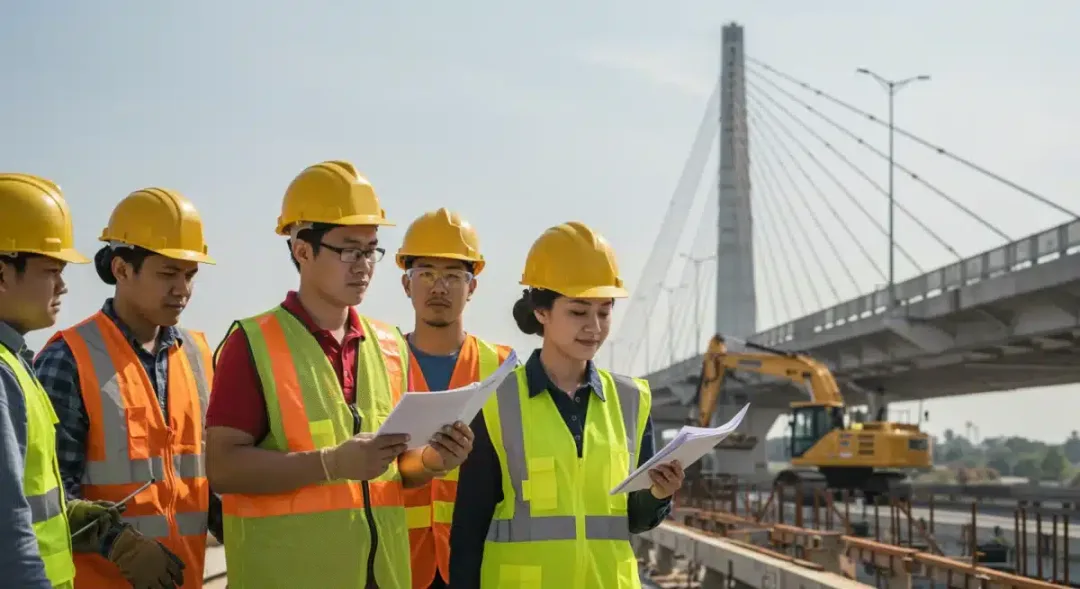
The bill allocates substantial funds for the repair and construction of highways, roads, and bridges. This will necessitate an influx of civil engineers, heavy equipment operators, construction laborers, and project managers. Public transit systems will also see significant upgrades, creating jobs for electricians, mechanics, and maintenance workers.
- Civil Engineers: Designing and overseeing complex infrastructure projects.
- Construction Laborers: Performing manual tasks, operating tools, and assisting skilled trades.
- Heavy Equipment Operators: Piloting excavators, bulldozers, and cranes on job sites.
- Project Managers: Coordinating teams, schedules, and budgets for large-scale developments.
The manufacturing sector will experience a parallel boom, as the demand for construction materials like steel, cement, and asphalt increases. Factories producing these materials will need to scale up their operations, leading to more jobs for production workers, quality control specialists, and logistics personnel. Furthermore, the emphasis on American-made goods within the bill will specifically benefit domestic manufacturers, strengthening local economies and supply chains.
Beyond traditional construction, specialized manufacturing roles will emerge for components related to smart infrastructure, such as advanced sensors for bridges or specialized equipment for renewable energy installations. This diversification of demand will foster innovation within the manufacturing sector and create new opportunities for workers with technical skills. The ripple effect extends to industries supplying these manufacturers, creating a broader ecosystem of job growth.
Ultimately, the direct job creation in construction and manufacturing forms the foundational layer of the bill’s economic impact. These roles are often well-paying and provide opportunities for career advancement, contributing to a stronger middle class. The sustained investment over the next three years ensures that these job opportunities will not be fleeting but will offer stable employment for many Americans.
Indirect Job Growth Across Supporting Industries
While direct jobs in construction and manufacturing are significant, the Infrastructure Bill’s influence extends far beyond these primary sectors, stimulating substantial indirect job growth. These indirect opportunities arise from the increased economic activity generated by infrastructure projects, creating a ripple effect throughout the economy.
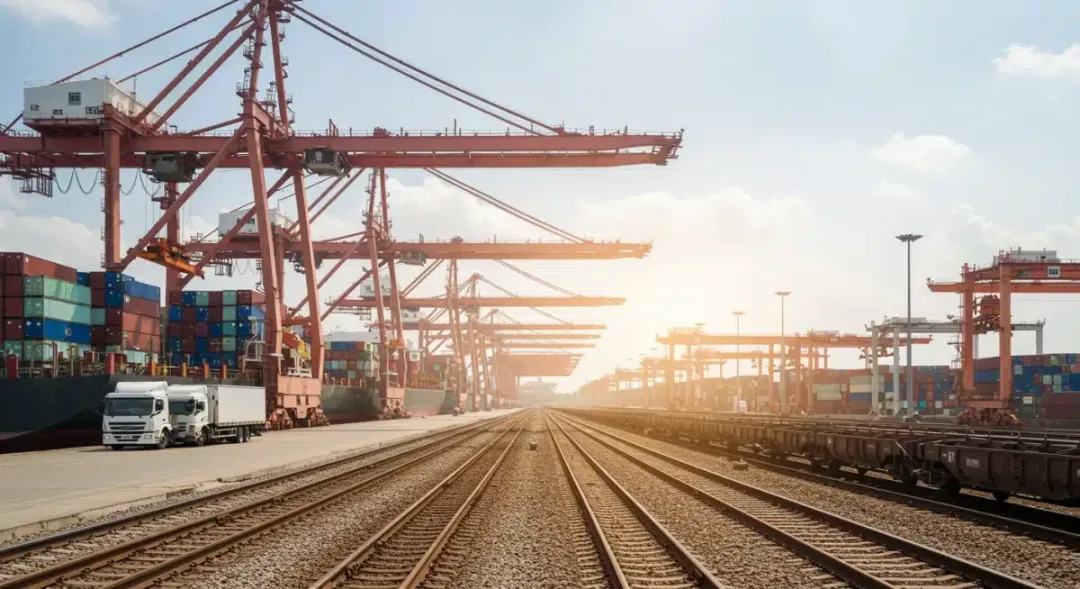
Consider the logistical and transportation sectors. As materials are moved to construction sites and completed infrastructure facilitates smoother commerce, there will be a heightened demand for truck drivers, railway workers, and warehouse personnel. Companies involved in freight and logistics will expand their operations, requiring more staff to manage complex supply chains. This interconnectedness ensures that investment in one area stimulates growth in others.
Professional and Technical Services
The planning, design, and oversight of massive infrastructure projects require extensive professional and technical services. This includes:
- Architects and Urban Planners: Designing new public spaces and integrated transit solutions.
- Environmental Scientists: Conducting impact assessments and ensuring sustainable practices.
- IT Specialists: Developing and maintaining smart infrastructure technologies and data systems.
- Financial Analysts: Managing project budgets, investments, and economic forecasting.
Moreover, the increased disposable income of workers directly employed by infrastructure projects will boost local economies. This leads to more jobs in retail, hospitality, and service industries as consumer spending rises. Small businesses, in particular, often benefit from this localized economic stimulus, creating a virtuous cycle of growth and employment. The demand for support services, such as equipment rental and maintenance, will also see a notable increase.
The revitalization of infrastructure also makes regions more attractive for new businesses and investments, leading to further job creation. Improved transportation networks, for instance, can reduce shipping costs and commute times, making areas more competitive for businesses seeking to relocate or expand. This long-term economic development is a crucial, albeit indirect, outcome of the Infrastructure Bill.
In conclusion, the indirect job growth spurred by the Infrastructure Bill is a testament to its comprehensive economic impact. By fostering a more efficient and modern national framework, the legislation creates a fertile ground for job creation in a diverse range of supporting industries, amplifying its overall benefits to the American workforce and economy.
Technological Advancements and Green Jobs Expansion
A significant component of the Infrastructure Bill is its forward-looking emphasis on technological integration and sustainable development. This focus is set to drive a substantial expansion in green jobs and roles demanding advanced technological skills. The modernization of infrastructure is not just about repairs; it’s about building smarter, more environmentally friendly systems for the future.
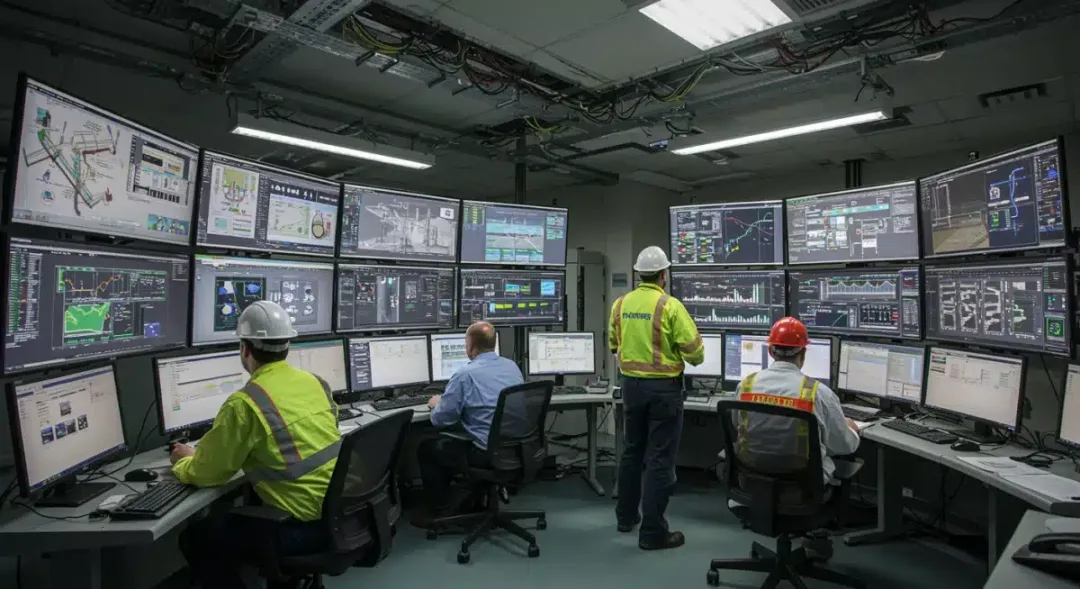
Investments in renewable energy infrastructure, such as solar farms, wind turbines, and smart grids, will create a plethora of new positions. These include engineers specializing in renewable energy, technicians for installation and maintenance, and research and development scientists. The bill’s commitment to climate resilience also means jobs in areas like coastal restoration, wildfire prevention, and improved water management systems, all requiring specialized environmental expertise.
Digital Infrastructure and Smart Cities
The expansion of broadband internet access across the nation is a central pillar of the bill, leading to a surge in demand for:
- Fiber Optic Technicians: Installing and maintaining high-speed internet networks.
- Network Engineers: Designing and optimizing digital communication systems.
- Cybersecurity Experts: Protecting critical infrastructure from digital threats.
- Data Scientists: Analyzing performance data for smart city initiatives.
Furthermore, the concept of ‘smart cities’ will gain traction, integrating advanced technology into urban planning and management. This involves implementing intelligent transportation systems, energy-efficient buildings, and digital public services. Such initiatives will require a workforce skilled in data analytics, artificial intelligence, and Internet of Things (IoT) technologies. The creation of these high-tech roles signifies a shift towards a more digitally-driven economy.
The push for electric vehicle (EV) charging infrastructure also opens up new avenues for employment. This includes jobs in manufacturing EV charging stations, installing them across the country, and developing the grid infrastructure to support increased electrical demand. These are not just technical roles but also involve project management, logistics, and customer service.
In summary, the Infrastructure Bill is a catalyst for a technological and environmental transformation, fostering a new generation of jobs that are both high-skilled and sustainable. These roles are critical for America’s future competitiveness and its ability to address global challenges like climate change, ensuring a robust and innovative workforce for decades to come.
Regional Economic Impacts and Workforce Development
The Infrastructure Bill is designed to have a broad and equitable impact across all regions of the United States, with specific attention to areas that have historically been underserved or have experienced economic decline. This regional focus is crucial for understanding the nuanced job creation effects and the concurrent need for comprehensive workforce development initiatives.
Rural areas, in particular, stand to benefit significantly from investments in broadband internet, improved roads, and water infrastructure. These projects can bridge the digital divide, enhance connectivity, and attract new businesses, thereby creating jobs in communities that desperately need them. Urban centers will see revitalization through upgraded public transit, modernized utilities, and new construction projects, leading to diverse employment opportunities within metropolitan areas.
Targeted Workforce Training Programs
Recognizing the potential skills gap, the bill emphasizes workforce development and training. This includes:
- Apprenticeship Programs: Providing on-the-job training for skilled trades like welding, plumbing, and electrical work.
- Community College Partnerships: Offering specialized courses and certifications aligned with infrastructure needs.
- Re-skilling Initiatives: Helping displaced workers acquire new skills for emerging green and tech jobs.
- Pre-Apprenticeship Programs: Preparing individuals from underrepresented communities for careers in construction and related fields.
These programs are vital for ensuring that Americans from all backgrounds can access the new job opportunities created by the bill. They aim to build a diverse and inclusive workforce, addressing historical inequities and providing pathways to stable, well-paying careers. The investment in human capital is as important as the investment in physical infrastructure.
The economic impact at the regional level will also manifest through increased tax revenues for local governments, which can then be reinvested into public services, education, and further community development. This creates a positive feedback loop, where infrastructure investment leads to job creation, which in turn strengthens local economies and improves quality of life.
Ultimately, the regional economic impacts and workforce development initiatives embedded within the Infrastructure Bill are crucial for maximizing its benefits. By tailoring investments and training to specific local needs, the legislation aims to foster widespread prosperity and build a more resilient and skilled American workforce for the challenges and opportunities of the future.
Long-Term Economic Benefits Beyond Job Numbers
While the immediate focus on job creation is paramount, the true value of the Infrastructure Bill extends to a multitude of long-term economic benefits that will shape the American landscape for decades. These advantages, though not always immediately quantifiable in terms of raw job numbers, are foundational for sustained prosperity and competitiveness.
Improved infrastructure significantly enhances productivity and efficiency across all sectors of the economy. Modernized transportation networks reduce shipping times and costs, allowing businesses to operate more profitably and pass savings on to consumers. Reliable broadband internet fosters innovation, supports remote work, and allows businesses to reach wider markets, driving economic growth in both urban and rural areas.
Increased Competitiveness and Investment
A nation with state-of-the-art infrastructure is inherently more attractive to domestic and international investors. Businesses are more likely to establish or expand operations in areas with:
- Efficient Logistics: Faster movement of goods and services.
- Reliable Utilities: Consistent power, water, and waste management.
- Skilled Workforce: Access to trained and capable employees.
- Digital Connectivity: Robust internet and communication networks.
This increased competitiveness leads to a virtuous cycle of further investment, business growth, and sustained job creation. The long-term economic benefits also include reduced maintenance costs for infrastructure over time, as new and improved systems are more durable and efficient than their aging predecessors. This frees up public funds for other critical investments.
Furthermore, the bill’s emphasis on climate resilience and clean energy will lead to a more sustainable economy, mitigating the financial risks associated with climate change and fostering new, green industries. This shift not only protects the environment but also creates a new segment of the economy with vast potential for innovation and growth, securing future jobs.
In essence, the long-term economic benefits of the Infrastructure Bill go beyond temporary employment boosts. They lay the groundwork for a stronger, more efficient, and more sustainable economy, ensuring that America remains a global leader and provides a high quality of life for its citizens for generations to come. The initial investment is a down payment on future prosperity.
Challenges and Considerations for the Next 3 Years
While the Infrastructure Bill promises significant job creation and economic benefits, its implementation over the next three years will not be without challenges. Addressing these considerations proactively will be crucial to maximizing the bill’s positive impact and ensuring its successful execution. Understanding potential hurdles allows for better planning and mitigation strategies.
One primary challenge revolves around the availability of a sufficiently skilled workforce. Despite the bill’s provisions for training, the sheer scale of the projects may outpace the current supply of skilled tradespeople, engineers, and technicians. This could lead to project delays and increased costs if not managed effectively through robust and rapid workforce development programs. Attracting new talent to these fields is critical.
Supply Chain and Inflationary Pressures
Another significant consideration is the potential for supply chain disruptions and inflationary pressures. Increased demand for construction materials, equipment, and labor could drive up prices, impacting project budgets and timelines. Global supply chain issues, as seen in recent years, could exacerbate these challenges, requiring innovative procurement and logistics strategies.
- Material Shortages: Scarcity of steel, lumber, and other key construction components.
- Labor Costs: Rising wages due to high demand and limited supply of skilled workers.
- Logistical Delays: Bottlenecks in transportation and delivery of essential goods.
- Project Overruns: Exceeding initial budget and timeline estimates due to unforeseen circumstances.
Bureaucratic hurdles and administrative complexities also pose a challenge. Coordinating projects across multiple federal, state, and local agencies can be time-consuming and inefficient. Streamlining permitting processes and fostering inter-agency cooperation will be essential to accelerate project delivery and avoid unnecessary delays that could impede job creation.
Finally, ensuring equitable distribution of benefits and preventing localized negative impacts is a continuous consideration. While the bill aims for broad regional impact, careful oversight is needed to ensure that projects genuinely benefit all communities, including disadvantaged ones, and do not inadvertently displace residents or harm local environments. Community engagement and transparent decision-making are vital.
Addressing these challenges effectively will require ongoing collaboration between government, industry, and educational institutions. Proactive planning, adaptive management, and a commitment to continuous improvement will be key to navigating the complexities and ensuring that the Infrastructure Bill delivers on its immense promise for job creation and economic renewal over the next three years.
| Key Impact Area | Brief Description of Job Creation |
|---|---|
| Construction & Manufacturing | Direct jobs in building roads, bridges, transit, and producing materials like steel and cement. |
| Green & Tech Jobs | Growth in renewable energy, smart grid, broadband expansion, and electric vehicle infrastructure roles. |
| Supporting Industries | Indirect jobs in logistics, professional services, retail, and hospitality due to increased economic activity. |
| Workforce Development | Creation of training programs and apprenticeships to fill new skilled labor demands. |
Frequently Asked Questions About Infrastructure Job Creation
What types of jobs will the Infrastructure Bill create?▼The Infrastructure Bill is expected to create a wide array of jobs, primarily in construction, manufacturing, and related supporting industries. This includes roles for civil engineers, construction laborers, heavy equipment operators, electricians, and project managers. Additionally, there will be significant growth in green jobs and tech-related positions, such as fiber optic technicians and renewable energy specialists.
How long will these job opportunities last?▼The Infrastructure Bill provides funding over several years, ensuring that job opportunities will be sustained for an extended period, particularly over the next three years as projects ramp up. Beyond direct construction, the long-term benefits of improved infrastructure are expected to stimulate continuous economic growth and indirect job creation for decades.
Will there be training available for these new jobs?▼Yes, the Infrastructure Bill includes provisions for workforce development and training programs. These initiatives aim to equip American workers with the necessary skills, including apprenticeships, community college partnerships, and re-skilling programs, to ensure a prepared and skilled workforce for the new roles created by the infrastructure investments.
Which regions of the U.S. will benefit most from job creation?▼The bill is designed to have a broad impact across all U.S. regions. Rural areas will benefit from broadband and utility upgrades, while urban centers will see transit and modernization projects. The aim is equitable distribution of job opportunities, with a focus on communities that have historically been underserved or are in need of economic revitalization.
What are the potential challenges to job creation from the bill?▼Potential challenges include a shortage of skilled labor, supply chain disruptions, and inflationary pressures on materials and wages. Bureaucratic complexities in project coordination and ensuring equitable distribution of benefits across all communities also represent significant considerations that need careful management for optimal job creation outcomes.
Conclusion
The Infrastructure Investment and Jobs Act stands as a pivotal moment for American economic development and job creation. Over the next three years, its multifaceted approach will not only rebuild and modernize critical national infrastructure but also catalyze a substantial and diverse range of employment opportunities. From direct roles in construction and manufacturing to the burgeoning fields of green technology and digital infrastructure, the bill promises to invigorate the workforce. While challenges such as labor shortages and supply chain issues will require diligent management, the long-term economic benefits—including enhanced productivity, increased competitiveness, and a more sustainable future—underscore the profound and lasting positive impact of this historic legislation on the American people.