
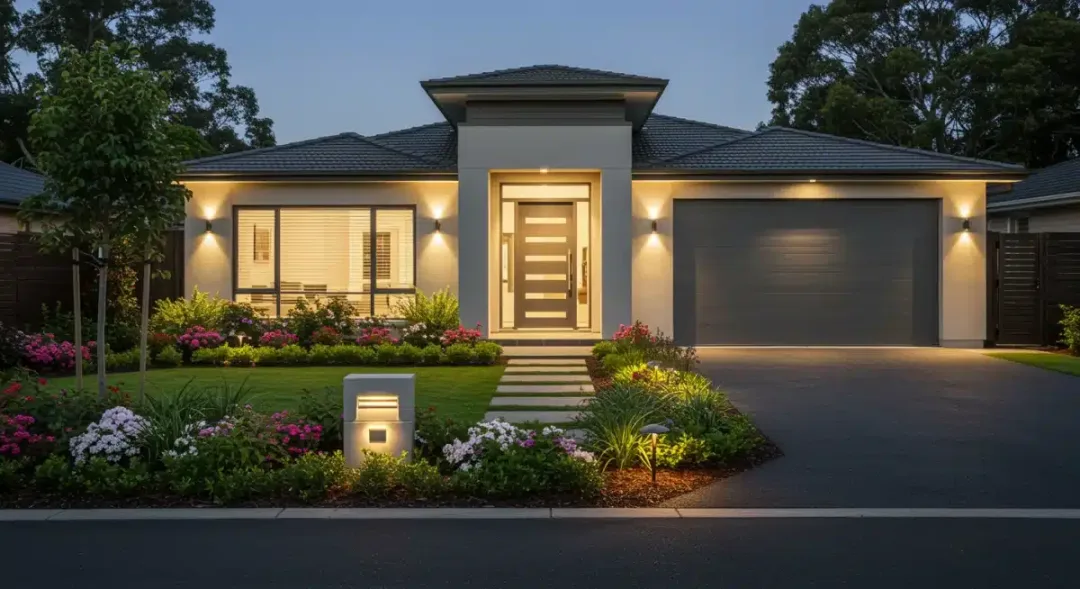
Ads
Strategic home upgrades in 2026, focusing on energy efficiency, smart technology, and modern aesthetics, are crucial for homeowners aiming to significantly boost their property’s market value and appeal.
Are you looking to enhance your property’s appeal and financial worth? In today’s dynamic real estate market, knowing how to strategically maximize your home’s value is more critical than ever. This comprehensive guide will walk you through the most impactful and intelligent upgrades for 2026, ensuring your investments yield significant returns.
Understanding the 2026 Real Estate Landscape
The real estate market is constantly evolving, with buyer preferences and technological advancements shaping what constitutes a ‘valuable’ home. As we look towards 2026, certain trends are becoming increasingly prominent, influencing which upgrades offer the best return on investment. Homeowners must stay informed about these shifts to make savvy decisions that align with future market demands.
Economic indicators, interest rates, and demographic shifts all play a role in determining property values. Adapting your home to meet these changing external factors is key to staying competitive. A proactive approach to home improvements, guided by current and future market insights, can significantly elevate your property’s standing.
Key Market Drivers for Home Value in 2026
- Sustainability and Energy Efficiency: Buyers are increasingly prioritizing homes that offer lower utility costs and a reduced environmental footprint.
- Smart Home Integration: Technology that enhances convenience, security, and efficiency is no longer a luxury but an expectation for many buyers.
- Health and Wellness Features: Features promoting well-being, such as air purification systems and dedicated home gym spaces, are gaining traction.
- Adaptable Living Spaces: Flexible layouts that can accommodate remote work, multi-generational living, or evolving family needs are highly sought after.
Understanding these drivers allows homeowners to focus their efforts on upgrades that resonate with the modern buyer. It’s not just about aesthetics anymore; it’s about functionality, sustainability, and intelligent living. Investing in these areas will yield the most substantial gains when it comes time to sell.
High-Impact Kitchen and Bathroom Renovations
Kitchens and bathrooms consistently rank as the rooms with the highest return on investment (ROI) for renovations. In 2026, buyers are looking for spaces that are not only aesthetically pleasing but also highly functional, durable, and equipped with modern conveniences. These rooms are often the deciding factor for potential buyers, making strategic updates here paramount for those looking to maximize home value.
Focusing on quality materials, timeless design, and smart storage solutions can transform these areas from mere utilitarian spaces into true highlights of your home. A well-executed renovation in these key areas can dramatically increase your property’s perceived value and attract a wider range of interested buyers.
Modern Kitchen Upgrades for 2026
The kitchen is often considered the heart of the home, and its appeal can make or break a sale. For 2026, consider upgrades that blend contemporary design with practical innovation.
- Smart Appliances: Wi-Fi enabled ovens, refrigerators, and dishwashers offer convenience and efficiency that today’s buyers appreciate.
- Durable Countertops: Quartz, granite, or solid surface materials are highly desirable for their longevity and aesthetic appeal.
- Efficient Layouts: Open-concept designs that connect the kitchen to living areas remain popular, promoting social interaction.
- Ample Storage: Custom cabinetry, pantry solutions, and clever storage hacks are essential for a clutter-free and organized space.
Beyond the major components, consider smaller details like updated fixtures, energy-efficient lighting, and fresh paint. These seemingly minor changes can collectively create a cohesive and inviting atmosphere that significantly enhances the kitchen’s overall impression and helps to maximize your home’s value.
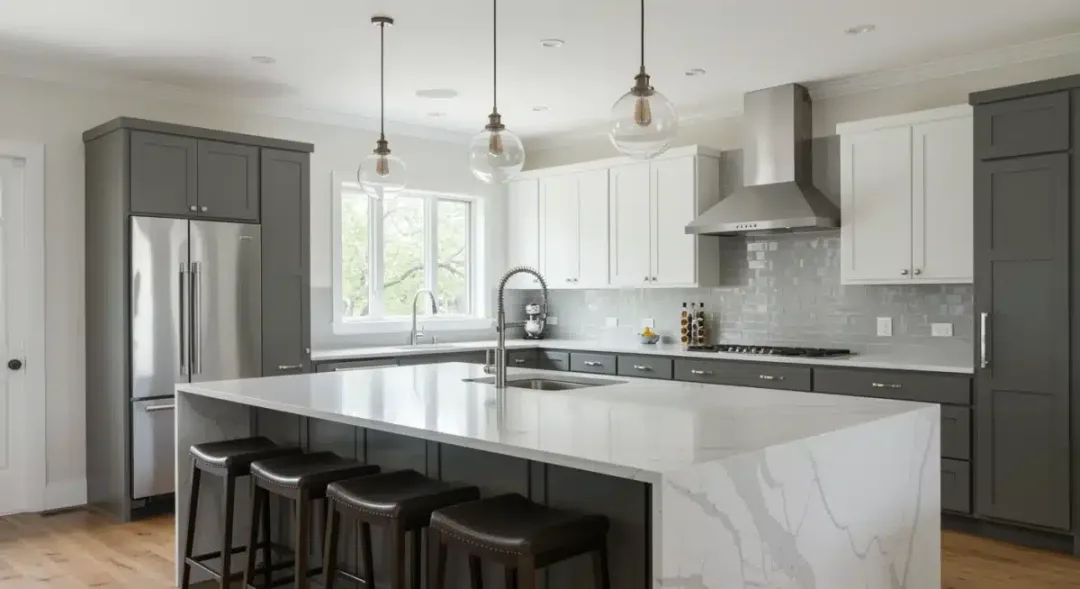
Bathroom Enhancements that Pay Off
Bathrooms, much like kitchens, are critical areas for value-adding renovations. Buyers are seeking spa-like retreats that offer comfort, cleanliness, and modern features. Prioritize upgrades that improve both the functionality and the luxurious feel of these spaces.
Consider replacing outdated fixtures with contemporary, water-saving options. A new vanity with ample storage, a well-lit mirror, and updated flooring can dramatically refresh the look of a bathroom. Walk-in showers with frameless glass enclosures continue to be a highly sought-after feature, offering both accessibility and a modern aesthetic.
For smaller bathrooms, maximizing space with clever storage solutions and wall-mounted fixtures can make a significant difference. Even a fresh coat of paint and new towels can create a more inviting atmosphere. The goal is to create a clean, modern, and efficient bathroom that appeals to a broad range of tastes, contributing positively to your efforts to maximize home value.
Embracing Energy Efficiency and Smart Home Technology
In 2026, energy efficiency and smart home technology are no longer niche features; they are mainstream expectations that significantly influence buyer decisions and property valuations. Homeowners looking to maximize their home’s value should prioritize upgrades that reduce utility costs and enhance convenience and security. These improvements not only offer immediate benefits in terms of comfort and savings but also position your home favorably in a competitive market.

The integration of smart systems and energy-saving solutions demonstrates a forward-thinking approach to homeownership, appealing to environmentally conscious buyers and those seeking a modern, streamlined lifestyle. Investing in these areas is a powerful way to future-proof your property and ensure its long-term appeal.
Top Energy-Efficient Upgrades
Reducing energy consumption is a major draw for today’s buyers, offering long-term savings and environmental benefits. Focus on upgrades that provide a clear return on investment through lower utility bills.
- High-Efficiency Windows: Double or triple-pane windows with low-emissivity coatings can drastically reduce heat loss and gain.
- Improved Insulation: Upgrading attic, wall, and crawl space insulation ensures consistent indoor temperatures and reduces HVAC strain.
- Energy-Star Appliances: Replacing old appliances with Energy Star certified models can lead to substantial reductions in electricity and water usage.
- Solar Panels: While a larger investment, solar power systems can significantly cut electricity costs and may qualify for tax incentives, making your home highly attractive.
Beyond these major upgrades, consider smaller changes like LED lighting throughout the home and smart thermostats. These incremental improvements collectively contribute to a more energy-efficient property, a key factor in how buyers perceive value in 2026.
Integrating Smart Home Systems
Smart home technology offers unparalleled convenience, security, and energy management. Buyers are increasingly looking for homes that are already equipped with these modern amenities, making them essential for a competitive edge.
Start with a central hub that can control various devices. Smart thermostats, like Nest or Ecobee, learn your preferences and optimize energy use. Smart lighting systems allow for remote control and mood setting. Security systems with smart locks, video doorbells, and surveillance cameras provide peace of mind and are highly desirable.
Consider smart irrigation systems that optimize water usage for landscaping, or smart plugs that allow control over non-smart devices. The goal is to create an interconnected home that simplifies daily life and offers advanced functionalities, boosting both appeal and the ability to maximize your home’s value.
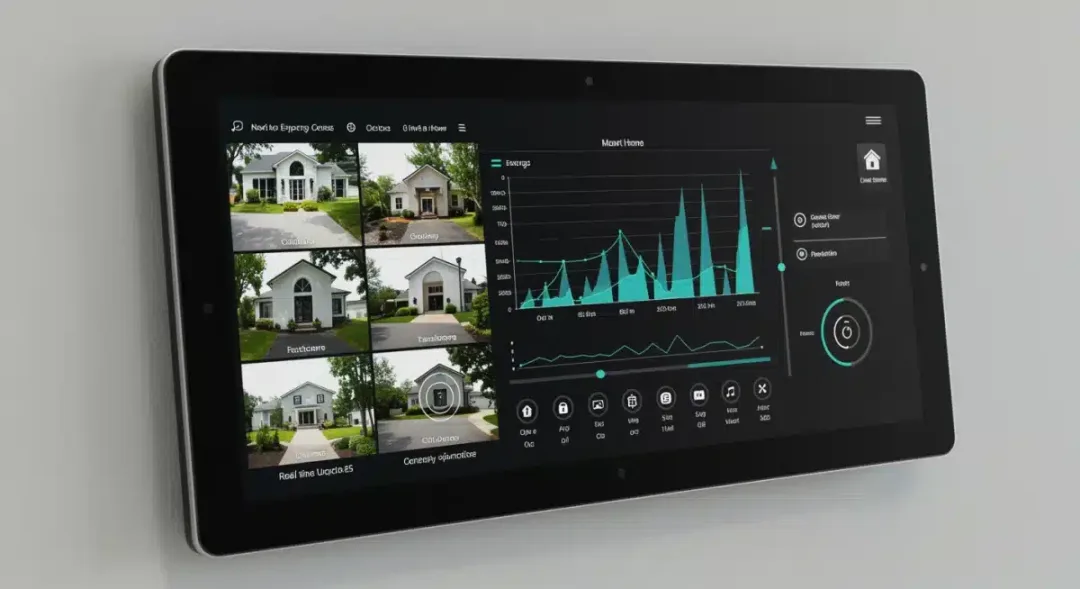
Enhancing Curb Appeal and Outdoor Living Spaces
First impressions are lasting, and a home’s exterior and outdoor spaces play a crucial role in attracting potential buyers and setting a positive tone. In 2026, enhancing curb appeal and creating functional, inviting outdoor living areas are vital strategies to maximize your home’s value. These improvements signal pride of ownership and offer additional usable space, making your property stand out from the competition.
Thoughtful landscaping, a well-maintained exterior, and appealing outdoor amenities can significantly increase a home’s perceived worth. It’s about creating an inviting environment that extends beyond the interior walls, offering lifestyle benefits that resonate with modern buyers.
Boosting Your Home’s Curb Appeal
Curb appeal extends beyond just a fresh coat of paint. It encompasses everything a potential buyer sees when they first approach your property. Focus on improvements that create a welcoming and well-cared-for exterior.
- Professional Landscaping: Well-maintained lawns, attractive plantings, and defined garden beds create a polished look.
- Exterior Paint or Siding: A fresh, modern color scheme or updated siding can dramatically improve the home’s overall aesthetic.
- Entryway Enhancements: A new front door, updated lighting fixtures, and a welcoming porch area make a strong first impression.
- Driveway and Walkways: Repairing cracks, repaving, or adding decorative pavers can significantly improve the approach to your home.
Don’t underestimate the power of small details like clean windows, polished hardware, and neatly trimmed hedges. These elements contribute to an overall sense of care and quality, making your home more attractive and signaling that the interior is likely just as well-maintained.
Creating Desirable Outdoor Living Areas
With an increasing desire for outdoor entertainment and relaxation, well-designed outdoor living spaces are highly valued. These areas effectively extend the usable square footage of your home, offering a return on investment that goes beyond mere aesthetics.
Consider adding a deck or patio if you don’t already have one, or upgrading an existing one with new materials and features. Outdoor kitchens, fire pits, and comfortable seating areas transform a backyard into an extension of the home. Even simpler additions like a pergola, attractive outdoor lighting, or a designated garden space can greatly enhance appeal.
Ensure these spaces are well-integrated with the home’s interior, creating a seamless flow between indoor and outdoor living. Privacy, comfort, and functionality are key considerations. A thoughtfully designed outdoor oasis can be a significant selling point, making your home more desirable and helping to maximize your home’s value.
Structural and Infrastructure Upgrades for Long-Term Value
While visible aesthetic improvements often capture immediate attention, investing in structural and infrastructure upgrades provides foundational value that can significantly impact a home’s longevity, safety, and operational efficiency. These are the less glamorous but equally crucial improvements that assure buyers of a sound and well-maintained property. Addressing these core elements can prevent future headaches and costly repairs, thus safeguarding and enhancing your investment.
Buyers in 2026 are increasingly savvier about the underlying condition of a home. Demonstrating that you’ve invested in critical systems can instill confidence and justify a higher asking price. These upgrades might not offer the immediate visual gratification of a new kitchen, but their long-term impact on value and buyer trust is undeniable.
Essential Infrastructure Improvements
Focus on systems that are vital to the home’s function and safety. Outdated or failing infrastructure can be a major deterrent for buyers and lead to significant negotiation leverage.
- Roof Replacement: A new roof provides peace of mind, protects against leaks, and can improve energy efficiency. It’s often a major selling point.
- HVAC System Upgrade: Replacing an old, inefficient heating, ventilation, and air conditioning system with a modern, high-efficiency unit offers comfort and lower energy bills.
- Electrical Panel Upgrade: Modern homes demand more power. An upgraded electrical panel ensures safety and supports contemporary appliances and smart home tech.
- Plumbing System Overhaul: Replacing old galvanized pipes or addressing persistent plumbing issues can prevent leaks, improve water pressure, and reduce maintenance concerns.
These upgrades, while costly upfront, are often necessary investments that prevent larger problems down the line. They demonstrate to buyers that the home has been meticulously cared for, adding a layer of trust and reliability that contributes significantly to its overall market value.
Foundation and Structural Integrity
The foundation is literally the bedrock of your home. Any issues here can be a significant red flag for buyers. Addressing these problems proactively is crucial for both safety and value.
Look for signs of foundation cracks, uneven floors, or doors and windows that stick. Consulting with a structural engineer to assess and repair any foundation issues is a worthwhile investment. Similarly, ensuring the structural integrity of decks, porches, and load-bearing walls is paramount.
Water management around the foundation, such as ensuring proper drainage and gutter systems, also falls under structural maintenance. Preventing water intrusion can avert costly damage and maintain the structural health of your home. These often-overlooked areas are critical for long-term value and buyer confidence, helping to maximize your home’s value effectively.
Maximizing Space and Functionality
In the evolving real estate market of 2026, buyers are increasingly valuing homes that offer flexible, efficient, and well-utilized spaces. Gone are the days when simply having more square footage was enough; now, it’s about how that space is designed and functions to support modern lifestyles. Homeowners looking to maximize their home’s value should consider how they can optimize existing layouts and potentially add functional square footage without undertaking massive, costly expansions.
The goal is to create a home that feels spacious, organized, and adaptable to various needs, from remote work to entertaining. Thoughtful modifications can significantly enhance a home’s appeal and perceived value, making it more attractive to a broader range of potential buyers.
Optimizing Existing Layouts
Sometimes, the most impactful changes don’t involve adding new space but rather making better use of what’s already there. Reconfiguring existing rooms can dramatically improve flow and functionality.
- Open-Concept Living: While not for every home, carefully opening up living, dining, and kitchen areas can create a more spacious and contemporary feel.
- Dedicated Workspaces: With the rise of remote work, converting a spare room, a closet, or even a corner into a functional home office is highly desirable.
- Multi-Purpose Rooms: Designing rooms that can serve different functions (e.g., a guest room that doubles as a gym or craft space) appeals to diverse buyer needs.
- Improved Storage Solutions: Built-in shelving, custom closets, and efficient pantry systems help declutter and make a home feel larger and more organized.
Consider the natural light and sightlines within your home. Removing non-load-bearing walls or adding interior windows can enhance brightness and create a more open atmosphere. These strategic adjustments can make an existing home feel significantly more modern and spacious without the expense of an addition.
Adding Functional Square Footage
When expanding, focus on additions that offer high utility and integrate seamlessly with the existing structure. Not all square footage is created equal; functional, well-designed space is key.
Finishing a basement or attic can be a cost-effective way to add bedrooms, bathrooms, or recreational areas. These spaces are often underutilized but can provide significant value when properly insulated, waterproofed, and finished to a high standard. Ensure any additions comply with local building codes and permits.
Converting a garage into a living space, such as a home office, gym, or even an accessory dwelling unit (ADU), can also be a strong value enhancer, particularly in areas with high housing demand. However, carefully weigh the loss of garage parking against the potential gain in living space. The key is to add space that genuinely enhances the home’s functionality and aligns with buyer expectations in 2026, ultimately helping to maximize your home’s value.
Strategic Financial Planning for Home Upgrades
Embarking on home upgrades to maximize value requires not just a vision for improvement, but also astute financial planning. Without a clear budget and understanding of funding options, even the most promising renovations can become a source of stress rather than an investment. In 2026, homeowners should approach renovations with a strategic financial mindset, carefully evaluating costs, potential returns, and available financing to ensure their efforts are both effective and sustainable.
It’s crucial to distinguish between upgrades that offer a high return on investment and those that are primarily for personal enjoyment. While both have their place, those focused on increasing market value require a more calculated financial approach. Proper planning ensures you allocate resources wisely and avoid overcapitalizing on your property.
Budgeting and ROI Considerations
Before any hammer swings, establish a realistic budget. Research the average costs for your desired upgrades in your local market and always include a contingency fund of 10-20% for unforeseen expenses. Understanding the potential return on investment (ROI) for each project is paramount.
- Research Local Market: What are similar homes in your area selling for, and what features do they boast? This helps set realistic expectations for value increases.
- Prioritize High-ROI Projects: Focus on kitchen and bathroom remodels, curb appeal enhancements, and energy-efficient upgrades, which historically offer strong returns.
- Avoid Over-Improving: Ensure your upgrades are in line with neighborhood standards. Over-improving can lead to diminishing returns if your home becomes significantly more expensive than comparable properties.
- Track Expenses: Keep meticulous records of all renovation costs for budgeting and potential tax implications.
A well-planned budget, coupled with a keen eye on ROI, prevents financial strain and ensures that your upgrades are truly investments rather than mere expenses. This disciplined approach is essential for any homeowner looking to maximize their home’s value effectively.
Financing Your Home Improvements
Funding your renovations doesn’t have to deplete your savings. Several financing options are available, each with its own advantages and considerations. Choose the option that best fits your financial situation and the scope of your projects.
Home equity lines of credit (HELOCs) and home equity loans are popular choices, allowing you to borrow against the equity you’ve built in your home, often at favorable interest rates. Personal loans can be an option for smaller projects, though they typically come with higher interest rates. Some government programs or energy-efficiency loans may be available for specific types of green upgrades.
Credit cards might be suitable for very small, short-term expenses, but their high-interest rates make them less ideal for significant renovations. Always compare interest rates, repayment terms, and fees across different lenders before committing. Selecting the right financing strategy is a critical component of a successful home upgrade plan, allowing you to make impactful changes without undue financial burden.
| Key Upgrade Area | Value Enhancement |
|---|---|
| Kitchen & Bath Remodel | Highest ROI, appeals to modern buyer aesthetics and functionality. |
| Energy Efficiency | Reduces utility costs, attracts environmentally conscious buyers. |
| Smart Home Tech | Enhances convenience, security, and modern living appeal. |
| Curb Appeal & Outdoors | Creates strong first impressions and expands usable living space. |
Frequently Asked Questions About Home Upgrades
Which home upgrades offer the best return on investment in 2026?▼For 2026, kitchen and bathroom renovations, energy-efficient upgrades (like new windows or solar panels), smart home technology integration, and enhancing curb appeal consistently provide the highest ROI. These improvements align with current buyer preferences for modern, efficient, and convenient living spaces.
How do energy efficiency upgrades impact home value?▼Energy efficiency upgrades significantly boost home value by reducing utility costs for future owners and appealing to environmentally conscious buyers. Features like high-efficiency windows, improved insulation, and solar panels are highly attractive, demonstrating long-term savings and a commitment to sustainability.
Is smart home technology a necessary upgrade to maximize home value?▼Yes, in 2026, smart home technology is increasingly becoming a standard expectation for buyers. Integrating smart thermostats, lighting, security systems, and smart appliances enhances convenience, security, and energy management, significantly increasing a home’s appeal and market competitiveness.
What are some cost-effective ways to improve curb appeal?▼Cost-effective ways to improve curb appeal include professional landscaping (or DIY gardening), a fresh coat of exterior paint, updating your front door or adding a new one, and enhancing outdoor lighting. These visible improvements create a strong first impression without requiring extensive financial outlay.
Should I focus on structural or aesthetic upgrades first?▼It’s generally advisable to prioritize structural and infrastructure upgrades first. Addressing issues like roofing, HVAC systems, electrical panels, or plumbing ensures the home’s safety and longevity. While less visible, these foundational improvements prevent major problems and provide a solid base for any subsequent aesthetic enhancements.
Conclusion
As the real estate market continues to evolve, strategically planning your home upgrades for 2026 is paramount to maximizing your property’s value. By focusing on high-impact renovations in kitchens and bathrooms, embracing energy efficiency and smart home technology, enhancing curb appeal, and ensuring sound structural integrity, homeowners can make informed decisions that yield significant returns. Remember, thoughtful financial planning and an understanding of current buyer preferences are key to transforming your house into a highly desirable asset, ensuring your investments contribute positively to its market appeal and long-term worth.