

Ads
The best tech tools for remote work in 2026 integrate AI, automation, and advanced collaboration features to significantly enhance productivity, streamline workflows, and foster seamless team communication for distributed teams.
As the landscape of work continues its rapid evolution, driven by technological advancements and shifting global dynamics, the ability to thrive in a remote environment has become paramount. To truly maximize your productivity: top 5 tech tools for remote work in 2026 are no longer just conveniences but essential arsenals for success. This article delves into the cutting-edge solutions poised to redefine efficiency for distributed teams.
The evolving landscape of remote work and productivity
The remote work paradigm has shifted dramatically over the past few years, moving from a temporary solution to a foundational element of how many businesses operate. This sustained growth brings new challenges, particularly in maintaining and enhancing productivity outside of traditional office settings. Organizations and individuals are constantly seeking innovative ways to optimize their workflows, streamline communication, and ensure that geographical distances do not hinder progress.
The year 2026 promises even more sophisticated tools that leverage artificial intelligence, advanced automation, and seamless integration to create a truly connected and efficient remote workspace. Understanding these tools and their potential impact is crucial for anyone looking to stay ahead in the competitive global market. The focus is no longer just on basic connectivity but on creating an immersive and highly productive digital environment.
The rise of AI-powered assistants
AI-powered assistants are becoming indispensable for managing daily tasks and reducing cognitive load. These tools can handle scheduling, email prioritization, and even draft responses, freeing up valuable time for more strategic work. Their ability to learn from user patterns means they become more effective over time, making them a significant asset for remote professionals.

- Automated scheduling and calendar management.
- Intelligent email sorting and response suggestions.
- Personalized task management and reminders.
- Data analysis for performance insights.
The integration of these assistants into broader productivity suites means that they are not isolated tools but integral parts of a cohesive digital ecosystem. This deep integration allows for a level of automation and intelligence that was once the stuff of science fiction, making the remote work experience smoother and far more efficient.
Next-generation project management platforms
Project management in a remote setting demands tools that offer unparalleled transparency, flexibility, and collaborative capabilities. The platforms of 2026 are moving beyond simple task lists, incorporating features that anticipate needs, automate routine updates, and provide real-time insights into project health. These advanced systems are designed to keep every team member aligned, regardless of their location or time zone.
The complexity of modern projects requires a robust framework that can handle dynamic changes, intricate dependencies, and diverse team contributions. The best platforms offer intuitive interfaces that reduce the learning curve, allowing teams to focus on execution rather than navigating cumbersome software. They also emphasize visual representations of progress, making it easier to identify bottlenecks and allocate resources effectively.
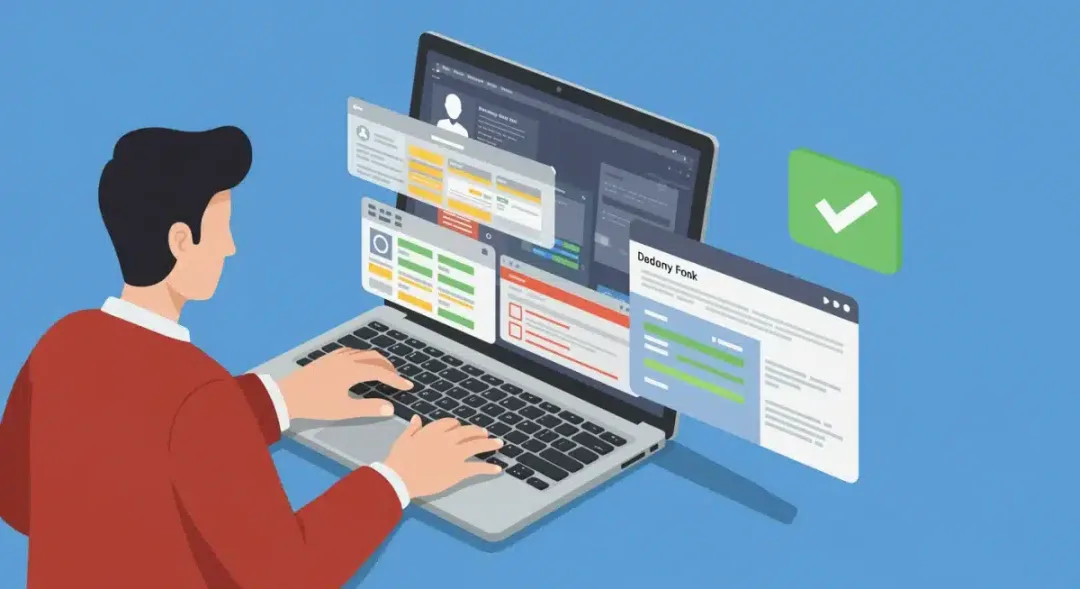
Integrated workflow automation
One of the most significant advancements in project management tools is the integration of workflow automation. These features enable teams to set up automated actions based on specific triggers, such as task completion or status changes. This not only saves time but also minimizes human error, ensuring consistency across all projects.
- Automated task assignment and notifications.
- Conditional logic for complex workflow management.
- Integration with communication and file-sharing tools.
- Real-time progress tracking and reporting.
The ability to automate repetitive administrative tasks means project managers can dedicate more time to strategic planning and problem-solving. This shift from manual oversight to automated governance allows for greater scalability and efficiency, which is particularly beneficial for growing remote teams tackling ambitious projects.
Enhanced communication and collaboration suites
Effective communication is the backbone of any successful remote team, and the tools available in 2026 are pushing the boundaries of what’s possible. Beyond basic video conferencing and chat, these suites offer immersive virtual environments, advanced screen sharing, and AI-powered transcription services. They aim to replicate the spontaneity and richness of in-person interactions, fostering stronger team bonds and clearer information exchange.
The challenge with remote communication has always been maintaining a sense of connection and avoiding misinterpretations. Modern collaboration suites address this by offering a multitude of communication channels, from asynchronous messaging to real-time virtual whiteboards. This multi-modal approach ensures that teams can choose the most appropriate method for any given interaction, enhancing both efficiency and understanding.
Immersive virtual meeting spaces
Virtual meeting spaces are evolving to become more immersive and interactive. These platforms often include customizable avatars, spatial audio, and shared virtual objects, creating a more engaging and less fatiguing meeting experience. The goal is to reduce ‘Zoom fatigue’ and make virtual collaboration feel more natural and productive.
- Customizable virtual environments and avatars.
- Spatial audio for realistic presence.
- Interactive whiteboards and shared digital assets.
- AI-powered meeting summaries and action item generation.
By making virtual meetings more dynamic and engaging, these tools help remote teams maintain a strong sense of camaraderie and shared purpose. The ability to collaborate on digital whiteboards or review documents together in a shared virtual space mirrors the effectiveness of physical team rooms, but with the added benefits of remote accessibility and flexibility.
Advanced file sharing and document management systems
Secure and efficient file sharing and document management are critical for remote teams, where access to up-to-date information is paramount. The systems of 2026 go beyond simple cloud storage, offering robust version control, granular access permissions, and AI-driven content organization. They ensure that every team member can access the right document at the right time, with complete confidence in its integrity and security.
The proliferation of digital assets in modern work environments necessitates a sophisticated approach to their management. These advanced systems are designed to prevent data silos, reduce duplication, and provide a single source of truth for all project-related documentation. Their intuitive search capabilities and intelligent tagging make it effortless to locate specific files, even within vast repositories.
Intelligent content organization and search
AI-driven capabilities are transforming how documents are organized and retrieved. These systems can automatically categorize files, extract key information, and even suggest related content, significantly reducing the time spent searching for information. This intelligent organization ensures that knowledge is readily accessible and actionable.
- Automated tagging and metadata generation.
- Semantic search capabilities for precise results.
- Version history and rollback functionality.
- Secure sharing with customizable access controls.
The enhanced security features, including end-to-end encryption and multi-factor authentication, provide peace of mind for organizations handling sensitive information. These systems are built to comply with stringent data governance regulations, making them reliable choices for businesses operating in complex legal environments.

Personalized productivity and focus tools
While team collaboration tools are vital, individual productivity remains a cornerstone of remote work success. The latest generation of personalized productivity and focus tools are designed to help individuals manage distractions, optimize their working hours, and maintain mental well-being. These tools often incorporate personalized analytics, AI-driven recommendations, and customizable environments to create an optimal focus zone.
Remote work can blur the lines between professional and personal life, making it challenging to maintain focus and avoid burnout. These tools offer strategies and features to set boundaries, track time effectively, and integrate mindfulness practices. By empowering individuals to take control of their personal work environment, they contribute significantly to overall team productivity and job satisfaction.
AI-driven distraction management
Distraction management tools are becoming increasingly sophisticated, using AI to identify and minimize interruptions. This can range from intelligent notification filtering to adaptive soundscapes that help improve concentration. These tools learn individual work patterns and preferences to create a tailored environment conducive to deep work.
- Smart notification filtering and prioritization.
- Personalized focus music and soundscapes.
- Time blocking and Pomodoro technique integration.
- Usage analytics for identifying productivity patterns.
The emphasis on mental well-being is also a key aspect of these tools. Features like guided meditation breaks, posture reminders, and screen time limits are integrated to prevent digital fatigue and promote a healthier work-life balance. By supporting the individual, these tools collectively enhance the resilience and effectiveness of the entire remote workforce.
Cybersecurity and data protection solutions for remote teams
As remote work becomes the norm, the importance of robust cybersecurity and data protection solutions cannot be overstated. With sensitive information being accessed and shared across various networks and devices, the risk of cyber threats significantly increases. The tech tools of 2026 are designed with multi-layered security protocols, leveraging AI to detect and neutralize threats proactively, ensuring that remote operations remain secure and compliant.
Beyond traditional antivirus and firewalls, these solutions incorporate advanced encryption, secure access gateways, and continuous monitoring for suspicious activities. They provide a comprehensive shield against phishing, ransomware, and data breaches, which are increasingly sophisticated. For businesses, investing in these advanced security measures is not just about protection; it’s about maintaining trust and regulatory compliance in a distributed environment.
Zero-trust architecture and secure access
A cornerstone of modern remote security is the adoption of a zero-trust architecture, where no user or device is inherently trusted, regardless of their location. Every access request is verified, ensuring that only authorized individuals and devices can access critical resources. This approach significantly reduces the attack surface and enhances overall data security.
- Continuous verification of user identities and device health.
- Granular access controls based on least privilege principles.
- End-to-end encryption for all data in transit and at rest.
- Behavioral analytics to detect anomalous activity.
Furthermore, secure access gateways and virtual private networks (VPNs) are becoming more intelligent, offering adaptive access policies that adjust based on risk levels. This dynamic security posture ensures that remote teams can work securely from any location, without compromising on productivity or data integrity. The future of remote work relies heavily on these sophisticated security frameworks.
| Key Tool Category | Brief Description |
|---|---|
| AI-Powered Assistants | Automate scheduling, email management, and task prioritization to free up time. |
| Project Management Platforms | Streamline workflows, automate tasks, and provide real-time project insights for teams. |
| Collaboration Suites | Offer immersive virtual meetings and diverse communication channels for better team synergy. |
| Cybersecurity Solutions | Provide multi-layered protection and zero-trust architecture for secure remote operations. |
Frequently asked questions about remote work productivity
What are the primary benefits of using advanced tech tools for remote work?▼Advanced tech tools significantly enhance remote work by boosting productivity through automation, improving communication and collaboration, ensuring data security, and fostering a better work-life balance for employees. They streamline operations and reduce geographical barriers.
How do AI-powered tools specifically aid remote productivity?▼AI-powered tools automate repetitive tasks like scheduling and email management, offer intelligent insights, and personalize workflows. This reduces cognitive load, frees up time for strategic activities, and minimizes human error, leading to greater efficiency.
Why is cybersecurity crucial for remote teams in 2026?▼Cybersecurity is paramount for remote teams due to increased exposure to threats from distributed access points. Advanced solutions like zero-trust architecture protect sensitive data, ensure regulatory compliance, and maintain trust in a decentralized work environment.
What role do immersive virtual meeting spaces play in future remote collaboration?▼Immersive virtual meeting spaces aim to replicate in-person interactions by offering customizable environments, spatial audio, and interactive features. They combat ‘Zoom fatigue,’ foster stronger team connections, and make virtual collaboration more engaging and effective.
How can individuals choose the right productivity tools for their remote setup?▼Individuals should assess their specific needs, team requirements, and existing tech stack. Prioritize tools that offer seamless integration, robust features, strong security, and a user-friendly interface. Reading reviews and trying free trials can also guide the decision-making process.
Conclusion
The trajectory of remote work in 2026 is unmistakably tied to the intelligent integration of advanced technology. The tools discussed here, from AI-powered assistants to sophisticated cybersecurity solutions, represent the vanguard of productivity enhancement for distributed teams. By embracing these innovations, businesses and individuals can not only adapt to the evolving work landscape but truly thrive within it, fostering environments where efficiency, collaboration, and security are not just aspirations but inherent characteristics of daily operations. The future of work is remote, and the future of remote work is smart.