

Ads
The latest Medicare drug price negotiations aim to significantly reduce prescription costs for millions of recipients, promising substantial savings and increased affordability in healthcare.
Are you a Medicare recipient wondering about the future of your prescription drug costs? The landscape of healthcare is constantly evolving, and recent legislative efforts have brought significant changes, particularly concerning Medicare drug price negotiations. These developments are poised to reshape how millions of Americans access and afford their essential medications, potentially leading to substantial savings.
Understanding the Inflation Reduction Act and Its Impact
The Inflation Reduction Act (IRA), signed into law in August 2022, represents a landmark piece of legislation with profound implications for healthcare, especially for Medicare beneficiaries. One of its most significant provisions empowers Medicare to negotiate the prices of certain high-cost prescription drugs, a power it historically lacked. This change marks a monumental shift in how drug prices are set in the United States, moving away from a system where pharmaceutical companies largely dictated costs.
Before the IRA, Medicare was prohibited by law from negotiating drug prices directly, unlike other large purchasers such as the Department of Veterans Affairs. This restriction often resulted in Medicare paying significantly higher prices for the same medications compared to other countries or even other U.S. government programs. The new legislation seeks to rectify this imbalance, aiming to drive down costs for both the government and, crucially, for Medicare recipients at the pharmacy counter.
Key Provisions of the IRA for Drug Prices
The IRA introduces several mechanisms designed to control prescription drug costs and ensure greater affordability. These provisions are not just about negotiation; they encompass a broader strategy to cap out-of-pocket expenses and penalize excessive price increases.
- Direct Price Negotiation: Medicare can now negotiate prices for a select number of high-cost, single-source drugs that have been on the market for a certain period without generic competition.
- Inflation Rebates: Pharmaceutical companies must pay rebates to Medicare if they raise the prices of their drugs faster than the rate of inflation, deterring aggressive price hikes.
- Out-of-Pocket Cap: A significant change for beneficiaries is the capping of out-of-pocket prescription drug costs under Medicare Part D, which will reach $2,000 annually by 2025.
- Insulin Cost Cap: The cost of insulin is capped at $35 per month for Medicare beneficiaries.
These measures collectively aim to provide financial relief to millions of seniors and individuals with disabilities who rely on Medicare for their prescription drug coverage. The negotiations are expected to be phased in, with the first negotiated prices taking effect in 2026, gradually expanding to more drugs in subsequent years. This gradual implementation allows time for pharmaceutical companies, government agencies, and beneficiaries to adapt to the new framework.
The Negotiation Process: How it Works and Which Drugs are Affected
The process of negotiating drug prices under the Inflation Reduction Act is complex and involves multiple stages, designed to identify and select eligible medications for negotiation. The Centers for Medicare & Medicaid Services (CMS) is at the forefront of this initiative, working to implement the new provisions effectively. Understanding this process is crucial for Medicare beneficiaries to anticipate which drugs might see price reductions and when those changes will take effect.
CMS identifies eligible drugs based on specific criteria outlined in the IRA. These criteria include the drug’s market exclusivity, its total Medicare spending, and its time on the market without a generic or biosimilar equivalent. The initial list of drugs selected for negotiation was announced in August 2023, marking a historic moment in U.S. healthcare policy. These first ten drugs are among the highest-expenditure medications in Medicare Part D, impacting a large number of beneficiaries.
Selection Criteria for Negotiable Drugs
Not all prescription drugs are immediately subject to negotiation. The IRA establishes clear guidelines for selection:
- Time on Market: Small-molecule drugs must have been approved for at least seven years, and biological products for at least eleven years, without generic or biosimilar competition.
- High Medicare Spending: Drugs with the highest total Medicare spending are prioritized, ensuring that negotiations target medications that account for a significant portion of the program’s expenditures.
- Single Source: Only drugs without generic or biosimilar competition are eligible, as market competition naturally drives down prices for other medications.
Once selected, CMS engages in direct negotiations with the manufacturers of these drugs. The goal is to arrive at a “maximum fair price” that reflects the drug’s clinical benefit, the cost of research and development, and other relevant factors. These negotiations are confidential, but the resulting prices will be publicly announced and implemented.
The first set of negotiated prices will become effective in 2026. The number of drugs subject to negotiation will gradually increase over time, with 15 more Part D drugs selected for 2027, 15 more Part B or Part D drugs for 2028, and 20 more Part B or Part D drugs for each subsequent year. This phased approach ensures a steady expansion of the program’s impact, bringing more and more high-cost drugs under the negotiation umbrella. This strategic rollout aims to maximize savings while carefully managing the transition for pharmaceutical companies and the healthcare system.
Potential Savings for Medicare Recipients
The primary objective of the Medicare drug price negotiations is to reduce the financial burden on beneficiaries. For years, many seniors have struggled with the high cost of essential medications, often making difficult choices between paying for prescriptions and other necessities. The Inflation Reduction Act’s provisions are designed to alleviate these pressures, offering tangible savings and greater peace of mind.
The most direct impact for recipients will come from the lower negotiated prices for selected drugs. When these prices take effect, beneficiaries who use these medications will see their out-of-pocket costs decrease. This is particularly significant for those on multiple high-cost drugs, where savings could accumulate substantially over the year. Beyond the negotiated prices, the IRA’s cap on annual out-of-pocket expenses under Medicare Part D is a game-changer.
How the Out-of-Pocket Cap Transforms Costs
Starting in 2025, Medicare Part D enrollees will have their out-of-pocket costs capped at $2,000 annually. This means that once a beneficiary spends $2,000 on covered prescription drugs within a year, they will not have to pay any more for the remainder of that year. This cap replaces the previous, more complex catastrophic coverage phase, which could still leave beneficiaries responsible for a percentage of costs, even after spending thousands of dollars.
- Predictability: The $2,000 cap provides a clear financial limit, making it easier for beneficiaries to budget for their prescription drug expenses.
- Protection for High-Cost Users: Individuals requiring expensive specialty drugs or multiple medications will benefit most from this cap, preventing potentially devastating out-of-pocket costs.
- Elimination of Coinsurance in Catastrophic Phase: The previous 5% coinsurance in the catastrophic phase is eliminated, offering complete protection after reaching the cap.
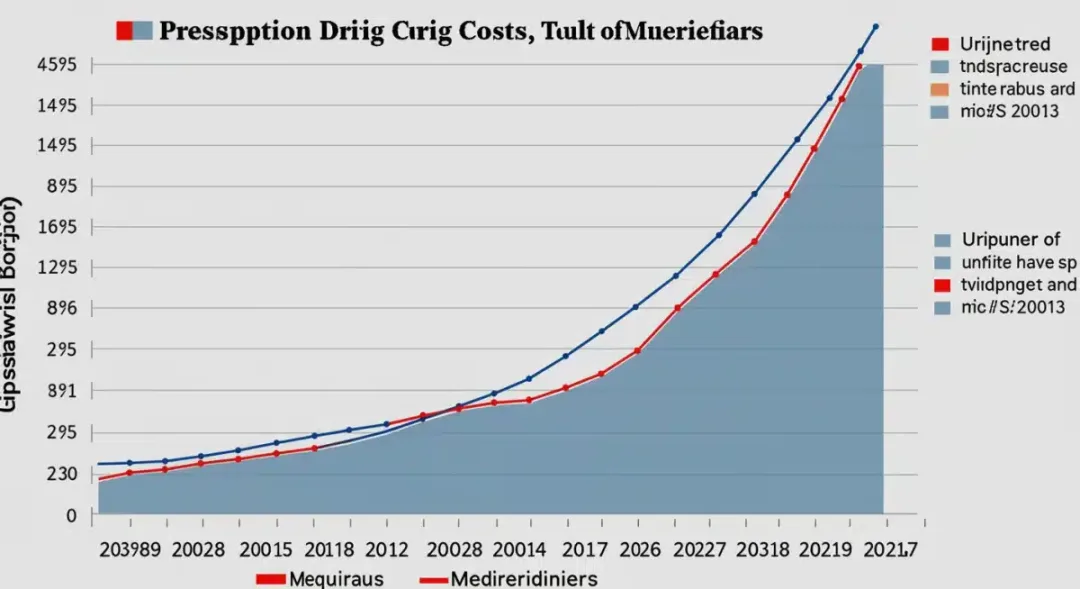
Consider a beneficiary who previously spent $5,000 annually on prescription drugs. Under the new cap, their maximum out-of-pocket cost would be $2,000, resulting in $3,000 in annual savings. These savings are not just theoretical; they represent real money that can be used for other essential needs or simply to improve financial stability. The inflation rebates also play a role, ensuring that drug prices do not continually outpace the general cost of living, providing a long-term safeguard against escalating expenses.
Challenges and Criticisms of Price Negotiations
While the prospect of lower drug prices and increased affordability is widely welcomed by Medicare beneficiaries, the implementation of the Inflation Reduction Act’s drug negotiation provisions has not been without its challenges and criticisms. Pharmaceutical companies, in particular, have voiced strong opposition, raising concerns about the potential long-term effects on innovation and drug development.
A central argument from the pharmaceutical industry is that direct price negotiation will reduce their revenues, thereby diminishing their ability and incentive to invest in research and development (R&D) for new medications. They contend that the current pricing structure is necessary to recoup the enormous costs associated with bringing a new drug to market, a process that can take over a decade and billions of dollars. If profits are curtailed, critics argue, fewer groundbreaking drugs will be developed in the future, ultimately harming patients.
Industry Concerns and Legal Challenges
Several pharmaceutical companies have filed lawsuits challenging the constitutionality of the IRA’s drug price negotiation provisions. These lawsuits typically argue that the program violates due process rights and constitutes an unconstitutional taking of private property. They also claim that the negotiation process is coercive, forcing companies to accept prices below fair market value.
- Innovation Stifling: The primary concern is that reduced profitability will lead to a decrease in investment in R&D, potentially delaying or preventing the discovery of new life-saving treatments.
- Disproportionate Impact: Some argue that the negotiation process might disproportionately affect smaller biotech companies that rely heavily on the revenue from a few key drugs.
- Arbitrary Pricing: Critics also contend that the “maximum fair price” determined by CMS could be arbitrary and not truly reflective of a drug’s value or development costs.
The Biden administration and proponents of the IRA counter these arguments by pointing to the significant profits consistently reported by pharmaceutical companies, even after accounting for R&D expenses. They argue that the current system allows for excessive pricing, placing an undue burden on patients and taxpayers. Furthermore, they highlight that the negotiation process targets only a limited number of high-cost drugs, allowing ample room for innovation in other areas. The legal challenges are ongoing, and their outcomes could significantly influence the future trajectory of the drug price negotiation program.
The Broader Economic and Healthcare Implications
The implementation of Medicare drug price negotiations extends beyond individual patient savings; it carries significant broader economic and healthcare implications for the United States. These changes are expected to influence government spending, pharmaceutical market dynamics, and the overall accessibility of healthcare.
From a governmental perspective, the IRA’s drug pricing provisions are projected to generate substantial savings for Medicare. These savings are crucial for the long-term solvency of the program, helping to reduce the federal deficit and potentially free up resources for other essential services. Lower drug costs for Medicare also mean reduced expenditures for taxpayers, as Medicare is funded through a combination of payroll taxes, beneficiary premiums, and general federal revenues.
Market Adjustments and Healthcare Access
The pharmaceutical market is already beginning to adapt to the new regulatory environment. Companies may adjust their R&D strategies, potentially focusing on drugs that will not be immediately subject to negotiation or accelerating the development of new treatments to establish market exclusivity before they become eligible. This could lead to shifts in drug pipelines and investment priorities within the industry.
- Reduced Government Spending: Lower drug prices translate directly into significant savings for Medicare, strengthening the program’s financial health.
- Increased Market Competition: The threat of negotiation might encourage earlier generic or biosimilar competition, further driving down prices for a wider range of drugs.
- Improved Patient Adherence: When medications are more affordable, patients are more likely to adhere to their prescribed treatment regimens, leading to better health outcomes and reduced hospitalizations.
Moreover, improved affordability can lead to better health outcomes across the population. When patients can afford their medications, they are more likely to take them as prescribed, which can prevent disease progression, reduce hospital visits, and improve overall quality of life. This ripple effect can lessen the strain on the broader healthcare system, leading to a more efficient and effective delivery of care. The negotiations represent a significant step towards addressing the long-standing issue of high drug costs in the U.S., aiming to create a more equitable and sustainable healthcare system for all.

Preparing for Changes: What Medicare Beneficiaries Should Do
As the Medicare drug price negotiations progress and new prices take effect, it’s essential for beneficiaries to stay informed and understand how these changes might impact their individual healthcare costs. Proactive engagement can help ensure that you maximize your potential savings and continue to access the medications you need.
The first negotiated prices are set to begin in 2026. While this might seem distant, the groundwork is being laid now. Beneficiaries should monitor official announcements from CMS and their Medicare Part D plans regarding the specific drugs affected and the new pricing structures. This information will be crucial for planning and budgeting your healthcare expenses.
Key Steps for Beneficiaries
Staying ahead of these changes involves a few practical steps:
- Review Your Part D Plan Annually: During the annual open enrollment period (October 15 to December 7), compare different Medicare Part D plans. Look for plans that cover your specific medications at the most favorable costs, especially considering the new negotiated prices and the out-of-pocket cap.
- Consult Your Healthcare Provider: Discuss the potential impact of negotiated drug prices with your doctor. They can provide insights into whether your current medications are likely to be affected and if there are alternative options available.
- Utilize Medicare Resources: The official Medicare website (Medicare.gov) is an invaluable resource for up-to-date information on drug prices, plan comparisons, and the Inflation Reduction Act’s provisions. You can also call 1-800-MEDICARE for personalized assistance.
Understanding the $2,000 out-of-pocket cap for Part D is also vital. If you anticipate high prescription drug costs, knowing this limit can help you plan your finances. Remember that this cap applies to covered Part D drugs, and the $35 monthly cap on insulin costs is also a significant benefit for those who rely on it. By actively engaging with these resources and staying informed, Medicare beneficiaries can navigate the evolving landscape of prescription drug costs more effectively and ensure they receive the full benefits of these historic reforms.
The Future Landscape of Prescription Drug Access and Affordability
The initial steps taken under the Inflation Reduction Act to negotiate drug prices represent a significant turning point in the ongoing effort to make prescription medications more affordable and accessible for all Americans, particularly Medicare recipients. This legislative endeavor is not a one-time event but rather the beginning of a sustained effort to rein in pharmaceutical costs and reshape the healthcare landscape.
As the program matures, with more drugs becoming eligible for negotiation each year, the cumulative impact on beneficiaries’ wallets and the federal budget is expected to grow substantially. The long-term vision is a healthcare system where essential medicines are within reach for everyone, without forcing individuals to choose between their health and their financial stability. This ambitious goal requires continuous monitoring, adaptation, and unwavering commitment from policymakers.
Evolving Policies and Continued Advocacy
The initial phase of negotiations will undoubtedly inform future policy decisions. Lawmakers and healthcare advocates will closely observe the effects of the IRA on drug prices, pharmaceutical innovation, and patient outcomes. This data will be critical in refining the program and addressing any unforeseen challenges that may arise. Continued advocacy from patient groups and consumer organizations will also play a vital role in ensuring that the interests of beneficiaries remain at the forefront of these discussions.
- Long-Term Cost Control: The ongoing negotiation process is designed to provide sustained downward pressure on drug prices, benefiting future generations of Medicare recipients.
- Enhanced Transparency: The public announcement of negotiated prices will bring greater transparency to drug pricing, allowing beneficiaries to make more informed decisions.
- Improved Health Equity: By making drugs more affordable, the initiative aims to reduce health disparities and ensure that all Medicare beneficiaries, regardless of income, can access necessary treatments.
The journey towards truly affordable prescription drugs is complex and multifaceted, but the current efforts represent a monumental leap forward. While challenges persist, the commitment to lower drug costs for Medicare recipients is clear. Beneficiaries, policymakers, and industry stakeholders must continue to work collaboratively to build a healthcare system that prioritizes patient well-being and financial security. The changes initiated by the Inflation Reduction Act are poised to leave a lasting legacy, transforming how millions of Americans experience healthcare for decades to come.
| Key Aspect | Brief Description |
|---|---|
| Inflation Reduction Act | Landmark legislation empowering Medicare to negotiate prescription drug prices. |
| Drug Price Negotiations | Medicare now negotiates prices for high-cost, single-source drugs, starting with 10 drugs in 2026. |
| Out-of-Pocket Cap | Medicare Part D beneficiaries will have a $2,000 annual out-of-pocket cap on prescription drug costs by 2025. |
| Potential Savings | Beneficiaries could see significant reductions in their annual drug expenses, improving affordability and access. |
Frequently asked questions about Medicare drug price negotiations
What is the main goal of Medicare drug price negotiations?▼The primary goal is to lower the cost of prescription drugs for Medicare beneficiaries and the federal government. This aims to make essential medications more affordable and accessible, reducing financial burdens on seniors and individuals with disabilities who rely on Medicare.
When will the first negotiated drug prices take effect?▼The first set of negotiated drug prices under the Inflation Reduction Act will take effect in 2026. CMS announced the initial list of ten drugs selected for negotiation in August 2023, with more drugs to be added in subsequent years.