
Ads
Seasonal color analysis for 2026 is a personalized method that categorizes individuals into specific palettes based on their natural hair, skin, and eye undertones, ensuring optimal color choices for clothing and makeup that enhance natural beauty.
Are you ready to transform your personal style and feel more confident than ever? Understanding your personal color palette is a game-changer, and seasonal color analysis is the key to unlocking it for 2026. This guide will help you discover the colors that truly make you shine, enhancing your natural beauty in ways you might not have imagined.
Understanding the Foundations of Seasonal Color Analysis
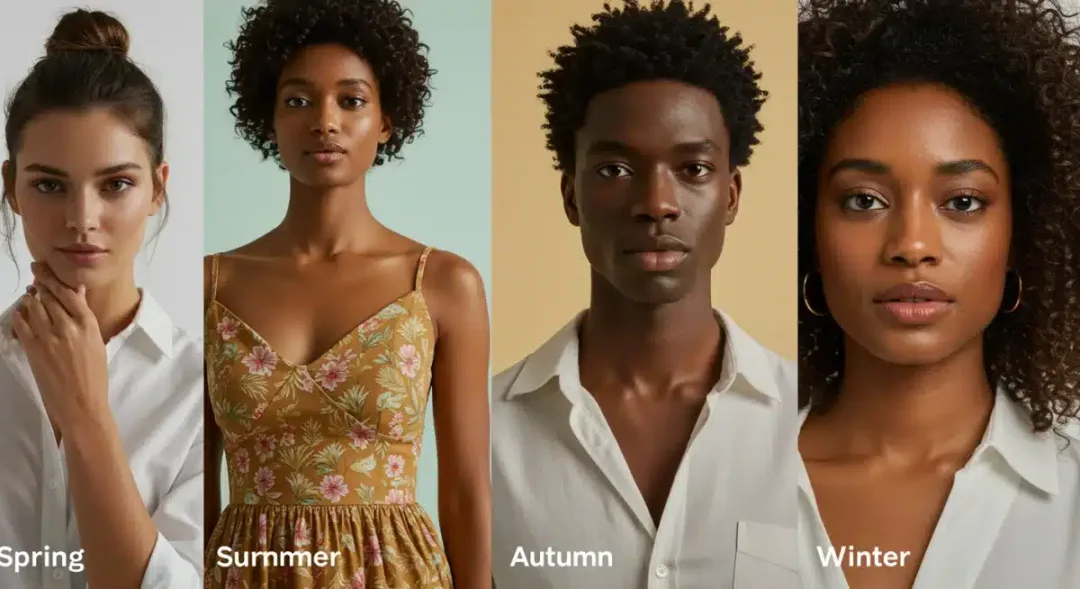
Seasonal color analysis is a system that categorizes an individual’s natural coloring into one of four ‘seasons’: Spring, Summer, Autumn, or Winter. This classification helps determine which colors in clothing, makeup, and hair will best complement your natural undertones, making you look more vibrant and radiant.
The core principle revolves around identifying whether your skin has warm or cool undertones, and then further refining this based on the depth and clarity of your features. This isn’t just about what colors you like; it’s about what colors actually flatter you, creating a harmonious overall appearance. Getting this right can significantly impact how you present yourself to the world.
The Role of Undertones: Warm vs. Cool
The first step in any seasonal color analysis is determining your skin’s undertone. This is crucial because it dictates whether you’ll lean towards warm or cool color palettes.
- Warm Undertones: Often characterized by green veins on the wrist, skin that tans easily, and gold jewelry looking more flattering. Warm colors like yellows, oranges, and earthy greens typically suit these individuals.
- Cool Undertones: Identified by blue or purple veins, skin that burns easily, and silver jewelry appearing more harmonious. Cool colors such as blues, purples, and emerald greens tend to be more flattering.
- Neutral Undertones: A mix of both warm and cool, making them adaptable to a wider range of colors.
Beyond Undertones: Depth and Clarity
Once your undertone is established, depth (light or dark) and clarity (soft or clear) come into play. These factors help to further refine your seasonal category, moving you from a broad ‘warm’ or ‘cool’ into a specific season.
For instance, two people with cool undertones might fall into different seasons if one has very light features and the other has dark, striking features. This intricate layering of characteristics is what makes seasonal color analysis so effective and personalized. It’s not a one-size-fits-all approach, but rather a detailed exploration of your unique beauty.

Understanding these foundational elements is the bedrock of successful seasonal color analysis. By accurately identifying your undertone, depth, and clarity, you lay the groundwork for discovering your perfect palette and making informed style choices for 2026.
The Four Main Seasons: Discover Your Type for 2026
Each of the four seasons—Spring, Summer, Autumn, and Winter—represents a distinct color palette that aligns with specific natural characteristics. Identifying your season is like finding your personal style compass, guiding you toward the most flattering shades.
These seasonal categories are more than just a label; they are a comprehensive guide to colors that will brighten your complexion, make your eyes sparkle, and generally enhance your overall appearance. Let’s delve into the characteristics of each season to help you begin your journey of self-discovery for 2026.
Spring: Bright and Warm
Spring individuals typically have warm undertones, often with light hair (golden blonde, light brown, red), light eyes (blue, green, hazel), and a clear, often peaches-and-cream complexion. Their colors are light, bright, and clear, reminiscent of a fresh spring day.
- Key Characteristics: Warm, light, clear.
- Best Colors: Coral, peach, warm pinks, light greens, clear blues, golden yellows, ivory.
- Avoid: Dark, muted, or overly cool colors that can overwhelm their delicate features.
Summer: Soft and Cool
Summer types have cool undertones, often with ash blonde or light to medium brown hair, blue or gray eyes, and a soft, often rosy complexion. Their palette is soft, muted, and cool, much like a hazy summer afternoon.
The subtlety of Summer colors is what makes them so elegant. Think of the gentle tones of a beach at dusk or the soft pastels of a summer garden. These colors create a harmonious, blended look that is effortlessly chic. Embracing this palette can bring a refined sophistication to your wardrobe and makeup choices.
Autumn: Rich and Warm
Autumn individuals possess warm undertones, often with rich hair colors (golden brown, auburn, deep red), warm eye colors (brown, hazel, olive green), and a warm, often golden or bronze complexion. Their colors are rich, earthy, and warm, reflecting the hues of autumn foliage.
This season thrives on depth and warmth. Colors like olive green, rust, mustard yellow, deep teal, and various shades of brown and cream are perfect. These hues resonate with the natural warmth and depth of an Autumn person’s features, bringing out a sophisticated and grounded beauty. For 2026, embracing these rich tones can make a powerful statement.
Winter: Bold and Cool
Winter types have cool undertones, often with dark hair (black, dark brown) or stark platinum blonde, striking eye colors (deep brown, black, clear blue, emerald green), and a cool, often porcelain or olive complexion. Their palette is clear, bold, and cool, much like a crisp winter landscape.
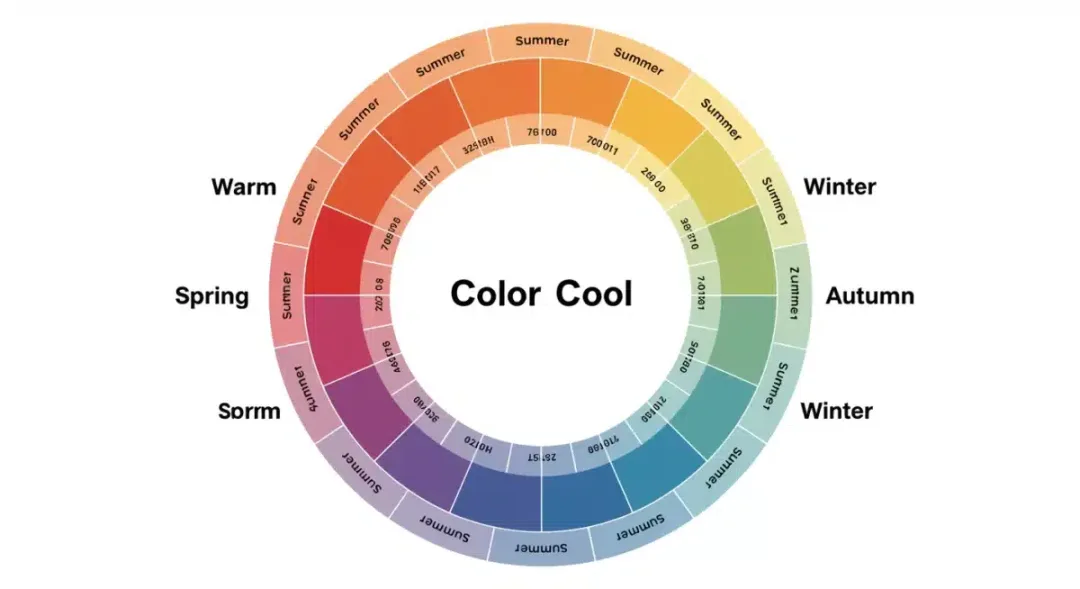
Winter individuals can effortlessly wear highly saturated and contrasting colors. Think of jewel tones like ruby red, royal blue, emerald green, and stark black and white. These strong colors complement their naturally high-contrast features, creating a dramatic and elegant look. Identifying your season is the first step to curating a wardrobe that truly celebrates your unique coloring for 2026.
The Process of Determining Your Seasonal Palette
Determining your seasonal color palette accurately requires a methodical approach. While professional analysis offers the most precise results, you can certainly begin the journey at home with some simple tests. The goal is to observe how different colors interact with your natural skin, hair, and eye tones.
This process is about more than just looking at colors; it’s about understanding the subtle shifts and harmonies that occur when certain shades are placed near your face. Patience and an objective eye are your best tools in this discovery phase, ensuring you make the most accurate assessment of your seasonal type for 2026.
The Vein Test and Jewelry Test
Two common initial tests can help you determine your undertone, which is the first critical step in seasonal color analysis.
- Vein Test: Look at the veins on your inner wrist in natural light. If they appear blue or purple, you likely have cool undertones. If they look green, you probably have warm undertones. If you see a mix or can’t tell, you might be neutral.
- Jewelry Test: Hold both silver and gold jewelry up to your face. Observe which metal makes your skin look more radiant and healthy. If silver is more flattering, you lean cool. If gold is better, you lean warm. If both look equally good, you might be neutral.
The Drape Test: A Visual Confirmation
The drape test is perhaps the most effective DIY method. You’ll need a collection of fabric swatches or clothing in various colors, particularly warm and cool shades, as well as light and dark, and clear and muted tones. Perform this test in natural light, without makeup, and with your hair pulled back.
Hold each color swatch up to your face and observe the effect. Does the color make your skin look bright and even, or does it cast shadows, highlight imperfections, or make you look washed out? Pay attention to how your eyes and lips appear. The right colors will make your features pop and your skin glow. The wrong ones will dull your complexion.
For example, if a bright coral (warm) makes your skin look sallow, but a soft rose (cool) makes you look fresh, you’re likely leaning cool. Conversely, if a deep olive green (warm) illuminates your face, but a stark black (cool) makes you look tired, you might be warm. This iterative process of observation is key to pinpointing your seasonal palette effectively for 2026.
Expanding Your Palette: Sub-Seasons and Their Nuances
While the four main seasons provide a solid foundation, seasonal color analysis has evolved to include sub-seasons, offering even more personalized guidance. These sub-seasons, often referred to as ‘flows,’ acknowledge that not everyone fits neatly into one of the primary categories, bridging the gaps between them.
Understanding sub-seasons allows for a more refined and accurate assessment, ensuring that your chosen palette is truly bespoke to your unique features. This deeper dive into color theory ensures that your personal style for 2026 is not just good, but exceptional, reflecting every facet of your natural beauty.
The 12-Season System: A Deeper Dive
The most popular sub-season system expands the original four seasons into twelve. Each of the main seasons is divided into three sub-categories, based on whether the primary characteristic (warm/cool, light/dark, clear/muted) is dominant, or if it ‘flows’ into an adjacent season.
- True/Pure Season: Represents the archetypal characteristics of the main season (e.g., True Spring, True Summer).
- Flow Sub-Seasons: Bridge between two main seasons, often taking on characteristics of both (e.g., Light Spring, Warm Spring, Clear Spring).
For instance, a ‘Light Spring’ is a Spring type whose dominant characteristic is lightness, flowing towards Summer. A ‘Deep Autumn’ is an Autumn type whose dominant characteristic is depth, flowing towards Winter. This nuanced approach helps to capture the full spectrum of human coloring.
Examples of Sub-Seasons and Their Palettes
Let’s look at a few examples to illustrate the concept:
- Light Spring: Dominated by lightness, with a clear, warm undertone. Their best colors are delicate and airy, like pastel pinks, light blues, and soft yellows.
- Soft Summer: Muted and cool, flowing towards Autumn. Their palette includes dusty roses, muted blues, and soft grays, which are gentle and blended.
- Deep Autumn: Rich and warm, flowing towards Winter. They shine in deep, earthy tones like forest green, dark chocolate brown, and deep teal, with significant depth.
- Clear Winter: Bright and cool, flowing towards Spring. Their colors are vibrant and clear, such as shocking pink, electric blue, and pure white, with high contrast.
Exploring these sub-seasons can help you fine-tune your palette even further, ensuring that every color you wear enhances your natural radiance. This level of detail in seasonal color analysis ensures your style for 2026 is truly optimized.
Integrating Your Palette into Your Wardrobe for 2026
Once you’ve identified your seasonal color palette, the next exciting step is to integrate it into your wardrobe. This isn’t about discarding everything you own, but rather strategically building a cohesive collection of clothing and accessories that flatter you consistently. For 2026, this means making conscious choices that reflect your best colors.
The goal is to create a wardrobe where every piece works harmoniously with your natural coloring, making getting dressed easier and more enjoyable. You’ll find that clothes in your palette not only look better on you but also tend to mix and match more effortlessly, leading to a more versatile and sustainable style.
Curating Your Clothing Collection
Start by identifying the core colors within your palette. These will be your neutrals and foundational pieces. For example, a Winter might opt for black, white, and charcoal gray, while an Autumn might choose deep browns, olive greens, and creams. Build your basics around these colors.

Then, introduce your accent colors. These are the vibrant shades that bring life and personality to your outfits. A Spring might use coral and clear blue as accents, while a Summer might prefer soft rose and periwinkle. Don’t be afraid to experiment with patterns and textures, as long as the dominant colors fall within your seasonal range.
Makeup and Hair Color Considerations
Your seasonal palette extends beyond clothing to makeup and hair color. Choosing the right shades in these areas can significantly enhance your overall look.
- Makeup: For makeup, think about your best neutrals for foundation and concealer. Then, select eyeshadows, blushes, and lipsticks that align with your seasonal palette. For example, a warm Spring would look radiant in peach blushes and golden eyeshadows, while a cool Winter would shine in berry-toned lipsticks and cool-toned grays or blues for eyes.
- Hair Color: When considering hair color changes, always refer back to your seasonal type. A warm season should stick to golden, auburn, or honey tones, while a cool season will look best in ash, platinum, or deep black shades. Attempting to go against your natural undertone can result in a look that appears unnatural or dull.
By thoughtfully applying your seasonal color analysis to your entire visual presentation, you ensure a cohesive and flattering aesthetic for 2026. This holistic approach guarantees that every element of your style works together to highlight your natural beauty.
Benefits of Embracing Your Perfect Palette
Adopting your seasonal color palette offers a myriad of benefits that extend far beyond simply looking good. It’s a transformative tool that can impact your confidence, simplify your shopping habits, and even contribute to a more sustainable lifestyle. For 2026, these advantages are more relevant than ever.
When you consistently wear colors that flatter you, the positive feedback loop is undeniable. You feel better, you look better, and this translates into greater self-assurance in all aspects of your life. This is about empowering yourself through informed style choices, creating a wardrobe that truly serves you.
Boosting Confidence and Self-Perception
Perhaps the most significant benefit of knowing your colors is the boost in confidence. When you wear shades that harmonize with your natural features, your skin appears clearer, your eyes brighter, and you look more rested and vibrant. This immediate visual improvement leads to a feeling of being ‘put together’ and attractive, which naturally enhances self-esteem.
No more second-guessing your outfit choices or feeling like something is ‘off.’ With your perfect palette, every item in your wardrobe is a winner, allowing you to step out with certainty and presence. This newfound confidence can spill over into your professional and personal life, making you feel more capable and ready to take on new challenges.
Streamlining Shopping and Reducing Waste
Armed with your seasonal color knowledge, shopping becomes a much more efficient and enjoyable experience. You’ll know exactly which sections of the store to gravitate towards and which to avoid, saving you time and preventing impulse purchases that don’t truly flatter you.
- Focused Shopping: No more aimlessly browsing. You’ll have a clear direction, making every shopping trip more productive.
- Fewer Mistakes: Avoid buying clothes that end up unworn in your closet because they don’t look right.
- Sustainable Choices: Investing in pieces that you love and that truly suit you means you’ll wear them more often and for longer, contributing to a more sustainable fashion footprint.
This strategic approach to shopping not only saves you money in the long run but also helps reduce clutter and promotes a more mindful approach to consumption. It’s a win-win for your wallet, your style, and the planet, making it a powerful tool for 2026.
Seasonal Color Analysis in 2026: Trends and Future Outlook
As we look to 2026, seasonal color analysis continues to evolve, merging timeless principles with contemporary trends. The increasing emphasis on personalized style, sustainable fashion, and authentic self-expression means that understanding your unique color palette is more relevant than ever. It’s not just a trend; it’s a foundational tool for conscious fashion choices.
The future of seasonal color analysis lies in its adaptability and integration with new technologies. From AI-powered apps to virtual try-on experiences, the methods for discovering your perfect palette are becoming more accessible and precise, empowering more individuals to embrace their unique coloring.
Personalization and Authenticity
The fashion landscape of 2026 is heavily leaning towards personalization. Consumers are moving away from fast fashion and generic trends, seeking styles that truly represent their individuality. Seasonal color analysis fits perfectly into this movement by providing a scientific yet deeply personal framework for style choices.
It encourages individuals to celebrate their natural beauty rather than trying to conform to external ideals. This focus on authenticity resonates with a generation that values self-expression and genuine connection. Knowing your colors is a powerful step towards building a personal brand that is true to who you are.
Technology’s Role in Color Analysis
Advancements in technology are making seasonal color analysis more accessible and sophisticated. In 2026, we can expect to see:
- AI-Powered Apps: Mobile applications utilizing artificial intelligence to analyze skin, hair, and eye color, providing instant seasonal classifications and palette suggestions.
- Virtual Try-On: Augmented reality tools that allow users to ‘try on’ different colored garments and makeup virtually, seeing in real-time how various shades complement their features.
- Personalized Shopping: Retailers integrating color analysis data to offer highly curated product recommendations, making online shopping more efficient and tailored.
These technological integrations will democratize seasonal color analysis, making it easier for everyone to discover their perfect palette without the need for a professional consultation. This expanded accessibility means that by 2026, understanding your colors could become a standard part of personal styling, helping countless individuals to look and feel their best.
Beyond the Basics: Advanced Tips for Your Color Journey
While identifying your core seasonal palette is a significant achievement, the journey doesn’t end there. For those looking to fully master their color potential in 2026, there are advanced techniques and considerations that can elevate your style even further. This involves understanding how to incorporate colors that are ‘outside’ your palette and how to mix and match effectively.
These advanced tips are about becoming a color connoisseur, confidently navigating your wardrobe and making choices that are both flattering and expressive. It’s about taking the principles of seasonal color analysis and applying them with creativity and flair.
Incorporating ‘Off-Palette’ Colors Strategically
Sometimes, you might fall in love with a color that isn’t strictly within your seasonal palette. Does this mean you can never wear it? Not necessarily. The key is strategic incorporation.
- Keep it Away from Your Face: If a color is not ideal for your complexion, wear it in trousers, skirts, or shoes. The further away from your face it is, the less impact it will have on your overall coloring.
- Pair with Your Best Colors: Use your flattering colors near your face (e.g., a scarf, a top) to balance out an ‘off-palette’ color worn elsewhere in your outfit.
- Accessorize: Introduce ‘off-palette’ colors through accessories like bags, belts, or nail polish, where they serve as accents rather than dominant features.
This approach allows for flexibility and personal expression without compromising the benefits of your seasonal palette. It’s about smart styling, not strict limitations, for your 2026 wardrobe.
Mastering Color Combinations and Contrast
Once you know your best colors, understanding how to combine them effectively is the next step. This involves playing with contrast and harmony within your palette.
- Monochromatic Looks: Wearing different shades and tints of a single color from your palette creates a sophisticated and elongating effect.
- Analogous Combinations: Pairing colors that are next to each other on the color wheel (e.g., blue and green for a Summer) creates a harmonious and pleasing look.
- Complementary Contrasts: For seasons that thrive on contrast (like Winter), using complementary colors (opposite on the color wheel, e.g., red and green) can create a dynamic and impactful outfit.
Experimenting with these combinations will allow you to create diverse and exciting outfits, all while staying within the flattering boundaries of your seasonal palette. This advanced understanding ensures your style remains fresh and engaging throughout 2026 and beyond.
| Key Aspect | Brief Description |
|---|---|
| Undertone Identification | Distinguishing between warm, cool, or neutral skin undertones is the first crucial step. |
| Four Main Seasons | Categorization into Spring (bright/warm), Summer (soft/cool), Autumn (rich/warm), or Winter (bold/cool). |
| Benefits for 2026 | Boosts confidence, streamlines shopping, promotes sustainable fashion choices for the coming year. |
| Technological Advances | AI and AR tools are making color analysis more accessible and precise for everyone in 2026. |
Frequently Asked Questions About Seasonal Color Analysis
What is the primary benefit of seasonal color analysis?▼The primary benefit is discovering highly flattering colors for your unique features, which enhances your natural beauty, boosts confidence, and simplifies wardrobe choices. It ensures you always look vibrant and harmonious, making getting dressed effortless and enjoyable every day.
Can my seasonal color palette change over time?▼While your core undertone typically remains constant, changes in hair color (especially significant ones), skin tanning, or aging can subtly shift how certain colors appear on you. It’s always your natural features that determine your palette, so significant alterations might warrant a re-evaluation.
Is professional color analysis recommended?▼Yes, professional color analysis offers the most accurate and detailed assessment. A trained consultant uses specialized drapes and lighting to precisely determine your season and sub-season, providing a comprehensive palette and personalized advice that DIY methods might miss, ensuring optimal results.
How can seasonal color analysis help with makeup choices?▼It guides you toward flattering shades for foundation, blush, eyeshadow, and lipstick that complement your natural undertones. Wearing makeup colors within your palette ensures a harmonious look, making your skin appear clearer, your eyes brighter, and enhancing your overall facial features without clashing.
Are there specific colors I should completely avoid if they’re not in my palette?▼While it’s best to prioritize colors within your palette, you don’t necessarily have to avoid all ‘off-palette’ shades. Strategically use them away from your face (e.g., in bottoms or accessories) or balance them with your best colors near your face. Focus on what makes you feel and look great.
Conclusion
Embracing seasonal color analysis for 2026 is far more than just a fleeting fashion trend; it’s a powerful tool for self-discovery and personal empowerment. By understanding the unique harmony between your natural features and specific color palettes, you unlock the ability to make consistently flattering choices in your wardrobe, makeup, and even hair color. This knowledge not only enhances your outward appearance, making you look more vibrant and radiant, but also significantly boosts your inner confidence. As we navigate the evolving world of fashion and personal expression, a well-defined color palette serves as your sartorial compass, guiding you towards authentic style and a more sustainable approach to consumption. Invest in discovering your perfect palette, and step into 2026 with unparalleled confidence and a style that truly reflects the best version of you.