
Ads
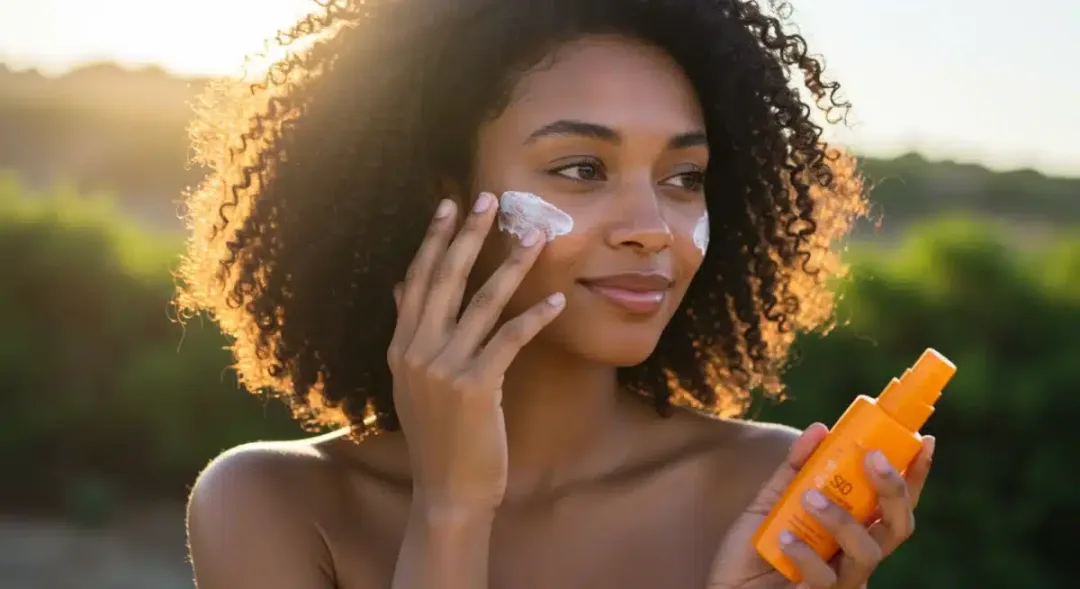
Mastering SPF secrets is crucial for year-round sun protection, safeguarding your skin against damaging UV rays, preventing premature aging, and preserving its health and appearance in every season.
Are you truly protecting your skin from the sun’s relentless assault, not just in summer, but every single day? Unlocking the comprehensive world of SPF secrets year-round is not merely a seasonal concern; it’s a fundamental aspect of maintaining healthy, youthful skin and preventing long-term damage. Many believe sun protection is only necessary on bright, sunny days, but the reality is far more nuanced. UV radiation penetrates clouds and windows, making daily SPF application a non-negotiable step in any effective skincare regimen.
Understanding the Science of SPF and UV Radiation
To truly appreciate the importance of year-round sun protection, we must first delve into the science behind SPF and the various types of ultraviolet (UV) radiation. Understanding how these elements interact with our skin empowers us to make more informed choices about our daily defense.
SPF, or Sun Protection Factor, is a measure of how well a sunscreen protects your skin from UVB rays, which are the primary cause of sunburn and contribute significantly to skin cancer. It indicates the amount of time you can stay in the sun without burning when using sunscreen, compared to how long you could stay without it. However, the sun’s impact extends beyond just UVB.
The Dual Threat: UVA and UVB Rays
The sun emits two main types of UV radiation that affect our skin: UVA and UVB. Both contribute to skin damage, but in different ways, highlighting the need for broad-spectrum protection.
- UVA Rays: These rays penetrate deep into the skin, contributing to premature aging, wrinkles, dark spots, and can also play a role in skin cancer. They are present with consistent intensity throughout the year, even on cloudy days, and can pass through glass.
- UVB Rays: Primarily responsible for sunburn, UVB rays are stronger during summer months and at higher altitudes. They are also a major cause of skin cancer.
A broad-spectrum sunscreen is essential because it protects against both UVA and UVB rays. Without this dual protection, you might be preventing sunburn but still exposing your skin to the aging and carcinogenic effects of UVA radiation. This is why looking for products explicitly labeled ‘broad-spectrum’ is a critical SPF secret for year-round defense.

The scientific community consistently emphasizes that UV radiation, regardless of visible sunlight, is a significant environmental carcinogen. Therefore, integrating a robust understanding of SPF and UV science into our daily routines is not just about beauty, but about long-term health. Knowing that UVA rays are constant and can penetrate windows means your skin is vulnerable even when indoors or driving. This knowledge should solidify the commitment to daily, consistent SPF application.
Debunking Common SPF Myths: Beyond Summer Protection
Many misconceptions surround sun protection, leading people to inadvertently expose their skin to harmful UV radiation. Debunking these common SPF myths is crucial for adopting truly effective year-round habits.
One prevalent myth is that SPF is only necessary during the summer or on sunny days. This belief ignores the pervasive nature of UV radiation, which is present every day of the year, regardless of temperature or cloud cover. Clouds can block visible light, but they don’t significantly impede UV rays, especially UVA, which can penetrate deep into the skin.
Cloudy Days and Indoor Exposure
Another common misconception is that you’re safe from UV damage on cloudy days or when indoors. This is far from the truth, as both UVA and UVB rays can still reach your skin under these conditions.
- Cloud Penetration: Up to 80% of the sun’s UV rays can penetrate clouds, meaning your skin is still vulnerable even on overcast days. Relying on cloud cover for protection is a dangerous oversight.
- Window Penetration: Standard window glass blocks most UVB rays but allows a significant amount of UVA radiation to pass through. This means that if you spend a lot of time near windows at home or in the office, or while driving, your skin is continuously exposed to UVA, leading to premature aging and increased cancer risk.
Some also believe that darker skin tones do not require SPF. While darker skin has more melanin and a higher natural SPF, it is still susceptible to sun damage, sunburn, and skin cancer. The risk is lower, but not non-existent, and hyperpigmentation is also a common concern. Every skin tone benefits from consistent sun protection.
Finally, the idea that makeup with SPF provides sufficient protection is often misleading. The SPF in makeup is typically low, and most people don’t apply enough product to achieve the stated SPF level. It’s always best to apply a dedicated broad-spectrum sunscreen underneath your makeup for adequate protection. Dispelling these myths is vital for understanding why SPF secrets for year-round protection are so important.
Choosing the Right SPF: Factors to Consider
Selecting the appropriate SPF product can feel overwhelming with the myriad options available. However, by understanding key factors, you can confidently choose the right sunscreen that offers optimal protection for your individual needs and lifestyle.
The first and most crucial factor is ensuring your chosen sunscreen is broad-spectrum. This means it protects against both UVA and UVB rays, offering comprehensive defense against sunburn, premature aging, and skin cancer. Without broad-spectrum coverage, you’re only getting partial protection.
Mineral vs. Chemical Sunscreens
Sunscreens generally fall into two main categories: mineral (physical) and chemical. Each type works differently and has distinct advantages.
- Mineral Sunscreens: These contain zinc oxide and/or titanium dioxide, which act as physical blockers, creating a barrier on the skin’s surface that reflects UV rays. They are generally considered gentler, making them suitable for sensitive skin or children. Mineral sunscreens work immediately upon application.
- Chemical Sunscreens: These absorb UV rays as they penetrate the skin, converting them into heat that is then released from the skin. Common active ingredients include oxybenzone, avobenzone, octinoxate, and octisalate. Chemical sunscreens often have a lighter texture and blend more easily into the skin.
When selecting your SPF, consider your skin type. If you have oily or acne-prone skin, look for non-comedogenic formulas that won’t clog pores. For dry skin, choose hydrating formulas that offer additional moisture. Water-resistant options are essential for swimming or heavy perspiration, but remember they still need to be reapplied regularly.
The SPF number itself is also important. Dermatologists generally recommend an SPF of 30 or higher for daily use, as it blocks about 97% of UVB rays. While higher SPFs offer slightly more protection, the difference is marginal (SPF 50 blocks about 98%), and consistent application and reapplication are far more critical than chasing the highest number. Choosing the right SPF is a cornerstone of effective SPF secrets for year-round skin health.
Effective Application Techniques and Reapplication Schedules
Simply owning a good SPF product isn’t enough; effective application and consistent reapplication are paramount to ensuring your skin receives the protection it needs year-round. Many people underestimate how much sunscreen to use or how often they should reapply it, leading to inadequate defense against UV radiation.
The general guideline for sunscreen application is to use about a shot glass full (approximately two tablespoons) for your entire body. For your face and neck alone, aim for at least a nickel-sized dollop. Applying too little product significantly reduces its effective SPF, rendering your efforts less successful.
The Two-Finger Rule for Facial SPF
A simple and effective way to ensure you’re applying enough sunscreen to your face and neck is to use the “two-finger rule.”
- Method: Squeeze a line of sunscreen along the length of your index finger and then another line along your middle finger. This amount typically provides sufficient coverage for your face and neck.
- Thorough Coverage: Don’t forget often-missed areas like your ears, hairline, eyelids (using a product specifically designed for eyes if preferred), and the back of your neck.
Reapplication is just as critical as the initial application. Sunscreen effectiveness diminishes over time due to sweat, water, rubbing, and natural degradation. As a general rule, reapply broad-spectrum sunscreen at least every two hours, especially if you are outdoors. If you’re swimming or sweating heavily, reapply more frequently, following the product’s water-resistant claims (e.g., every 40 or 80 minutes).
Even if you spend most of your day indoors, consider reapplying if you’re near sunny windows for extended periods. Setting a reminder on your phone can be a helpful way to stay consistent with reapplication, turning it into a seamless part of your daily routine. Mastering these application techniques is a core component of utilizing SPF secrets for year-round skin health.
Beyond SPF: Holistic Sun Protection Strategies
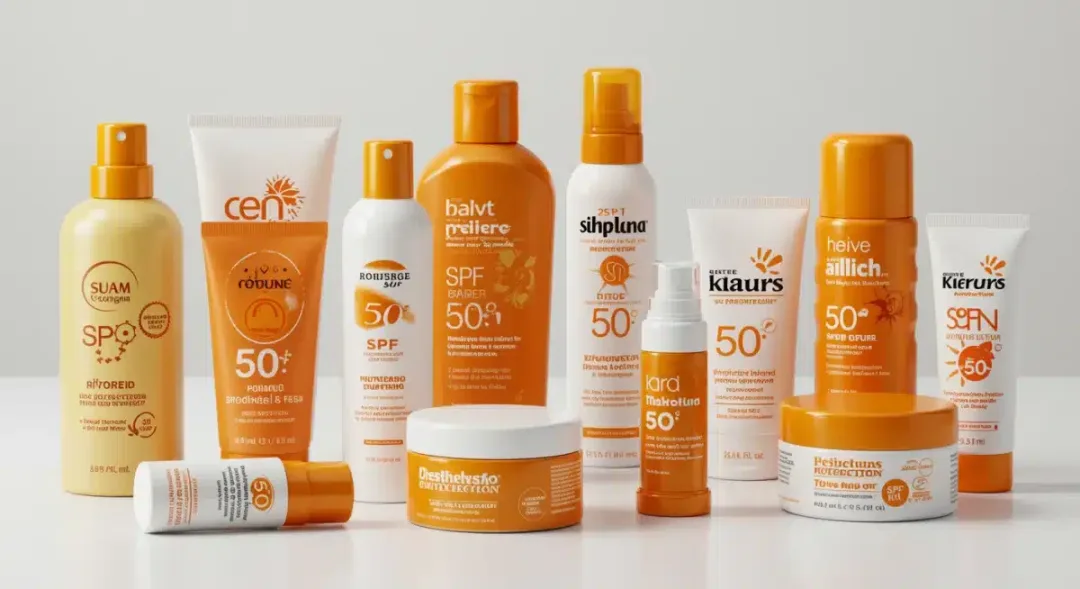
While sunscreen is a cornerstone of sun protection, it’s just one piece of the puzzle. A holistic approach that combines SPF with other protective measures offers the most comprehensive defense against UV damage year-round. Thinking beyond just a bottle of lotion allows for a more robust strategy.
Physical barriers are incredibly effective in blocking UV rays. This includes seeking shade, especially during peak sun hours, and wearing protective clothing. These methods offer immediate and consistent protection without the need for reapplication in the same way sunscreen does.
Protective Clothing and Accessories
Integrating sun-protective apparel and accessories into your daily wardrobe is a smart and often overlooked SPF secret for year-round defense.
- UPF Clothing: Look for clothing with a Ultraviolet Protection Factor (UPF) label. This indicates how much UV radiation a fabric blocks. A UPF of 30+ is generally recommended. Many brands now offer stylish and comfortable UPF clothing.
- Wide-Brimmed Hats: A hat with a brim of at least 3 inches all around provides excellent shade for your face, ears, and neck. Baseball caps only protect your face, leaving your ears and neck exposed.
- Sunglasses: Choose sunglasses that block 99-100% of both UVA and UVB rays. This protects the delicate skin around your eyes and helps prevent cataracts and other eye damage.
Timing your outdoor activities can also significantly reduce your UV exposure. The sun’s rays are strongest between 10 AM and 4 PM. If possible, schedule outdoor tasks or recreation outside of these peak hours. If you must be outdoors during this time, prioritize seeking shade under trees, umbrellas, or awnings.
Remember that even on cloudy days or in cooler weather, UV radiation is still present. Therefore, these holistic strategies should be employed consistently, not just when the sun feels intense. Combining these methods with daily broad-spectrum SPF application creates a formidable shield against year-round sun damage, truly harnessing the power of SPF secrets.
Incorporating SPF into Your Daily Skincare Routine
Making SPF application a non-negotiable step in your daily skincare routine is perhaps the most vital of all SPF secrets year-round. It’s not about adding an extra chore, but integrating it seamlessly so it becomes as natural as brushing your teeth. Consistency is key to long-term skin health.
Start by choosing a sunscreen that you enjoy using. If the texture is pleasant, it doesn’t leave a white cast, or it doubles as a moisturizer, you’re more likely to apply it consistently. Experiment with different formulations—lotions, gels, sprays, sticks—until you find what works best for your skin type and preferences.
Layering SPF with Other Skincare Products
Knowing where SPF fits into your existing routine is crucial for maximum efficacy. Generally, sunscreen should be the last step in your morning skincare, before makeup.
- Cleanse and Tone: Begin with your usual cleansing and toning steps.
- Serums and Treatments: Apply any serums (e.g., vitamin C serum for added antioxidant protection) or targeted treatments.
- Moisturizer: If your sunscreen isn’t hydrating enough, apply your regular moisturizer. Allow it to absorb fully.
- Sunscreen: Apply your broad-spectrum SPF as the final layer before any makeup. This creates a protective barrier over your skin.
- Makeup: If you wear makeup, apply it after your sunscreen has had a minute or two to set.
For those who prefer a more streamlined approach, consider multi-tasking products. Many moisturizers and foundations now include SPF, but remember the caveat that you might not apply enough to achieve the stated SPF. A dedicated sunscreen is always the most reliable option for foundational protection.

Even on days when you plan to stay mostly indoors, make it a habit to apply SPF. UV rays penetrate windows, and brief exposures add up over time. By making SPF a daily ritual, you’re not just preventing sunburn; you’re actively working to prevent premature aging, hyperpigmentation, and significantly reducing your risk of skin cancer. This consistent, year-round commitment is the ultimate SPF secret for maintaining radiant, healthy skin.
The Long-Term Benefits of Consistent SPF Use
Embracing and consistently applying SPF secrets year-round extends far beyond immediate sunburn prevention. It’s an investment in your skin’s long-term health, appearance, and resilience against the cumulative damage inflicted by UV radiation. The benefits are profound and manifest over years of dedicated protection.
One of the most visible long-term benefits is the significant reduction in premature aging. Chronic sun exposure is the leading cause of fine lines, wrinkles, and sagging skin. By shielding your skin from UVA rays daily, you preserve collagen and elastin, the proteins responsible for skin’s firmness and elasticity, thus maintaining a more youthful complexion for longer.
Preventing Hyperpigmentation and Skin Cancer
Beyond aesthetics, consistent SPF use plays a critical role in preventing serious skin conditions. It’s a proactive measure that safeguards both the beauty and health of your skin.
- Even Skin Tone: Daily SPF helps prevent and reduce the appearance of sunspots, age spots, and uneven skin tone (hyperpigmentation). It also protects against melasma, a common condition characterized by dark patches, which can be exacerbated by sun exposure.
- Reduced Skin Cancer Risk: Most importantly, consistent use of broad-spectrum SPF significantly lowers your risk of developing skin cancers, including melanoma, basal cell carcinoma, and squamous cell carcinoma. These are serious, potentially life-threatening conditions.
The cumulative effect of daily sun exposure, even incidental exposure, adds up over a lifetime. This cumulative damage is largely responsible for photoaging and the increased risk of skin cancer. By making sun protection a daily, year-round habit, you are actively mitigating this damage, safeguarding your skin’s cellular health.
Furthermore, healthy skin is more resilient and better able to perform its barrier functions, protecting your body from environmental aggressors. Consistent SPF use helps maintain this protective barrier, contributing to overall skin vitality. The long-term advantages of incorporating these SPF secrets into your daily life are undeniable, leading to healthier, more radiant skin for years to come. It’s a simple, yet incredibly powerful, habit for enduring well-being.
| Key Aspect | Brief Description |
|---|---|
| Year-Round Necessity | UV rays penetrate clouds and windows daily, making SPF crucial regardless of weather or season. |
| Broad-Spectrum SPF | Protects against both UVA (aging) and UVB (burning) rays, essential for comprehensive defense. |
| Proper Application | Apply sufficient quantity (two-finger rule for face) and reapply every two hours, or more often if sweating/swimming. |
| Holistic Protection | Combine SPF with shade, UPF clothing, hats, and sunglasses for maximum protection. |
Frequently Asked Questions About Year-Round SPF
Do I really need to wear SPF on cloudy days?▼Yes, absolutely. Up to 80% of the sun’s UV rays can penetrate clouds, meaning your skin is still vulnerable to damage even on overcast days. UVA rays, responsible for aging, are consistently present regardless of weather. Daily SPF application is crucial for year-round protection.
Can I get enough sun protection from makeup with SPF?▼While makeup with SPF offers some minimal protection, it’s generally not sufficient. Most people don’t apply enough makeup to achieve the stated SPF label. It’s always recommended to use a dedicated broad-spectrum sunscreen underneath your makeup for adequate and reliable sun protection.
What SPF level should I use daily?▼Dermatologists typically recommend using a broad-spectrum sunscreen with an SPF of 30 or higher for daily use. SPF 30 blocks about 97% of UVB rays. While higher SPFs offer slightly more protection, consistent application and reapplication are more important than chasing the absolute highest number.
How often should I reapply sunscreen during the day?▼You should reapply broad-spectrum sunscreen at least every two hours, especially if you are outdoors. If swimming or sweating heavily, reapply more frequently, as indicated by the product’s water-resistant claims (e.g., every 40 or 80 minutes). Even indoors, consider reapplication if near sunny windows.
Is sun protection necessary for darker skin tones?▼Yes, absolutely. While darker skin has more melanin and a higher natural SPF, it is still susceptible to sun damage, sunburn, premature aging, and skin cancer. Sunscreen also helps prevent and improve hyperpigmentation, a common concern for darker skin tones. Everyone benefits from daily SPF.
Conclusion
Mastering SPF secrets year-round is not merely a suggestion; it’s a critical component of a comprehensive approach to skin health and longevity. By understanding the pervasive nature of UV radiation, debunking common myths about sun exposure, and committing to proper application techniques, you empower yourself to protect your skin from the daily assault of the sun. The consistent integration of broad-spectrum SPF, coupled with holistic strategies like protective clothing and seeking shade, forms an impenetrable defense against premature aging, hyperpigmentation, and the far more serious threat of skin cancer. This daily ritual is a small effort that yields tremendous, lasting benefits, ensuring your skin remains healthy, vibrant, and resilient for years to come. Make year-round sun protection an unwavering priority, and your skin will thank you.