
Ads
Mastering how to style a scarf can instantly elevate any outfit, offering versatile creative ways to accessorize from a chic neck wrap to a sophisticated headpiece, enhancing personal style with ease and elegance.
Are you looking to refresh your wardrobe without buying new clothes? Learning how to style a scarf can be a game-changer, offering an effortless yet impactful way to transform any ensemble. Scarves are not just for warmth; they are perhaps one of the most versatile accessories in any fashionista’s arsenal, allowing for endless creative ways to accessorize your outfit. This guide will delve into five innovative methods to incorporate scarves into your daily wear, proving that a single piece of fabric can dramatically alter your look and express your unique style.
The classic neck wrap: timeless elegance redefined
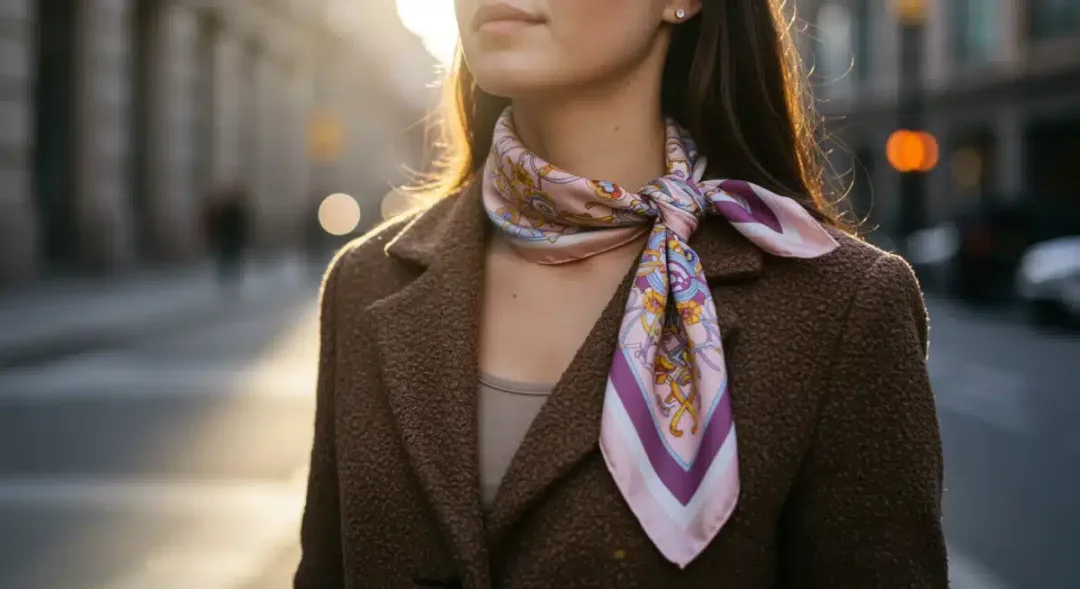
The classic neck wrap is arguably the most recognized and beloved way to wear a scarf, yet its potential for variation is often underestimated. Far from being a mere functional item for warmth, a scarf draped or tied around the neck can serve as the focal point of an outfit, adding a touch of sophistication, color, or texture. This method is incredibly adaptable, suitable for everything from a casual brunch to a formal evening event, depending on the scarf’s material, pattern, and the specific tying technique.

Understanding the nuances of the classic neck wrap involves considering the scarf’s dimensions and fabric. A square silk scarf might lend itself to a neat, tight knot, offering a polished finish, while a longer, rectangular wool scarf could be looped loosely for a more relaxed, bohemian vibe. The choice of knot or drape can also convey different messages. A simple loop can be effortlessly chic, whereas a more intricate knot, like the French knot, suggests a meticulous attention to detail.
Choosing the right scarf for your neck wrap
Selecting the perfect scarf for a neck wrap depends heavily on the desired aesthetic and the prevailing weather. Lighter fabrics like silk or chiffon are ideal for warmer months or indoor settings, providing a delicate accent without adding bulk. Heavier materials such as wool, cashmere, or chunky knits are perfect for colder climates, offering both style and essential warmth. The pattern and color also play a crucial role, allowing you to either complement your existing outfit or introduce a striking contrast.
- Silk scarves: Best for elegant, structured knots; ideal for business casual or formal wear.
- Cotton scarves: Versatile for everyday use; can be tied in various relaxed styles.
- Wool or cashmere scarves: Excellent for warmth and texture; perfect for loose drapes or cozy wraps.
- Chiffon scarves: Lightweight and airy; suitable for soft, flowing knots or simple drapes.
Experimenting with different lengths and widths can also open up new possibilities. A shorter scarf might be perfect for a choker-style wrap, while an extra-long scarf can be looped multiple times for a voluminous effect. The goal is to find a balance between comfort, style, and the overall harmony with your outfit. The classic neck wrap, therefore, is not just one style but a spectrum of possibilities waiting to be explored, making it an indispensable technique in learning how to style a scarf.
The chic headwrap: a statement of confidence
Transforming a scarf into a headwrap is a powerful fashion statement that exudes confidence and flair. This method not only adds an artistic touch to your ensemble but also serves practical purposes, such as protecting your hair from the elements or concealing a bad hair day. From bohemian chic to sophisticated elegance, the headwrap offers a diverse range of styles, each capable of conveying a unique aesthetic. The beauty of the headwrap lies in its versatility, adapting to various scarf types and personal preferences.
When considering a headwrap, the size and material of your scarf are paramount. Larger, square scarves made from soft, pliable fabrics like silk, cotton, or rayon are generally the easiest to work with, allowing for ample fabric to create volume and intricate knots. Smaller scarves can still be used, but they might result in a more minimalist look, such as a headband or a simple tie-back. The process of tying a headwrap is an art form in itself, with numerous techniques ranging from a simple knot to a complex turban.
Exploring different headwrap techniques
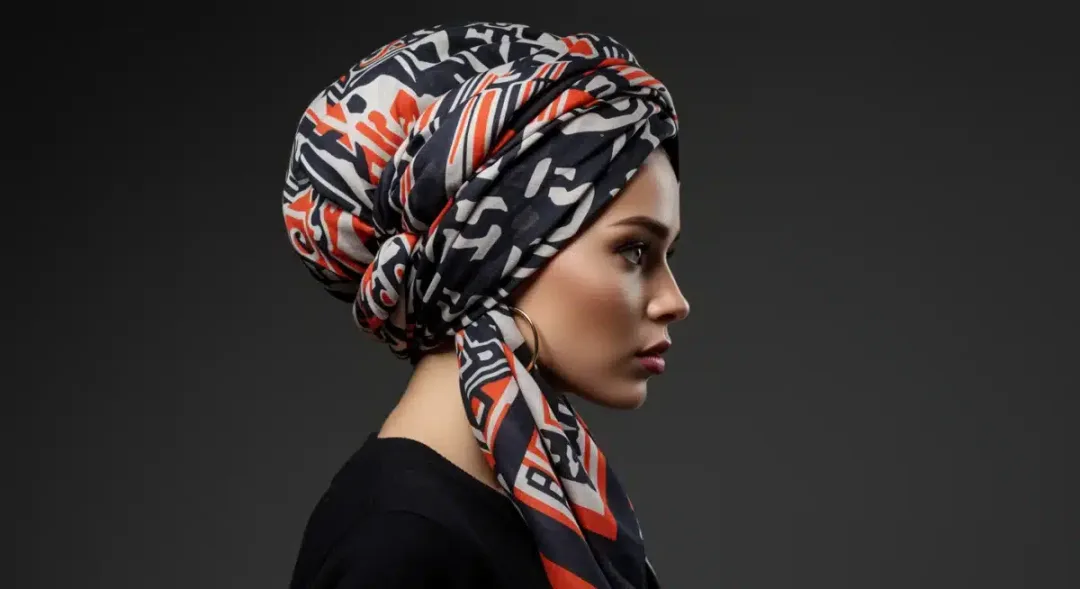
The world of headwraps is rich with creative possibilities, each offering a distinct look. A basic tie-back can provide a casual, laid-back vibe, perfect for a day out. For a more dramatic effect, consider a full turban wrap, which can be achieved with a larger scarf and a bit of practice. The key is to secure the scarf firmly enough to stay in place without being uncomfortably tight. Experimentation is encouraged to find the style that best suits your face shape and personal fashion sense.
- The classic turban: Requires a large, square scarf; offers full head coverage and a voluminous look.
- The bohemian band: A narrower scarf or a folded larger one, tied at the nape of the neck or to the side.
- The braided wrap: Involves braiding the scarf with sections of your hair for an integrated look.
- The top knot: A playful style where the scarf is tied into a prominent knot at the top of the head.
Accessorizing with a headwrap goes beyond just tying it; it’s about integrating it seamlessly into your overall outfit. The colors and patterns of your scarf can complement or contrast with your clothing, creating a cohesive or bold statement. A headwrap can elevate a simple dress, add an edge to a denim-and-tee combo, or even enhance a formal gown. It’s a testament to the transformative power of knowing how to style a scarf, turning a simple accessory into a crowning glory that speaks volumes about your individual style and confidence.
The versatile belt: cinching your style
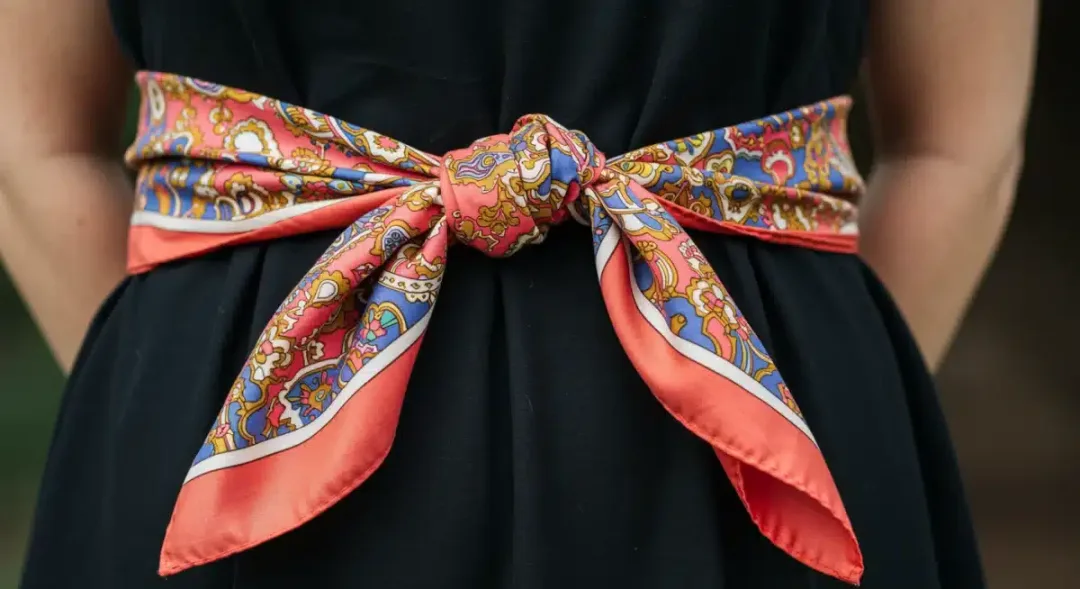
Beyond traditional neck and head adornments, a scarf can ingeniously double as a stylish belt, offering a fresh perspective on accessorizing. This creative approach allows you to define your waistline, add a splash of color or pattern, and inject personality into otherwise understated outfits. Using a scarf as a belt is an excellent way to repurpose your collection, giving new life to pieces that might otherwise be reserved for specific seasons or occasions. It’s a simple yet effective technique for those looking to master how to style a scarf in unexpected ways.
The success of a scarf-as-belt look often hinges on the scarf’s dimensions and fabric. Longer, rectangular scarves made from materials that drape well, such as silk, cotton, or modal, are typically the best candidates. The length should be sufficient to wrap around your waist and allow for a decorative knot or bow. Thicker, bulkier scarves might not be suitable as they can add unwanted volume, though a thinner wool scarf could work for a more rustic, autumnal feel. The key is to choose a scarf that complements the texture and style of the garment it’s cinching.
Creative ways to tie a scarf belt
Once you’ve selected your scarf, the tying technique opens up a realm of creative possibilities. A simple knot at the front or side can create a relaxed, effortless vibe, perfect for casual dresses or oversized shirts. For a more polished look, consider a neat bow or even a half-bow, which adds a touch of feminine charm. You can also thread the scarf through belt loops for a more traditional belt appearance, allowing the ends to hang loosely or be tied into a small knot. The choice depends on the aesthetic you’re aiming for and the garment you’re pairing it with.
- Simple knot: Effortless and chic, ideal for casual dresses or tunics.
- Decorative bow: Adds a feminine touch to skirts, wide-leg pants, or jumpsuits.
- Threaded through loops: Mimics a traditional belt, great for jeans or trousers.
- Double wrap: For longer scarves, wrap twice around the waist before tying for added definition.
A scarf belt can dramatically alter the silhouette of an outfit, transforming a shapeless dress into a flattering ensemble or adding structure to a flowing top. It’s also an excellent way to introduce a pop of color or an interesting pattern, breaking up monochromatic looks. This method showcases the scarf’s incredible versatility, proving that it’s not just an accessory for the neck or head, but a dynamic tool for enhancing your entire wardrobe. Embracing the scarf as a belt is a clear indication of a keen understanding of how to style a scarf with creativity and purpose.
The bag accessory: personalizing your carry-all
Elevating a handbag from a mere functional item to a statement piece can be effortlessly achieved by adding a scarf as an accessory. This technique is a brilliant way to personalize your carry-all, infuse it with your unique style, and even refresh an older bag without a significant investment. Whether it’s a subtle touch of color or a bold pattern, a scarf tied onto a bag can significantly enhance its aesthetic appeal, making it a focal point of your outfit. It’s a clever trick for anyone looking to master how to style a scarf in inventive ways.
When selecting a scarf for your bag, consider its size, material, and pattern in relation to the bag’s design. Smaller, square silk scarves or skinny scarves (twillies) are often ideal for this purpose, as they offer enough length to tie elegantly without overwhelming the bag. Lighter fabrics are preferable, allowing for graceful drapes and knots. The pattern and color should either complement the bag’s existing hue or provide a deliberate contrast that catches the eye. A solid-colored bag, for instance, can be beautifully enlivened by a vibrant, patterned scarf.
Innovative ways to adorn your bag with a scarf
There are several creative methods to attach a scarf to your handbag, each offering a distinct look. A simple knot tied around one of the bag’s handles can create a casual yet chic accent. For a more sophisticated touch, you can meticulously wrap the scarf around the entire length of a handle, transforming its appearance and offering a comfortable grip. Another popular method involves tying a bow or a ribbon-like knot to the base of a handle or directly onto a metal ring or zipper pull, allowing the ends to flutter playfully.
- Handle wrap: Fully wrap one or both handles for a luxurious and customized look.
- Simple knot: Tie a single knot around a handle for an understated pop of color.
- Ribbon bow: Create a neat bow at the base of a handle or on a bag charm for a feminine touch.
- Braided onto strap: For bags with chain straps, weave a thin scarf through the links for an intricate detail.
Beyond aesthetics, a scarf on your bag can also be practical. It can distinguish your bag from others, making it easily identifiable, or even serve as a temporary hair tie or neck accessory in a pinch. This method allows for endless creativity, enabling you to switch up your bag’s look as often as you change your outfit. By incorporating a scarf into your bag’s design, you demonstrate an acute understanding of fashion and the art of accessorizing, truly knowing how to style a scarf to its fullest potential.
The top or vest: an unexpected fashion twist
Perhaps one of the most audacious and creative ways to incorporate a scarf into your wardrobe is by transforming it into a piece of clothing itself, such as a top or a vest. This innovative approach pushes the boundaries of traditional accessorizing, turning a simple fabric into a striking garment. It’s an excellent method for expressing individuality and sustainability, as it repurposes existing items into entirely new fashion statements. For those confident in their styling abilities, learning how to style a scarf as a top or vest is a true testament to fashion ingenuity.
The success of this technique largely depends on the size and material of the scarf. Larger, square scarves, especially those made from silk, satin, or lightweight cotton, are ideal due to their generous dimensions and fluid drape. These fabrics allow for comfortable wear and elegant folds when tied around the body. Smaller scarves might be suitable for bandeau-style tops or as decorative overlays, but for a more substantial garment, a significant amount of fabric is necessary. The key is to select a scarf that offers enough coverage and structural integrity when worn as clothing.
Creative transformations: scarf to garment
The methods for converting a scarf into a top or vest are surprisingly diverse, ranging from simple wraps to more intricate knots that create a tailored look. A common technique for a top involves folding a large square scarf diagonally into a triangle and tying the two ends behind the neck and the bottom two ends around the waist, creating a halter-neck style. For a strapless look, the scarf can be wrapped around the bust and tied securely at the back. When aiming for a vest, a very large rectangular scarf can be draped over the shoulders and secured with a belt at the waist or simply left open to flow.
- Halter top: Use a large square scarf, fold diagonally, tie ends around neck and waist.
- Bandeau top: A rectangular scarf wrapped tightly around the bust, tied at the back.
- Open vest: A large rectangular scarf draped over shoulders, left open or cinched with a belt.
- Tied tunic: Combine two smaller scarves or a very large one to create a flowing, asymmetrical tunic.
Wearing a scarf as a top or vest requires a certain level of confidence and an understanding of how to layer and accessorize to complete the look. These scarf-garments pair beautifully with high-waisted trousers, skirts, or shorts, creating a balanced silhouette. They are perfect for warm weather, beach outings, or as unique pieces for evening wear. This innovative application underscores the incredible versatility of scarves, demonstrating that with a little creativity, they can be transformed from simple accessories into the main event of an outfit, truly mastering how to style a scarf in the most unexpected and fashionable ways.
Layering and texture play: enhancing depth
Beyond individual styling techniques, the art of layering scarves and playing with textures offers an advanced dimension to accessorizing. This method focuses on building depth and visual interest in an outfit, moving beyond a single scarf statement to a more complex and curated look. Layering can involve combining multiple scarves or integrating a scarf with other garments to create a rich tapestry of materials and patterns. It’s a sophisticated way to enhance an ensemble, showcasing a deep understanding of how to style a scarf with nuanced flair.
Successful layering with scarves requires an eye for balance and harmony. When combining multiple scarves, consider varying their lengths, widths, and textures to avoid a bulky or overwhelming effect. For instance, a thin silk scarf can be layered over a chunky knit scarf for a contrast in texture, while scarves of different patterns but complementary color palettes can create a cohesive yet dynamic look. The goal is to build visual interest without creating clutter, ensuring each piece contributes to the overall aesthetic.
Strategic layering for maximum impact
Integrating scarves with other clothing items also falls under the umbrella of layering. A scarf can be worn under a blazer, peeking out to add a pop of color, or over a coat, providing an extra layer of warmth and style. The interplay of different fabrics—like a delicate chiffon scarf against a rugged leather jacket or a soft cashmere scarf over a crisp cotton shirt—creates tactile appeal and visual depth. This approach allows for endless experimentation, adapting to various seasons and personal styles.
- Contrast textures: Pair a smooth silk scarf with a textured knit or wool garment for tactile interest.
- Color blocking: Use scarves in complementary or contrasting solid colors to create distinct layers.
- Pattern mixing: Combine a patterned scarf with a subtle print on your clothing, ensuring patterns don’t clash.
- Underneath outerwear: Wear a scarf under a jacket or coat, allowing it to peek out for a subtle accent.
The beauty of layering and texture play lies in its ability to transform an ordinary outfit into something extraordinary. By carefully selecting and combining scarves, you can create an ensemble that feels rich, thoughtful, and deeply personal. This method is particularly effective in transitional weather, allowing for adaptable warmth and style. Mastering this aspect of how to style a scarf not only elevates your fashion game but also demonstrates an advanced capability in curating looks that are both stylish and uniquely yours, adding an unparalleled depth to your daily wardrobe choices.
| Styling Method | Brief Description |
|---|---|
| Neck Wrap | Classic way to add elegance, warmth, or a pop of color around the neck. |
| Headwrap | A confident statement, protecting hair or adding unique flair. |
| Belt | Cinches the waist, adds definition, and infuses personality into outfits. |
| Bag Accessory | Personalizes handbags, adding style and transforming its look. |
Frequently asked questions about scarf styling
What type of scarf is most versatile for styling?▼A medium-sized square scarf (around 35×35 inches) made of silk or a silk-blend is incredibly versatile. Its dimensions allow for various neck ties, headwraps, and even bag adornments, while the smooth fabric drapes beautifully and holds knots well, making it perfect for experimenting with different looks.
How can I choose a scarf that complements my outfit?▼Consider the color palette and overall style of your outfit. A scarf can either complement by matching a subtle tone or contrast boldly to add a pop of color. Pay attention to patterns; if your outfit is busy, opt for a solid scarf, and vice-versa, to maintain balance.
Are there specific scarf styles for different seasons?▼Absolutely. Lightweight fabrics like silk, chiffon, or cotton are ideal for spring and summer, often worn as headwraps or bag accessories. For fall and winter, opt for warmer materials such as wool, cashmere, or chunky knits, perfect for cozy neck wraps and layering for added warmth.
Can men incorporate scarves into their outfits creatively?▼Yes, men can certainly incorporate scarves creatively. Beyond the classic drape, scarves can be tied in a sophisticated Parisian knot, a simple ascot, or even used as a pocket square for a touch of elegance. Choosing patterns and textures that align with their personal style is key to a polished look.
What’s a quick way to elevate a simple outfit with a scarf?▼A quick and effective way is to tie a brightly colored or patterned silk scarf in a simple knot around your neck, allowing the ends to hang. This instantly adds a focal point and a touch of sophistication to a plain t-shirt and jeans or a monochromatic dress, transforming the entire look.
Conclusion
Embracing the art of scarf styling opens up a world of possibilities for personal expression and wardrobe revitalization. From the timeless elegance of a neck wrap to the bold statement of a headwrap, the unexpected charm of a scarf used as a belt or bag accessory, and the daring transformation into a top or vest, the versatility of this single accessory is truly remarkable. By exploring these five creative ways to accessorize your outfit, you not only enhance your fashion repertoire but also cultivate a more sustainable approach to style, making the most of what you already own. Mastering how to style a scarf is more than just learning knots; it’s about understanding how a piece of fabric can reflect your personality, adapt to any occasion, and inject a fresh perspective into your daily attire, proving that true style often lies in the details and the creative application of classic pieces.