

Ads
Building an eco-friendly wardrobe in 2026 without breaking the bank requires strategic planning, prioritizing conscious consumption, and leveraging resources like second-hand markets and ethical brands to achieve sustainable style economically.
Are you ready to embrace sustainable fashion 2026 and build an eco-friendly wardrobe without emptying your wallet? The journey towards a more conscious closet doesn’t have to be expensive; in fact, it can be an incredibly rewarding and budget-smart endeavor that benefits both you and the planet.
Understanding the Landscape of Sustainable Fashion 2026
The fashion industry is undergoing a significant transformation, with sustainability becoming a core concern for consumers and brands alike. In 2026, understanding what truly constitutes sustainable fashion is more crucial than ever. It’s not just about organic cotton; it encompasses the entire lifecycle of a garment, from its raw materials to its eventual disposal.
Consumers are increasingly aware of the environmental and social impacts of fast fashion. This growing consciousness is driving demand for transparency, ethical production, and innovative materials. As a result, brands are adapting, and new opportunities for conscious consumption are emerging, making it easier for individuals to make responsible choices.
The Pillars of Sustainable Fashion
Sustainable fashion rests on several key principles that guide responsible clothing choices. Embracing these pillars helps minimize your wardrobe’s environmental footprint and supports ethical practices throughout the supply chain.
- Eco-friendly materials: Prioritizing fabrics like organic cotton, linen, hemp, Tencel, and recycled synthetics that require fewer resources or have a lower environmental impact.
- Ethical production: Supporting brands that ensure fair wages, safe working conditions, and no child labor for their garment workers.
- Durability and longevity: Choosing high-quality items designed to last, reducing the need for frequent replacements and minimizing waste.
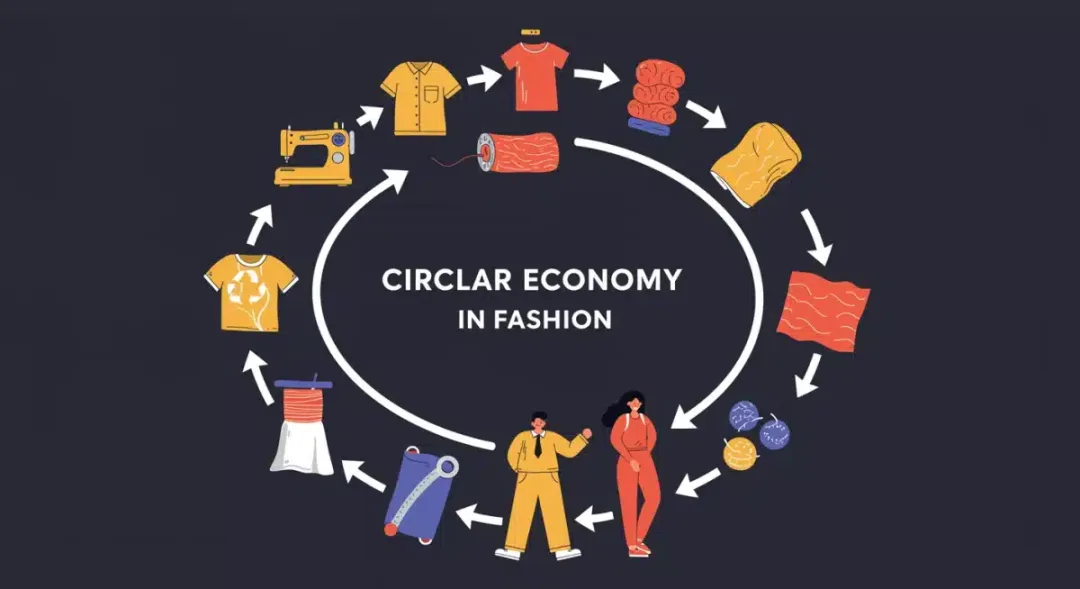
- Circular economy principles: Embracing practices like repairing, reusing, recycling, and upcycling clothes to keep them out of landfills.
By focusing on these fundamental aspects, you can navigate the complex world of fashion with greater confidence. The goal is to move away from a linear ‘take-make-dispose’ model towards a more regenerative system where resources are valued and conserved.

Understanding these foundational elements is the first step in building a truly sustainable wardrobe. It empowers you to ask the right questions, seek out the right products, and make choices that align with your values.
Auditing Your Current Wardrobe: The First Step to Sustainability
Before you even think about buying new sustainable pieces, the most impactful step you can take is to thoroughly audit your existing wardrobe. This process helps you understand what you already own, identify gaps, and recognize items that no longer serve you. It’s a foundational exercise for anyone committed to building an eco-friendly closet.
A wardrobe audit encourages mindful consumption by revealing patterns in your purchasing habits. You might discover that you own multiple similar items, or that many pieces are rarely worn. This insight is invaluable for preventing future impulse buys and making more deliberate choices.
Decluttering with Purpose
Decluttering isn’t just about making space; it’s about making conscious decisions about each garment. As you go through your clothes, categorize them based on their condition and your attachment to them. This systematic approach helps you decide what to keep, what to repair, and what to responsibly rehome.
- Keep: Items you love, wear regularly, and that fit well. These form the core of your sustainable wardrobe.
- Repair: Garments with minor damage that can be easily fixed, extending their lifespan.
- Donate/Sell: Clothes in good condition that you no longer need but someone else could use.
- Recycle: Textiles that are beyond repair or reuse can often be recycled through specialized programs.
This process also highlights what you truly need versus what you merely want. By being honest with yourself during the audit, you lay the groundwork for a more functional and sustainable wardrobe that reflects your personal style and values.
Completing a thorough wardrobe audit is a powerful way to kickstart your journey into sustainable fashion 2026. It reduces waste, saves money, and provides clarity on your true style needs, setting a strong foundation for future sustainable purchases.
Embracing Second-Hand and Vintage Finds
One of the most effective and budget-friendly strategies for building a sustainable wardrobe is to embrace second-hand and vintage clothing. These options significantly reduce the demand for new production, conserving resources and minimizing waste. The thrill of finding unique pieces also adds a special charm to your style.
The market for pre-loved clothing has expanded dramatically, with numerous platforms and stores making it easier than ever to discover hidden gems. From local thrift stores to high-end consignment shops and online marketplaces, the possibilities are vast and cater to every budget and style preference.
Where to Find Sustainable Second-Hand Treasures
Knowing where to look is key to successful second-hand shopping. Each avenue offers a different experience and selection, allowing you to tailor your search to your specific needs and preferences.
- Thrift Stores and Charity Shops: Excellent for affordable basics and unexpected finds. Prices are typically very low, making them ideal for budget-conscious shoppers.
- Consignment Stores: Offer a curated selection of higher-quality, often designer, items. While slightly pricier than thrift stores, they still provide significant savings compared to new.
- Online Marketplaces: Platforms like ThredUp, Poshmark, eBay, and Depop connect buyers and sellers globally, offering an immense variety of styles, brands, and sizes.
- Vintage Boutiques: Specializing in unique pieces from past eras, these shops are perfect for adding character and individuality to your wardrobe.
When shopping second-hand, always inspect garments carefully for quality and condition. Look for durable fabrics and well-constructed seams. Don’t be afraid to try on items, as sizing can vary. Remember, a little creativity can transform a simple second-hand piece into a standout item.
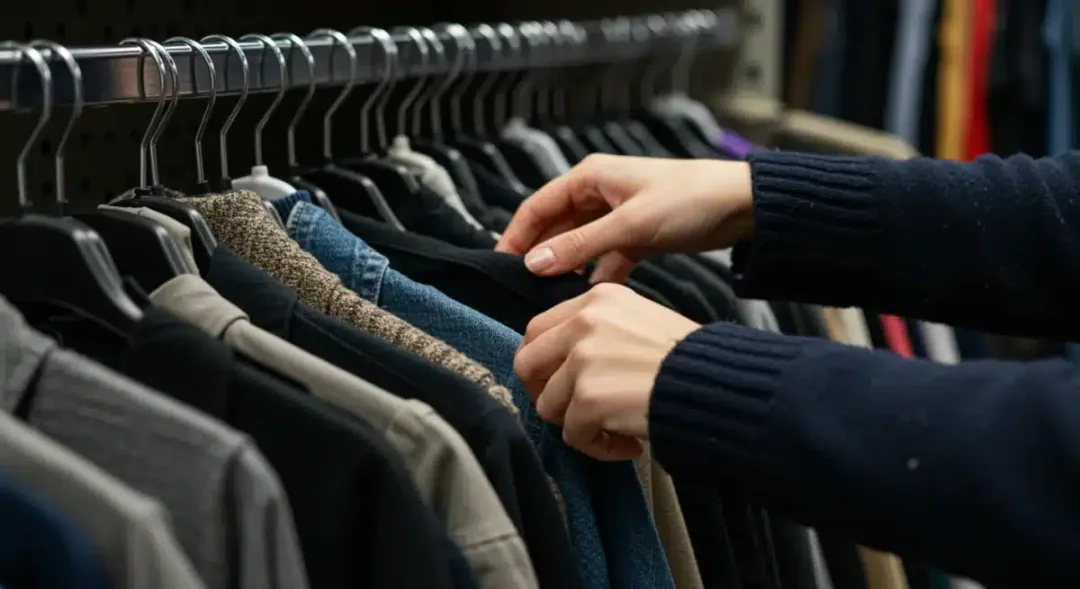
Embracing second-hand fashion is not only a budget-friendly choice but also a powerful statement for environmental sustainability. It champions the idea of extending a garment’s life, reducing textile waste, and fostering a more circular economy in fashion.
Investing in Quality Over Quantity: The Capsule Wardrobe Approach
A cornerstone of sustainable fashion 2026, especially when on a budget, is the philosophy of investing in quality over quantity. This approach, often embodied by the capsule wardrobe concept, encourages you to buy fewer, better-made items that will last longer and serve multiple purposes. It’s about maximizing versatility and minimizing consumption.
Fast fashion thrives on frequent, inexpensive purchases, leading to a cycle of low-quality items that quickly wear out and end up in landfills. By contrast, a capsule wardrobe focuses on timeless pieces that can be mixed and matched, reducing the need for constant updates and saving money in the long run.
Building Your Sustainable Capsule Wardrobe
Creating a capsule wardrobe requires thoughtful planning and a clear understanding of your personal style and needs. It’s about curation, not deprivation, and focuses on maximizing the utility of each garment you own.
- Identify your core style: Understand what colors, silhouettes, and fabrics make you feel best and are suitable for your lifestyle.
- Choose versatile pieces: Select items that can be dressed up or down, layered, and combined in many different ways.
- Prioritize natural and durable materials: Opt for fabrics like organic cotton, linen, wool, and Tencel, known for their longevity and lower environmental impact.
- Stick to a cohesive color palette: This makes mixing and matching effortless and ensures all pieces work together harmoniously.
While the initial investment for a high-quality piece might be higher, its extended lifespan and reduced need for replacement translate into significant savings over time. Furthermore, owning fewer items means less clutter and an easier daily routine.
Adopting a capsule wardrobe strategy is a powerful step towards sustainable living. It encourages mindful consumption, reduces textile waste, and allows you to cultivate a distinctive and enduring personal style without continuously buying new clothes.
DIY, Repair, and Upcycle: Extending Garment Life
Beyond conscious purchasing, actively participating in the care and transformation of your clothes is a vital aspect of sustainable fashion 2026. Learning basic repair skills, embracing DIY projects, and exploring upcycling can significantly extend the life of your garments, keeping them out of landfills and saving you money.
Many clothes are discarded due to minor damages that could easily be fixed. A missing button, a small tear, or a loose hem often leads to an item being cast aside. By learning simple mending techniques, you can rescue these pieces and continue to enjoy them for years to come.
Practical Ways to Extend Your Clothes’ Lifespan
Empowering yourself with practical skills and a creative mindset can turn clothing maintenance into a sustainable hobby. These actions not only save resources but also foster a deeper appreciation for your wardrobe.
- Basic repairs: Learn to sew on buttons, mend small rips, and reattach loose seams. Online tutorials and local workshops can provide easy guidance.
- Alterations: Adjusting ill-fitting garments, like hemming pants or taking in a waist, can transform an unwearable item into a favorite.
- Upcycling projects: Turn old jeans into shorts, t-shirts into tote bags, or sweaters into mittens. This creative reuse gives new life to discarded textiles.
- Proper care: Following washing instructions, air-drying when possible, and storing clothes correctly can prevent premature wear and tear.
Embracing DIY and repair culture not only reduces waste but also fosters a sense of accomplishment and individuality. It allows you to personalize your wardrobe and express your creativity, moving away from mass-produced uniformity.
By actively engaging in the repair and upcycling of your clothes, you become a more responsible and resourceful fashion consumer. This hands-on approach is a testament to the principles of sustainable fashion, proving that style and longevity can go hand-in-hand without requiring constant new purchases.
Navigating Sustainable Brands on a Budget
While second-hand shopping and DIY are excellent, there will inevitably be times when you need to purchase new items. Navigating the world of sustainable brands can seem daunting, especially with budget constraints. However, in sustainable fashion 2026, a growing number of brands are proving that ethical and eco-friendly practices don’t have to come with an exorbitant price tag.
The key is to research and identify brands that align with your values and offer transparent information about their supply chains and materials. Look for certifications and clear statements about their commitment to sustainability, ensuring you’re supporting genuinely ethical businesses.
Finding Affordable Ethical Options
It’s important to remember that ‘affordable’ in sustainable fashion often means a higher upfront cost than fast fashion, but a lower cost per wear due to superior quality and longevity. Seek out brands that prioritize specific sustainable practices to find your best fit.
- Focus on capsule-friendly brands: Many sustainable brands design timeless, versatile pieces intended to be mixed and matched, reducing the overall number of items you need.
- Look for sales and discounts: Ethical brands, like any retailer, often have seasonal sales. Sign up for newsletters to be informed of these opportunities.
- Consider sustainable basics: Brands specializing in high-quality, eco-friendly basics (t-shirts, leggings, underwear) are often more affordable and form the foundation of any wardrobe.
- Explore smaller, independent labels: These brands sometimes offer competitive pricing due to lower overheads and direct-to-consumer models, while maintaining strong ethical commitments.
When evaluating sustainable brands, consider their use of materials (recycled, organic, upcycled), their labor practices, and their commitment to reducing waste. Websites like Good On You provide ratings and information on various brands’ sustainability efforts, making your research easier.
By making informed choices and strategically seeking out brands that balance ethics with affordability, you can successfully integrate new, sustainable pieces into your wardrobe without compromising your financial goals. It’s about smart shopping and supporting a better future for fashion.
The Future of Your Eco-Friendly Wardrobe in 2026 and Beyond
As we look towards sustainable fashion 2026 and the years that follow, the journey to an eco-friendly wardrobe is an ongoing evolution, not a one-time event. It involves continuous learning, adapting to new innovations, and refining your personal approach to conscious consumption. The landscape of sustainable fashion is dynamic, with new materials, technologies, and business models constantly emerging.
Your eco-friendly wardrobe isn’t just about the clothes themselves; it’s a reflection of a deeper commitment to environmental stewardship and social responsibility. It’s about making choices that resonate with your values and contribute to a healthier planet.
Staying Informed and Adapting
To maintain a truly sustainable approach, it’s beneficial to stay updated on the latest developments in ethical fashion. This involves understanding new textile innovations, emerging certifications, and the evolving responsibilities of brands and consumers alike.
- Follow sustainable fashion news: Keep up with blogs, publications, and social media accounts dedicated to ethical and sustainable fashion.
- Support policy changes: Advocate for legislation that promotes sustainability and ethical practices within the fashion industry.
- Share your knowledge: Inspire friends and family by sharing your insights and experiences in building a sustainable wardrobe.
- Embrace innovation: Be open to trying new sustainable materials and technologies as they become more accessible and affordable.
The future of fashion is undeniably sustainable, and your choices today contribute to shaping that future. By continuously engaging with these principles, you not only build a responsible wardrobe but also become an active participant in a global movement towards a more ethical and environmentally sound industry.
Ultimately, your eco-friendly wardrobe in 2026 signifies a commitment to mindful living, demonstrating that style, ethics, and affordability can coexist. It’s a powerful statement that good fashion doesn’t have to cost the Earth, both literally and figuratively.
| Key Strategy | Brief Description |
|---|---|
| Wardrobe Audit | Assess existing clothes to understand needs, declutter, and identify items for repair or rehoming. |
| Second-Hand Shopping | Buy pre-loved items from thrift stores, consignment shops, or online platforms to reduce new production. |
| Quality Over Quantity | Invest in durable, versatile pieces for a capsule wardrobe, minimizing frequent purchases. |
| Repair & Upcycle | Extend the life of garments through mending, alterations, and creative transformation projects. |
Frequently Asked Questions About Sustainable Fashion 2026
What is the most impactful step for building a sustainable wardrobe on a budget?▼The most impactful step is conducting a thorough wardrobe audit. This helps you understand what you already own, identify items for repair or donation, and prevent unnecessary new purchases. It’s a zero-cost action with significant environmental benefits.
Is sustainable fashion always more expensive than fast fashion?▼Not necessarily. While some ethical brands have higher upfront costs, strategies like buying second-hand, repairing clothes, and focusing on quality over quantity can make sustainable fashion very budget-friendly. The ‘cost per wear’ is often lower for sustainable items.
How can I ensure a brand is truly sustainable and not just ‘greenwashing’?▼Look for transparency in their supply chain, certifications from reputable organizations (e.g., GOTS, Fair Trade), and clear information about their materials and labor practices. Research tools like Good On You can help verify a brand’s claims.
What are some key eco-friendly materials to look for in 2026?▼Prioritize materials like organic cotton, linen, hemp, Tencel (Lyocell), and recycled fabrics such as recycled polyester or nylon. These options generally have a lower environmental footprint compared to conventional alternatives.
Can I still be stylish with a sustainable and budget-friendly wardrobe?▼Absolutely! Sustainable fashion encourages creativity, individuality, and timeless style. By embracing second-hand, investing in versatile pieces, and personalizing items through DIY, you can cultivate a unique and chic wardrobe that’s also environmentally conscious.
Conclusion
Embracing sustainable fashion 2026 and building an eco-friendly wardrobe without breaking the bank is an achievable and deeply rewarding endeavor. It’s a journey that moves beyond fleeting trends, focusing instead on mindful consumption, ethical choices, and longevity. By auditing your current closet, prioritizing second-hand and vintage finds, investing in quality, and extending the life of your garments through repair and upcycling, you actively contribute to a healthier planet while cultivating a distinctive personal style. The evolving landscape of sustainable brands also offers increasing opportunities to make new purchases responsibly. Ultimately, a sustainable wardrobe reflects a powerful commitment to both personal values and global well-being, proving that conscious fashion can be both accessible and affordable for everyone.