
Ads
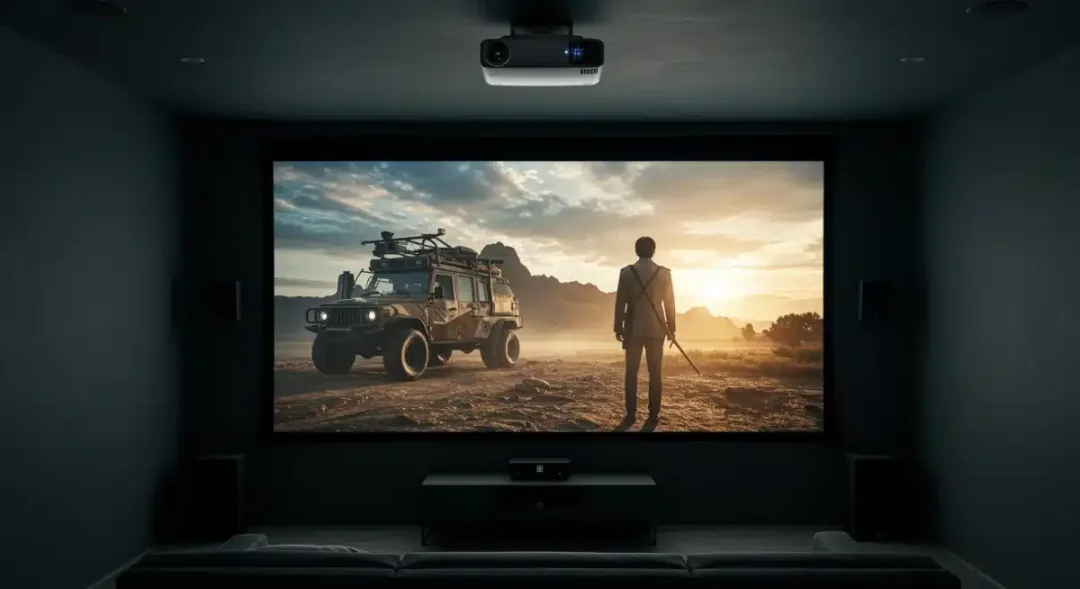
Upgrading your home theater with an 8K projector under $3,000 in 2026 is becoming a reality, offering unparalleled visual experiences with stunning clarity and immersive detail, making advanced cinematic technology accessible to a broader audience.
Are you ready to transform your living room into a cinematic paradise? The idea of an 8K projector might have once seemed like a distant dream, reserved for the ultra-wealthy or professional studios. However, as technology rapidly advances, the landscape of home entertainment is shifting dramatically. By 2026, the dream of owning an 8K projectors under $3000 is not just plausible, but an exciting reality, bringing breathtaking clarity and immersive detail within reach for many enthusiasts.
The Evolution of Projector Technology: Why 8K Now?
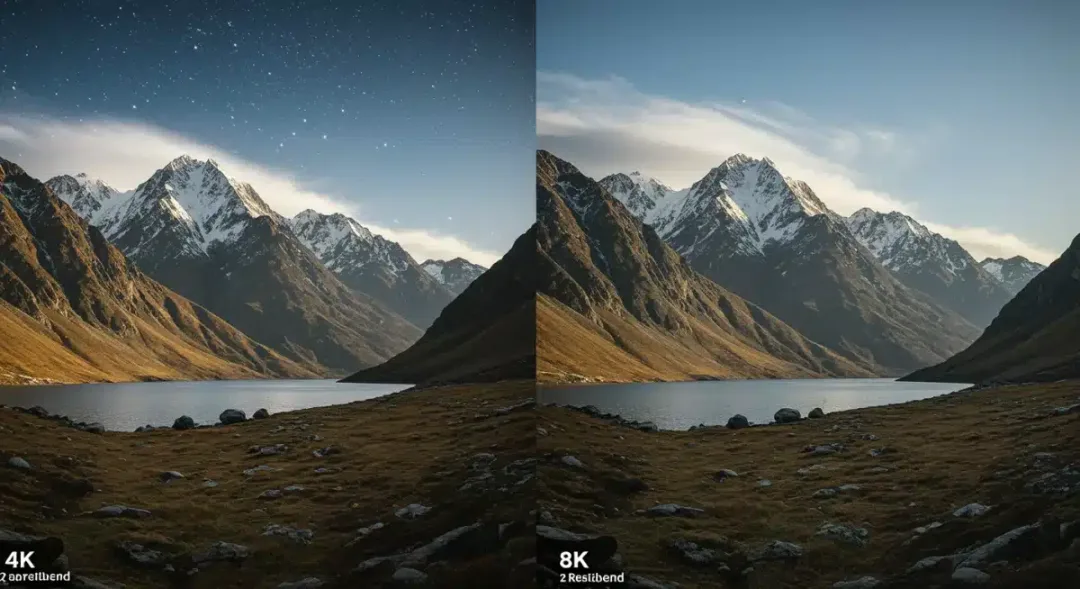
The journey from standard definition to today’s ultra-high-definition displays has been remarkable. For years, 4K resolution dominated the premium home theater market, offering four times the pixels of Full HD. Now, 8K is emerging as the next frontier, promising an even more lifelike and detailed viewing experience. This leap in resolution translates to images so sharp and vibrant that they virtually eliminate visible pixels, even on the largest screens.

The push for 8K is driven by advancements in display panel manufacturing, processing power, and content creation. As more 8K content becomes available, and upscaling technologies improve, the demand for native 8K displays and projectors naturally grows. This competitive landscape, coupled with economies of scale, is precisely what is driving down the cost of these once-luxury items, making them attainable for a broader consumer base by 2026.
Understanding 8K Resolution: More Than Just Pixels
At its core, 8K resolution means a display has approximately 7680 horizontal pixels and 4320 vertical pixels, totaling over 33 million pixels. This is four times the pixel count of 4K and 16 times that of Full HD. But what does this mean for your viewing experience?
- Unprecedented Detail: Fine textures, intricate patterns, and subtle facial expressions are rendered with astonishing clarity.
- Immersive Depth: The sheer density of pixels creates a perception of greater depth and realism, drawing you further into the scene.
- Improved Viewing Angles: With such high pixel density, you can sit closer to larger screens without noticing individual pixels, enhancing immersion.
The benefits extend beyond just raw pixel count. Advanced processing engines in modern 8K projectors are designed to handle this massive data stream efficiently, ensuring smooth motion, accurate color reproduction, and dynamic contrast. These improvements collectively contribute to a truly transformative home theater experience.
In essence, the arrival of affordable 8K projectors marks a significant milestone in home entertainment. It’s not just about bigger numbers; it’s about a fundamentally superior visual experience that was once unimaginable at this price point. The market is maturing, and manufacturers are delivering on the promise of high-end performance without the exorbitant cost.
Key Features to Look for in 2026 8K Projectors Under $3,000
When searching for an 8K projector in the sub-$3,000 range in 2026, it’s crucial to understand that while native 8K resolution is the goal, some models might achieve this through advanced pixel-shifting technologies. These methods effectively create an 8K-like image by rapidly shifting 4K or even 1080p pixels, and with today’s processing power, the results can be virtually indistinguishable from native 8K for the average viewer. The key is to look beyond just the resolution claim and delve into the specifics of the display technology and other critical performance metrics.
Brightness, contrast ratio, and color accuracy are equally important, if not more so, than raw pixel count. An 8K image delivered dimly or with washed-out colors will not provide the immersive experience you desire. Furthermore, the light source technology, such as laser or LED, will significantly impact the projector’s lifespan, maintenance, and startup time. Understanding these features will help you make an informed decision and ensure your investment delivers the best possible visual fidelity for years to come.
Light Source Technology: Laser vs. LED vs. Lamp
The type of light source in your projector greatly influences its performance and longevity. By 2026, laser and LED technologies will be dominant, especially in the budget-friendly 8K segment.
- Laser Projectors: Offer exceptional brightness, vivid colors, and incredibly long lifespans (20,000+ hours). They also provide instant on/off capabilities and consistent brightness over time. While traditionally more expensive, advancements will make them accessible in the sub-$3,000 8K range.
- LED Projectors: Provide good color accuracy, a decent lifespan (up to 30,000 hours), and are generally more compact and energy-efficient. They might not reach the same brightness levels as laser projectors but are excellent for dedicated dark rooms.
- Lamp Projectors: While still available, traditional lamp-based projectors will be less common in the 8K segment due to shorter lamp life (2,000-4,000 hours), higher maintenance costs, and slower startup times.
Choosing between laser and LED will depend on your specific needs regarding brightness, lifespan, and overall budget within the sub-$3,000 price point. Both offer significant advantages over older lamp technologies.
Connectivity and Smart Features
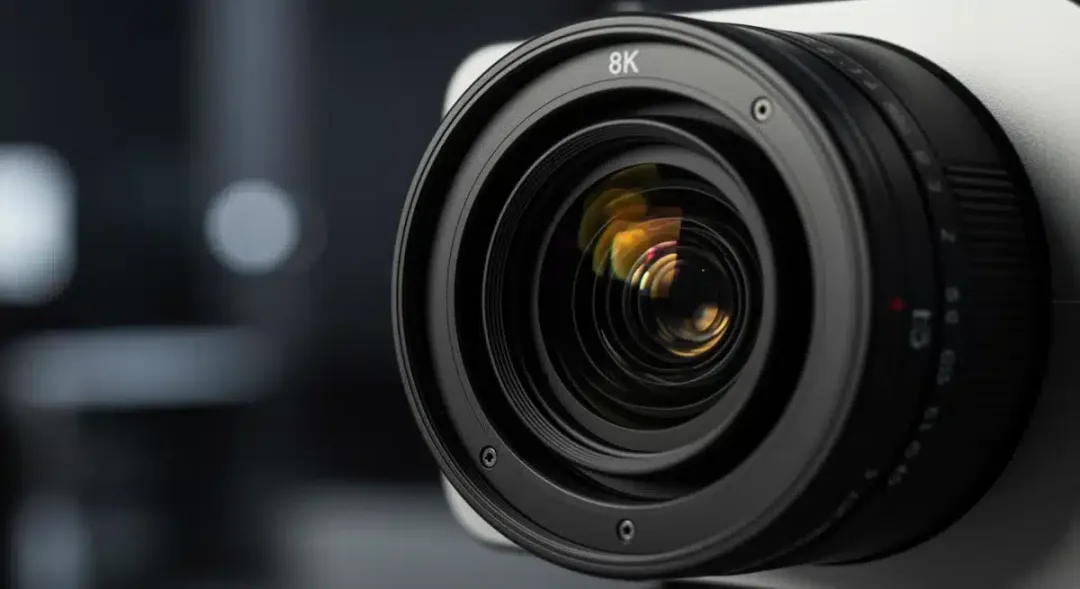
Modern 8K projectors aren’t just about projecting images; they are becoming central hubs for home entertainment. Look for robust connectivity options like multiple HDMI 2.1 ports, which are essential for handling 8K/60Hz and 4K/120Hz signals from next-gen gaming consoles and media players. USB ports, Ethernet, and Wi-Fi are also crucial for streaming and system integration.
Smart features, often powered by Android TV or a proprietary OS, allow you to stream content directly from popular apps like Netflix, Disney+, and Hulu without needing an external streaming device. Voice control integration with smart assistants like Google Assistant or Amazon Alexa can also enhance convenience. HDR (High Dynamic Range) support, including HDR10+, HLG, and Dolby Vision, is another non-negotiable feature, ensuring you get the best possible contrast and color reproduction from compatible content. Finally, consider features like lens shift, optical zoom, and keystone correction, which offer greater flexibility in projector placement and setup, making installation much easier in various room configurations.
Ultimately, selecting an 8K projector involves a holistic look at its technical specifications and smart capabilities. The ideal model for you will balance resolution with brightness, color accuracy, light source longevity, and seamless integration into your existing home theater ecosystem, all while staying within the $3,000 budget.
Upscaling Technologies: Making 4K Look Like 8K
While native 8K content is growing, it’s still not as ubiquitous as 4K. This is where advanced upscaling technologies come into play, becoming a crucial component of any 8K projector, especially those in the sub-$3,000 category. These sophisticated algorithms work by analyzing lower-resolution content (like 4K, 1080p, or even standard definition) and intelligently adding pixels and detail to fill an 8K display. The goal is to make non-8K content look as close to native 8K as possible, enhancing sharpness, reducing noise, and improving overall image quality. It’s a complex process that relies heavily on the projector’s internal processing power and AI capabilities.
By 2026, upscaling will have evolved significantly, moving beyond simple pixel duplication to employ machine learning and neural networks. These advanced techniques allow projectors to predict and generate missing pixel information with remarkable accuracy, creating a more convincing and artifact-free 8K image from lower-resolution sources. This means your existing library of 4K Blu-rays, streaming content, and even older media will benefit from the 8K display, extending the value of your projector far beyond just native 8K material. When evaluating projectors, pay close attention to the reviews and demonstrations of their upscaling performance, as this will likely be how you experience much of your content.
How AI-Powered Upscaling Works
Modern upscaling isn’t just about stretching an image. AI-powered upscaling leverages vast databases of images and machine learning models to analyze incoming video frames. It identifies patterns, textures, and edges, then intelligently reconstructs the image at a higher resolution. This process involves several key steps:
- Noise Reduction: AI first cleans up any digital noise present in the lower-resolution content.
- Edge Enhancement: It identifies and sharpens edges without introducing artifacts, making objects appear more defined.
- Detail Generation: Based on learned patterns, AI can generate new pixel information, adding intricate details that weren’t present in the original source.
- Color and Contrast Optimization: The upscaling engine also optimizes color fidelity and contrast for the 8K display.
The effectiveness of AI upscaling can vary between manufacturers, so it’s worth researching specific projector models and their proprietary upscaling engines. A projector with excellent upscaling capabilities can bridge the gap between current 4K content availability and the future of native 8K, ensuring you always enjoy the best possible picture.
In conclusion, while native 8K content is the ultimate goal, a projector’s upscaling prowess is a critical factor for immediate enjoyment. A well-implemented upscaling engine ensures that your investment in an 8K projector provides a superior viewing experience across all your media, not just the limited native 8K titles available today. This technology makes 8K projectors a viable and exciting upgrade for any home theater, even in 2026.
Installation and Room Considerations for 8K Projectors
Deploying an 8K projector, even one under $3,000, involves more than just plugging it in. To truly maximize the visual impact of such high resolution, thoughtful consideration of your installation environment is paramount. Room size, ambient light control, screen type, and audio integration all play significant roles in achieving that immersive cinematic experience. Overlooking these elements can diminish the perceived benefits of 8K, making even a top-tier projector seem less impressive. The goal is to create a synergy between your equipment and your space, allowing the projector to perform at its peak and deliver breathtaking visuals.
The physical setup of your projector and screen, including mounting options and cable management, also requires careful planning. An optimally configured room not only enhances picture quality but also contributes to the overall aesthetic and comfort of your home theater. By addressing these practical considerations upfront, you ensure that your investment in an 8K projector translates into a truly superior and enjoyable viewing environment.
Screen Selection: Maximizing 8K Detail
The screen is just as important as the projector when it comes to displaying 8K content. A poor-quality screen can negate the benefits of an 8K resolution. Look for screens designed for ultra-high-definition projection:
- High Gain Screens: These can boost brightness, which is beneficial if your projector has lower lumen output or if there’s some ambient light.
- Ambient Light Rejecting (ALR) Screens: Crucial for rooms that aren’t completely dark, ALR screens are engineered to reflect light from the projector back to the viewer while absorbing light from other sources.
- Fixed Frame Screens: Offer the flattest surface for optimal image uniformity, which is critical for 8K’s fine detail.
- Screen Size: While 8K allows for closer viewing, ensure your screen size is appropriate for your room and viewing distance to fully appreciate the resolution without straining your eyes.
Consider consulting with a home theater specialist to choose the best screen material and size for your specific room conditions and projector. The right screen makes a dramatic difference.
Optimal Room Environment and Audio Integration
To get the most out of your 8K projector, creating an ideal viewing environment is key. This means controlling ambient light as much as possible with blackout curtains or blinds. Dark-colored walls and ceilings can also help absorb stray light, preventing reflections that can wash out your image. The viewing distance from the screen is important for 8K; while you can sit closer, ensure it’s comfortable and allows you to take in the entire vast picture without excessive eye movement.
Audio integration is another vital component of an immersive home theater. An 8K projector delivers stunning visuals, but without equally impressive sound, the experience will feel incomplete. Plan for a robust surround sound system, whether it’s a 5.1, 7.1, or even a Dolby Atmos setup. Ensure your audio receiver is HDMI 2.1 compliant to pass through 8K signals and high-resolution audio formats. Proper speaker placement and acoustic treatment of the room can significantly enhance the soundstage, creating a truly enveloping audiovisual experience that complements the breathtaking 8K visuals.
The Future-Proofing Aspect: Why Invest in 8K Now?
Investing in an 8K projector in 2026, especially one under $3,000, is a strategic move for future-proofing your home theater. While native 8K content might still be somewhat limited today, the trajectory of technology clearly points towards its widespread adoption. Major broadcasters, streaming services, and game developers are increasingly exploring and implementing 8K workflows. By acquiring an 8K capable projector now, you’re positioning yourself at the forefront of this evolution, ensuring your entertainment system remains cutting-edge for years to come. This foresight prevents the need for another significant upgrade in the near future, offering long-term value for your investment.
Furthermore, the advanced upscaling capabilities of these projectors mean you’re not waiting for native 8K content to enjoy superior visuals. Your existing 4K and even Full HD media will look better than ever, making the transition seamless and immediately rewarding. This blend of current enhancement and future readiness makes an 8K projector an intelligent choice for any serious home theater enthusiast looking to maximize their entertainment experience.
Connectivity Standards and Content Growth
The evolution of connectivity standards is crucial for 8K adoption. HDMI 2.1 is the backbone for current 8K transmission, supporting higher bandwidths necessary for uncompressed 8K video at higher frame rates. Ensure your projector supports this standard to handle future devices and content.
- Gaming: Next-generation consoles and PC graphics cards are already pushing towards 8K resolutions, with games supporting 8K upscaling or even native 8K rendering.
- Streaming: Major streaming platforms are experimenting with 8K content delivery, and as bandwidth improves globally, 8K streaming will become more common.
- Broadcast: International sporting events and major productions are increasingly being filmed and distributed in 8K, setting the stage for future 8K broadcasts.
- User-Generated Content: 8K cameras are becoming more accessible, leading to an increase in user-generated 8K content on platforms like YouTube.
By investing now, you’re ready for this content explosion, enjoying it in its full, intended glory.
Longevity and Value Proposition
The longevity of an 8K projector, particularly those utilizing laser or LED light sources, offers a compelling value proposition. With lifespans often exceeding 20,000 hours, these projectors can provide years of maintenance-free operation, far outlasting traditional lamp-based models. This translates to lower running costs and greater peace of mind, knowing your investment will continue to deliver top-tier performance without frequent component replacements.
Moreover, the rapid depreciation of older technologies means that waiting too long can result in buying into an already obsolescent standard. By embracing 8K now, you’re securing a system that will remain relevant and impressive for a much longer period, maximizing your entertainment dollars. The initial investment, even at the sub-$3,000 price point, is amortized over a longer usable life, making it a smart financial decision for the discerning home theater owner.
Top Contenders: 8K Projectors Under $3,000 in 2026 (Hypothetical Models)
As we project into 2026, the market for 8K projectors under $3,000 will be highly competitive, with established brands and innovative newcomers vying for consumer attention. While specific models are hypothetical at this stage, we can anticipate certain characteristics and features that will define the top contenders in this price segment. These projectors will likely leverage advanced pixel-shifting technologies to achieve their 8K resolution, coupled with robust processing to ensure excellent upscaling of 4K content. Key differentiators will include brightness levels, color gamut coverage, and the integration of smart home features, all while maintaining an aggressive price point.
Consumers will benefit from a wider array of choices, allowing them to select a projector that best fits their specific needs, whether it’s for a dedicated dark home theater or a more versatile living room setup. The focus will be on delivering a premium visual experience without compromise, proving that cutting-edge 8K technology can indeed be affordable. Here’s a look at what we might expect from leading manufacturers.
Anticipated Brands and Technologies
Several brands are expected to lead the charge in making 8K projectors accessible. While specific model names are speculative, the underlying technologies and brand strategies are predictable:
- Brand A (e.g., “Luminary Vision 8K”): Likely to focus on high brightness and excellent contrast, using a single-chip DLP design with sophisticated pixel shifting. It might feature a long-lasting laser light source and a comprehensive smart TV platform.
- Brand B (e.g., “CinemaBeam Pro 8K”): Could emphasize color accuracy and cinematic image quality, potentially employing an advanced LCD or LCoS panel with pixel-shifting. Expect robust HDR support and advanced motion processing.
- Brand C (e.g., “ViewMax Ultra 8K”): Might target versatility, offering a compact design, short-throw capabilities, and a bright LED light source, making it suitable for various room sizes and setups. Strong upscaling engines and gaming-centric features would be key.
Each brand will aim to carve out its niche, offering unique combinations of features to appeal to different segments of the home theater market. The competition will ultimately benefit consumers, driving innovation and affordability.
Performance Expectations and Value Proposition
For under $3,000, these 8K projectors will offer an impressive balance of performance and features. Expect brightness levels in the range of 2,000-3,000 ANSI lumens, which is sufficient for many home theater environments, especially with ambient light control. Contrast ratios will be significantly improved over previous generations, providing deeper blacks and brighter whites, enhancing the dynamic range of images.
Color reproduction will be a major highlight, with most models covering a wide color gamut, often approaching or exceeding Rec.709, and potentially dipping into DCI-P3 for more cinematic experiences. Input lag for gaming will also be a critical factor, with manufacturers aiming for under 30ms to satisfy competitive gamers. The value proposition will be clear: a truly immersive, future-ready visual experience that significantly elevates your home entertainment, all without breaking the bank. This makes 2026 an exciting time for home theater enthusiasts to finally embrace 8K projection.
Optimizing Your 8K Projector Experience: Tips and Tricks
Acquiring an 8K projector under $3,000 in 2026 is a fantastic first step, but optimizing its performance is where the magic truly happens. Simply setting up the projector doesn’t guarantee the best possible picture; a series of adjustments and considerations can significantly enhance your viewing pleasure. From calibration to cabling, every detail contributes to unleashing the full potential of 8K resolution. These tips and tricks are designed to help you fine-tune your home theater, ensuring that every pixel delivers maximum impact and visual fidelity. It’s about getting the most out of your investment and transforming your movie nights, gaming sessions, and streaming experiences into truly unforgettable events.
The goal is to create a seamless synergy between your cutting-edge projector and your viewing environment. By paying attention to these optimization strategies, you can elevate your home theater from good to extraordinary, fully immersing yourself in the stunning clarity and detail that 8K projection offers. Don’t just watch; experience.
Calibration and Settings Adjustments
Professional calibration is the gold standard, but even basic adjustments can yield significant improvements. Most 8K projectors will come with various picture modes (Cinema, Vivid, Standard, etc.). Start with a “Cinema” or “Movie” mode, as these are typically designed for accurate color reproduction.
- Brightness and Contrast: Adjust these using a test pattern to ensure you’re not crushing blacks or blowing out whites.
- Color Temperature: Aim for a D65 (6500K) setting, which is the industry standard for video.
- Sharpness: Be careful not to over-sharpen, as this can introduce artifacts. Keep it subtle.
- Motion Smoothing: While it can reduce judder, it often introduces a “soap opera effect.” Experiment to find your preference.
Many projectors also offer advanced settings like gamma control and color management systems, which can be fine-tuned for even greater accuracy. Utilize any built-in test patterns or external calibration discs to guide your adjustments.
Cabling and Content Sources
High-quality cabling is non-negotiable for 8K. Ensure all your HDMI cables are certified Ultra High Speed HDMI (HDMI 2.1) to guarantee they can handle the bandwidth required for 8K/60Hz and 4K/120Hz signals. Cheap or older HDMI cables can lead to signal dropouts, artifacts, or simply no picture at all at higher resolutions.
For content sources, prioritize native 8K content whenever available. However, for 4K content, ensure your source device (4K Blu-ray player, streaming stick, gaming console) is outputting the highest quality signal possible. Many devices have settings that allow you to choose optimal output resolutions and HDR formats. If your projector has an excellent upscaling engine, let it do the heavy lifting for lower-resolution content rather than relying on an external device’s often inferior upscaler.
Regularly check for firmware updates for your projector and source devices. Manufacturers frequently release updates that improve performance, add new features, and fix bugs, ensuring your system is always running at its best. By meticulously optimizing these aspects, you’ll unlock the full, breathtaking potential of your 8K projector.
Maintaining Your 8K Projector for Peak Performance
Just like any high-tech investment, proper maintenance is essential to ensure your 8K projector continues to deliver peak performance for years to come. While modern projectors, especially those with laser or LED light sources, require less upkeep than their lamp-based predecessors, a proactive approach to care can significantly extend their lifespan and maintain image quality. Neglecting basic maintenance can lead to dust buildup, overheating, and degradation of optical components, all of which can compromise the stunning 8K visuals you invested in. A little effort goes a long way in preserving the clarity and brilliance of your home theater experience.
Regular cleaning, proper ventilation, and mindful operation are the cornerstones of projector longevity. These simple habits not only protect your investment but also ensure that every movie night and gaming session is enjoyed with the pristine image quality that an 8K projector is designed to provide. Don’t let preventable issues dim your cinematic dreams.
Cleaning and Dust Management
Dust is the enemy of any projector. It can accumulate on internal components, block air vents, and even settle on the lens or imaging chip, leading to degraded image quality and potential overheating. Regular cleaning is crucial:
- Lens Cleaning: Use a micro-fiber cloth specifically designed for optics and a gentle lens cleaning solution. Never use abrasive materials or household cleaners.
- Air Filters: Many projectors have removable air filters. Check your manual for instructions on how to clean or replace these regularly. A clogged filter restricts airflow, causing the projector to run hotter.
- Vents: Use a can of compressed air to gently clear dust from the intake and exhaust vents. Do this periodically, especially if your projector is in a dusty environment.
Ensure the projector is off and completely cooled down before performing any cleaning. A clean projector is a happy projector, delivering clear, vibrant images without compromise.
Environmental Control and Software Updates
Beyond cleaning, controlling the projector’s environment is vital. Ensure adequate ventilation around the unit; never block the air vents. Avoid placing the projector in direct sunlight or in areas with extreme temperature fluctuations, as this can stress internal components. If your projector is ceiling-mounted, ensure there is sufficient space for air circulation.
Humidity can also be a factor; excessively damp environments can lead to condensation or mold growth, while overly dry conditions can increase static electricity, attracting more dust. Maintaining a stable, moderate room temperature and humidity level is ideal.
Finally, regularly check for and install firmware updates for your 8K projector. Manufacturers frequently release updates that improve performance, enhance color accuracy, fix bugs, and even add new features. These updates are crucial for ensuring your projector is always operating with the latest optimizations and security patches. By diligently following these maintenance practices, your 8K projector will continue to provide an unparalleled home theater experience for many years.
| Key Feature | Description & Benefit |
|---|---|
| 8K Resolution (Upscaled/Native) | Delivers unparalleled detail and immersion, future-proofing your home theater for upcoming content. |
| Advanced Upscaling | Transforms 4K and lower-resolution content to near-8K quality, enhancing your existing media library. |
| Laser/LED Light Source | Offers long lifespan (20,000+ hours), consistent brightness, and vibrant colors with minimal maintenance. |
| HDMI 2.1 & Smart Features | Ensures compatibility with next-gen devices and provides integrated streaming capabilities for convenience. |
Frequently Asked Questions About 8K Projectors
Can I really get a good 8K projector for under $3,000 by 2026?▼Yes, absolutely. Technological advancements and increased competition among manufacturers are driving down prices significantly. While many will use advanced pixel-shifting, the visual experience will be remarkably close to native 8K, making it a viable and exciting option for budget-conscious enthusiasts.
What’s the difference between native 8K and pixel-shifted 8K?▼Native 8K means the projector’s imaging chip physically has 8K resolution. Pixel-shifted 8K uses a lower-resolution chip (often 4K) and rapidly shifts pixels to create an 8K-like image on screen. For most viewers, the difference is hard to discern, especially with advanced processing.
Do I need special cables for an 8K projector?▼Yes, you will need Ultra High Speed HDMI (HDMI 2.1) certified cables. These cables are designed to handle the increased bandwidth required for 8K video signals (e.g., 8K at 60Hz or 4K at 120Hz) reliably, ensuring optimal picture quality without signal degradation or loss.
Is there enough 8K content available to justify an 8K projector?▼While native 8K content is still growing, excellent 8K projectors feature advanced upscaling technology. This means your existing 4K and even Full HD content will look significantly better on an 8K display, enhancing your entire media library immediately while you await more native 8K releases.
What kind of screen is best for an 8K projector?▼For an 8K projector, a high-quality fixed-frame screen is often recommended to maintain image uniformity. Consider an Ambient Light Rejecting (ALR) screen if your room isn’t fully dark, as it greatly enhances contrast and vibrancy by minimizing reflections from other light sources, maximizing the 8K detail.
Conclusion
The prospect of owning an 8K projector for under $3,000 by 2026 is no longer a futuristic fantasy but an imminent reality for home theater enthusiasts. This guide has explored the exciting advancements making this possible, from the evolution of display technology and sophisticated upscaling to the increasing affordability of laser and LED light sources. By understanding the key features, installation considerations, and maintenance tips, you are now well-equipped to make an informed decision when upgrading your home theater. Investing in an 8K projector now not only provides an immediately superior visual experience with stunning clarity and immersion but also future-proofs your entertainment setup for the wave of 8K content on the horizon. Get ready to transform your viewing experience into something truly extraordinary.