
Ads
Ensuring data safety for 2026 gadget users involves understanding emerging cybersecurity threats and proactively adopting robust authentication, regular software updates, and privacy-enhancing technologies to secure personal digital footprints.
In an era where our lives are increasingly intertwined with technology, the question, Is Your Data Safe? Essential Cybersecurity Tips for 2026 Gadget Users, is more pertinent than ever. As we advance into 2026, the landscape of digital threats evolves rapidly, making it crucial for every gadget user to understand and implement effective cybersecurity measures. This article will guide you through the contemporary challenges and provide actionable tips to safeguard your digital world.
Understanding the Evolving Threat Landscape in 2026
The digital world of 2026 presents a complex array of threats that are more sophisticated and pervasive than ever before. Cybercriminals are constantly innovating, leveraging advanced technologies like AI and quantum computing to breach defenses and exploit vulnerabilities. Staying informed about these evolving threats is the first step in protecting your personal and sensitive data.
From highly targeted phishing campaigns to intricate ransomware attacks, the methods used by malicious actors are designed to bypass traditional security measures. The sheer volume of interconnected devices, from smartwatches to autonomous vehicles, creates an expanded attack surface, making comprehensive protection a necessity rather than a luxury.
AI-Powered Cyberattacks and Defenses
Artificial intelligence is a double-edged sword in cybersecurity. While it enhances defensive capabilities, it also empowers attackers to create more convincing phishing emails, automate malware generation, and execute sophisticated social engineering tactics. Understanding how AI is used in both offense and defense is critical.

- Adaptive Malware: AI-driven malware can learn and adapt to evade detection.
- Deepfake Phishing: AI generates highly realistic fake voices and videos for targeted scams.
- Automated Exploits: AI identifies and exploits zero-day vulnerabilities faster than ever.
The Rise of Quantum Computing Threats
Although still in its nascent stages, quantum computing poses a long-term threat to current encryption standards. While practical quantum attacks are not yet widespread, 2026 marks a period where experts are actively preparing for a post-quantum cryptographic era. This involves developing new encryption methods that are resistant to quantum algorithms.
The implications for data security are profound, as existing public-key cryptography could be rendered obsolete. Organizations and individuals alike must begin considering quantum-safe solutions to protect data with long-term confidentiality requirements.
In summary, the 2026 threat landscape demands a proactive and informed approach. Recognizing the dual nature of AI in cybersecurity and anticipating the impact of quantum computing are essential for maintaining robust data safety.
Fortifying Your Gadgets: Essential Security Practices
Securing your gadgets in 2026 goes beyond simply installing antivirus software. It involves a multi-layered approach that integrates robust security practices into your daily digital routine. Every device, from your smartphone to your smart home hub, represents a potential entry point for cyber threats.
As devices become more interconnected, the weakest link in your digital ecosystem can compromise the entire network. Implementing consistent and comprehensive security measures across all your gadgets is paramount to ensuring your data remains safe.
Strong Authentication: Beyond Passwords
Passwords alone are no longer sufficient to protect your accounts. In 2026, strong authentication methods are a cornerstone of data security. Multi-factor authentication (MFA) is non-negotiable for any sensitive account.
- Biometric Authentication: Utilize fingerprint, facial recognition, and iris scans where available.
- Hardware Security Keys: Physical keys offer a robust second factor for critical accounts.
- Passkeys: Embrace passwordless authentication standards for enhanced convenience and security.
Regular Software Updates and Patch Management
Software vulnerabilities are frequently discovered and exploited by cybercriminals. Manufacturers regularly release updates and patches to address these weaknesses. Neglecting to update your software leaves your devices exposed.
Make it a habit to enable automatic updates for operating systems, applications, and firmware on all your devices. This ensures you benefit from the latest security enhancements as soon as they are available, significantly reducing your risk profile.
By prioritizing strong authentication and diligent software updates, gadget users can significantly enhance the security posture of their devices against the evolving threats of 2026. These practices form the bedrock of a secure digital environment.
Protecting Your Privacy: Data Minimization and Encryption
In an increasingly data-driven world, safeguarding your privacy is as crucial as securing your devices. Data minimization and robust encryption are two powerful strategies that empower you to control who accesses your information and how it’s used. Every piece of data you share or store has the potential to be compromised, making these practices indispensable for 2026 gadget users.
Understanding the value of your personal data and taking proactive steps to limit its exposure can dramatically reduce your risk of privacy breaches and identity theft. It’s about being intentional with your digital footprint.
The Principle of Data Minimization
Data minimization means only collecting, processing, and storing the absolute minimum amount of personal data required for a specific purpose. For individuals, this translates to being mindful of what information you share online and with apps.
- Review App Permissions: Regularly check and restrict unnecessary permissions for apps on your devices.
- Limit Social Media Sharing: Be cautious about the personal details you post on social platforms.
- Opt-out of Data Collection: Where possible, choose not to share non-essential data with services.
Leveraging Encryption for Data at Rest and in Transit
Encryption transforms your data into an unreadable format, accessible only with the correct key. This is vital for protecting sensitive information, whether it’s stored on your device (data at rest) or being sent across networks (data in transit).
Ensure your devices use full-disk encryption, and always use secure, encrypted connections (HTTPS for websites, VPNs for public Wi-Fi) when transmitting data. End-to-end encryption for messaging apps is also a critical privacy feature.
By embracing data minimization and consistently utilizing encryption, you create a formidable barrier against unauthorized access to your personal information, making your digital experience significantly more private and secure in 2026.
Navigating the IoT Landscape: Smart Home Security
The proliferation of Internet of Things (IoT) devices has transformed our homes into smart ecosystems, offering unparalleled convenience. However, this interconnectedness also introduces new security vulnerabilities. Securing your smart home in 2026 requires a dedicated approach, as each smart device can be a potential weak point if not properly managed.
From smart speakers and thermostats to security cameras and door locks, these devices collect vast amounts of personal data and are constantly connected to the internet. Ensuring their security is paramount to protecting your home and your privacy.
Securing Your Smart Home Network
Your home Wi-Fi network is the backbone of your smart home. A compromised network can give attackers access to all connected devices. Start with a strong, unique password for your router and regularly update its firmware.
- Separate IoT Network: Consider setting up a separate guest network or a dedicated IoT network to isolate smart devices from your main network.
- Strong Router Passwords: Change default router credentials immediately.
- Firewall Protection: Ensure your router’s firewall is enabled and properly configured.
Device-Specific Security Measures
Each smart device has its own set of security features and potential vulnerabilities. It’s crucial to address them individually. Default passwords are a common entry point for attackers.
Always change default usernames and passwords on new IoT devices. Disable features you don’t use, and research the security track record of brands before purchasing smart devices. Regular firmware updates are also vital for IoT devices, just as they are for computers and smartphones.
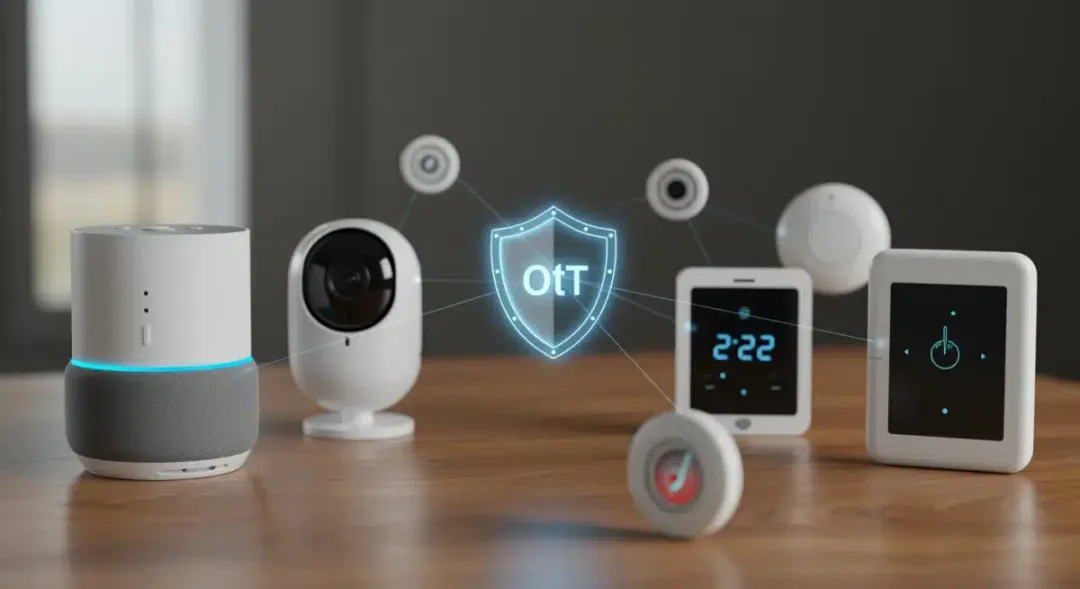
By focusing on both network-level and device-specific security, gadget users can significantly enhance the safety of their smart homes, turning convenience into a truly secure experience for 2026.
Recognizing and Avoiding Social Engineering Attacks
Even with the most advanced technical safeguards, the human element remains the weakest link in cybersecurity. Social engineering attacks prey on human psychology, manipulating individuals into revealing sensitive information or performing actions that compromise their security. In 2026, these attacks are more sophisticated, often leveraging AI to create highly convincing scams.
Understanding the common tactics employed by social engineers and developing a healthy skepticism towards unsolicited communications are critical skills for every gadget user. No technology can fully protect you if you willingly give away your credentials.
Phishing, Smishing, and Vishing
These are common forms of social engineering that use deceptive communications to trick victims. Phishing typically involves email, smishing uses text messages, and vishing involves voice calls. The goal is often to steal login credentials or install malware.
- Verify Sender Identity: Always double-check the email address, phone number, or caller ID.
- Look for Red Flags: Urgent requests, grammatical errors, and suspicious links are common indicators.
- Do Not Click Unknown Links: Never click on links in unsolicited messages; instead, navigate directly to legitimate websites.
Beware of Impersonation and Urgency Tactics
Attackers frequently impersonate trusted entities like banks, government agencies, or tech support to gain your trust. They often create a sense of urgency to pressure you into making hasty decisions without proper scrutiny.
If a message or call demands immediate action, especially involving money or sensitive information, it’s a major red flag. Always independently verify such requests through official channels, never using contact information provided in the suspicious communication itself.
By remaining vigilant and understanding the psychological tricks behind social engineering, gadget users can significantly reduce their susceptibility to these cunning attacks, adding a crucial layer of personal defense in 2026.
Future-Proofing Your Digital Life: Proactive Measures
Cybersecurity is not a static state but an ongoing process. As technology advances and threats evolve, so too must our defensive strategies. Future-proofing your digital life in 2026 means adopting proactive measures that anticipate emerging challenges and continuously adapt your security posture. It’s about building resilience and maintaining a secure foundation.
This includes staying informed about the latest security trends, regularly reviewing your digital habits, and embracing new technologies that enhance protection. A proactive mindset ensures that your data remains safe amidst the rapidly changing digital landscape.
Regular Security Audits and Privacy Checks
Just as you might conduct regular health check-ups, your digital life benefits from periodic security and privacy audits. This involves reviewing all your online accounts, device settings, and shared data.
- Account Review: Delete unused accounts and strengthen passwords for active ones.
- Privacy Settings: Regularly audit privacy settings on social media, apps, and browsers.
- Device Scans: Utilize reputable security software to scan devices for malware and vulnerabilities.
Backing Up Your Data Securely
Even with the best cybersecurity measures, data loss can occur due to hardware failure, accidental deletion, or successful cyberattacks like ransomware. A robust backup strategy is your last line of defense.
Implement a 3-2-1 backup rule: three copies of your data, on two different media types, with one copy offsite. Ensure these backups are encrypted and stored in secure locations, whether cloud-based or physical external drives.
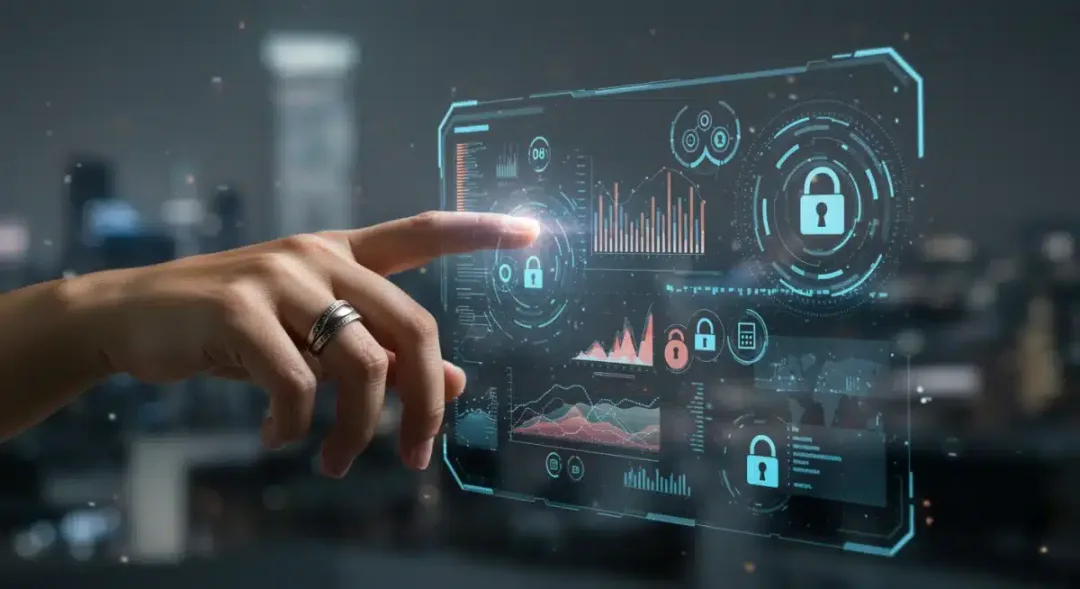
By proactively conducting security audits and maintaining secure data backups, you can significantly mitigate the impact of potential security incidents, ensuring your digital life remains robust and resilient well into 2026 and beyond.
Educating Yourself and Others: A Community Approach
Cybersecurity is not just an individual responsibility; it’s a collective effort. The more informed and vigilant individuals are, the stronger the overall digital ecosystem becomes. In 2026, fostering a community approach to cybersecurity education is vital to combating widespread threats and protecting everyone’s data.
Sharing knowledge and best practices with family, friends, and colleagues can create a ripple effect, elevating the security awareness of those around you. An informed community is a resilient community against cyber threats.
Staying Informed on Latest Threats and Best Practices
The cybersecurity landscape is dynamic. What was a cutting-edge defense yesterday might be obsolete tomorrow. Continuously educating yourself through reputable sources is essential.
- Follow Cybersecurity News: Subscribe to newsletters and blogs from trusted security experts and organizations.
- Attend Webinars: Participate in online workshops and webinars on current cybersecurity topics.
- Review Official Advisories: Pay attention to security alerts and recommendations from device manufacturers and government agencies.
Promoting a Culture of Security
Encourage those around you to adopt secure digital habits. This includes discussing the importance of strong passwords, recognizing phishing attempts, and understanding the value of privacy settings. Lead by example in your own digital practices.
Organizations should also invest in regular cybersecurity training for their employees, as human error remains a leading cause of data breaches. A culture where security is prioritized by everyone creates a much stronger defense.
Ultimately, a well-informed individual is the most effective defense against cyber threats. By educating ourselves and our communities, we build a stronger, more secure digital future for all gadget users in 2026.
| Key Aspect | Brief Description |
|---|---|
| Evolving Threats | AI-powered attacks and quantum computing pose new challenges for data security in 2026. |
| Gadget Fortification | Implement strong MFA, regular software updates, and secure configurations for all devices. |
| Privacy Protection | Practice data minimization and use robust encryption for data at rest and in transit. |
| Social Engineering | Recognize and avoid phishing, smishing, and impersonation tactics to prevent manipulation. |
Frequently Asked Questions About 2026 Cybersecurity
What are the biggest new cybersecurity threats for gadget users in 2026?▼The biggest new threats include AI-powered phishing and malware, sophisticated deepfake scams, and the long-term implications of quantum computing on encryption. These advanced attack methods require users to be more vigilant and adopt cutting-edge defensive strategies to protect their data effectively.
How can I secure my smart home devices in 2026?▼To secure smart home devices, ensure your Wi-Fi router has a strong, unique password and updated firmware. Consider a separate network for IoT devices. Always change default passwords on new gadgets and research brands for security reputation. Regular firmware updates are crucial for all smart devices.
Is multi-factor authentication (MFA) still sufficient for data protection in 2026?▼Yes, MFA remains an essential layer of defense, even in 2026, and is highly recommended for all sensitive accounts. While threats evolve, MFA significantly reduces the risk of unauthorized access even if your password is compromised. Integrating biometrics and hardware security keys further strengthens this protection.
What is data minimization, and why is it important for privacy?▼Data minimization is the practice of collecting, processing, and storing only the necessary amount of personal data. It’s crucial for privacy because it limits your digital footprint, reducing the amount of information vulnerable to breaches or misuse. Regularly review app permissions and be cautious about what you share online.
How can I stay informed about the latest cybersecurity trends and tips?▼To stay informed, subscribe to reputable cybersecurity newsletters, follow trusted security experts on social media, and regularly check official advisories from government agencies and device manufacturers. Actively seeking knowledge and continuously updating your understanding of threats and defenses is key to proactive security.
Conclusion
As we navigate the intricate digital landscape of 2026, the question of whether your data is safe hinges on a combination of awareness, proactive measures, and continuous education. The evolution of cyber threats demands that gadget users move beyond passive defenses and embrace a holistic approach to security. By implementing strong authentication, maintaining updated software, protecting privacy through data minimization and encryption, securing IoT ecosystems, and recognizing social engineering tactics, individuals can significantly fortify their digital lives. Furthermore, fostering a community-wide understanding of cybersecurity best practices ensures a more resilient and secure environment for everyone. Ultimately, staying informed and vigilant is not just a recommendation but a necessity for safeguarding our increasingly connected world.