

Ads
The continuation of Emergency SNAP Benefits beyond September 2026 is highly contingent on legislative action, evolving economic indicators, and the persistent advocacy for food security initiatives.
The question of whether Emergency SNAP Benefits will continue beyond September 2026 is on the minds of millions of Americans who rely on this crucial food assistance. As the nation navigates complex economic shifts and policy debates, understanding the trajectory of these vital programs becomes increasingly important. This article delves into the factors that will shape the future of these benefits, examining the historical context, current challenges, and potential outcomes.
Understanding Emergency SNAP Benefits: A Historical Perspective
Emergency SNAP Benefits, often referred to as emergency allotments, were a critical response to the unprecedented challenges posed by the COVID-19 pandemic. These additional funds provided a much-needed boost to households struggling with food insecurity, offering a temporary increase in monthly benefits through the Supplemental Nutrition Assistance Program (SNAP).
Initially authorized by the Families First Coronavirus Response Act of 2020, these emergency allotments allowed states to provide the maximum SNAP benefit amount for a household size, or an additional $95 if the household was already receiving the maximum. This measure significantly alleviated financial strain for many low-income families, enabling them to afford more nutritious food during a period of widespread economic uncertainty and health crisis.
The genesis of emergency allotments
The concept of emergency allotments wasn’t entirely new, but its widespread implementation and duration during the pandemic were unprecedented. Historically, SNAP has had provisions for disaster relief, but the continuous, nationwide application of emergency benefits marked a significant shift in how federal aid addressed a prolonged crisis. This mechanism demonstrated the program’s flexibility and its capacity to adapt to acute national needs.
- Families First Coronavirus Response Act (2020): Authorized states to issue emergency allotments.
- COVID-19 Pandemic: The primary catalyst for the widespread implementation.
- Increased Food Security: Directly aimed at combating rising food insecurity.
- Economic Stabilization: Provided vital economic support to vulnerable households.
The initial aim was clear: to prevent a surge in hunger as unemployment soared and supply chains faced disruptions. These benefits played a pivotal role in cushioning the economic blow for millions, ensuring that basic needs for food could be met despite the widespread turmoil.
Phasing out and current status
While invaluable, these emergency benefits were always intended to be temporary. The Consolidated Appropriations Act of 2023 mandated the end of emergency allotments, with the final payments issued in February 2023. This transition caused significant concern among beneficiaries and advocates, as many households saw their monthly SNAP benefits decrease substantially overnight.
Currently, the standard SNAP benefit structure is in place, meaning no broad emergency allotments are being distributed. However, the discussion around the need for additional food assistance, especially in the face of persistent inflation and economic pressures, continues to be a central theme in policy debates. Understanding this historical context is crucial for anticipating any future reintroduction or modification of emergency benefits.
Economic Factors Influencing Future Food Assistance Policies
The continuation or reintroduction of Emergency SNAP Benefits beyond September 2026 will undoubtedly be heavily influenced by the prevailing economic climate. Factors such as inflation, unemployment rates, and overall economic growth play a significant role in shaping public demand and legislative willingness to fund such programs.
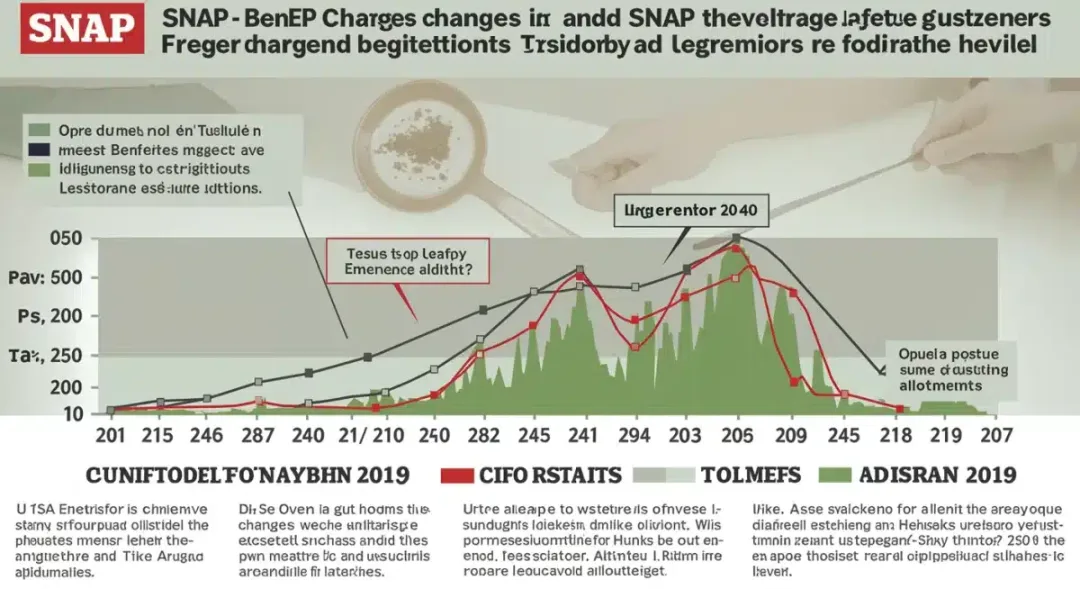
High inflation, particularly in food prices, continues to erode the purchasing power of low-income households. Even without a declared emergency, sustained high food costs can create a de facto crisis for many families, making standard SNAP benefits less effective. Policymakers often face a delicate balance between fiscal responsibility and addressing immediate societal needs, especially when the economy shows signs of instability.

Inflation and food prices
The persistent rise in food prices has been a major concern for households across the United States. When the cost of groceries increases, the fixed amount of standard SNAP benefits may no longer be sufficient to cover essential nutritional needs. This disparity often leads to difficult choices for families, potentially compromising their dietary quality or quantity.
- Cost of Living Adjustments (COLAs): While SNAP benefits are subject to annual adjustments, these may not always keep pace with rapid food inflation.
- Impact on Vulnerable Populations: Low-income families disproportionately bear the brunt of rising food costs due to their limited disposable income.
- Advocacy for Increased Benefits: Consumer groups and anti-hunger organizations frequently advocate for higher benefit levels to reflect current market realities.
If inflationary pressures continue or intensify towards 2026, there could be renewed calls for temporary or permanent increases in food assistance. The political will to respond to such pressures will heavily depend on the broader economic outlook and public sentiment.
Unemployment rates and economic stability
Another critical economic indicator is the unemployment rate. Periods of high unemployment directly correlate with increased demand for social safety net programs, including SNAP. A robust job market tends to reduce the need for emergency assistance, while a downturn could trigger renewed discussions about expanding benefits.
The stability of the labor market, wage growth, and the prevalence of underemployment also contribute to the overall economic picture. If a significant portion of the workforce remains in low-wage jobs without sufficient hours, even a low official unemployment rate might mask underlying economic fragility that necessitates continued food aid. The interplay of these economic factors will be central to any legislative decisions regarding future emergency allotments.
Legislative Landscape and Political Will
The continuation of Emergency SNAP Benefits beyond 2026 is fundamentally a legislative decision, requiring political will and bipartisan consensus. The current political climate, with its diverse priorities and budgetary constraints, presents both opportunities and challenges for the future of food assistance programs.
Historically, support for SNAP has fluctuated, often becoming a point of contention during debates over federal spending and agricultural policy. Advocacy groups, public health organizations, and even some industry leaders consistently push for robust funding for nutrition programs, arguing for their essential role in public health and economic stability. However, there are also voices advocating for tighter controls and reduced spending, viewing such programs as potential disincentives to work.
Farm Bill reauthorization and SNAP
The Farm Bill, a comprehensive piece of legislation reauthorized every five years, is the primary legislative vehicle for SNAP. The next reauthorization cycle will be critical in determining the program’s funding levels, eligibility requirements, and potential for emergency provisions. Debates around the Farm Bill often become highly politicized, with differing visions for the role of government in food assistance.
- Program Funding: The Farm Bill sets the budget for SNAP, impacting overall benefit levels.
- Eligibility Criteria: Changes to who qualifies for SNAP can significantly alter program reach.
- Work Requirements: Ongoing debates about work requirements often influence legislative outcomes.
- Innovation and Pilot Programs: Opportunities for new initiatives or emergency provisions can be introduced.
Any significant changes to emergency benefit provisions would likely need to be embedded within the Farm Bill or separate legislation specifically addressing economic emergencies. The political climate leading up to 2026 will heavily influence the appetite for such expansive measures.
Bipartisan support and opposition
Securing bipartisan support for extending emergency benefits can be challenging. While many agree on the importance of combating hunger, approaches to achieving food security often diverge along party lines. Concerns about federal debt, program integrity, and the perceived effectiveness of aid programs frequently arise during legislative discussions.
Advocates for increased food assistance emphasize the long-term societal benefits of reducing hunger, including improved health outcomes, educational attainment, and economic productivity. Opponents often focus on the need for fiscal austerity and the importance of promoting self-sufficiency. The balance of these perspectives will ultimately determine the legislative fate of extended emergency allotments.
Impact on Food Insecurity and Public Health
The potential continuation or discontinuation of Emergency SNAP Benefits beyond September 2026 has profound implications for food insecurity and public health across the United States. These benefits have been shown to significantly reduce poverty and improve nutritional outcomes, particularly for vulnerable populations.
When emergency allotments ended in February 2023, many organizations reported an immediate increase in demand for food banks and other charitable food assistance programs. This surge highlighted how critical the additional SNAP funds were in preventing widespread hunger. The absence of these benefits can lead to a decline in food quality and quantity for low-income households, exacerbating existing health disparities.
Nutritional outcomes and health disparities
Access to adequate, nutritious food is a cornerstone of public health. Emergency SNAP Benefits allowed families to purchase a wider variety of healthy foods, contributing to better dietary intake and improved health. Without these additional funds, families may resort to cheaper, less nutritious options, which can lead to negative health consequences.
- Reduced Chronic Diseases: Access to healthy food can mitigate the risk of diet-related chronic diseases like diabetes and heart disease.
- Improved Child Development: Proper nutrition is crucial for cognitive development and academic performance in children.
- Mental Health Benefits: Food security reduces stress and anxiety associated with hunger.
The long-term effects of food insecurity are well-documented, ranging from increased healthcare costs to reduced productivity. Therefore, decisions about future emergency benefits are not just about food, but about investing in the overall well-being of the nation.
Strain on food banks and local communities
The cessation of emergency allotments placed an enormous burden on food banks and other community-based organizations. These groups, often operating with limited resources, struggled to meet the increased demand for food assistance. If emergency benefits are not reinstated or if economic conditions worsen, this strain could intensify, potentially overwhelming local support systems.
Local communities are often the first line of defense against hunger. Their capacity to respond is directly affected by federal policies that either supplement or diminish the resources available to low-income families. A proactive approach to food assistance can alleviate pressure on these vital community services.
Advocacy and Public Opinion: Shaping the Debate
The future of Emergency SNAP Benefits is not solely determined by economic indicators or legislative mandates; public opinion and the persistent efforts of advocacy groups play a crucial role in shaping the debate. These stakeholders work to raise awareness, influence policy, and mobilize support for continued or enhanced food assistance programs.
Anti-hunger organizations, poverty advocates, and public health coalitions consistently highlight the human impact of food insecurity, often sharing personal stories and data to underscore the need for robust support. Their collective voice can significantly influence policymakers, especially during critical legislative periods like the Farm Bill reauthorization.
Role of anti-hunger organizations
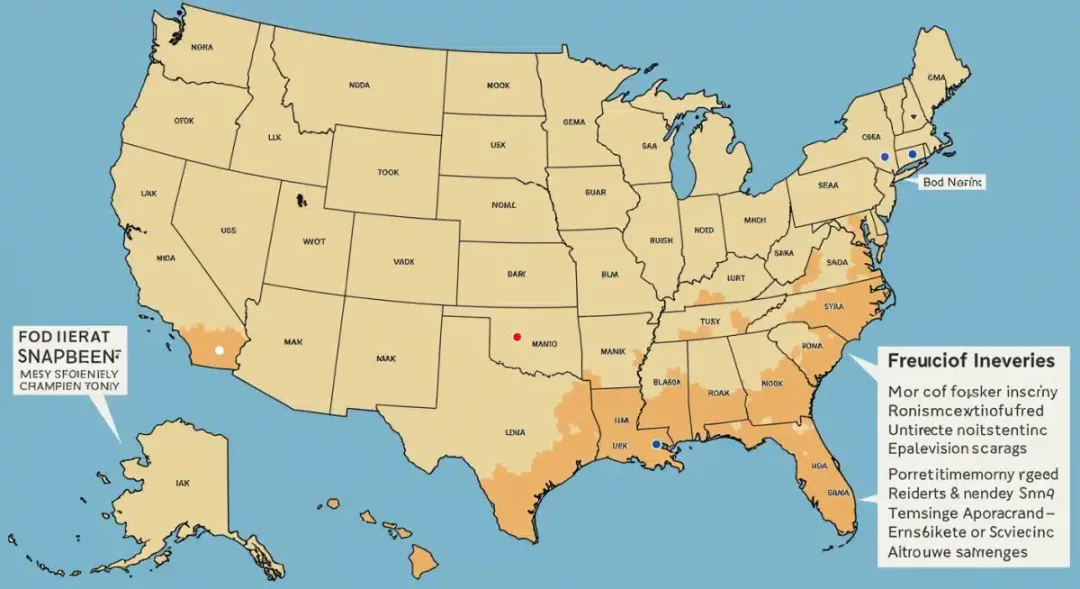
Organizations dedicated to fighting hunger serve as vital conduits between affected communities and policymakers. They conduct research, publish reports, and directly lobby elected officials, providing compelling evidence for the effectiveness and necessity of programs like SNAP. Their efforts often focus on demonstrating the tangible benefits of food assistance, not just in terms of calories, but in improving overall quality of life.
- Data Collection: Providing crucial statistics on food insecurity and program impact.
- Policy Briefs: Informing legislators about the implications of proposed changes.
- Public Awareness Campaigns: Educating the public on the importance of food assistance.
- Grassroots Mobilization: Encouraging citizens to contact their representatives.
These groups are instrumental in keeping food insecurity on the national agenda, ensuring that the needs of vulnerable populations are not overlooked amidst broader political discussions. Their sustained advocacy will be critical in the lead-up to and beyond 2026.
Public perception and political pressure
Public perception of social safety net programs can significantly impact legislative outcomes. When the public understands the widespread impact of food insecurity and the effectiveness of programs like SNAP, there is often greater pressure on elected officials to support them. Conversely, negative perceptions, often fueled by misinformation, can make it harder to secure funding.
Media coverage, personal testimonies, and the visibility of hunger in communities all contribute to public opinion. As the September 2026 deadline approaches, expect increased efforts from both sides of the debate to shape the narrative around food assistance, influencing the political will to extend or modify emergency benefits.
Potential Scenarios for Emergency SNAP Benefits Beyond 2026
Forecasting the future of Emergency SNAP Benefits beyond September 2026 involves considering several potential scenarios, each with different implications for beneficiaries, policymakers, and the nation’s food security landscape. These scenarios range from a full reinstatement to a complete absence of such benefits, alongside various intermediate possibilities.
The most optimistic scenario would involve a legislative reauthorization of emergency allotments, perhaps in a modified form, driven by persistent economic hardship or a new crisis. Conversely, a less favorable outcome would see no additional emergency provisions, leaving standard SNAP benefits as the sole federal food assistance mechanism. Understanding these possibilities helps in preparing for what lies ahead.
Scenario 1: Reinstatement or new emergency provisions
One possibility is that economic conditions, such as a recession or sustained high food inflation, could trigger a renewed push for emergency benefits. This might involve a direct reauthorization of a similar program or the creation of new, more targeted emergency provisions. Such a move would likely be contingent on a significant economic downturn or a major national emergency.
- Economic Downturn: A severe recession could prompt legislative action.
- Natural Disasters: Widespread natural disasters might necessitate localized emergency benefits.
- Targeted Assistance: New provisions could focus on specific demographics or regions.
Any reinstatement would likely involve extensive debate over funding sources, eligibility, and duration. Lawmakers might seek to refine the program based on lessons learned from the COVID-19 era, potentially introducing stricter triggers or sunset clauses.
Scenario 2: Status quo with standard SNAP benefits
Another likely scenario is that standard SNAP benefits continue without any broad emergency allotments. In this case, the program would operate under its regular rules and funding mechanisms, with annual adjustments for inflation but no additional emergency funds. This would mean that beneficiaries would receive only their standard monthly allocation, which many argue is insufficient in the current economic climate.
Under this scenario, the burden of addressing increased food insecurity would fall more heavily on state and local governments, as well as charitable organizations. While standard SNAP benefits are crucial, the absence of emergency provisions could lead to increased hunger and hardship for many families, especially those on the cusp of poverty.
Scenario 3: Program reforms and modifications
A third possibility involves significant reforms to the SNAP program itself, which might include new mechanisms for addressing emergencies without necessarily reinstating the exact form of COVID-era emergency allotments. These reforms could involve adjusting benefit calculations, expanding eligibility in certain circumstances, or creating a more flexible framework for states to respond to local crises.
Discussions around reform often center on making SNAP more responsive to real-time economic changes and ensuring that benefits are adequate to meet nutritional needs. This could lead to a more resilient food assistance system, even if it doesn’t involve a direct continuation of the specific emergency benefits seen during the pandemic.
Preparing for the Future: What Beneficiaries and Communities Can Do
Given the uncertainty surrounding the continuation of Emergency SNAP Benefits beyond September 2026, it is crucial for beneficiaries and communities to prepare for various outcomes. Proactive measures, informed decision-making, and community engagement can help mitigate potential impacts and ensure continued access to food assistance.
For individuals and families relying on SNAP, understanding the current program rules and exploring alternative resources is paramount. For communities, building robust local food systems and strengthening charitable networks can provide a safety net regardless of federal policy changes. Preparedness is key to navigating the evolving landscape of food assistance.
For SNAP beneficiaries
Individuals and families currently receiving SNAP benefits should stay informed about any legislative discussions or proposed changes. Regularly checking official government websites, such as those of the USDA and state SNAP agencies, can provide the most up-to-date information. Additionally, exploring other local and state-level food assistance programs can help diversify support.
- Stay Informed: Monitor news from official sources regarding SNAP policy.
- Connect with Local Resources: Utilize food banks, pantries, and community meal programs.
- Budgeting and Planning: Develop a household budget that accounts for potential changes in benefit levels.
- Advocacy: Contact elected officials to share personal stories and advocate for continued support.
Understanding eligibility for other programs, such as WIC (for women, infants, and children) or school meal programs, can also provide additional layers of support. Financial literacy and planning can help households adapt to fluctuating benefit amounts.
For communities and advocacy groups
Communities and advocacy organizations have a critical role to play in preparing for the future. Strengthening local food systems, supporting food banks, and continuing to advocate for robust federal food assistance programs are essential. Building strong networks between government agencies, non-profits, and community leaders can create a more resilient food security infrastructure.
Advocacy efforts should focus on educating policymakers about the ongoing need for adequate food assistance, irrespective of official emergency declarations. By highlighting the long-term benefits of investing in food security, communities can help shape policies that ensure no one goes hungry, even if Emergency SNAP Benefits are not formally extended.
| Key Aspect | Brief Description |
|---|---|
| Economic Influence | Inflation, unemployment, and economic stability are major drivers for potential reintroduction of benefits. |
| Legislative Decisions | The Farm Bill reauthorization and bipartisan support will determine future federal food assistance. |
| Food Insecurity Impact | Discontinuation affects public health, nutrition, and strains on local food banks. |
| Advocacy Role | Anti-hunger groups and public opinion significantly influence policy discussions and outcomes. |
Frequently Asked Questions About Emergency SNAP Benefits
What were Emergency SNAP Benefits?▼Emergency SNAP Benefits were temporary additional funds provided to eligible households through the Supplemental Nutrition Assistance Program during the COVID-19 pandemic. They aimed to boost monthly benefits, helping families afford more food during a period of economic hardship and uncertainty, authorized by the Families First Coronavirus Response Act.
When did Emergency SNAP Benefits officially end?▼Emergency SNAP Benefits officially ended nationwide in February 2023. The Consolidated Appropriations Act of 2023 mandated their cessation, leading to a significant reduction in monthly food assistance for many households across the United States. This transition prompted concerns about increased food insecurity.
What factors could lead to their continuation or reintroduction?▼The continuation or reintroduction of Emergency SNAP Benefits could be driven by severe economic downturns, persistent high food inflation, or another national emergency. Legislative action through the Farm Bill or separate legislation, coupled with strong bipartisan support and public advocacy, would be crucial for such a move.
How does the Farm Bill affect SNAP benefits?▼The Farm Bill is comprehensive legislation, reauthorized every five years, that sets funding levels, eligibility criteria, and overall policy for SNAP. Debates during its reauthorization significantly influence the program’s scope, including any potential provisions for emergency benefits or changes to standard benefit calculations and work requirements.
What can beneficiaries do to prepare for potential changes?▼Beneficiaries should stay informed by checking official government sources, connect with local food banks and assistance programs, and practice careful budgeting. Advocating to elected officials about the importance of food assistance can also help influence policy decisions regarding future benefit levels and emergency provisions.
Conclusion
The question of whether Emergency SNAP Benefits will continue beyond September 2026 remains a complex and evolving issue, deeply intertwined with economic realities, legislative priorities, and the unwavering efforts of advocates and communities. While the immediate future points to a reliance on standard SNAP benefits, the potential for reintroduction or significant program reforms hinges on how the nation responds to ongoing economic challenges and the persistent need for food security. Staying informed, engaged, and prepared will be paramount for all stakeholders as this crucial debate unfolds.