
Ads
The 2026 federal tax credits for energy-efficient home upgrades offer homeowners significant savings on improvements like solar panels, insulation, heat pumps, and windows, with credits ranging from 30% to 50% of eligible costs.
The Department of Energy and the Internal Revenue Service have officially announced a sweeping expansion of federal tax credits for energy-efficient home improvements, set to take effect in 2026. Breaking: New Federal Tax Credits for Energy-Efficient Home Upgrades Announced for 2026 represents the most significant residential energy incentive program in over a decade. Homeowners across the United States stand to benefit from billions of dollars in potential savings as the government seeks to accelerate the transition to cleaner, more efficient housing. This comprehensive guide breaks down everything you need to know about eligibility requirements, covered improvements, credit amounts, and practical steps to maximize your savings.
Understanding the 2026 Federal Tax Credit Program
The new federal tax credit program builds upon the foundation established by the Inflation Reduction Act, significantly expanding both the scope and generosity of incentives available to homeowners. The 2026 program introduces several new categories of eligible improvements while increasing credit percentages for existing categories. This represents a deliberate strategy by federal agencies to address housing efficiency as a critical component of national climate goals. The program aims to retrofit approximately 20 million American homes over the next decade, reducing overall energy consumption and greenhouse gas emissions significantly.
Under the new guidelines, the federal government has allocated substantial funding to ensure the tax credit program remains viable through at least 2032. Homeowners can now access credits for a broader range of improvements than ever before, including structural elements like insulation and air sealing, mechanical systems such as heat pumps and solar water heaters, and renewable energy generation through residential solar installations. The credit structure has been designed to provide meaningful financial assistance while encouraging adoption of technologies that deliver the greatest energy savings.
Key Program Details
- Maximum annual credit limit increased to $3,200 for most homeowners
- New category added for whole-home energy efficiency improvements
- Credit percentages range from 30% to 50% depending on improvement type
- Labor costs for professional installation now qualify for credits
- Income-based bonus credits available for qualifying households
The program distinguishes between different tiers of improvements, with the highest credits reserved for comprehensive energy upgrades that achieve substantial efficiency gains. This tiered approach ensures that homeowners who invest in comprehensive retrofits receive proportional rewards, while those making incremental improvements still benefit from meaningful credits. The IRS has established clear guidelines for energy performance testing and verification, ensuring that credits are tied to actual efficiency improvements rather than simply the purchase of equipment.
Eligible Home Improvements and Equipment
The 2026 tax credit program encompasses an extensive list of qualifying improvements, organized into several distinct categories that reflect different aspects of residential energy efficiency. Understanding these categories helps homeowners prioritize upgrades that offer the greatest combination of energy savings and tax benefits. The program covers both the equipment itself and the professional labor required for proper installation, a significant expansion from earlier versions of the credit.
Heating and cooling systems represent one of the most substantial categories, with particular emphasis on heat pump technology. Air source heat pumps, ground source heat pumps, and solar water heaters all qualify for significant credits under the 2026 program. These systems can reduce household energy consumption for climate control by 30% to 50% compared to conventional systems, making them attractive options for both financial and environmental reasons. The credit calculation considers both the efficiency rating of the equipment and its installation quality.

Building envelope improvements, including insulation, air sealing, and high-performance windows, form another critical category. These improvements address the fundamental thermal envelope of the home, preventing energy loss and reducing the workload on heating and cooling systems. Windows meeting specific ENERGY STAR requirements qualify for credits, as do insulation products that achieve recommended R-values for the climate zone where the home is located. The program recognizes that envelope improvements often deliver the greatest long-term savings and provides appropriate incentives for these investments.
Qualifying Equipment Categories
- Heat pumps (air source and ground source) with SEER2 ratings above 15.2
- Central air conditioning systems with SEER2 ratings above 16
- Electric heat pump water heaters with UEF ratings above 3.0
- Biomass stoves and boilers with efficiency ratings above 75%
- Solar photovoltaic systems and solar water heating equipment
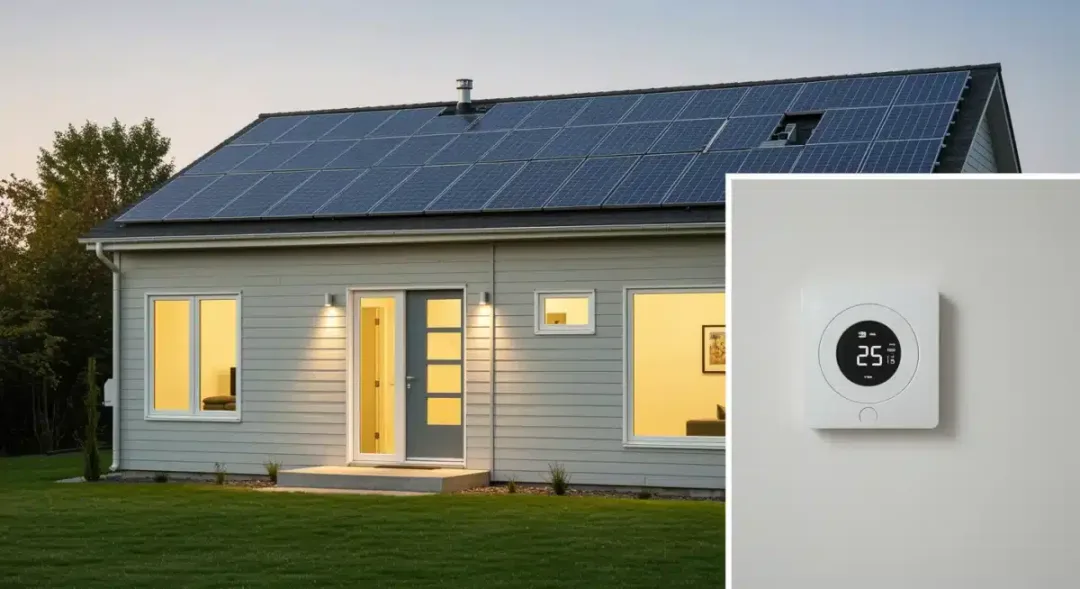
The inclusion of solar photovoltaic systems represents a particularly significant opportunity for homeowners. Residential solar installations can qualify for credits covering 30% of total system costs, including equipment, installation, and necessary electrical upgrades. Combined with state-level incentives and utility rebates, this makes solar an increasingly attractive investment across much of the country. The program also covers battery storage systems that integrate with solar installations, enabling homeowners to maximize their renewable energy usage.
Credit Calculation and Maximum Benefits
Understanding how credits are calculated requires familiarity with the specific formulas established by the IRS for each category of improvement. The 2026 program uses a combination of percentage-based credits and fixed dollar amounts, depending on the improvement type. This hybrid approach ensures that homeowners receive substantial benefits while maintaining program fiscal sustainability. The calculation methodology also accounts for regional variations in costs and climate considerations.
For most qualifying improvements, the credit equals a percentage of the eligible expenses, with the percentage varying by improvement type and whether the home meets certain energy performance thresholds. Comprehensive improvements that achieve specific efficiency targets qualify for the highest credit percentages, creating a clear incentive for homeowners to pursue whole-home retrofits rather than isolated upgrades. The program also includes bonus credits for homes that achieve ENERGY STAR certification or meet the Department of Energy’s Zero Energy Ready Home specifications.
Income-based adjustments provide additional support for lower and moderate-income households. Homeowners whose modified adjusted gross income falls below certain thresholds can access enhanced credits that cover a larger percentage of eligible expenses. These income-qualified credits can reach up to 50% for some improvement categories, significantly increasing the financial viability of energy efficiency upgrades for households that might otherwise find such investments challenging. The IRS provides clear guidelines for determining eligibility for these enhanced credits.
Credit Calculation Examples
- Heat pump installation: 30% of costs, up to $2,000 maximum credit
- Insulation and air sealing: 30% of costs, up to $500 maximum credit
- Windows and doors: 30% of costs, up to $250 per window, $500 per door
- Solar photovoltaic system: 30% of costs, with no specific dollar cap
- Whole-home energy improvements: 50% of costs exceeding $2,000 threshold
The interaction between different credit categories requires careful planning. Homeowners who pursue multiple improvements in a single tax year can combine credits, subject to annual limits. However, certain improvements that address the same component of the home may not both qualify for credits, requiring homeowners to choose between complementary options. Professional tax advice can help navigate these complexities and optimize the credit strategy for each household’s specific circumstances.
Application Process and Documentation Requirements
Successfully claiming the 2026 federal tax credits requires proper documentation and adherence to specific procedural requirements established by the IRS. The application process begins with ensuring that all improvements meet the technical specifications for qualifying equipment and installation. Homeowners should retain all receipts, contracts, and certification documents for at least seven years, as the IRS may request verification during tax audits.
The process typically involves obtaining manufacturer certifications that equipment meets required efficiency standards, along with proof of professional installation for improvements requiring qualified contractors. Many manufacturers provide documentation with their products that includes the necessary certification statements. For installation-related improvements, contractors should provide detailed invoices that specify the work performed and confirm that installation met applicable codes and standards. Homeowners must also complete the appropriate IRS forms when filing their annual tax returns.
Energy assessment requirements represent an important aspect of the documentation process for certain credit categories. Whole-home improvements and comprehensive retrofits require assessment by qualified energy auditors who can verify that the work achieves expected efficiency gains. These assessments use standardized protocols established by the Building Performance Institute or similar organizations, ensuring consistency and reliability in energy performance verification. The assessment report becomes part of the documentation package supporting the credit claim.
Required Documentation Checklist
- Itemized receipts showing equipment costs and installation labor
- Manufacturer certifications for qualifying equipment
- Contractor statements confirming proper installation
- Energy assessment reports for whole-home improvements
- Proof of home ownership and primary residence status
The IRS has streamlined the filing process through digital submission options and clear instructions on relevant tax forms. Most homeowners can claim credits using Form 5695, Residential Energy Credits, which is attached to the standard Form 1040. The form guides taxpayers through calculating eligible credits and ensures proper reporting. While the process is straightforward for straightforward cases, complex situations involving multiple improvements or income-based adjustments may benefit from professional tax preparation assistance.
Strategic Planning for Maximum Savings
Maximizing the benefits from the 2026 federal tax credits requires strategic planning that considers both the available incentives and the specific characteristics of each home. Homeowners should conduct comprehensive energy audits to identify the most impactful improvements for their particular situation, then develop a phased implementation plan that optimizes credit timing and amount. This strategic approach can significantly increase total savings compared to ad-hoc improvement decisions.
Timing plays a crucial role in credit optimization. The 2026 program offers certain advantages for early adopters, including introductory bonus credits for improvements completed in the first year. However, the program is structured to provide substantial benefits throughout its duration, so homeowners should not rush decisions if doing so would result in suboptimal choices. Coordinating improvements to maximize credit combinations while staying within annual limits requires careful planning and potentially spreading work across multiple tax years.
Integration with other incentive programs amplifies the financial benefits of energy-efficient upgrades. Many states offer complementary tax credits or rebates that can be combined with federal credits, though homeowners should verify that叠加 is permitted under applicable rules. Utility companies frequently provide rebates for qualifying equipment, and some municipalities offer additional incentives for energy efficiency improvements. Creating a comprehensive incentive strategy that captures all available benefits requires research but can reduce net costs by 50% or more for some improvement packages.
Optimization Strategies
- Conduct energy audit before planning improvement sequence
- Prioritize improvements with highest credit-to-cost ratios
- Coordinate federal credits with state and utility incentives
- Consider timing improvements across multiple tax years
- Bundle improvements to achieve whole-home credit thresholds
Professional guidance from energy auditors, contractors, and tax advisors can significantly improve outcomes. Energy auditors identify the most cost-effective improvements based on actual home characteristics. Experienced contractors ensure installations meet all technical requirements for credit qualification. Tax professionals help navigate the documentation requirements and optimize credit claims. While these professional services represent additional costs, the expertise they provide often results in greater overall savings through optimized improvement selection and proper credit capture.
Impact on Homeowners and the Housing Market
The 2026 federal tax credit program represents a transformative opportunity for American homeowners, both in terms of individual savings and broader market effects. The program is expected to stimulate over $100 billion in home improvement investments over its initial five-year period, creating substantial economic activity while achieving meaningful environmental benefits. For individual homeowners, the credits can reduce the effective cost of major efficiency improvements by 30% to 50%, making investments that might otherwise be financially prohibitive.
The housing market will likely experience several effects from the expanded credit program. Homes with recently completed energy efficiency improvements may command premium prices, as buyers recognize the reduced operating costs and improved comfort associated with efficient housing. Real estate professionals are already incorporating energy efficiency features into marketing materials, and the tax credits provide additional justification for these premium positioning strategies. The program also encourages construction of new homes to higher efficiency standards, as builders can pass through credit benefits to buyers.
Beyond individual homeowner benefits, the program supports broader national goals for energy independence and climate change mitigation. Residential buildings account for approximately 20% of U.S. energy consumption and greenhouse gas emissions, making efficiency improvements in this sector critical for achieving emission reduction targets. The tax credit program creates a market mechanism that accelerates the adoption of efficient technologies while reducing the financial burden on homeowners. This approach recognizes that widespread adoption requires making efficient choices economically attractive for typical households.
Common Questions and Practical Answers
Many homeowners have specific questions about how the 2026 tax credits apply to their individual circumstances. Understanding these common questions helps clarify program details and enables better decision-making. The following FAQ section addresses the most frequently asked questions about the program, providing clear, actionable information for homeowners considering efficiency improvements.
Frequently Asked Questions About 2026 Federal Tax Credits
Can I claim tax credits for DIY installations or do I need professional contractors?▼Most energy tax credits require professional installation by qualified contractors to qualify. The IRS specifies that equipment must be installed according to manufacturer instructions and applicable codes. While some minor improvements like weatherstripping may qualify without professional installation, heat pumps, solar systems, and major envelope improvements typically require documented professional installation. The labor credit component specifically rewards proper installation by qualified professionals.
How long does it take to receive the tax credit after completing improvements?▼Tax credits are applied when you file your annual tax return for the year when improvements were completed. If the credit exceeds your tax liability, the excess typically carries forward to future years. Processing times vary based on IRS workload and whether your return is selected for review. Most straightforward credit claims are processed within normal tax refund timelines, typically 3-6 weeks for electronic filing with direct deposit.