
Ads
Implementing energy-efficient home finds such as smart thermostats, LED lighting, and improved insulation can drastically cut utility expenses and enhance comfort, contributing to both financial savings and environmental sustainability.
Are you tired of skyrocketing utility bills eating into your budget? The good news is that making your home more energy-efficient doesn’t have to be a daunting or expensive endeavor. In fact, embracing energy-efficient home finds can be one of the smartest financial decisions you make, leading to significant savings on electricity, gas, and even water bills. From simple swaps to more substantial upgrades, there’s a wealth of innovative products and practices designed to reduce your energy consumption without sacrificing comfort or convenience. This guide will walk you through the most impactful energy-efficient solutions available today, helping you create a greener, more affordable living space. Prepare to discover how small changes can lead to big savings and a more sustainable lifestyle.
Understanding Your Home’s Energy Landscape
Before diving into specific products, it’s crucial to understand where your home is currently losing energy. Many homeowners are surprised to learn that a significant portion of their energy consumption goes towards heating and cooling, often due to inadequate insulation or inefficient systems. Identifying these weak points is the first step toward implementing effective energy-saving strategies. A home energy audit, whether professional or DIY, can pinpoint these areas, offering a clear roadmap for improvements.
An audit typically examines everything from your home’s envelope – walls, roof, windows, and doors – to your major appliances and HVAC system. Drafts around windows and doors, poorly insulated attics, and outdated heating and cooling units are common culprits for wasted energy. Understanding these elements allows you to prioritize upgrades that will yield the greatest return on investment, ensuring your efforts are both effective and economically sound.
The Role of a Home Energy Audit
A professional energy audit provides a comprehensive analysis of your home’s energy performance. Auditors use specialized tools like thermal cameras and blower door tests to detect air leaks and insulation deficiencies that are invisible to the naked eye. This detailed report can highlight specific areas for improvement, ranging from sealing gaps to upgrading appliances. Many utility companies even offer rebates or incentives for conducting a home energy audit, making it an even more attractive first step.
- Identifies hidden air leaks and drafts.
- Evaluates insulation levels in walls, attics, and floors.
- Assesses the efficiency of heating, ventilation, and air conditioning (HVAC) systems.
- Recommends cost-effective upgrades with estimated savings.
Even without a professional audit, a DIY approach can still be highly effective. Simple checks like feeling for drafts around windows and doors, inspecting attic insulation, and monitoring appliance energy usage can provide valuable insights. Look for visible signs of wear and tear on weatherstripping and caulking, and consider the age of your major energy-consuming appliances. These initial observations can guide your first few energy-efficient purchases, setting you on the path to reduced utility costs.
Smart Thermostats: Your Home’s Intelligent Climate Control
One of the most popular and impactful energy-efficient home finds is the smart thermostat. These devices go far beyond traditional programmable thermostats by learning your habits, adapting to your schedule, and even responding to external factors like weather conditions. They offer unparalleled control over your home’s heating and cooling, which often accounts for the largest portion of your energy bill.
Smart thermostats connect to your home’s Wi-Fi, allowing you to control them remotely via a smartphone app. This feature is incredibly convenient, enabling you to adjust the temperature before you arrive home or turn down the heat if you unexpectedly leave for an extended period. Many models also integrate with other smart home systems, creating a cohesive and automated environment that further optimizes energy use.

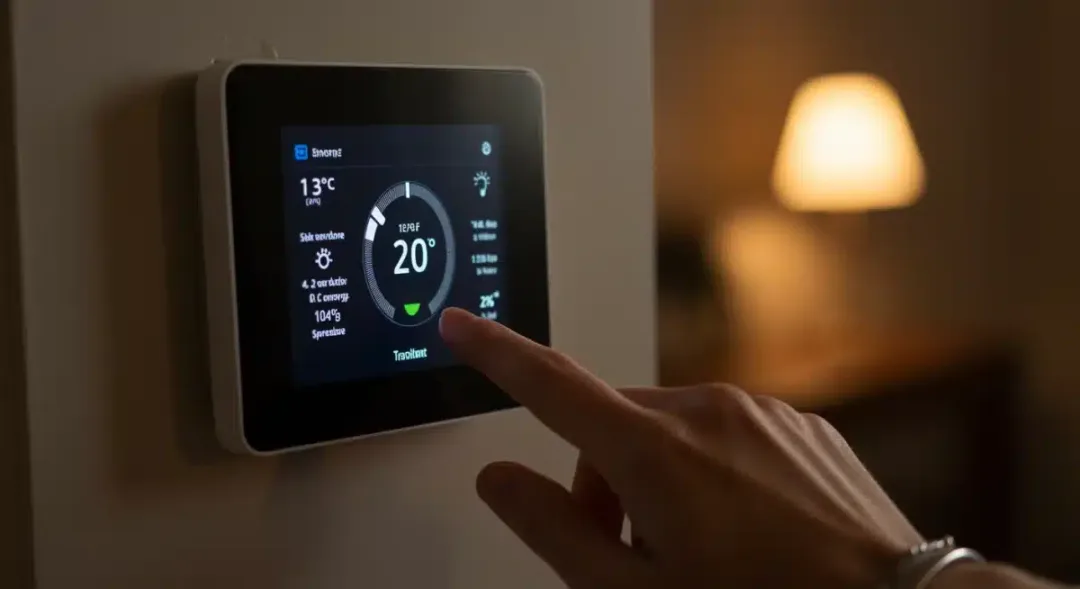
The ability of smart thermostats to learn your preferences is a game-changer. Over time, they recognize when you’re home, when you’re away, and what temperatures you prefer at different times of the day. This learning capability allows them to create an optimized schedule automatically, ensuring your home is comfortable when you need it to be without wasting energy when you don’t. Some models even detect when you’re approaching home using geofencing technology, preemptively adjusting the temperature.
Key Features of Smart Thermostats
Beyond remote control and learning capabilities, smart thermostats come equipped with a variety of features designed to maximize energy savings. Energy usage reports, for instance, provide detailed insights into your consumption patterns, helping you identify areas for further optimization. Integration with voice assistants like Amazon Alexa or Google Assistant offers hands-free control, adding to the convenience factor.
- Remote Control: Adjust settings from anywhere via smartphone.
- Learning Capabilities: Automatically adapts to your schedule and preferences.
- Energy Reports: Provides insights into energy consumption.
- Geofencing: Adjusts temperature based on your proximity to home.
- System Integration: Works with other smart home devices for unified control.
Investing in a smart thermostat is often a quick win for energy efficiency. The initial cost is typically recouped within a year or two through reduced utility bills, making it a financially sound upgrade. Furthermore, many utility companies offer rebates for installing smart thermostats, further sweetening the deal. Choosing the right model depends on your specific needs and existing smart home ecosystem, but the benefits of enhanced control and significant savings are universal.
LED Lighting: Brightening Your Home, Dimming Your Bills
Switching to LED lighting is perhaps one of the simplest yet most effective energy-efficient home finds you can implement. Gone are the days of flickery, harsh LED lights; modern LED technology offers a wide range of colors, brightness levels, and designs that can beautifully illuminate any space while consuming a fraction of the energy of traditional incandescent or even CFL bulbs.
LEDs (Light Emitting Diodes) are inherently more efficient because they produce light differently. Instead of heating a filament, they pass electrons through a semiconductor material, resulting in light production with minimal heat waste. This efficiency translates directly into lower electricity bills and a longer lifespan for the bulbs, reducing both energy consumption and replacement costs.
The longevity of LED bulbs is remarkable; many are rated to last 25,000 hours or more, which could mean over 20 years of use based on typical household usage. This drastically reduces the hassle and cost of frequently replacing bulbs, especially in hard-to-reach fixtures. Moreover, LEDs are more durable and less prone to breakage than traditional bulbs, adding to their overall value and appeal.
Advantages of LED Lighting
Beyond energy savings and longevity, LED lighting offers several other compelling advantages. They reach full brightness instantly, unlike some CFLs, and they are available in various color temperatures, from warm white to cool daylight, allowing you to create the perfect ambiance for any room. Many LED bulbs are also dimmable, providing even greater control over your home’s lighting and energy use.
- Significant Energy Savings: Up to 80-90% less energy than incandescents.
- Extended Lifespan: Lasts 25 times longer than traditional bulbs.
- Instant Brightness: No warm-up time required.
- Versatile Color Temperatures: Wide range of options for ambiance.
- Durability: More resistant to breakage and vibrations.
When selecting LED bulbs, pay attention to lumens (brightness), color temperature (Kelvin), and wattage equivalent. Lumens indicate how bright the light is, while Kelvin describes the color of the light. A 60-watt incandescent bulb is typically equivalent to an 8-12 watt LED, providing similar brightness with significantly less energy. Making the switch throughout your home can lead to noticeable savings on your monthly utility statements and contribute to a more sustainable lifestyle with minimal effort.
Improving Insulation: The Foundation of an Energy-Efficient Home
While smart gadgets and efficient lighting are important, the foundation of an energy-efficient home lies in its insulation. Proper insulation is one of the most critical energy-efficient home finds because it acts as a barrier, preventing heat from escaping in the winter and entering in the summer. Without adequate insulation, even the most advanced HVAC system will struggle to maintain comfortable temperatures, leading to wasted energy and higher bills.
Insulation is measured by its R-value, which indicates its thermal resistance. A higher R-value means better insulating power. Common areas for insulation improvement include the attic, walls, and floors. The attic is often the easiest and most cost-effective place to add insulation, as heat naturally rises and escapes through the roof if not properly contained. Upgrading attic insulation can significantly reduce heat loss and gain, making your home more comfortable year-round.
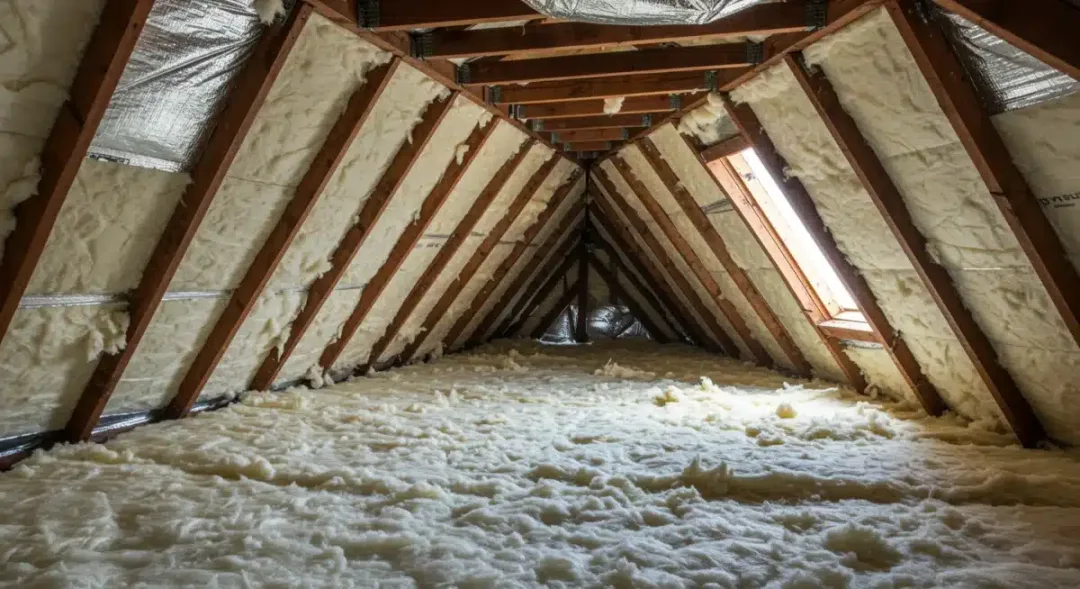
Beyond attics, wall insulation also plays a vital role. While more challenging to install in existing homes, techniques like blown-in insulation can fill wall cavities without extensive demolition. For floors, especially those over unheated basements or crawl spaces, adding insulation can prevent cold drafts and improve overall thermal comfort. Addressing these areas systematically can drastically reduce your home’s energy demand.
Types of Insulation and Their Benefits
There are various types of insulation materials, each with its own benefits and ideal applications. Fiberglass, cellulose, and spray foam are among the most common. Fiberglass is widely used due to its affordability and ease of installation. Cellulose, often made from recycled paper, is an eco-friendly option that provides excellent sound deadening properties. Spray foam, while more expensive, offers superior air sealing and high R-values, making it highly effective for preventing air leakage.
- Fiberglass: Cost-effective, easy to install, good R-value.
- Cellulose: Eco-friendly, excellent sound barrier, good R-value.
- Spray Foam: Superior air sealing, high R-value, fills irregular spaces.
- Mineral Wool: Fire-resistant, good sound absorption, high R-value.
Before undertaking an insulation project, it’s wise to consult with a professional or research local building codes for recommended R-values in your climate zone. Proper installation is key to maximizing insulation’s effectiveness, as gaps or compressed areas can significantly reduce its performance. Investing in good insulation is a long-term strategy that pays dividends through consistent energy savings and enhanced home comfort for decades.
Energy-Efficient Appliances: Modern Convenience, Lower Consumption
Appliances are indispensable in modern homes, but they can also be major energy consumers. Upgrading to energy-efficient models is an excellent way to find energy-efficient home finds and significantly reduce your electricity and water usage. The Energy Star label, a government-backed symbol for energy efficiency, is your best friend when shopping for new appliances, indicating products that meet strict energy performance standards.
Refrigerators, washing machines, dishwashers, and water heaters are among the biggest energy-hungry appliances in most households. Older models, particularly those more than ten years old, can be surprisingly inefficient compared to their modern counterparts. For instance, a new Energy Star certified refrigerator uses significantly less energy than a model from the early 2000s, even if it’s a larger capacity.
When considering a new appliance, look beyond the purchase price to the long-term operating costs. The energy guide label, typically found on yellow tags, provides an estimated annual energy consumption and cost, allowing you to compare models effectively. While energy-efficient appliances may have a higher upfront cost, the savings on utility bills over their lifespan often make them a more economical choice in the long run.
Smart Choices for Appliance Upgrades
Focusing on the appliances you use most frequently or that consume the most energy will yield the greatest savings. For example, a new Energy Star certified washing machine uses less water and electricity than older models, thanks to advanced features like load-sensing technology and optimized wash cycles. Similarly, an Energy Star dishwasher can save thousands of gallons of water annually compared to handwashing or older units.
- Refrigerators: Look for Energy Star models with advanced insulation and efficient compressors.
- Washing Machines: Front-load models are typically more efficient, using less water and energy.
- Dishwashers: Energy Star certified models use less water and have efficient heating elements.
- Water Heaters: Tankless water heaters or heat pump water heaters offer significant energy savings.
- Ovens and Stovetops: Induction cooktops are highly efficient, transferring heat directly to cookware.
Beyond major appliances, consider smaller energy-efficient alternatives like LED televisions, power strips with surge protection and auto shut-off features to combat phantom load, and efficient coffee makers. Every watt saved contributes to a lower overall energy footprint and more money in your pocket. Making smart choices when upgrading your appliances is a powerful step towards a truly energy-efficient home.
Water-Saving Fixtures: Conserving Water, Saving Money
While often overlooked in discussions about energy efficiency, water consumption is intrinsically linked to energy use. Heating water for showers, washing dishes, and doing laundry requires a significant amount of energy. Therefore, investing in water-saving fixtures is a smart addition to your list of energy-efficient home finds, contributing to both water and energy conservation.
High-efficiency toilets, low-flow showerheads, and aerators for faucets are simple yet effective upgrades. Older toilets can use up to 5-7 gallons per flush, whereas modern high-efficiency models use 1.6 gallons or less, with some even using as little as 0.8 gallons. This can lead to substantial water savings, especially in homes with multiple occupants.
Low-flow showerheads, another excellent find, maintain strong water pressure while using significantly less water than traditional models. Many are designed to mix air with water, creating a satisfying shower experience without the excessive water flow. Similarly, faucet aerators reduce water usage by adding air to the stream, reducing the flow rate without compromising effectiveness for handwashing or dish preparation.
Impactful Water-Saving Upgrades
Beyond fixtures, consider the efficiency of your landscaping. Drought-resistant plants and smart irrigation systems can drastically reduce outdoor water consumption. Rain barrels can collect rainwater for gardening, further lessening your reliance on municipal water supplies. These measures not only save water but also reduce the energy required to treat and deliver that water to your home, contributing to overall energy efficiency.
- High-Efficiency Toilets: Significantly reduce water per flush.
- Low-Flow Showerheads: Maintain pressure while reducing water use.
- Faucet Aerators: Easily reduce water flow from sinks.
- Smart Irrigation Systems: Optimize watering based on weather and plant needs.
- Rain Barrels: Collect rainwater for outdoor use, reducing tap water consumption.
The cumulative effect of these water-saving measures can be substantial. Reducing hot water consumption directly lowers your water heating costs, which are a major energy expense. Furthermore, conserving water helps protect a vital natural resource. Embracing water-saving fixtures is a responsible and economically beneficial choice for any homeowner looking to enhance their home’s overall efficiency and reduce their environmental footprint.
Draft Proofing and Weatherization: Sealing in Savings
Even with excellent insulation and efficient appliances, your home can still bleed energy through air leaks. Draft proofing and weatherization are crucial energy-efficient home finds that address these often-invisible culprits, sealing your home’s envelope and preventing conditioned air from escaping. This means your heating and cooling systems don’t have to work as hard, leading to noticeable savings on your utility bills.
Common areas for air leaks include gaps around windows and doors, electrical outlets, plumbing penetrations, and attic hatches. These small openings can collectively add up to a significant amount of air leakage, akin to leaving a window open year-round. Identifying and sealing these leaks is a cost-effective way to improve your home’s energy performance and enhance comfort by eliminating cold drafts in winter and hot spots in summer.
Materials like caulk, weatherstripping, and foam sealants are your primary tools for draft proofing. Caulk is ideal for sealing cracks and gaps in non-moving parts of your home’s exterior and interior, such as around window frames and where walls meet ceilings. Weatherstripping is perfect for sealing gaps around operable windows and doors, creating a tight seal when they are closed. Foam sealants are excellent for larger gaps and penetrations, like those around pipes or electrical wiring.
Effective Weatherization Techniques
Beyond sealing visible gaps, consider more comprehensive weatherization projects. Sealing and insulating ductwork, especially in unconditioned spaces like attics or crawl spaces, can prevent significant energy loss. Leaky ducts can reduce the efficiency of your HVAC system by as much as 20-30%, meaning you’re paying to heat or cool air that never reaches your living spaces. Professional duct sealing can be a very impactful upgrade.
- Caulking: Seal cracks and gaps around stationary components like window frames.
- Weatherstripping: Apply to movable parts of windows and doors to prevent drafts.
- Foam Sealants: Fill larger gaps around pipes, wires, and attic hatches.
- Duct Sealing: Seal leaks in HVAC ductwork, especially in unconditioned areas.
- Window Films: Add an extra layer of insulation to windows, reducing heat transfer.
Regularly inspecting your home for air leaks should be part of your routine maintenance. A simple trick is to light an incense stick and hold it near potential leak areas; if the smoke wavers, you’ve found a draft. The investment in weatherization materials is typically very low, and the return on investment in terms of reduced utility bills is often immediate and substantial. Sealing your home’s envelope is a fundamental step towards achieving true energy efficiency and long-term savings.
| Energy-Efficient Find | Key Benefit for Homeowners |
|---|---|
| Smart Thermostats | Automated climate control saves up to 10-15% on heating/cooling costs. |
| LED Lighting | Reduces lighting energy consumption by 80-90% and lasts longer. |
| Improved Insulation | Prevents heat loss/gain, significantly lowering HVAC workload and bills. |
| Energy Star Appliances | Uses less electricity and water, leading to substantial long-term savings. |
Frequently Asked Questions About Energy-Efficient Home Finds
What are the most cost-effective energy-efficient home finds to start with?▼Starting with LED lighting upgrades and basic draft proofing (caulking, weatherstripping) offers immediate and significant savings with minimal upfront investment. Smart thermostats also provide a quick return on investment by optimizing heating and cooling schedules, which are typically large energy consumers.
How much can I realistically save on utility bills with energy-efficient upgrades?▼Savings vary based on your home’s current efficiency and the extent of upgrades. Many homeowners report 10-30% reductions in utility bills after implementing several key energy-efficient measures. A home energy audit can provide a more precise estimate tailored to your specific property and climate.
Are there government incentives or rebates for energy-efficient home finds?▼Yes, many federal, state, and local governments, as well as utility companies, offer incentives, tax credits, or rebates for energy-efficient upgrades. These can include solar panel installations, insulation improvements, and smart thermostat purchases. Check with your local utility provider and government energy programs for current opportunities.
How do I choose the right energy-efficient appliances for my home?▼Look for the Energy Star label, which indicates that an appliance meets strict energy efficiency guidelines set by the EPA. Compare the yellow EnergyGuide labels to understand estimated annual energy consumption and operating costs. Consider your family’s needs and usage patterns to select the most suitable and efficient models.
Can older homes become truly energy-efficient?▼Absolutely. Older homes often have the most potential for significant energy savings through upgrades like improved insulation, draft sealing, and modern windows. While some improvements might be more involved, the long-term benefits in comfort and reduced bills make these investments highly worthwhile for older properties.
Embracing a More Sustainable and Economical Home
The journey towards a more energy-efficient home is a continuous one, filled with opportunities to save money, enhance comfort, and contribute to a healthier planet. By strategically incorporating these energy-efficient home finds, you’re not just cutting down on monthly utility bills; you’re also increasing your home’s value, reducing its carbon footprint, and creating a more comfortable living environment for yourself and your family. Whether you start with simple swaps like LED bulbs and smart thermostats or undertake larger projects like insulation upgrades, every step counts. The resources and technologies available today make it easier than ever to transform your home into a beacon of efficiency. Take the initiative, explore the options, and begin reaping the rewards of a smarter, greener, and more economical home today.