

Ads
New Medicare Part D updates for 2026 are poised to bring substantial savings on prescription drug costs for beneficiaries, featuring a redesigned benefit structure and caps on out-of-pocket spending.
Are you a Medicare beneficiary concerned about rising prescription drug costs? Get ready for significant changes! The upcoming Medicare Part D 2026 updates are set to revolutionize how millions of Americans pay for their medications, potentially saving you hundreds, if not thousands, of dollars annually. Understanding these changes now is crucial for maximizing your future benefits.
Understanding the Evolution of Medicare Part D
Medicare Part D, established in 2006, was designed to help beneficiaries cover the costs of prescription drugs. Before its inception, many seniors faced exorbitant out-of-pocket expenses for vital medications, leading to difficult choices between health and financial stability. Over the years, Part D has undergone several adjustments, typically aimed at improving affordability and access, but none quite as transformative as those slated for 2026.
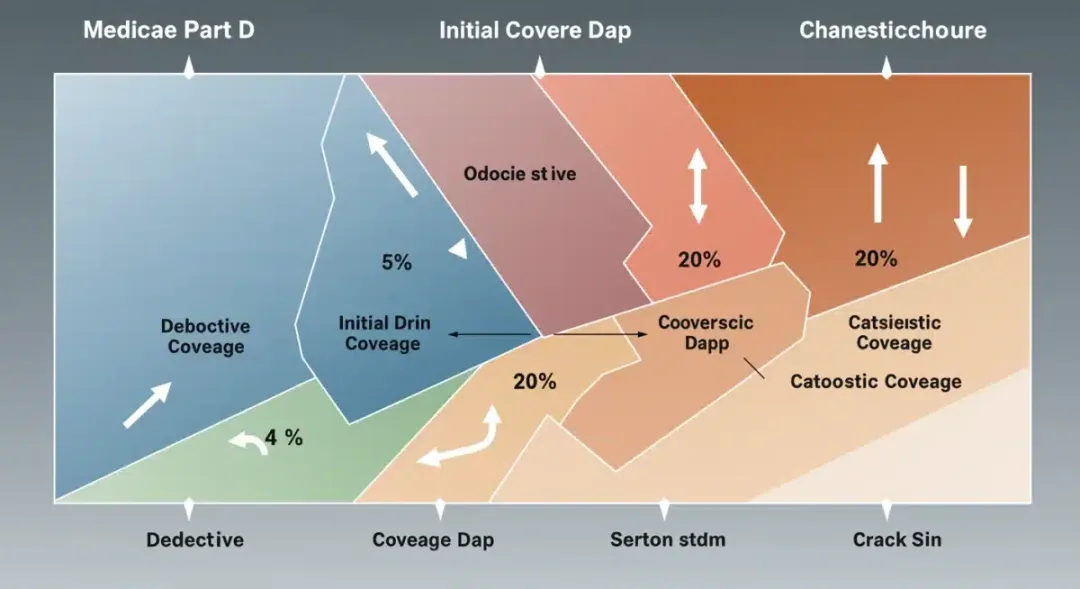
The program’s structure has historically involved a deductible, an initial coverage phase, a coverage gap (often called the ‘donut hole’), and catastrophic coverage. This multi-layered system, while offering some relief, often left beneficiaries confused and vulnerable to high costs, especially those with chronic conditions requiring expensive medications. The 2026 changes are a direct response to these long-standing challenges, aiming for a simpler, more predictable, and ultimately more affordable experience for enrollees.
The initial structure and challenges
When Medicare Part D first rolled out, it was a complex system. Beneficiaries had to navigate various plan options, formularies, and cost-sharing structures. Many found themselves in the dreaded ‘donut hole,’ where they were responsible for a significant portion of their drug costs after reaching a certain spending limit, until they qualified for catastrophic coverage. This gap created immense financial stress for those with high prescription needs.
- High deductibles for some plans.
- Complex tiers for drug pricing.
- The burden of the coverage gap.
- Limited options for low-income individuals.
Legislative efforts for reform
Years of advocacy and legislative debate have culminated in the upcoming reforms. The Inflation Reduction Act (IRA) laid the groundwork for these significant changes, intending to lower drug prices and reduce out-of-pocket costs for seniors. These legislative efforts reflect a broader commitment to making healthcare more accessible and affordable for all Americans, particularly those on fixed incomes.
The journey to these reforms has been long, involving extensive research, public hearings, and negotiations among lawmakers, pharmaceutical companies, and patient advocacy groups. The consensus was clear: the existing Part D structure needed a major overhaul to better serve its beneficiaries. The focus shifted towards capping out-of-pocket expenses and streamlining the benefit design, ensuring that no senior would face an unbearable financial burden due due to their prescription drug needs.
The 2026 updates represent a pivotal moment in the history of Medicare Part D. They are not merely incremental adjustments but a fundamental redesign, promising a future where prescription drug costs are more manageable and predictable. This significant shift aims to alleviate financial stress, improve medication adherence, and ultimately enhance the quality of life for millions of Medicare beneficiaries across the United States. Understanding these foundational changes is the first step toward leveraging them for your benefit.

The game-changing out-of-pocket cap for 2026
Perhaps the most significant and eagerly awaited change coming with Medicare Part D 2026 is the introduction of a $2,000 annual out-of-pocket spending cap. This revolutionary policy will fundamentally alter the financial landscape for millions of beneficiaries, especially those with chronic conditions or requiring high-cost specialty medications. For years, there has been no upper limit on how much a Part D enrollee could pay out of pocket, leaving many vulnerable to crippling medical debt.
This cap means that once your total out-of-pocket costs for covered prescription drugs reach $2,000 in a calendar year, you will pay nothing for the remainder of that year. This includes your deductible, co-payments, and co-insurance. This is a monumental shift from the current system, where beneficiaries could face unlimited costs even after entering the catastrophic phase. The $2,000 cap provides financial predictability and protects beneficiaries from the devastating impact of very high drug expenses.
How the cap will work
The $2,000 cap is a hard limit on what you’ll pay. It will encompass all spending that counts towards your true out-of-pocket (TrOOP) costs. This includes payments made by you, by the manufacturer for certain discounts, and by other assistance programs. Once this threshold is met, your responsibility for drug costs ceases, and Medicare takes over 100% of the remaining costs for covered drugs.
- All covered prescription drug costs count towards the cap.
- Includes deductible, co-payments, and co-insurance.
- Once $2,000 is reached, beneficiaries pay $0 for the rest of the year.
- Provides significant financial relief and predictability.
Impact on high-cost drug users
Individuals who rely on expensive medications for conditions like cancer, rheumatoid arthritis, or multiple sclerosis stand to benefit the most. In the past, these individuals could easily spend tens of thousands of dollars annually on prescriptions. The $2,000 cap provides an unprecedented level of financial security, ensuring that their access to life-saving drugs is not jeopardized by unaffordable costs.
This change is expected to dramatically improve medication adherence among these patients, as the fear of hitting the coverage gap or facing unlimited catastrophic costs will be removed. Better adherence often leads to better health outcomes, fewer hospitalizations, and an improved quality of life. The psychological relief alone for many beneficiaries will be immense, knowing there’s a definitive ceiling on their annual drug expenses.
The introduction of the $2,000 out-of-pocket cap in 2026 marks a historic moment for Medicare Part D beneficiaries. It represents a significant step towards making prescription drugs more affordable and healthcare more accessible. This change will not only save thousands of dollars for many but also provide peace of mind and improve health outcomes across the board, truly transforming the financial burden associated with necessary medications.
Understanding the new benefit phases structure
Beyond the out-of-pocket cap, the Medicare Part D 2026 updates also bring a streamlined benefit phase structure, simplifying what has historically been a confusing and often frustrating aspect of the program. The current four phases—deductible, initial coverage, coverage gap, and catastrophic coverage—will be consolidated and modified to enhance clarity and reduce beneficiary burden. This new structure aims to provide a more straightforward path to prescription drug coverage, making it easier for individuals to understand their costs and benefits.
The primary goal of this redesign is to eliminate the ‘donut hole’ as we know it and replace it with a more continuous and predictable cost-sharing model. This means beneficiaries will experience a smoother transition between coverage levels, without the abrupt increase in costs that characterized the coverage gap. The new phases will ensure that once the deductible is met, cost-sharing remains consistent until the out-of-pocket maximum is reached, offering greater financial stability throughout the year.
Elimination of the coverage gap (‘donut hole’)
One of the most celebrated changes is the effective elimination of the coverage gap, or ‘donut hole.’ While the coverage gap has been gradually closing over the years, the 2026 reforms finalize its removal. This means beneficiaries will no longer face a period where they pay a higher percentage of their drug costs after their initial coverage limit is reached and before catastrophic coverage begins. This is a huge relief for many, as the donut hole often created a significant financial hurdle.
- No more sudden increase in drug costs after initial coverage.
- Smoother transition between coverage phases.
- Increased predictability for annual drug expenses.
- Direct result of the Inflation Reduction Act provisions.
Redefined initial coverage and catastrophic phases
The initial coverage phase will continue to involve cost-sharing, but with the out-of-pocket cap, beneficiaries have a clear limit to their financial responsibility. Once that $2,000 cap is met, beneficiaries move directly into the catastrophic phase, where they pay nothing for covered prescription drugs for the remainder of the year. This is a drastic improvement from the current catastrophic phase, where beneficiaries still pay a small co-insurance even after reaching the threshold.
The revamped structure ensures that once you’ve spent $2,000 out of pocket, your drug costs for the year are effectively zeroed out. This provides an unparalleled level of financial protection, especially for those managing complex health conditions. This simplified approach will make it much easier for beneficiaries to budget for their prescription drug expenses and will remove much of the uncertainty that previously plagued the Part D program.
These new benefit phases are designed to be more transparent and equitable. By removing the coverage gap and capping out-of-pocket spending, the 2026 updates ensure that access to necessary medications is not limited by financial constraints. This structural overhaul is a testament to the ongoing commitment to improving Medicare Part D and making it a more effective and reliable program for all its enrollees.
Impact on premiums and overall plan costs
While the Medicare Part D 2026 updates promise significant savings on out-of-pocket drug costs, beneficiaries are understandably curious about the potential impact on their monthly premiums. It’s a complex equation, as various factors influence premium amounts, including the specific plan chosen, the region, and overall drug spending trends. However, the legislative changes aim to balance these elements to ensure that the overall program remains affordable and sustainable.
The Inflation Reduction Act includes provisions designed to stabilize and even potentially lower premium growth over time. While individual plan premiums will still vary, the mechanisms put in place, such as drug price negotiation by Medicare, are expected to exert downward pressure on overall drug costs. This, in turn, could mitigate sharp increases in premiums, ensuring that the benefits of the out-of-pocket cap are not entirely offset by higher monthly payments.
Potential premium adjustments
It’s important to note that while the $2,000 out-of-pocket cap offers substantial savings for high-spending beneficiaries, it doesn’t necessarily mean all premiums will decrease. Some plans might see modest increases to absorb the new benefit structure, especially for those plans that previously had lower out-of-pocket limits or offered more generous catastrophic coverage. However, the overall goal is to make the system more equitable, meaning that the highest-cost beneficiaries will see the greatest financial relief.
- Premiums are influenced by plan choice and region.
- Drug price negotiation aims to curb overall costs.
- Some plans may adjust premiums to reflect new benefits.
- Overall program aims for greater affordability.
Long-term cost savings for beneficiaries
Despite potential premium fluctuations, the long-term cost savings for many beneficiaries, particularly those with high drug costs, are expected to be substantial. The peace of mind that comes with a capped out-of-pocket expense can be invaluable. For those who previously hit the coverage gap or spent thousands in the catastrophic phase, the $2,000 limit represents a clear and significant financial benefit, far outweighing any potential minor premium adjustments.
Moreover, the ability for Medicare to negotiate drug prices directly, which begins in earnest in 2026 for a wider range of drugs, is projected to reduce the overall cost burden on the system. These savings could eventually translate into more stable or even lower premiums across the board, benefiting all Part D enrollees. The shift towards a more predictable and capped spending model is a net positive for beneficiary finances and overall health security.
The changes in Medicare Part D 2026 are designed to create a more financially secure environment for prescription drug coverage. While premium dynamics will require ongoing monitoring, the overarching goal of reducing out-of-pocket costs for the most vulnerable beneficiaries remains paramount. This rebalancing of the financial burden is a crucial step towards a more accessible and affordable prescription drug program for all.
Strategies to maximize your savings with the 2026 updates
With the significant changes coming to Medicare Part D 2026, understanding how to strategically navigate the new landscape is key to maximizing your potential savings. Simply enrolling in a plan without careful consideration might leave money on the table. Proactive engagement with your coverage options and a thorough understanding of your medication needs will be more important than ever to ensure you leverage the new benefits to their fullest.
The new $2,000 out-of-pocket cap is a powerful tool, but selecting the right plan that aligns with your specific prescription requirements is still crucial. Different plans will have different formularies (lists of covered drugs), preferred pharmacies, and premium structures. A little research and planning can go a long way in ensuring you get the most cost-effective coverage for your individual health needs.
Reviewing your current plan annually
Even with the new reforms, the annual open enrollment period remains a critical time to review your Medicare Part D plan. Your medication needs might change, and plans can adjust their formularies and cost-sharing structures. What was the best plan for you this year might not be next year. Using Medicare’s plan finder tool will be essential to compare options and ensure your chosen plan covers your medications at the lowest possible cost under the new 2026 rules.
- Compare plans during open enrollment (October 15 – December 7).
- Verify your specific medications are covered on the plan’s formulary.
- Check for preferred pharmacies that offer lower co-pays.
- Utilize Medicare’s official plan comparison tools.
Considering generic and preferred brand drugs
Even with the out-of-pocket cap, choosing generic versions of medications whenever possible, or opting for preferred brand drugs, can still help you stay well below the $2,000 limit or reduce your costs before reaching it. Your doctor can often prescribe a generic alternative that is just as effective but significantly cheaper. Discussing these options with your healthcare provider can have a direct impact on your annual drug spending.
Furthermore, many Part D plans have tiers for drugs, with generics typically in the lowest tier and specialty drugs in the highest. Understanding these tiers and asking your doctor if a lower-tier drug is suitable for your condition can lead to substantial savings. The goal is to manage your costs efficiently from day one, rather than waiting to hit the cap, which can free up financial resources for other needs.
The Medicare Part D 2026 updates offer an unprecedented opportunity for savings. By actively engaging with your plan choices, understanding the new benefit structure, and making informed decisions about your medications, you can ensure you maximize these benefits and significantly reduce your annual prescription drug expenditures. Being proactive is the best strategy to secure your financial health in the coming years.
Potential challenges and considerations
While the Medicare Part D 2026 updates bring exciting prospects for savings, it’s also prudent to acknowledge potential challenges and considerations that beneficiaries might face. No major reform is without its complexities, and understanding these nuances will help you navigate the new landscape effectively. Awareness of these factors allows for better preparation and more informed decision-making regarding your prescription drug coverage.
One primary consideration is the individual nature of Part D plans. Even with the overarching changes, plans will still vary in terms of formularies, premiums, and pharmacy networks. What works well for one beneficiary might not be ideal for another. This necessitates a continued hands-on approach to plan selection, rather than passively assuming all plans will offer the same level of benefit or cost efficiency under the new rules.
Navigating plan choices and formularies
Despite the simplified benefit structure, the sheer number of Medicare Part D plans available can still be overwhelming. Each plan has its own formulary, which is a list of covered drugs. It’s crucial to ensure your specific medications are on your chosen plan’s formulary and that they are in a preferred tier. Unexpected changes to formularies can occur, so annual review is paramount. If a drug you rely on is removed or moved to a higher cost-sharing tier, it could impact your out-of-pocket expenses even with the $2,000 cap.
- Formularies can change; verify coverage annually.
- Preferred pharmacies may offer better rates.
- Compare plan star ratings for quality of service.
- Seek assistance from SHIP or other counseling services if overwhelmed.
Impact on beneficiaries with lower drug costs
For beneficiaries who historically have very low prescription drug costs, the impact of the $2,000 out-of-pocket cap might be less direct. While everyone benefits from the removal of the coverage gap, those who rarely spend more than their deductible or initial coverage limit might not see significant cash savings. For these individuals, the focus will remain on finding a plan with the lowest premium and favorable cost-sharing for their occasional prescription needs, as the cap may not be a factor they reach.
It’s important to weigh the premium costs against the potential for reaching the out-of-pocket maximum. A plan with a slightly higher premium but a better overall drug list or lower co-pays for common medications might still be more advantageous than a very low-premium plan that places your essential drugs in higher tiers. The new structure benefits high-spenders most directly, but all beneficiaries still need to optimize their plan choice.
Ultimately, the Medicare Part D 2026 updates are a positive step, but they require beneficiaries to remain engaged and informed. Understanding the nuances of plan selection, being proactive about formulary changes, and aligning your plan with your individual drug needs will be essential. By addressing these considerations, you can ensure you fully benefit from the reforms and navigate any potential challenges with confidence.
Timeline and what to do now
The Medicare Part D 2026 updates are fast approaching, and while some changes have already begun to roll out, the most significant ones, particularly the $2,000 out-of-pocket cap and the structural redesign, will take full effect in 2026. This gives beneficiaries a valuable window of opportunity to prepare and plan. Understanding the timeline and taking proactive steps now can ensure a smooth transition and maximize your savings when these reforms are fully implemented.
The journey to 2026 involves several phases of implementation from the Inflation Reduction Act. For instance, insulin costs have already been capped at $35 per month, and adult vaccines are now free. These earlier changes provide a glimpse into the broader commitment to affordability. However, the comprehensive overhaul of Part D’s spending structure is the big event on the horizon, requiring careful attention and preparation from beneficiaries.
Key dates and phased implementation
While 2026 is the year for the full out-of-pocket cap, other provisions have been rolling out. For example, in 2023, insulin costs were capped, and adult vaccines free. In 2025, the coverage gap discount program changes, and the catastrophic coverage phase begins earlier for some. The 2026 changes represent the culmination of these reforms, bringing the full $2,000 out-of-pocket spending limit into effect. It’s a progressive implementation designed to soften the impact and allow for adjustments.
- 2023: Insulin cap at $35; adult vaccines free.
- 2025: Changes to coverage gap discounts and catastrophic coverage.
- 2026: Full implementation of the $2,000 out-of-pocket cap and redesigned benefit structure.
- Annual Open Enrollment is crucial for reviewing plans for the upcoming year.
Actionable steps for beneficiaries
Now is the time to start familiarizing yourself with these upcoming changes. Don’t wait until 2026 to understand how they will affect you. Here are some actionable steps you can take:
First, educate yourself. Read official Medicare publications, attend webinars, or consult with trusted advisors. The more you understand, the better equipped you’ll be to make informed decisions. Second, begin to track your current prescription drug spending. Knowing your annual out-of-pocket costs will give you a baseline to compare against the new $2,000 cap and help you estimate your potential savings.
Third, come open enrollment, meticulously compare plans. Use the official Medicare Plan Finder tool to input your medications and compare costs under the new 2026 rules. Consider plans that offer the best overall value, not just the lowest premium, especially if you anticipate reaching the out-of-pocket cap. Finally, consult with your healthcare provider about potential generic alternatives or lower-cost drug options that can help manage your spending even before the cap comes into play.
The Medicare Part D 2026 updates offer a golden opportunity for significant savings. By staying informed about the timeline and taking proactive steps now, you can ensure you are well-prepared to leverage these changes, optimize your prescription drug coverage, and ultimately save hundreds, if not thousands, of dollars on your essential medications.
Beyond 2026: The future of Medicare Part D
The comprehensive reforms set to fully materialize with Medicare Part D 2026 are not just a one-time event; they represent a foundational shift that will shape the future trajectory of prescription drug coverage for years to come. These changes lay the groundwork for a more sustainable, equitable, and patient-centric Part D program. Understanding the long-term vision behind these updates provides valuable insight into what beneficiaries can anticipate beyond the immediate impact of the $2,000 out-of-pocket cap.
The ongoing ability for Medicare to negotiate drug prices, which expands significantly in the coming years, is a key component of this long-term strategy. This negotiation power is expected to exert continuous downward pressure on drug costs, benefiting not only beneficiaries through reduced out-of-pocket expenses but also the Medicare program itself by controlling overall spending. This mechanism is designed to ensure that the Part D program remains financially viable while continuing to offer robust coverage.
Continued drug price negotiation
The Inflation Reduction Act empowers Medicare to negotiate prices for a growing number of high-cost prescription drugs. This process began with a small number of drugs and will expand substantially over time. The goal is to make prescription medications more affordable for everyone, not just those who hit the out-of-pocket cap. This ongoing negotiation is a critical tool for controlling drug costs and enhancing the long-term affordability of Part D.
- Medicare’s negotiation power will expand over time.
- Aims to lower costs for a broader range of drugs.
- Beneficiaries will see reduced costs at the pharmacy.
- Contributes to the long-term sustainability of Part D.
Potential for further enhancements
The 2026 updates are a major step, but they may not be the last. Healthcare policy is dynamic, and as the impact of these reforms is analyzed, there may be further legislative efforts to refine and enhance Medicare Part D. This could include adjustments to the out-of-pocket cap, further simplification of plan choices, or additional measures to address specific medication access issues. The focus will likely remain on improving affordability, access, and transparency.
The reforms also have the potential to influence pharmaceutical innovation, encouraging drug manufacturers to focus on developing more affordable and impactful treatments. As Medicare becomes a more active participant in drug pricing, the market dynamics may shift, ultimately benefiting patients. The future of Medicare Part D is geared towards a system where beneficiaries can access the medications they need without facing insurmountable financial barriers, fostering better health outcomes and greater peace of mind.
In essence, the Medicare Part D 2026 updates are not just about immediate savings; they are about building a stronger, more resilient prescription drug program for the future. Through ongoing drug price negotiation and a commitment to continuous improvement, Medicare Part D is evolving to better meet the needs of its beneficiaries, ensuring that essential medications remain accessible and affordable for generations to come.
| Key Update | Brief Description |
|---|---|
| $2,000 Out-of-Pocket Cap | Limits annual out-of-pocket spending on covered drugs to $2,000 for all beneficiaries. |
| Elimination of Donut Hole | The coverage gap phase is effectively removed, leading to more consistent cost-sharing. |
| Redesigned Benefit Phases | Simplified structure with a deductible, initial coverage, and catastrophic phase with no beneficiary costs. |
| Drug Price Negotiation | Medicare gains expanded power to negotiate drug prices, aiming for lower overall costs. |
Frequently asked questions about Medicare Part D 2026
What is the most significant change in Medicare Part D for 2026?▼The most significant change is the implementation of a $2,000 annual out-of-pocket spending cap for prescription drugs. Once beneficiaries reach this limit, they will pay nothing for covered medications for the remainder of the calendar year, providing substantial financial relief.
How will the ‘donut hole’ be affected by the 2026 updates?▼The 2026 updates effectively eliminate the ‘donut hole,’ or coverage gap. Beneficiaries will no longer face a period of higher cost-sharing after their initial coverage limit is met, leading to a more streamlined and predictable cost structure throughout the year.
Will my Medicare Part D premiums increase due to these changes?▼While individual plan premiums can vary, the Inflation Reduction Act includes provisions to stabilize premium growth. The potential for Medicare to negotiate drug prices may help mitigate sharp increases, but beneficiaries should still review plans annually during open enrollment.
Who will benefit most from the new $2,000 out-of-pocket cap?▼Beneficiaries with high prescription drug costs, particularly those with chronic conditions requiring expensive specialty medications, will benefit most significantly. The cap provides unprecedented financial protection and predictability, preventing catastrophic drug expenses.
What should I do now to prepare for the 2026 Medicare Part D changes?▼Start by educating yourself on the reforms, tracking your current drug spending, and preparing to compare plans meticulously during future open enrollment periods. Utilize Medicare’s plan finder tool to ensure your chosen plan aligns with your medication needs under the new rules.
Conclusion
The Medicare Part D 2026 updates represent a landmark achievement in making prescription drugs more affordable and accessible for millions of Americans. With the introduction of a $2,000 annual out-of-pocket cap and the effective elimination of the coverage gap, beneficiaries can look forward to unprecedented financial predictability and protection against high drug costs. These reforms, driven by the Inflation Reduction Act, aim to alleviate the significant burden that prescription expenses have historically placed on seniors and individuals with disabilities. While understanding the nuances of plan selection and staying informed remains crucial, the overall outlook for Medicare Part D enrollees is one of greater security and peace of mind, ensuring that vital medications are within reach without compromising financial stability.