
Ads
DIY smart home security systems in 2026 offer affordable, flexible protection with advanced AI features, but come with trade-offs in professional monitoring and installation support that homeowners must weigh carefully.
The home security landscape has shifted dramatically, and if you have been paying attention to market trends, you have probably noticed something interesting happening in 2026. More Americans are ditching traditional alarm companies and grabbing their smartphones to build their own security ecosystems. But here is the real question: is this shift actually smart, or are people trading professional protection for convenience and cost savings that may not deliver when it matters most? Smart home security systems have evolved significantly, and understanding what modern DIY options actually offer has never been more important for homeowners looking to protect their families and assets.
The DIY Security Landscape in 2026: What Has Changed
The home security market in 2026 looks nothing like it did even three years ago. Traditional players like ADT and Vivint still dominate the professional installation space, but the DIY segment has exploded, capturing nearly 40% of new residential security installations across the United States. This growth reflects broader changes in how Americans think about their homes, their data, and their willingness to take a hands-on approach to protection.
Several converging factors have driven this transformation. Wireless technology has matured to the point where reliability concerns that plagued early DIY systems have largely disappeared. Smart home integration has become standard, allowing security components to communicate seamlessly with lighting, thermostats, and voice assistants. Perhaps most importantly, the smartphone has become the de facto control center, giving homeowners visibility and control that previous generations could only dream about.

Key Market Drivers
- Increased wireless reliability and battery life in sensors
- Seamless integration with existing smart home ecosystems
- Growing consumer comfort with self-monitoring technologies
- Rising costs of professional monitoring services
- Greater availability of plug-and-play security components
The economics have shifted dramatically as well. Where a professionally installed system might have required a multi-year contract and hundreds of dollars in upfront costs, modern DIY solutions can be purchased outright and configured in hours without any contractual obligations. This flexibility appeals particularly to renters, young homeowners, and anyone who values the ability to take their system with them when they move.
Cost Breakdown: DIY Versus Professional Installation
Money talks, and when it comes to home security, the financial comparison between DIY and professional systems reveals some surprising truths. Understanding the true cost of ownership requires looking beyond the initial purchase price to consider monthly fees, equipment lifespan, and the value of your time.
Professional systems typically involve equipment leases, installation fees, and long-term monitoring contracts. The monthly cost for professional monitoring ranges from $30 to $60 depending on the provider and level of service. Over a five-year period, this can add up to several thousand dollars in total investment. The trade-off, proponents argue, is round-the-clock monitoring by trained professionals who can dispatch authorities when seconds matter.
DIY systems flip this model entirely. Equipment costs upfront typically range from $200 to $800 for a complete starter kit, depending on the number of sensors, cameras, and smart features included. After the initial investment, monthly costs depend entirely on your monitoring preferences. Self-monitoring is free, while professional monitoring services through DIY providers usually run $10 to $25 per month, considerably less than traditional alarm companies.
Five-Year Cost Comparison
- Professional system with monitoring: $2,400 to $4,200
- DIY system with optional monitoring: $500 to $1,500
- DIY system with self-monitoring only: $200 to $800
These numbers reveal why cost-conscious homeowners increasingly gravitate toward DIY solutions. The savings are substantial, but they come with important caveats that deserve careful consideration before making a decision.
Features and Technology: What Modern DIY Systems Actually Deliver
The technology inside DIY security systems has advanced leaps and bounds, and 2026 marks a turning point where consumer-grade hardware rivals professional equipment in many regards. Understanding what these systems can actually do helps separate marketing hype from genuine capability.
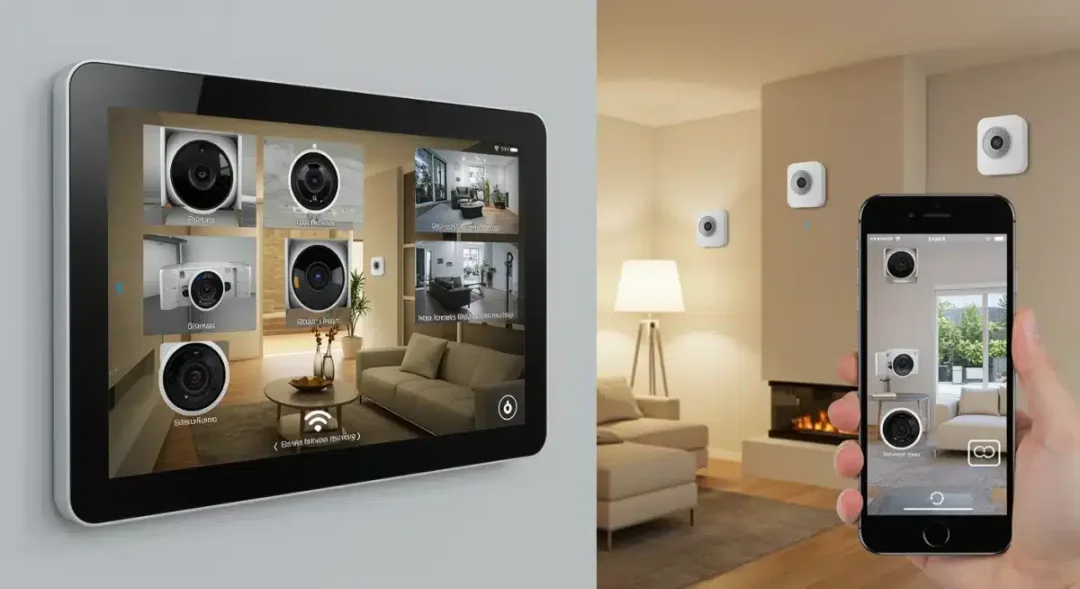
Modern DIY systems offer comprehensive protection through interconnected sensors, cameras, and smart detection capabilities. Motion sensors detect movement throughout your home, door and window sensors track entry points, and glass break sensors add an extra layer of protection against forced entry. The cameras have improved dramatically, with many models now featuring 4K resolution, color night vision, and sophisticated person, vehicle, and animal detection powered by artificial intelligence.
Integration has become a major selling point. Leading DIY systems work with major smart home platforms including Amazon Alexa, Google Home, and Apple HomeKit. This means your security system can trigger lights to turn on when motion is detected, lock smart locks automatically when the system is armed, or send notifications to multiple household members simultaneously. The ecosystem approach creates a layered defense that extends well beyond traditional alarm systems.
Core Technology Components
- AI-powered cameras with facial recognition and object detection
- Wireless sensors with 3-5 year battery life
- Smart home hub with cellular and WiFi backup
- Mobile app integration with push notifications
- Environmental sensors for smoke, carbon monoxide, and water leaks
One area where DIY systems have particularly excelled is environmental monitoring. Many packages now include sensors for smoke, carbon monoxide, and water leaks, providing protection against home emergencies that have nothing to do with security. These additions significantly increase the value proposition, transforming a simple alarm system into a comprehensive home protection hub.
Installation and Setup: The Reality of Going DIY
One of the biggest concerns potential DIY adopters have is whether they can actually set up a security system correctly. The good news is that the installation process has been streamlined to the point where most homeowners can complete setup in under two hours, even without technical expertise.
Modern DIY systems are designed with simplicity in mind. Wireless sensors use adhesive backing or simple screw mounting, requiring no drilling into walls for most components. The hub connects to your router with a single cable, and the mobile app guides you through setup with step-by-step instructions. Most systems include a test mode that verifies all sensors are communicating properly before you activate the full protection mode.
The flexibility of DIY installation cannot be overstated. You can start with a basic setup and expand gradually as your budget allows. Adding additional sensors, cameras, or smart devices typically takes minutes and requires no professional assistance. This scalability appeals to homeowners who want to build their system over time rather than committing to a comprehensive package upfront.
Installation Time Estimates
- Starter kit (4-6 sensors): 45-90 minutes
- Complete home coverage (15+ sensors): 3-5 hours
- Camera installation: 15-30 minutes each
- System configuration: 30-60 minutes
That said, installation challenges do exist. Some homeowners may struggle with optimal sensor placement, which can affect system effectiveness. Professional installers understand layout and coverage patterns that maximize protection. If your home has unusual architecture or specific security concerns, consulting with a professional about placement even for a DIY system might make sense.
Monitoring Options: Finding the Right Balance
Monitoring represents the fundamental choice point for DIY security adopters, and understanding your options helps ensure you select the level of protection that matches your needs and comfort level. The spectrum ranges from completely free self-monitoring to premium professional monitoring with emergency dispatch.
Self-monitoring puts you in complete control. When an alert triggers, your phone buzzes, and you decide how to respond. This approach works well for those who are always reachable, live in low-crime areas, or have neighbors willing to check on things. The limitation is obvious: if your phone is on silent, in another room, or you simply cannot respond, nothing happens. For many, this creates anxiety that undermines the very peace of mind a security system should provide.
Professional monitoring addresses this gap. For $10 to $25 per month, DIY providers offer round-the-clock monitoring by trained operators who can contact you, dispatch emergency services, or notify designated contacts when alarms trigger. This hybrid approach combines the affordability and flexibility of DIY hardware with the reliability of professional oversight. The monthly cost remains significantly lower than traditional alarm companies.
Monitoring Tier Comparison
- Self-monitoring: $0/month, you handle all responses
- Basic professional monitoring: $10-15/month, standard dispatch
- Premium monitoring: $20-25/month, faster response, cellular backup included
Cellular connectivity has become a standard feature in professional monitoring packages, ensuring your system stays online even if your internet goes down or someone cuts your cable. This redundancy addresses a significant vulnerability that early DIY systems faced and represents a meaningful improvement in overall reliability.
Weighing the Risks and Limitations
Honesty requires acknowledging that DIY security systems come with legitimate limitations that some homeowners may find unacceptable. Understanding these constraints helps you make an informed decision rather than discovering problems only when they matter most.
Power outages present the most obvious vulnerability. While professional systems often include battery backup lasting 24 hours or more, some DIY components may only maintain protection for shorter periods. Cellular connectivity helps, but it depends on cellular network availability, which can vary in rural areas or during major disasters when networks become congested.
Response time represents another consideration. Professional monitoring services have established relationships with emergency services and can often expedite response. When you self-monitor and need to call 911 yourself, you introduce human delay into the equation. The difference might be minutes, but in security situations, minutes can matter significantly.
Known Limitations to Consider
- Shorter battery backup on some components
- No professional installation verification
- Self-monitoring leaves response entirely to you
- Potential for false alarms without professional dispatch protocols
- Limited technical support compared to professional services
Insurance considerations also merit attention. Some insurance companies offer discounts for professionally monitored security systems but may not extend the same benefits to DIY setups. Before purchasing, checking with your homeowner’s insurance provider about available discounts helps calculate the true return on investment.
Making Your Decision: Is DIY Security Right for You?
After examining the landscape, costs, features, and limitations, the question boils down to fit. DIY security systems work exceptionally well for certain households while presenting genuine challenges for others. Understanding your specific situation helps determine whether the DIY path makes sense.
DIY systems excel for renters, frequent movers, and budget-conscious homeowners who value flexibility and are comfortable with technology. The lack of contracts, reasonable equipment costs, and ability to take your system with you represent genuine advantages that professional systems cannot match. If you are technically inclined and willing to invest some time in setup and maintenance, the trade-offs are minimal.
Conversely, if you travel frequently, live in an area with significant crime concerns, or simply prefer the assurance of professional oversight, the additional cost of professional monitoring or installation may be worth the peace of mind. Some homeowners choose hybrid approaches, installing DIY systems while subscribing to premium monitoring services that bridge the gap between self-monitoring and full professional protection.
The technology has reached a point where the question is no longer whether DIY systems work, but whether they work for your specific circumstances. For most Americans in 2026, the answer is increasingly yes.
| Key Point | Brief Description |
|---|---|
| Cost Efficiency | DIY systems cost 50-70% less over five years compared to professional alternatives, with no required contracts. |
| Technology | 2026 DIY systems feature AI cameras, cellular backup, and smart home integration matching professional-grade equipment. |
| Monitoring Options | Flexible monitoring from free self-monitoring to $25/month professional services with emergency dispatch. |
| Trade-offs | Shorter battery backup, no professional installation verification, and full response responsibility with self-monitoring. |
Frequently Asked Questions
Are DIY security systems as reliable as professionally installed ones in 2026?▼Modern DIY systems have achieved reliability levels comparable to professional installations for most residential applications. Wireless technology has matured significantly, and cellular backup ensures systems remain online during internet outages. However, professional systems still offer advantages in battery backup duration and some specialized components. For typical single-family homes, the reliability gap has essentially closed.
Can I use my DIY security system without monthly monitoring fees?▼Yes, most DIY systems fully support self-monitoring at no additional cost. You receive push notifications directly to your smartphone when sensors trigger, and you are responsible for responding to alerts. Some features may require paid subscriptions, particularly cloud storage for camera footage or advanced AI features, but basic arming, disarming, and notifications remain free.
What happens if my WiFi goes down? Will my security system still work?▼Most quality DIY systems include cellular connectivity as a backup pathway. When your WiFi fails, the system automatically switches to cellular networks to maintain communication with monitoring services. This ensures your home remains protected even during internet outages. Cellular backup is typically included with professional monitoring plans but may require an add-on for basic packages.
Do DIY security systems qualify for homeowner’s insurance discounts?▼Insurance discounts vary significantly by provider. Some insurers offer the same discounts for professionally monitored DIY systems as they do for traditional alarm companies, while others may not provide any discount for self-monitored systems. Contact your insurance provider before purchasing to understand their specific requirements and potential savings.
How difficult is it to expand a DIY security system over time?▼Expanding DIY systems is remarkably straightforward and typically takes minutes per new component. Most systems support adding sensors, cameras, and smart devices through their mobile apps without professional assistance. New devices automatically integrate with your existing setup, and you can scale from a basic starter kit to comprehensive coverage gradually based on your budget and needs.
Conclusion
The decision between DIY and professional home security ultimately comes down to your priorities, budget, and comfort level with technology. In 2026, DIY smart home security systems have matured into legitimate protection options that serve many homeowners extremely well. The key is honest assessment of your situation: if you value flexibility, lower costs, and hands-on control, DIY systems offer compelling advantages. If professional monitoring, longer battery backup, and comprehensive support matter more, the additional investment in professional services may be worthwhile. The good news is that the market now offers genuine choices for nearly every preference, making it easier than ever to find the right security solution for your home.