
Ads
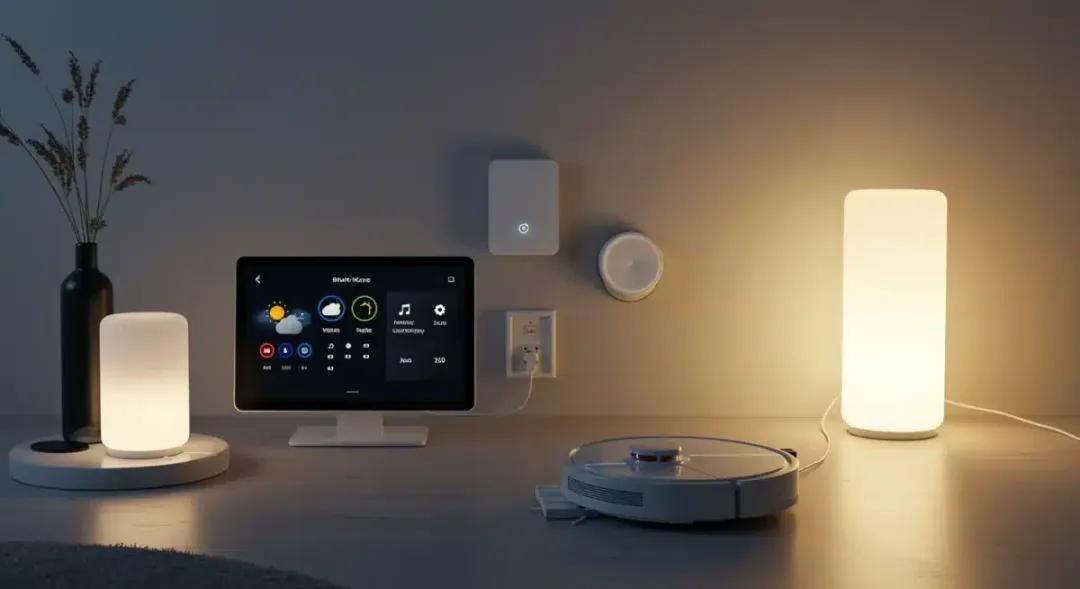
Transform your living space into an intelligent, automated environment using seven key smart home gadgets, enhancing convenience, security, and energy efficiency for a modern lifestyle.
Welcome to the future of living, where your home anticipates your needs and simplifies your daily routine. This comprehensive guide, The Ultimate Smart Home Guide: Automate Your Life with These 7 Gadgets, will walk you through the essential devices that can revolutionize your living space, making it smarter, safer, and more efficient.
Understanding the Smart Home Ecosystem
The concept of a smart home is no longer a futuristic fantasy; it’s a tangible reality that is rapidly becoming an integral part of modern living. At its core, a smart home is a residence equipped with devices that can be controlled remotely or automatically, often through a central hub or a smartphone application. This interconnected network of devices works in harmony to enhance convenience, security, energy efficiency, and overall comfort for its occupants.
The ecosystem typically comprises various categories of devices, from lighting and climate control to security systems and entertainment. These devices communicate with each other using different protocols, such as Wi-Fi, Bluetooth, Zigbee, or Z-Wave, allowing for seamless integration and automation. The true power of a smart home lies in its ability to learn from your habits and preferences, adapting its functions to create a personalized living experience. Imagine your lights adjusting to the time of day, your thermostat optimizing energy usage based on occupancy, or your security system arming itself when you leave.
The foundational elements of smart home integration
Building a robust smart home ecosystem requires understanding a few foundational elements. Central to this is the smart home hub, which acts as the brain, coordinating all your devices. Without a hub, many devices would operate in isolation, limiting their potential for advanced automation and interaction. Compatibility is another critical factor; ensuring your chosen devices can communicate with each other and with your central hub is paramount for a smooth setup and operation. Finally, a reliable internet connection is the backbone of any smart home, enabling remote access and cloud-based functionalities.
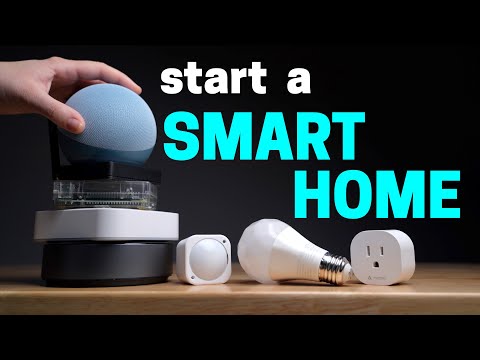
- Centralized Control: A smart home hub unifies disparate devices.
- Device Compatibility: Ensure devices speak the same digital language.
- Robust Wi-Fi Network: Essential for seamless connectivity and control.
- User-Friendly Interfaces: Intuitive apps and voice commands for easy management.
The journey into smart home automation is about creating a living space that works for you, adapting to your lifestyle and making everyday tasks simpler. It’s an investment in convenience, peace of mind, and a more sustainable way of living. By understanding these fundamental principles, you can embark on building a smart home that truly enhances your quality of life.
Smart Lighting Systems: Illuminating Your World Intelligently
Smart lighting has emerged as one of the most popular entry points into home automation, and for good reason. Beyond simply turning lights on and off, these systems offer unparalleled control over your home’s ambiance, energy consumption, and even security. They allow you to adjust brightness, change colors, set schedules, and even integrate with other smart devices to create dynamic lighting scenes that respond to your presence or daily routines.
The primary benefit of smart lighting extends far beyond mere aesthetics. Energy efficiency is a significant advantage, as you can program lights to turn off when a room is empty or dim automatically based on natural light levels. This not only reduces your carbon footprint but also translates into noticeable savings on your electricity bill. Furthermore, smart lighting can enhance security by simulating occupancy when you’re away, deterring potential intruders. The ability to control your lights from anywhere in the world provides an added layer of convenience and peace of mind.
Choosing the right smart bulbs and fixtures
When venturing into smart lighting, you’ll encounter various options, from individual smart bulbs that screw into existing fixtures to complete smart lighting systems that replace traditional switches. Wi-Fi-enabled bulbs are often the simplest to set up, connecting directly to your home network without needing a separate hub. However, for larger homes or more complex automation scenarios, a hub-based system (like Philips Hue or Lutron Caséta) might offer greater reliability and functionality. Consider factors such as color temperature options, brightness (lumens), and compatibility with your preferred voice assistant.
Installation is typically straightforward for smart bulbs, often just involving screwing them in and pairing them with an app. For smart switches, a bit more electrical knowledge might be required, but many are designed for DIY installation. The real magic happens when you start creating scenes and schedules. Imagine waking up to a gentle sunrise simulation, having lights dim automatically for movie night, or having your porch light turn on as you pull into the driveway. These personalized experiences are what truly define the smart lighting experience.
- Energy Savings: Automate lights to reduce consumption.
- Enhanced Security: Use vacation mode to simulate presence.
- Mood Creation: Adjust colors and brightness for any occasion.
- Remote Control: Manage your lighting from anywhere via smartphone.
Ultimately, smart lighting systems offer a blend of practicality, aesthetic appeal, and advanced technology. They empower you to craft the perfect atmosphere for every moment while simultaneously contributing to a more energy-efficient and secure home.
Smart Thermostats: Mastering Your Home’s Climate and Energy
A smart thermostat is much more than just a device to adjust your home’s temperature; it’s a sophisticated system designed to optimize your indoor climate while significantly reducing energy waste. These intelligent devices learn your preferences, adapt to your schedule, and can even respond to external factors like weather forecasts, ensuring your home is always comfortable without unnecessary energy expenditure.
The core advantage of a smart thermostat lies in its ability to automate temperature control. Instead of manually adjusting the temperature throughout the day, a smart thermostat can be programmed to follow a schedule, or even better, learn your routines and adjust accordingly. Many models feature occupancy sensors, turning down the heat or AC when no one is home and ramping it up just before you arrive. This proactive approach to climate control not only enhances comfort but also leads to substantial savings on heating and cooling bills, which often represent a significant portion of household energy consumption.
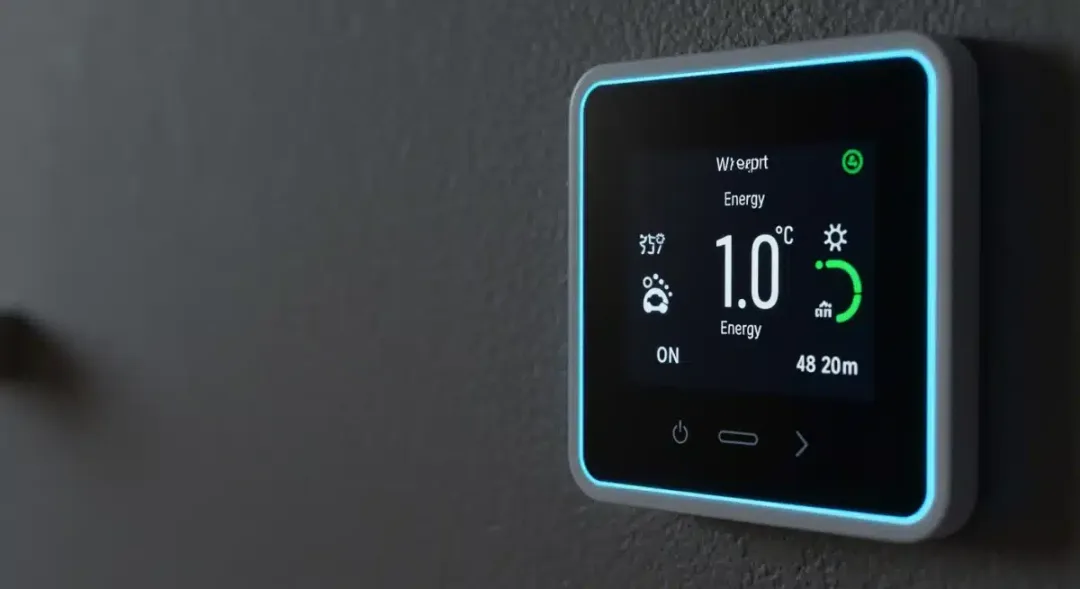
Key features that define smart thermostats
Modern smart thermostats come packed with features that elevate them beyond their traditional counterparts. Remote control via a smartphone app is standard, allowing you to adjust settings from anywhere. Geofencing capabilities can automatically adjust the temperature based on your proximity to home. Integration with voice assistants like Alexa or Google Assistant offers hands-free control. Furthermore, many smart thermostats provide detailed energy reports, giving you insights into your usage patterns and suggesting ways to save even more. Some even connect to your utility company for demand response programs, earning you rebates for reducing energy during peak times.
Installation typically involves replacing your existing thermostat, a task that many homeowners can handle themselves with clear instructions. However, if you’re unsure, professional installation is always an option. Once installed, the setup process usually guides you through connecting to your Wi-Fi and calibrating the device. The long-term benefits, both in terms of comfort and cost savings, make a smart thermostat a worthwhile investment for any smart home enthusiast.
- Learning Capabilities: Adapts to your family’s schedule and preferences.
- Remote Access: Control your home’s climate from anywhere.
- Energy Reporting: Gain insights into your energy consumption.
- Geofencing: Automatically adjusts temperature based on your location.
By intelligently managing your home’s heating and cooling, a smart thermostat not only improves your daily comfort but also plays a crucial role in creating a more energy-efficient and environmentally friendly living space.
Smart Security Cameras: Vigilance and Peace of Mind
In an increasingly connected world, smart security cameras have become an indispensable component of any modern smart home. These devices offer much more than traditional surveillance; they provide real-time monitoring, advanced detection capabilities, and seamless integration with other smart home systems, giving homeowners unparalleled peace of mind. Whether you’re at work, on vacation, or simply in another room, a smart security camera keeps a watchful eye on your property.
The primary function of these cameras is, of course, to deter crime and capture evidence if an incident occurs. However, their utility extends far beyond just security. Many cameras feature two-way audio, allowing you to communicate with visitors or deter unwanted guests remotely. Motion detection with customizable zones can alert you to activity in specific areas, while facial recognition technology can differentiate between family members and strangers. Cloud storage options ensure that recorded footage is securely saved and accessible whenever you need it, often with subscription plans offering extended retention periods.
Integrating cameras for a comprehensive security strategy
For a truly comprehensive security strategy, smart cameras should be integrated with other smart home devices. For instance, a camera detecting motion could trigger your smart lights to turn on, creating the impression of activity inside. If integrated with a smart lock, you could remotely verify a delivery person’s identity and grant temporary access. The ability to receive instant notifications on your smartphone about any detected activity means you’re always aware of what’s happening at home, allowing for quick response if necessary.
When selecting a smart security camera, consider factors such as video resolution (1080p is a good standard, 4K offers more detail), field of view, night vision capabilities, and whether it’s designed for indoor or outdoor use. Battery-powered wireless cameras offer flexibility in placement, while wired cameras provide continuous power and often more reliable connectivity. Data privacy and encryption are also crucial considerations, so choose reputable brands that prioritize user security.
- Real-time Monitoring: Keep an eye on your home 24/7.
- Motion Detection: Receive instant alerts for activity.
- Two-Way Audio: Communicate with visitors or deter intruders.
- Cloud Storage: Securely save and access recorded footage.
By providing constant vigilance and intelligent detection, smart security cameras are essential tools for safeguarding your home and loved ones, offering a superior level of protection compared to traditional systems.
Smart Locks: Fortifying Your Entryways Digitally
The evolution of home security has brought forth smart locks, devices that blend traditional locking mechanisms with cutting-edge technology. These locks offer a significant upgrade in convenience and security, eliminating the need for physical keys while providing advanced monitoring and access control capabilities. For many homeowners, a smart lock is the first line of defense in their automated home, offering peace of mind whether they are home or away.
One of the most compelling features of smart locks is the ability to grant and revoke access remotely. You can issue temporary codes to guests, service providers, or family members, and these codes can be time-sensitive, expiring after a certain period. This eliminates the hassle of key handovers and enhances security by ensuring that only authorized individuals can enter your home. Furthermore, smart locks often come with activity logs, allowing you to see who entered and exited your home and when, providing a detailed record of access.
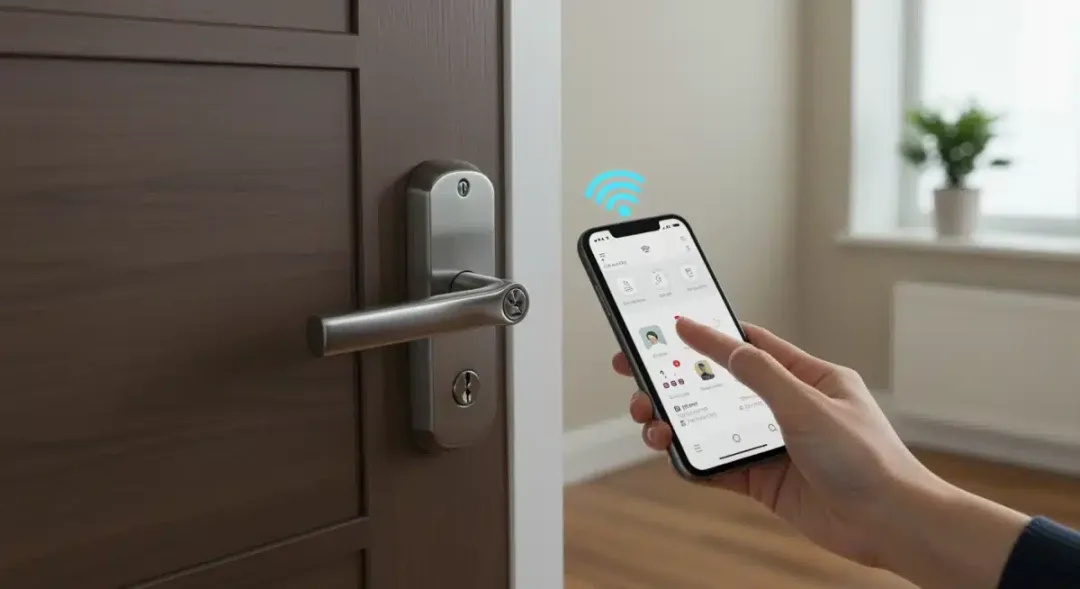
Types of smart locks and their advantages
There’s a variety of smart locks available, each with its own set of advantages. Some replace your existing deadbolt entirely, while others are designed to fit over your current lock, retaining your original key. Common methods of unlocking include keypads for code entry, fingerprint scanners for biometric authentication, and smartphone apps that use Bluetooth or Wi-Fi. Integration with smart home hubs allows for even more sophisticated automation, such as unlocking the door when your smart lights detect your arrival or triggering an alarm if the lock is tampered with.
When selecting a smart lock, consider its compatibility with your existing door hardware, its power source (battery life is a key factor), and its connectivity options. Look for models with strong encryption and robust security features to protect against hacking attempts. Installation can range from a simple screwdriver job to requiring a bit more technical know-how, but most are designed for relatively straightforward DIY setup. The blend of enhanced security, keyless convenience, and remote management makes smart locks an indispensable gadget for the modern home.
- Keyless Entry: Eliminate the need for physical keys.
- Remote Access: Lock and unlock your door from anywhere.
- Temporary Codes: Grant time-sensitive access to guests.
- Activity Logs: Monitor who enters and exits your home.
By digitizing your entryways, smart locks not only provide superior security but also add a layer of convenience that simplifies daily life and offers greater control over your home’s accessibility.
Smart Plugs: Making Any Appliance Smart
Smart plugs are perhaps the simplest and most cost-effective way to dip your toes into the world of smart home automation. These unassuming devices plug into standard electrical outlets, and then you plug your traditional appliances into them. Instantly, any ordinary lamp, fan, coffee maker, or even a string of holiday lights can be controlled remotely via a smartphone app or voice command, effectively transforming it into a smart device without needing to replace the appliance itself.
The beauty of smart plugs lies in their versatility and ease of use. They allow you to schedule when devices turn on and off, preventing energy waste from forgotten appliances. Imagine waking up to freshly brewed coffee because your coffee maker turned on automatically, or having your living room lamp illuminate just before you arrive home. For those concerned about energy consumption, many smart plugs also offer energy monitoring features, providing insights into how much power your plugged-in devices are using, helping you identify energy vampires.
Expanding your smart home with simple additions
Smart plugs are excellent for expanding your smart home capabilities without a significant investment. They seamlessly integrate with most smart home ecosystems, including popular voice assistants, allowing you to create routines and scenes involving your newly smart devices. For example, you could set up a ‘Good Morning’ routine that turns on your bedside lamp and the coffee maker simultaneously. Or, an ‘Away’ scene that turns off all lights and non-essential appliances to save energy while you’re out.
When choosing smart plugs, consider their size (to avoid blocking adjacent outlets), whether they offer energy monitoring, and their compatibility with your existing smart home platform. Some plugs are designed for indoor use, while others are ruggedized for outdoor applications, perfect for controlling patio lights or festive decorations. Their straightforward setup usually involves plugging them in and connecting them to your home Wi-Fi via an app. With smart plugs, the possibilities for automating everyday tasks are virtually endless, making your home more responsive and efficient with minimal effort.
- Instant Automation: Turn any appliance into a smart device.
- Energy Monitoring: Track power consumption and identify waste.
- Remote Control: Manage devices from anywhere using your phone.
- Scheduling: Set custom on/off times for convenience and savings.
Smart plugs prove that you don’t need to overhaul your entire home to enjoy the benefits of automation. They offer an accessible and practical way to bring intelligence to your existing devices, enhancing convenience and efficiency one outlet at a time.
Smart Displays: The Command Center of Your Connected Home
Smart displays have rapidly evolved from simple voice assistants with screens into sophisticated command centers for the modern smart home. These versatile gadgets combine the power of a smart speaker with a visual interface, offering a more intuitive way to interact with your smart devices, access information, and enjoy entertainment. They serve as the central hub for managing your entire connected ecosystem, making automation more accessible and user-friendly.
More than just a digital photo frame or a recipe guide, a smart display acts as a visual dashboard for your smart home. You can view live feeds from your security cameras, adjust smart thermostat settings with a tap, control smart lights, and even see who’s at the front door through your smart doorbell. This centralized control simplifies complex automation tasks, allowing you to manage multiple devices from a single, easy-to-use interface. Furthermore, their integration with voice assistants means you can still issue commands hands-free, making them incredibly convenient for busy households.
Beyond control: entertainment and information hubs
The utility of smart displays extends far beyond just controlling smart devices. They are also powerful entertainment hubs, capable of streaming music, playing videos, and displaying photo albums. Their screens make them excellent for video calls, allowing you to connect with family and friends. For daily tasks, they can show weather forecasts, calendar appointments, news headlines, and even provide step-by-step cooking instructions, making them invaluable kitchen companions. Some models even feature built-in cameras, enabling video calls and acting as a basic security monitor.
When choosing a smart display, consider the screen size, speaker quality, and which voice assistant (Google Assistant or Amazon Alexa) you prefer, as this will dictate compatibility with other devices. Privacy features, such as camera shutters and microphone mute buttons, are also important considerations. Placement is key; a kitchen counter, living room side table, or bedside table are common locations where a smart display can be most useful. With a smart display, you gain a powerful, visual, and interactive interface that brings all the elements of your smart home together, enhancing both control and daily convenience.
- Centralized Control: Manage all smart devices from one screen.
- Visual Feedback: See camera feeds, thermostat settings, and more.
- Voice Assistant Integration: Hands-free control for convenience.
- Entertainment Hub: Stream music, videos, and make video calls.
A smart display truly rounds out the smart home experience, offering a visual and audible interface that makes managing your automated life intuitive, efficient, and enjoyable.
Robot Vacuums: Effortless Cleaning for a Pristine Home
Among the most beloved smart home gadgets are robot vacuums, devices that promise to take the chore out of daily floor cleaning. These autonomous cleaners navigate your home, sweeping up dust, dirt, and pet hair, allowing you to come home to consistently clean floors without lifting a finger. They represent a significant leap in home convenience, freeing up valuable time that would otherwise be spent on manual vacuuming.
Modern robot vacuums are equipped with sophisticated sensors and mapping technology. They can intelligently map your home’s layout, navigate around obstacles, avoid stairs, and even identify high-traffic areas that require more attention. Many models offer scheduling capabilities, allowing you to set them to clean while you’re at work or asleep. Some even integrate with smart home ecosystems, enabling voice control or triggering cleaning cycles when you leave the house. The ability to perform routine cleaning automatically ensures that your floors remain tidy on a consistent basis, reducing the accumulation of allergens and dust.
Advanced features and integration with smart homes
Beyond basic vacuuming, many robot vacuums now offer advanced features that enhance their utility. Some models include mopping capabilities, providing a two-in-one cleaning solution. Self-emptying dustbins are a game-changer, allowing the robot to dock and empty its contents into a larger bag, extending the time between manual interventions. App control provides detailed cleaning maps, allows for virtual no-go zones, and enables you to spot-clean specific areas. Integration with voice assistants means you can simply tell your vacuum to start cleaning, adding another layer of hands-free convenience.
When considering a robot vacuum, look at factors like suction power (especially important for pet owners), battery life, navigation capabilities (LIDAR-based mapping is generally superior), and the size of its dustbin. Noise level can also be a consideration if you plan to run it while you’re home. While the initial investment might be higher than a traditional vacuum, the time saved and the consistent cleanliness it provides often make robot vacuums a worthwhile addition to any smart home, truly automating one of life’s most tedious chores.
- Autonomous Cleaning: Hands-free maintenance of your floors.
- Smart Navigation: Maps your home and avoids obstacles.
- Scheduling: Set it to clean at your convenience.
- Advanced Features: Mopping, self-emptying, and no-go zones.
Robot vacuums are more than just a gadget; they are a lifestyle upgrade, providing the luxury of a perpetually clean home with minimal effort, perfectly embodying the promise of smart home automation.
| Key Gadget | Primary Benefit |
|---|---|
| Smart Lighting | Enhances ambiance, saves energy, and boosts security. |
| Smart Thermostat | Optimizes climate control and reduces energy bills. |
| Smart Locks | Provides keyless entry, remote access, and enhanced security. |
| Robot Vacuums | Offers autonomous, effortless cleaning for pristine floors. |
Frequently Asked Questions About Smart Home Automation
What is the best way to start automating my home?▼Starting with smart plugs or smart lighting is often recommended. These devices are relatively inexpensive, easy to install, and provide immediate benefits. They allow you to get comfortable with smart home technology before investing in more complex systems like security cameras or advanced thermostats, offering a gentle introduction to automation.
Are smart home devices secure from hacking?▼While no system is 100% hack-proof, reputable smart home brands prioritize security with strong encryption and regular software updates. It’s crucial to use strong, unique passwords for your Wi-Fi network and smart home accounts, and to keep your device firmware updated. Two-factor authentication also adds an important layer of protection.
Can smart home gadgets save me money on utility bills?▼Absolutely. Smart thermostats can significantly reduce heating and cooling costs by optimizing temperature based on occupancy and schedules. Smart lighting systems minimize energy waste by turning off lights in empty rooms or dimming them automatically. Smart plugs can also help identify and eliminate energy vampires, leading to noticeable savings over time.
Do I need a central hub for all my smart home devices?▼Not always, but it’s often beneficial. Many devices connect directly via Wi-Fi. However, a central hub (like SmartThings or Hubitat) can offer greater automation capabilities, allow devices using different protocols (Zigbee, Z-Wave) to communicate, and often improve overall system reliability and responsiveness, especially in larger setups.
What are the privacy concerns with smart home devices?▼Privacy is a valid concern, particularly with devices that have cameras or microphones. It’s important to understand how your data is collected and used by manufacturers. Choose brands with strong privacy policies, use robust security settings, and be mindful of where you place devices like smart displays or cameras to minimize unintended surveillance.
Conclusion
Embracing smart home technology is about more than just owning the latest gadgets; it’s about intelligently designing a living space that caters to your needs, enhances your security, and optimizes your energy consumption. From the convenience of smart lighting and thermostats to the peace of mind offered by smart locks and security cameras, each device contributes to a more connected and efficient lifestyle. By carefully selecting and integrating these seven essential smart home gadgets, you can transform your house into a truly automated sanctuary, making daily routines smoother and providing unparalleled control over your environment. The future of living is here, and it’s smarter than ever.