
Ads
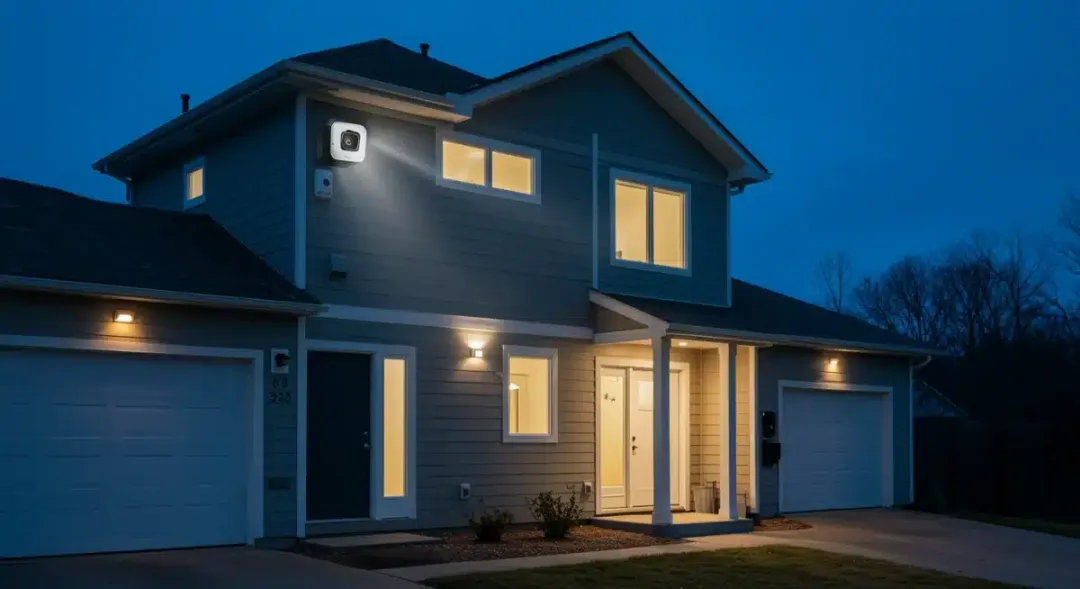
Implementing modern security solutions is paramount for protecting your home and loved ones, transforming your residence into a fortress against potential threats with cutting-edge technology and robust physical barriers.
In an ever-evolving world, ensuring the safety of your sanctuary has never been more critical. When it comes to home security upgrades, the options can seem overwhelming, yet the peace of mind they offer is invaluable. This guide will help you navigate the best essential security enhancements to transform your residence into a truly safe haven, focusing on smart, effective, and reliable solutions for homeowners across the United States.
Understanding the Modern Threat Landscape
Before diving into specific upgrades, it’s crucial to understand the contemporary challenges homes face. Burglars are becoming more sophisticated, often targeting homes with perceived vulnerabilities. This means that a layered approach to security, combining visible deterrents with hidden defenses, is more effective than ever.
The rise of interconnected devices also presents new opportunities for home protection, but also requires awareness of potential digital vulnerabilities. Understanding these dynamics is the first step toward building a truly secure living space.
Common vulnerabilities and how to address them
Many homes inadvertently invite trouble through easily exploitable weaknesses. These can range from outdated locking mechanisms to a lack of exterior lighting, making them prime targets for opportunistic criminals. Addressing these basic flaws can significantly reduce your risk.
- Outdated Locks: Traditional pin-tumbler locks can often be bypassed with relative ease by experienced intruders.
- Poor Lighting: Dark areas around your home provide cover for illicit activities.
- Unsecured Windows: Ground-floor windows, especially those out of sight, are common entry points.
- Lack of Visibility: Overgrown shrubs or fences can obscure views of your property from neighbors or passersby.
By proactively identifying and rectifying these common issues, homeowners can significantly enhance their home’s resilience against intrusions. A thorough assessment of your property, both inside and out, will reveal areas that require immediate attention and strategic upgrades.
Smart Home Security Systems: The Core of Modern Protection
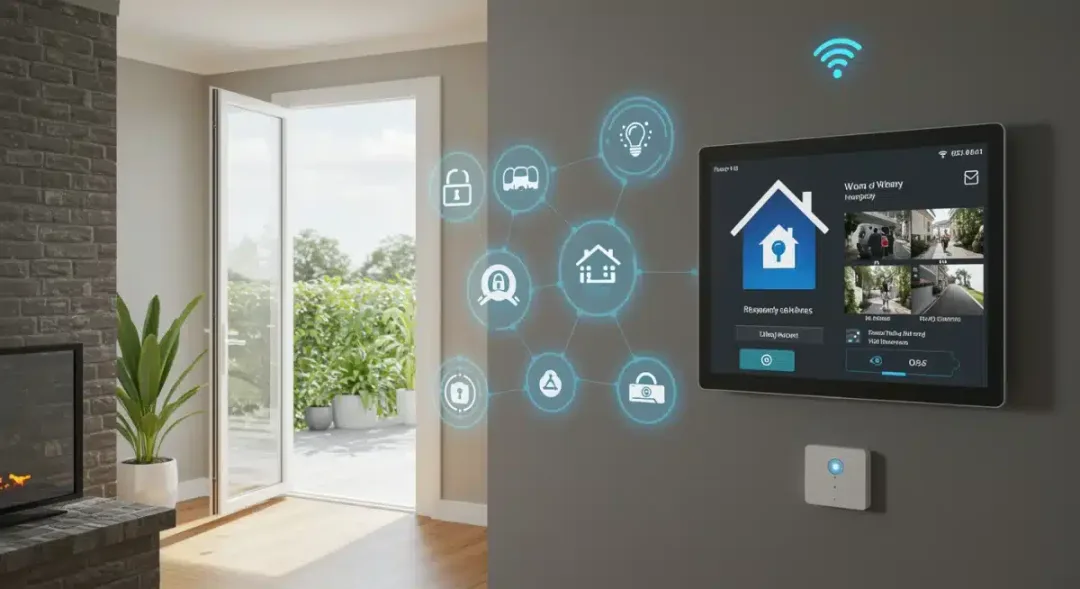
Smart home security systems represent the pinnacle of residential protection, offering unparalleled control and monitoring capabilities. These integrated platforms allow homeowners to manage various security components from a single interface, often a smartphone app, providing real-time alerts and remote access.

From motion sensors to professional monitoring, these systems create a robust defense network around your property. The convenience and effectiveness of smart security make it an indispensable upgrade for any modern home.
Key components of a comprehensive smart system
A truly effective smart security system isn’t just one device; it’s a network of interconnected components working in harmony. Each piece plays a vital role in detecting, deterring, and notifying you of potential threats, ensuring a holistic approach to home safety.
- Central Hub: The brain of your system, connecting all devices and enabling remote control.
- Door/Window Sensors: Detect unauthorized entry, triggering alarms and alerts.
- Motion Detectors: Identify movement within your home, providing early warning of intruders.
- Security Cameras: Offer visual surveillance, both indoors and outdoors, often with live streaming and recording capabilities.
Investing in a well-rounded smart security system means creating multiple layers of defense, making it incredibly difficult for intruders to bypass your protection. The ability to customize these systems to your specific needs and integrate them with other smart home devices further enhances their value.
Fortifying Entry Points: Doors and Windows
The most common points of entry for burglars are doors and windows. Strengthening these vulnerabilities is a foundational step in any effective home security plan. This involves not only upgrading physical components but also adopting smarter access control methods.
Robust doors, shatter-resistant windows, and advanced locking mechanisms are critical deterrents. These physical barriers provide the first line of defense, making it significantly harder for unauthorized individuals to gain access to your home.
Advanced door and window security solutions
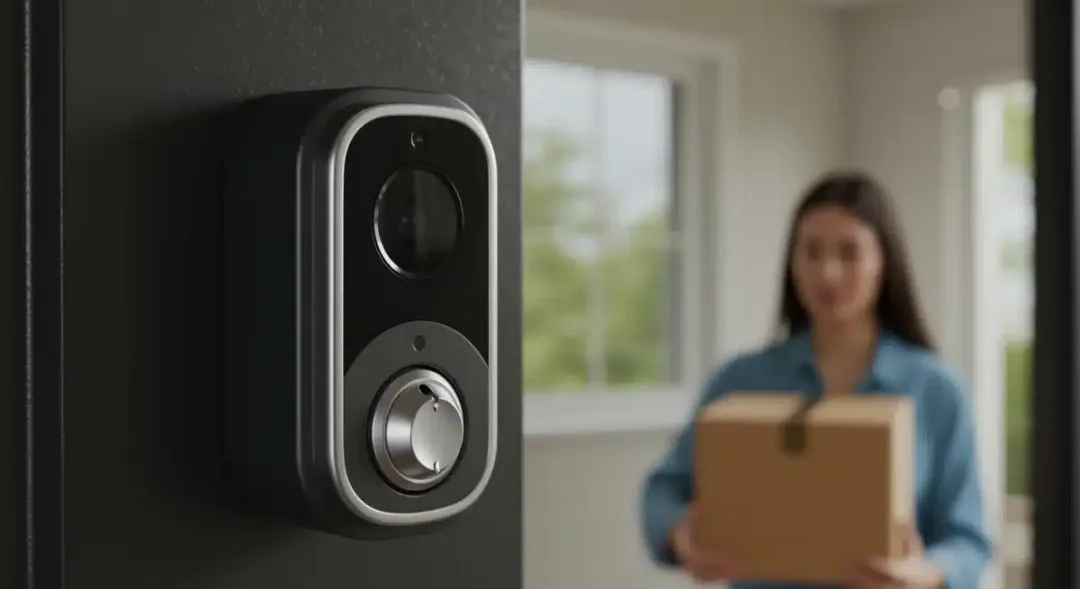
Beyond traditional deadbolts, modern technology offers a range of sophisticated solutions to secure your entry points. These innovations blend physical strength with smart features, providing both enhanced protection and convenience.
- Smart Locks: Keyless entry, remote access control, and integration with smart home systems.
- Reinforced Door Frames: Prevents forced entry by strengthening the weakest point of a door.
- Security Window Film: Makes glass shatter-resistant, delaying or preventing forced entry through windows.
- Window Sensors: Alert you immediately if a window is opened or broken.
Upgrading your doors and windows goes beyond simply installing new hardware; it involves creating a formidable barrier that can withstand significant force and detect attempts at intrusion. These enhancements are visible deterrents that often cause potential burglars to reconsider their targets.
Surveillance and Monitoring: Eyes on Your Property
A robust surveillance system provides invaluable peace of mind, allowing you to monitor your property 24/7, whether you’re home or away. Modern security cameras offer high-definition video, night vision, and motion detection, ensuring no detail goes unnoticed.
Coupled with professional monitoring services, these systems can alert authorities immediately in case of an emergency, drastically reducing response times. Effective surveillance is a powerful deterrent and a critical tool for evidence collection should an incident occur.
Choosing the right camera system
Selecting the appropriate surveillance cameras depends on various factors, including your budget, desired features, and the specific areas you wish to monitor. There’s a wide array of options, from simple doorbell cameras to comprehensive multi-camera setups with advanced analytics.
Consider factors such as video resolution, field of view, storage options (cloud vs. local), and integration with your existing smart home ecosystem. Wireless cameras offer easier installation, while wired systems provide greater reliability and privacy.
- Outdoor Cameras: Weatherproof with wide-angle lenses, often featuring spotlights and two-way audio.
- Indoor Cameras: Discreet designs, often with pan/tilt capabilities and privacy modes.
- Video Doorbells: Allow you to see and speak to visitors remotely, even when you’re not home.
- NVR/DVR Systems: For local storage and continuous recording from multiple cameras.
A well-placed camera system not only records potential criminal activity but also acts as a visible deterrent. The presence of cameras often makes a property less appealing to intruders who prefer to operate undetected.
Lighting and Perimeter Security: Deterrence from Afar
Effective outdoor lighting and perimeter security measures are often overlooked but play a crucial role in deterring potential intruders before they even reach your home. A well-lit property eliminates dark spots where criminals can hide, making your home less attractive as a target.
Beyond lighting, simple yet effective perimeter enhancements can create additional obstacles and warnings, further safeguarding your property. These foundational upgrades are cost-effective and provide significant security benefits.
Implementing smart lighting and physical barriers
Integrating smart lighting solutions allows for automated control, motion activation, and even simulated occupancy, creating the impression that your home is always active. Physical barriers, while less technologically advanced, offer robust protection.
Consider the strategic placement of motion-activated lights around all entry points and vulnerable areas. These lights can startle intruders and draw attention, often causing them to flee. Combining these with landscaping design that eliminates hiding spots further enhances security.
- Motion-Activated Lights: Illuminate dark areas when movement is detected, startling intruders.
- Smart Outdoor Lighting: Schedule lights, control them remotely, or link them to security events.
- Perimeter Fencing: A sturdy fence acts as a physical and psychological barrier.
- Security Signage: Visible signs indicating surveillance or alarm systems can deter criminals.
A combination of smart lighting and well-maintained physical barriers creates a formidable exterior defense. These measures work to make your home appear less vulnerable and more challenging to target, pushing intruders to seek easier opportunities elsewhere.
Beyond the Gadgets: Habits and Practices for Enhanced Safety
While technological upgrades are essential, the human element remains a critical component of home security. Smart habits and vigilant practices can significantly enhance the effectiveness of any security system, adding layers of protection that technology alone cannot provide.
Educating yourself and your family on best security practices, maintaining situational awareness, and fostering a community watch mentality can create a safer environment for everyone. Security is not just about devices; it’s about a lifestyle of awareness.
Cultivating a security-conscious lifestyle
Many home invasions are preventable through simple, consistent actions. From consistently locking doors and windows to being mindful of what you share online, these everyday habits form a crucial part of your overall security strategy. It’s about making security an ingrained part of your daily routine.
Discussing security with your family members ensures everyone understands their role in maintaining a safe home. This collective effort strengthens your defenses and creates a unified approach to protection.
- Regular Lock Checks: Always double-check that all doors and windows are locked, especially before leaving or going to bed.
- Package Security: Utilize package delivery services that offer secure drop-off points or require signatures to prevent theft.
- Social Media Awareness: Avoid broadcasting your travel plans or absences on public platforms, which can signal an empty home.
- Neighborhood Watch: Engage with neighbors to create a community network for mutual surveillance and support.
Ultimately, the most advanced security systems are only as effective as the habits of the people using them. By adopting a proactive and security-conscious lifestyle, you empower yourself and your family to live more safely and confidently.
Integrating Professional Monitoring and Emergency Protocols
While DIY security solutions offer significant benefits, integrating professional monitoring provides an invaluable layer of protection. These services ensure that your home is continuously monitored by trained professionals who can dispatch emergency services immediately upon alarm activation.
Establishing clear emergency protocols with your family is also critical. Knowing what to do in various scenarios, from fire to home invasion, can save lives and minimize damage. This combination of professional support and personal preparedness forms the bedrock of a truly secure home.
The benefits of professional monitoring services
Professional monitoring offers peace of mind that goes beyond what any individual homeowner can achieve alone. It means having a dedicated team watching over your property, ready to act swiftly when an emergency arises.
These services typically involve a central station that receives signals from your alarm system. Upon receiving an alert, operators verify the situation and contact the appropriate emergency services, be it police, fire, or medical personnel, ensuring a rapid response even when you’re unable to act yourself.
- 24/7 Surveillance: Constant monitoring, even when you’re asleep or away from home.
- Rapid Emergency Response: Immediate dispatch of police, fire, or medical services.
- Fewer False Alarms: Operators often verify alarms before dispatching, reducing unnecessary calls.
- Peace of Mind: Knowing experts are always watching over your home and family.
Beyond the immediate response, many professional monitoring services offer additional features such as system maintenance, technical support, and integration with advanced smart home functionalities. This comprehensive support ensures your security system remains operational and effective at all times.
Future-Proofing Your Home Security
The landscape of home security is constantly evolving, with new technologies and threats emerging regularly. To ensure your home remains protected for years to come, it’s essential to adopt a forward-thinking approach to your security strategy.
This involves staying informed about the latest advancements, regularly reviewing and updating your security systems, and being prepared to adapt to new challenges. Future-proofing your home security means investing in flexible, scalable solutions that can evolve with your needs.
Embracing emerging technologies and regular updates
The pace of innovation in smart home security is rapid. From AI-powered analytics in cameras to biometric access control, new technologies are constantly being developed to make homes safer and more convenient. Embracing these advancements can provide superior protection.
Regularly updating your software, firmware, and even physical components of your security system is crucial. Outdated systems can become vulnerable to new exploits or simply fail to perform optimally, leaving gaps in your defense. A proactive approach to maintenance is key.
- AI-Powered Analytics: Cameras that can differentiate between people, pets, and vehicles, reducing false alarms.
- Biometric Access: Fingerprint or facial recognition for keyless and highly secure entry.
- Cybersecurity for Smart Devices: Protecting your connected devices from hacking and data breaches.
- Scalable Systems: Choosing systems that allow for easy expansion and integration of new devices.
By staying ahead of the curve and regularly evaluating your security needs against the latest technologies, you can ensure your home remains a resilient and safe environment. Future-proofing is not a one-time task but an ongoing commitment to the safety of your home and loved ones.
| Key Upgrade | Benefit |
|---|---|
| Smart Security Systems | Integrated control, real-time alerts, and remote monitoring for comprehensive protection. |
| Advanced Door & Window Locks | Enhanced physical barriers and keyless access for entry points. |
| Surveillance Cameras | Visual monitoring, evidence collection, and powerful deterrence 24/7. |
| Smart Lighting & Perimeter | Deters intruders by eliminating dark spots and creating visible obstacles. |
Frequently Asked Questions About Home Security
What are the most effective initial home security upgrades?▼Start with securing entry points: upgrade to smart locks on all exterior doors and install window sensors. A video doorbell is also highly effective for monitoring visitors and packages, providing an immediate boost to your home’s security posture.
How do smart home security systems compare to traditional alarms?▼Smart systems offer greater flexibility, remote control, and integration with other smart devices, providing real-time alerts and video feeds. Traditional alarms primarily focus on sounding an alert, lacking the advanced features and connectivity of modern smart solutions.
Is professional monitoring necessary for home security?▼While not strictly mandatory for all systems, professional monitoring significantly enhances security. It ensures that trained operators respond to alarms, verifying threats and dispatching emergency services, which is crucial when you’re away or unable to respond yourself.
Can smart lighting genuinely deter burglars?▼Yes, smart lighting, especially motion-activated and scheduled lighting, can be a powerful deterrent. It eliminates dark hiding spots and creates the impression of an occupied home, making the property less appealing to potential intruders seeking easy targets.
How often should I update my home security system?▼It’s advisable to review and update your home security system every 3-5 years, or whenever new, significantly improved technologies become available. Regular software/firmware updates are also crucial for maintaining optimal performance and protecting against new vulnerabilities.
Conclusion
Securing your home in today’s world requires a proactive and multi-faceted approach. By implementing essential security upgrades, from sophisticated smart home systems to fortified entry points and vigilant surveillance, homeowners can significantly enhance their protection. Beyond the technology, cultivating security-conscious habits and integrating professional monitoring services create a comprehensive defense strategy. Investing in these measures not only safeguards your property but, more importantly, provides invaluable peace of mind, ensuring your home remains a safe and secure sanctuary for you and your loved ones.