
Ads
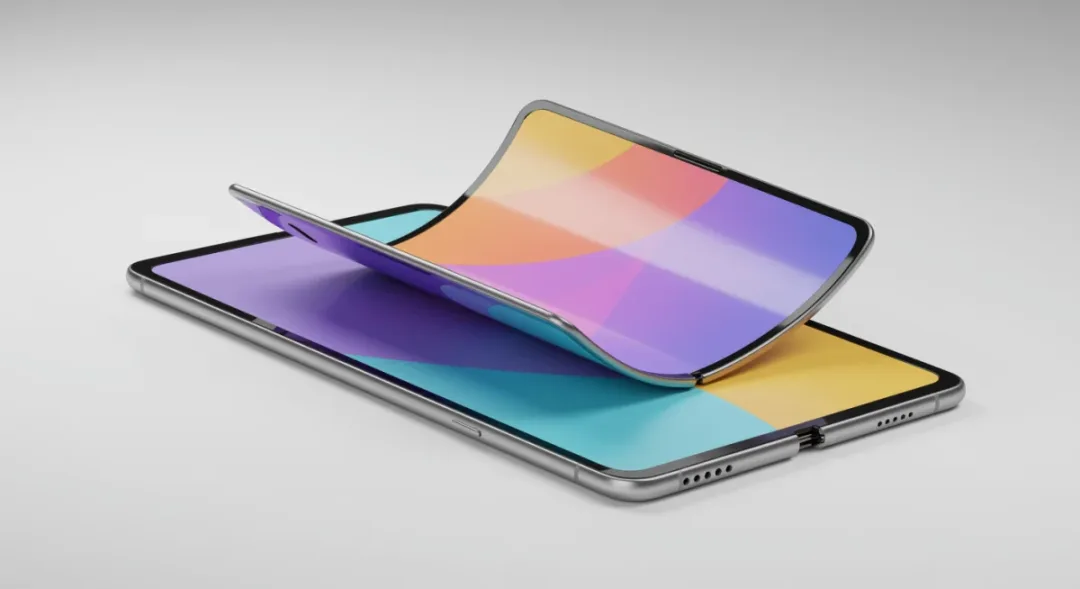
The foldable phone market is evolving rapidly, with major manufacturers pushing boundaries in design, durability, and affordability. Over the next 24 months, consumers can expect thinner profiles, improved hinge mechanisms, lower price points, and expanded form factors that could redefine mobile computing.
The smartphone industry stands at a fascinating crossroads. For years, we watched flagship specs climb higher while designs remained remarkably stagnant. Then came the first foldable devices, and everything changed. Today, the future of foldable phones looks brighter than ever, with innovations arriving at a pace that would have seemed impossible just a decade ago. Manufacturers are no longer experimenting cautiously—they’re investing billions, refining their approaches, and most importantly, listening to what users actually want. If you’ve been curious about whether foldable phones are ready for mainstream adoption or simply wondering what the next two years hold, you’re in the right place. This exploration dives deep into the technological advances, market shifts, and practical improvements that will shape your next device.
The Current State of Foldable Technology
Understanding where we’re going requires acknowledging where we are. The foldable phone market has matured considerably since those controversial early releases. Samsung’s Galaxy Z Fold series, for instance, has undergone five generations of refinement, each addressing legitimate criticisms from previous versions. The crease that once seemed unavoidable has become noticeably less pronounced. Water resistance, once thought impossible for devices with moving parts, is now standard on premium models. These improvements didn’t happen by accident—they represent billions of dollars in research and development and thousands of engineering iterations.
Current flagship foldables now feature displays that can withstand hundreds of thousands of folds without significant degradation. The hinge mechanisms have evolved from simple mechanical joints to sophisticated systems with multiple moving parts, dust brushes, and cam-based damping. Battery life has improved substantially, thanks to more efficient processors and better thermal management. The software experience has matured as well, with operating systems now designed from the ground up to handle the unique challenges of folding displays—multi-window support, seamless app continuity, and adaptive layouts have become polished features rather than experimental additions.
Key Improvements in Current Generation Devices
- Display durability increased by 40% compared to first-generation models
- Weight reduced by up to 15% through new materials and engineering
- Charging speeds now reach 45W on flagship devices
- Camera systems rival traditional smartphones in image quality
The ecosystem surrounding foldable phones has expanded dramatically. More apps than ever properly support the larger internal displays, and accessory manufacturers have developed specialized products—from cases designed for the unique dimensions to stands that take advantage of the half-folded “Laptop mode.” This infrastructure development signals a market that’s no longer satisfied with novelty; it demands genuine utility.
Hardware Innovations on the Horizon
The next two years will bring hardware improvements that address the most common complaints about current foldable devices. Perhaps the most anticipated advancement involves display technology itself. Manufacturers are actively developing glass substrates that can bend more sharply without cracking, which would allow for devices that fold completely flat with no visible gap. This seemingly simple improvement would dramatically improve pocketability—one of the primary concerns for potential buyers.
Under-display camera technology is also maturing rapidly. Current foldable devices either feature punch-hole cameras or, in some cases, lack external front cameras entirely. The goal is to eliminate visible camera cutouts on the internal display, creating an uninterrupted viewing experience. Several manufacturers have demonstrated this technology in concept devices, and commercial implementations should arrive within the next 18 months.

Processor efficiency will see significant gains as well. The transition to more advanced manufacturing processes—3nm and eventually 2nm chips—will deliver substantial improvements in both performance and power consumption. This matters particularly for foldable devices, which must power larger displays while maintaining acceptable battery life. Users can expect devices that feel snappier while actually lasting longer between charges.
Emerging Display Technologies
- Ultra-thin glass (UTG) thickness reduced from 30μm to 15μm
- Self-healing display materials that repair minor scratches automatically
- Higher refresh rates reaching 144Hz on foldable panels
- Brighter displays exceeding 3000 nits for outdoor visibility
Material science breakthroughs are enabling lighter, stronger devices. Carbon fiber and aerospace-grade aluminum alloys are replacing traditional materials in device frames, reducing weight without sacrificing durability. These advances aren’t merely incremental—they represent fundamental shifts in what’s possible when engineering meets materials innovation.
Design Evolution and New Form Factors
The term “foldable phone” no longer encompasses the full range of devices emerging in this category. Beyond the traditional book-style foldables that open like mini-tablets, we’re seeing experimentation with multiple distinct form factors. Flip phones, popularized by models like the Galaxy Z Flip and Motorola Razr, have found a dedicated audience who values pocketability above all else. These devices fold vertically, transforming from standard smartphone size to a compact square that fits easily in any pocket or small bag.
Rollable and slideable devices represent the next frontier. Rather than folding along a visible crease, these devices feature displays that expand and contract physically. Imagine a phone that slides horizontally to reveal a larger screen when needed, then retracts to pocket-sized dimensions when not in use. Several manufacturers have demonstrated working prototypes, and commercial versions should arrive before the end of the forecast period. This technology eliminates the crease entirely while offering even more dramatic size transformations than traditional foldables.
Multi-fold devices are also under development. Some concepts feature screens that fold twice, allowing for three distinct viewing modes. Others explore tri-fold designs that could potentially replace tablets entirely. While these devices face significant engineering challenges—particularly regarding thickness and hinge reliability—major manufacturers are actively pursuing these designs as part of their long-term product strategies.
Form Factor Comparison
- Book-style foldables: 7-8 inch displays when unfolded, ideal for productivity
- Flip phones: 6.7-6.9 inch displays, maximum portability
- Rollable devices: Variable sizing from 6.5 to 10+ inches
- Tri-fold concepts: Three-panel displays approaching tablet territory
The diversity of form factors reflects different user priorities. Some consumers want a device that becomes a tablet for content consumption; others want a phone that disappears entirely when not in use. Manufacturers recognize this diversity and are developing products tailored to these distinct preferences rather than pursuing a one-size-fits-all approach.
Price Trends and Market Accessibility
Perhaps no factor will influence mainstream adoption more than pricing. Current flagship foldables carry premium prices—often $1,800 or more—that place them firmly in enthusiast territory. However, the trajectory is unmistakably downward. Manufacturing costs for foldable components have declined approximately 30% over the past three years, and this trend will continue. Within 24 months, we can reasonably expect flagship foldable devices to reach price points comparable to traditional premium smartphones.
Mid-range foldable devices are already appearing in Asian markets, and expansion to Western markets is inevitable. These devices sacrifice some premium features—potentially including camera quality, display technology, or build materials—but deliver the core foldable experience at more accessible price points. For many consumers, these devices will represent the first realistic opportunity to join the foldable ecosystem without financial sacrifice.
The secondary market for foldable devices is also maturing. Trade-in programs, certified refurbished sales, and leasing options all make foldable ownership more financially manageable. Manufacturers have recognized that price barriers aren’t just about sticker prices—they’re about total cost of ownership and the perceived risk of investing in relatively unproven technology.
Price Reduction Factors
- Display panel manufacturing yields improving significantly
- Component standardization reducing development costs
- Increased competition among multiple manufacturers
- Economies of scale as production volumes increase
Industry analysts project that foldable devices will reach price parity with traditional flagships by late 2026 or early 2027. This tipping point will likely trigger a significant expansion of the market, potentially doubling or tripling annual unit sales. For consumers, this means more choices, better prices, and increased confidence that foldable technology has achieved mainstream viability.
Software Ecosystem and User Experience
Hardware improvements mean little without software that takes full advantage of foldable capabilities. The good news is that the software ecosystem has matured substantially. Google’s Android platform now includes native support for foldable devices, with APIs that allow developers to create experiences that adapt seamlessly to different screen configurations. App continuity—the ability to transition smoothly between external and internal displays—works reliably across most major applications.
Multi-tasking capabilities have expanded considerably. Users can now run multiple apps simultaneously, resize windows, and create custom app pairs that launch together. Productivity applications have particularly embraced these capabilities, with document editors, email clients, and video conferencing tools all offering enhanced experiences on larger foldable displays. The distinction between “phone” and “tablet” usage patterns is blurring as foldable devices ably handle tasks previously reserved for larger screens.
Artificial intelligence integration represents the next major frontier for foldable software. AI-powered features like real-time translation, content summarization, and enhanced photography are particularly valuable on foldable devices, which often serve as productivity tools. The larger displays provide more screen real estate for AI-generated content, while the unique form factors enable new interaction paradigms that wouldn’t be possible on traditional devices.
Software Advancements Expected
- Enhanced split-screen with drag-and-drop functionality
- AI-powered app layout optimization
- Improved stylus support with reduced latency
- Seamless continuation between foldable and external displays
Gaming on foldable devices is also emerging as a significant use case. The larger internal displays provide more immersive experiences, while the ability to use the device in partially folded “Laptop mode” enables new control schemes and viewing angles. Game developers are increasingly optimizing their titles for foldable displays, recognizing the growing installed base of these unique devices.
Competitive Landscape and Manufacturer Strategies
The foldable market is no longer a Samsung-dominated landscape. While Samsung maintains its leadership position with the most comprehensive product lineup, competition has intensified dramatically. Chinese manufacturers including OPPO, Vivo, Xiaomi, and Huawei have all released competitive foldable devices, often featuring innovative designs or aggressive pricing. These devices have yet to achieve significant market share in Western countries, but that situation is changing as distribution expands and brand recognition grows.
Apple’s eventual entry into the foldable market remains the industry’s biggest unknown variable. While Apple has filed numerous patents related to foldable technology, the company has released no commercial product and maintains its characteristic secrecy regarding future plans. Most analysts believe Apple is waiting until the technology meets its exacting standards for quality and reliability. When Apple does enter the market—likely within the next two to three years—it will likely trigger another wave of mainstream adoption similar to what occurred when Apple popularized the smartphone category.
Other traditional smartphone manufacturers are also positioning themselves for the foldable future. Google has demonstrated commitment through Pixel Fold, and LG’s exit from the smartphone market actually benefited foldable enthusiasts by removing one of the few remaining barriers to flexible display production. The competitive dynamics ensure continuous innovation while also driving prices downward through market competition.
Market Players and Strategies
- Samsung: Premium leadership with comprehensive product range
- Chinese manufacturers: Aggressive pricing and rapid innovation
- Apple: Patented technology, waiting for optimal market timing
- Google: Software integration and ecosystem development
The competitive landscape benefits consumers through increased choice, faster innovation, and more aggressive pricing. Manufacturers are differentiating through design, camera technology, software features, and ecosystem integration rather than simply competing on specifications. This diversification ensures there’s likely a foldable device suited to almost any preference or budget.
Durability, Reliability, and Long-Term Viability
Concerns about long-term durability remain the most significant barrier to mainstream foldable adoption. While current devices are substantially more reliable than early generations, perceptions lag behind reality. Addressing these concerns requires not only improving actual durability but also effectively communicating those improvements to potential buyers. Manufacturers have responded with extended warranties, repair programs, and educational content about proper device care.
The hinge mechanism remains the most critical component determining device longevity. Modern hinges use sophisticated cam systems, magnetic closures, and dust exclusion mechanisms that dramatically reduce the risk of damage from everyday use. Testing protocols have become more rigorous, with manufacturers simulating years of use before releasing products. The result is devices that can reasonably be expected to last three to five years with normal usage patterns.
Display longevity has improved through advances in both materials and manufacturing processes. The ultra-thin glass used in modern foldables can withstand hundreds of thousands of folding cycles without significant degradation. Protective layers have been optimized to resist scratches and impacts while maintaining flexibility. While foldable displays will always require more careful handling than traditional smartphone screens, the gap has narrowed substantially.
Durability Improvements
- Hinge testing exceeding 200,000 folding cycles
- IPX8 water resistance becoming standard
- Improved scratch resistance on flexible displays
- Better dust protection through advanced sealing
Repairability is also improving. Several manufacturers now offer official repair programs for foldable devices, and third-party repair options are expanding. As the installed base grows, the repair ecosystem will continue maturing, reducing the total cost of ownership and addressing concerns about device longevity.
| Key Point | Brief Description |
|---|---|
| Hardware Advances | Thinner profiles, improved hinges, under-display cameras, and advanced processors arriving within 24 months. |
| Form Factor Diversity | Book-style, flip phones, rollable, and tri-fold designs offering options for every user preference. |
| Price Accessibility | Flagship prices dropping 30%+ as manufacturing costs decline, reaching parity with traditional smartphones by 2027. |
| Durability Improvements | Enhanced hinge mechanisms, water resistance, and display longevity making foldables viable long-term investments. |
Frequently Asked Questions
When will foldable phones become affordable for mainstream consumers?▼Foldable phone prices are expected to drop significantly over the next 24 months. Manufacturing costs have declined approximately 30% over the past three years, and this trend will continue. By late 2026 or early 2027, flagship foldables should reach price parity with traditional premium smartphones, making them accessible to a much broader audience.
Are foldable phones durable enough for daily use?▼Modern foldable devices are substantially more durable than early generations. Current flagships feature hinges tested beyond 200,000 folding cycles, water resistance ratings, and improved display materials. With proper care, these devices can last three to five years, making them viable long-term investments comparable to traditional smartphones.
What new form factors can we expect in the next two years?▼Beyond traditional book-style and flip phones, rollable devices that expand and contract will enter the market. Tri-fold designs are also under development, potentially replacing tablets entirely. This diversity of form factors ensures there’s a foldable device suited to different preferences—from maximum portability to expanded productivity.
Will Apple release a foldable iPhone?▼While Apple has filed numerous patents related to foldable technology, the company has not announced official plans. Most analysts believe Apple is waiting until the technology meets its strict quality standards. If Apple enters the market within the next two to three years, it would likely trigger significant mainstream adoption similar to previous iPhone releases.
How will software evolve to support foldable devices?▼Software for foldables will continue improving through enhanced multi-tasking, AI integration, and seamless app continuity. Google Android provides native support for foldable features, and major app developers are optimizing their applications for larger displays. Expect smoother transitions between screen modes, better split-screen functionality, and improved stylus support.
Conclusion
The next 24 months represent a pivotal period for foldable phones. The technology has moved beyond novelty and into genuine utility, with improvements arriving across every meaningful dimension—hardware durability, design diversity, pricing accessibility, and software sophistication. Whether you’re a tech enthusiast seeking the latest innovations or a mainstream consumer curious about whether foldable devices have finally matured enough for everyday use, the outlook is remarkably positive. Manufacturers are investing heavily in this category, competition is intensifying, and the result will be better products at lower prices. The foldable future isn’t coming—it’s already here, and it’s more exciting than ever.