
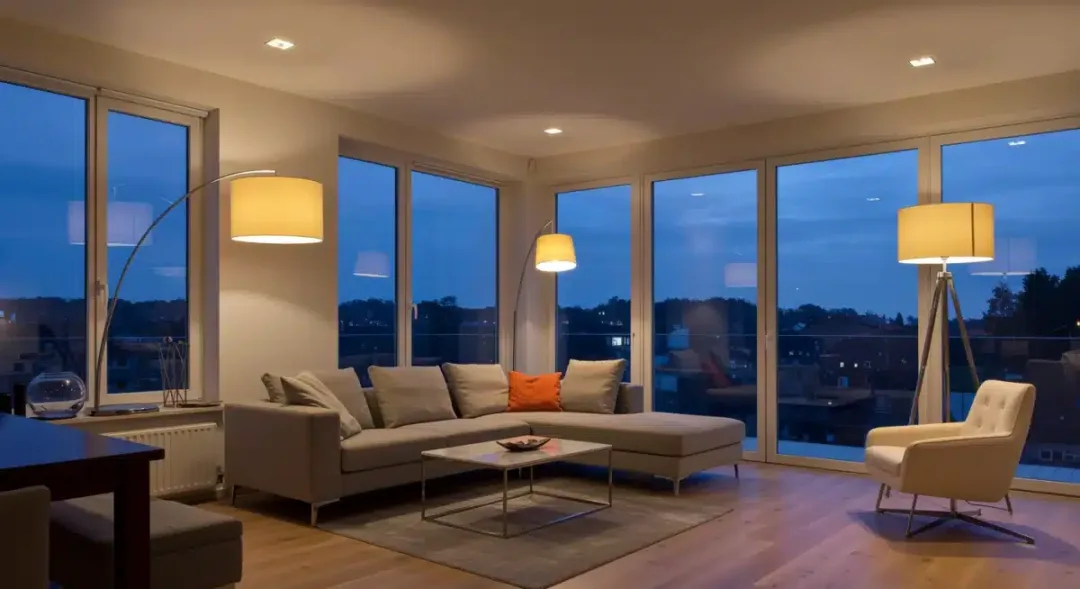
Ads
Choosing the right home lighting can significantly enhance aesthetics and reduce energy consumption by up to 10%, optimizing both comfort and utility costs through smart fixture selection and placement.
Are you looking to transform your living spaces while also keeping an eye on your monthly expenses? Our comprehensive Home Finds Lighting Guide: Choose the Right Fixtures for Every Room and Save 10% on your energy bill is designed to illuminate your path. This guide will help you understand how strategic lighting choices can dramatically impact both the aesthetics of your home and its energy efficiency.
understanding the fundamentals of home lighting
Before diving into specific fixtures, it is crucial to grasp the basic principles that govern effective home lighting. Good lighting is not just about brightness; it’s about creating layers, setting moods, and ensuring functionality. Understanding these fundamentals will empower you to make informed decisions that enhance every corner of your home, making it more inviting and efficient.
ambient, task, and accent lighting
Every well-lit room incorporates a combination of these three lighting types. Ambient lighting provides overall illumination, task lighting focuses on specific activities, and accent lighting highlights features. Balancing these elements is key to a dynamic and functional space.
- Ambient Lighting: This is your general illumination, often provided by ceiling fixtures like flush mounts, chandeliers, or recessed lighting. It ensures a room is adequately lit for general navigation and comfort.
- Task Lighting: Essential for specific activities such as reading, cooking, or working. Examples include desk lamps, under-cabinet lighting in kitchens, and reading lamps beside a sofa.
- Accent Lighting: Used to draw attention to architectural features, artwork, or plants. Picture lights, track lighting, or wall sconces often serve this purpose, adding depth and drama.
Considering the interplay of these lighting layers is the first step toward a well-designed lighting scheme. Each layer serves a unique purpose, and their combined effect creates a rich, layered environment that adapts to different needs throughout the day. Neglecting any one of these layers can lead to a flat, uninspired, or even dysfunctional space.
color temperature and its impact
Another often-overlooked aspect is color temperature, measured in Kelvins (K). This determines the ‘warmth’ or ‘coolness’ of the light. Lower Kelvin values (2700K-3000K) produce a warm, yellowish light, while higher values (4000K-5000K) emit a cool, bluish-white light. The right color temperature can significantly influence mood and productivity.
- Warm White (2700K-3000K): Ideal for living rooms, bedrooms, and dining areas where a cozy and relaxed atmosphere is desired. It mimics the warm glow of incandescent bulbs.
- Cool White (3500K-4100K): Best for kitchens, bathrooms, and home offices. This brighter, more neutral light promotes alertness and is excellent for tasks requiring concentration.
- Daylight (5000K-6500K): Often used in commercial spaces or areas needing very bright, crisp light, such as garages or utility rooms. It can feel harsh in residential settings if not used sparingly.
Selecting the appropriate color temperature for each room is vital for creating the desired ambiance and ensuring the lighting supports the room’s primary function. A consistent approach throughout a single open-plan area can also contribute to a cohesive design. Understanding these basic principles provides a strong foundation for choosing the right fixtures and optimizing your home’s lighting.
lighting solutions for common living spaces
Each room in your home presents unique lighting challenges and opportunities. Tailoring your lighting choices to the specific function and aesthetic of each space is paramount. From the bustling kitchen to the tranquil bedroom, thoughtful lighting can transform a room from merely functional to truly extraordinary, enhancing comfort and efficiency.
kitchen lighting: balancing function and style
The kitchen is often the heart of the home, demanding versatile lighting that supports food preparation, dining, and social gatherings. A multi-layered approach is essential here, combining strong task lighting with softer ambient and accent elements. This ensures both safety and an inviting atmosphere.
- Under-Cabinet Lighting: Crucial for illuminating countertops for cooking and meal prep. LED strip lights are energy-efficient and provide excellent, even illumination without glare.
- Pendant Lights: Perfect for illuminating kitchen islands or breakfast bars, providing focused task lighting while also serving as a decorative element.
- Recessed Lighting: Offers general ambient light without visual clutter, ideal for overall kitchen illumination. Ensure proper spacing to avoid dark spots.
When selecting kitchen fixtures, consider materials that are easy to clean and durable. Stainless steel, glass, and certain plastics are good choices. Furthermore, dimmable options are highly recommended to adjust the light intensity from bright task lighting to a softer ambiance for entertaining. This flexibility is key to a truly functional kitchen.
living room luminescence: creating inviting atmospheres
The living room is a space for relaxation and entertainment, requiring flexible lighting that can adapt to various activities. Layering is particularly important here to create depth and warmth. Think about how different light sources can work together to achieve diverse moods.
- Floor and Table Lamps: Provide localized ambient and task lighting, perfect for reading or adding pools of light that define seating areas.
- Dimmable Ceiling Fixtures: Chandeliers, flush mounts, or recessed lights on dimmers allow you to control the overall brightness, transitioning from bright for social gatherings to soft for movie nights.
- Wall Sconces: Add a decorative touch and provide accent lighting, washing walls with light to highlight texture or artwork.
The goal in the living room is to create a welcoming and comfortable environment. Experiment with different light sources to see how they interact and contribute to the overall feel of the room. Warm color temperatures are generally preferred here to promote relaxation and coziness. Thoughtful placement can also make a small room feel larger or a large room feel more intimate.

bedroom brilliance: fostering relaxation and comfort
Bedrooms should be sanctuaries, and lighting plays a pivotal role in creating a serene and comfortable environment. Soft, warm lighting is generally preferred, with options for focused task lighting for reading or other bedside activities. Avoid harsh overhead lighting that can disrupt feelings of calm.
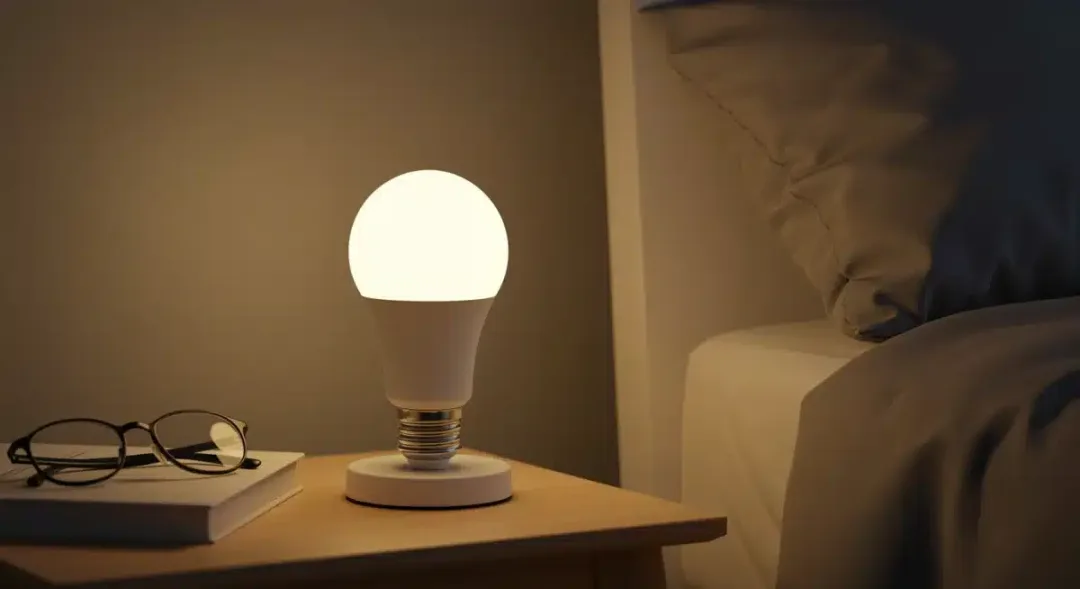
Bedside lamps are indispensable, offering focused illumination without disturbing a partner. Consider lamps with adjustable brightness or smart bulbs that allow for color temperature changes. This adaptability supports both late-night reading and gentle winding down.
- Bedside Lamps: Essential for reading and providing soft, localized light. Choose lamps with shades that diffuse light gently.
- Dimmable Overhead Lighting: A small flush mount or a decorative pendant light on a dimmer can provide general illumination when needed, but should be used sparingly for relaxation.
- Accent Lighting: Small uplights or strip lights behind a headboard can create a dramatic, calming effect, adding a touch of luxury and depth.
Ultimately, bedroom lighting should prioritize comfort and a sense of calm. Avoid overly bright or stark lighting, opting instead for fixtures that emit a soft, diffused glow. Smart lighting solutions, which allow for scheduling and remote control, can further enhance the functionality and convenience of bedroom illumination, contributing to a truly restful space.
maximizing energy efficiency with smart choices
Beyond aesthetics, smart lighting choices can lead to significant energy savings, potentially reducing your energy bill by 10% or more. This section explores practical strategies and technologies that make your home’s lighting not just beautiful, but also remarkably efficient and sustainable. It’s about making conscious decisions that benefit both your wallet and the environment.
the power of LED lighting
LED (Light Emitting Diode) technology has revolutionized home lighting. LEDs consume significantly less energy than traditional incandescent bulbs, last much longer, and offer a wide range of brightness and color temperature options. Switching to LEDs across your home is one of the most impactful steps you can take for energy savings.
- Longevity: LEDs can last 25,000 to 50,000 hours, compared to 1,000 hours for incandescents, drastically reducing replacement frequency.
- Energy Consumption: They use 75-80% less energy than incandescent bulbs for the same light output, translating directly to lower electricity bills.
- Versatility: Available in various shapes, sizes, and color temperatures, making them suitable for almost any fixture and application in your home.
While the initial cost of LEDs might be slightly higher than traditional bulbs, their extended lifespan and substantial energy savings quickly offset this investment, providing long-term financial benefits. Moreover, many utility companies offer rebates for switching to energy-efficient lighting, further sweetening the deal. Embrace LEDs for a brighter, greener future.
incorporating smart lighting systems
Smart lighting systems take energy efficiency and convenience to the next level. These systems allow you to control your lights wirelessly via a smartphone app, voice commands, or smart home hubs. They offer advanced features that go far beyond simple on/off functionality, making your home truly intelligent.
- Dimming Capabilities: Dimming lights not only saves energy but also extends the life of your bulbs. Smart systems make dimming effortless and precise.
- Scheduling and Automation: Program your lights to turn on or off at specific times, or even simulate occupancy when you’re away, enhancing security and reducing wasted energy.
- Motion Sensors: Integrate motion sensors in areas like hallways, bathrooms, or closets so lights only turn on when needed, ensuring no energy is wasted in unoccupied spaces.
The integration of smart lighting into your home can provide an unprecedented level of control and customization. Beyond energy savings, these systems offer enhanced security features and unparalleled convenience, allowing you to tailor your home’s ambiance with a tap or a voice command. This upgrade is a significant step towards a more modern and efficient living experience.
designing for different rooms and moods
Effective lighting design isn’t just about illuminating a space; it’s about shaping the atmosphere and supporting the activities that take place within it. Each room has a unique purpose, and its lighting should reflect that. Understanding how to use different fixtures and light sources to create specific moods is a hallmark of sophisticated interior design.
dining room dynamics: ambiance for entertaining
The dining room is where meals are shared and memories are made, often requiring lighting that can transition from bright for family dinners to intimate for romantic evenings. A central fixture, like a chandelier, often serves as the focal point, but it should be complemented by other sources.
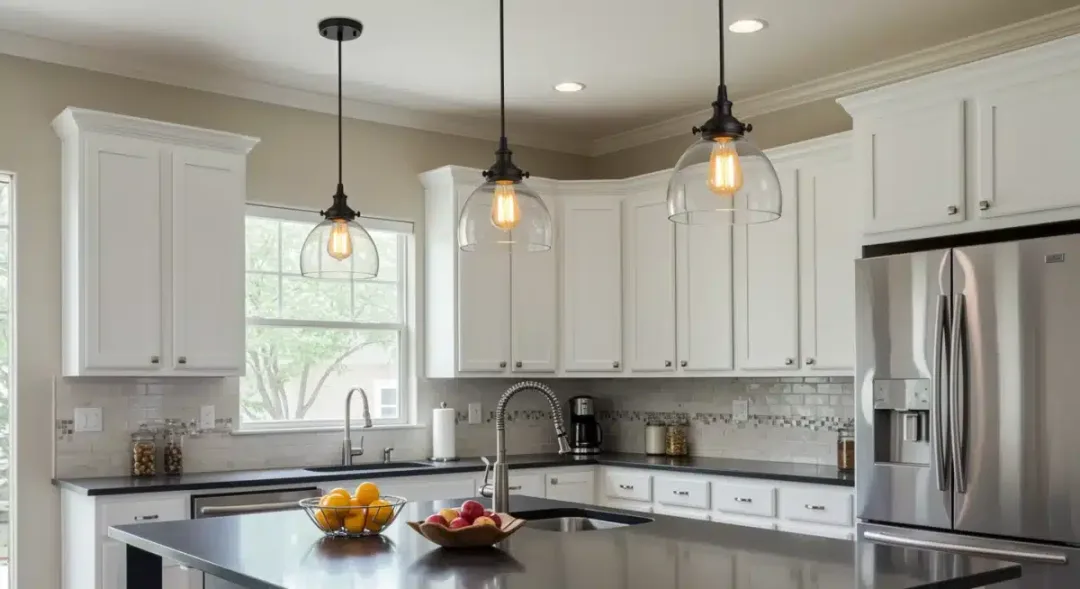
A dimmer switch for your main dining room fixture is non-negotiable. This allows you to adjust the light intensity to suit the occasion. Consider adding wall sconces or even small table lamps on a buffet or console table to provide additional layers of light. These secondary sources can add warmth and visual interest, making the room feel more inviting.
- Chandelier: A statement piece that provides ambient light. Ensure it’s sized appropriately for the table and room.
- Dimmable Controls: Essential for adjusting the mood from bright and functional to soft and intimate.
- Accent Lighting: Picture lights on artwork or small uplights in corners can add depth and elevate the room’s sophistication.
The key to dining room lighting is flexibility. You want to be able to create a bright, clear environment for a lively brunch, or a soft, warm glow for a formal dinner party. Investing in versatile fixtures with dimming capabilities will ensure your dining room is always perfectly lit, no matter the occasion, enhancing both the food and the conversation.
bathroom brilliance: practical and refreshing
Bathroom lighting needs to be both functional for tasks like shaving or applying makeup and atmospheric for relaxation. Harsh, unflattering lighting is a common mistake. The best approach involves layering, with strong task lighting around the mirror and softer ambient light for the overall space.
Vertical sconces placed on either side of the mirror are ideal for task lighting, as they illuminate the face evenly without casting shadows. Overhead lighting, such as recessed fixtures or a flush mount, provides general ambient light. If you have a larger bathroom, consider a separate light source for the shower area, ideally a waterproof recessed light.
- Vanity Lighting: Sconces flanking the mirror provide even, shadow-free illumination for grooming tasks.
- Overhead Ambient Light: Recessed lights or a stylish flush mount for general room illumination.
- Dimmable Options: Allow for softer light during baths or late-night visits, promoting relaxation.
Choosing fixtures with a high color rendering index (CRI) is also important in bathrooms, particularly around the vanity. A high CRI ensures that colors, like skin tones or makeup shades, appear true and natural. Moisture-rated fixtures are also a must for safety and longevity in this humid environment. Thoughtful bathroom lighting makes the space both practical and a refreshing retreat.
choosing the right fixtures for every room
The vast array of lighting fixtures available can be overwhelming, but by understanding their purpose and aesthetic impact, you can make informed choices for each room. This section breaks down various fixture types and their ideal applications, helping you select pieces that complement your home’s style while maximizing functionality and efficiency.
pendants, chandeliers, and flush mounts
These ceiling-mounted fixtures are primary sources of ambient light and often serve as focal points in a room. Their choice depends heavily on ceiling height, room size, and desired aesthetic. Each type offers distinct advantages and visual impacts, making careful selection crucial.
- Pendant Lights: Versatile and decorative, ideal for task lighting over kitchen islands, dining tables, or as accent lighting in corners. They hang from the ceiling by a rod or chain.
- Chandeliers: Grand and ornamental, perfect for dining rooms, foyers, or large living rooms with high ceilings. They are designed to be a statement piece.
- Flush Mounts and Semi-Flush Mounts: Suitable for rooms with lower ceilings or areas where a more discreet general light source is preferred. They sit close to or slightly off the ceiling.
When selecting these fixtures, consider the scale of the room. A too-small chandelier in a large room will look lost, while an oversized pendant in a small space can feel overwhelming. Pay attention to the material and finish to ensure it harmonizes with your existing decor. The right overhead fixture can anchor a room’s design and provide essential illumination.
sconces, track lighting, and recessed lights
These fixtures offer more focused or architectural lighting solutions, contributing to task and accent layers. They are excellent for highlighting features, providing directional light, or offering discreet, integrated illumination. Their placement can dramatically alter the perception of a space.
- Wall Sconces: Mounted on walls, they provide ambient or accent lighting, often used in hallways, bathrooms, or flanking a fireplace. They add vertical interest and can make a room feel taller.
- Track Lighting: Highly flexible, allowing you to direct light precisely where needed. Ideal for highlighting artwork, architectural details, or providing adjustable task lighting in a gallery-style space.
- Recessed Lights (Can Lights): Installed directly into the ceiling, offering unobtrusive general or task lighting. They are excellent for modern, minimalist aesthetics and provide clean lines.
The strategic use of these fixtures can create visual pathways, emphasize textures, and add depth to a room. For example, a series of recessed lights can uniformly illuminate a hallway, while track lighting can adapt to changing artwork displays. These options provide functional and aesthetic versatility, allowing for a highly customized lighting scheme that responds to specific needs and design goals.
installation tips and safety considerations
Proper installation is just as important as choosing the right fixtures. Incorrect installation can lead to safety hazards, reduce the lifespan of your lighting, and even compromise energy efficiency. This section covers essential tips for safe and effective installation, ensuring your new lighting performs optimally and securely.
diy vs. professional installation
While some basic lighting installations, like replacing a light bulb or plugging in a lamp, are simple DIY tasks, more complex projects often require professional expertise. Understanding when to call an electrician is crucial for safety and compliance with local codes. Attempting advanced electrical work without proper knowledge can be dangerous.
For tasks such as installing new ceiling fixtures, wiring dimmers, or setting up complex smart home lighting systems, hiring a licensed electrician is highly recommended. They ensure that wiring is correct, circuits are not overloaded, and all installations meet safety standards. This prevents potential hazards like electrical fires or shocks, offering peace of mind.
- DIY Friendly: Replacing existing bulbs, installing plug-in lamps, changing light switch plates.
- Professional Recommended: Installing new hardwired fixtures, adding new circuits, complex smart home system wiring, outdoor lighting requiring trenching.
Even for seemingly simple DIY tasks, always turn off the power at the circuit breaker before beginning any work involving electrical components. Familiarize yourself with your home’s electrical system and the tools required for the job. When in doubt, always err on the side of caution and consult a professional. Safety should always be your top priority.
understanding electrical codes and safety
Adhering to local electrical codes is not just about compliance; it’s about ensuring the safety and long-term functionality of your home’s electrical system. These codes dictate everything from wiring methods to the type of fixtures allowed in certain areas, particularly in moisture-prone environments like bathrooms.
For example, bathrooms and outdoor areas require fixtures specifically rated for damp or wet locations to prevent electrical hazards. Ensure your chosen fixtures carry appropriate certifications (e.g., UL listed) indicating they meet safety standards. Overloading circuits is another common safety issue; always know your circuit capacity and avoid plugging too many high-wattage devices into a single outlet.
- Moisture Ratings: Use ‘damp-rated’ fixtures in bathrooms and ‘wet-rated’ fixtures for outdoor exposed areas.
- Circuit Capacity: Avoid exceeding the amperage limit of your electrical circuits to prevent tripping breakers and potential fire hazards.
- Proper Grounding: Ensure all fixtures are correctly grounded to prevent electrical shock.
Regularly inspect your wiring and fixtures for any signs of wear, fraying, or damage. Replace old, faulty switches or outlets. By understanding and respecting electrical codes and safety guidelines, you protect your home and loved ones from potential dangers, ensuring your lighting system operates efficiently and safely for years to come. This vigilance is a small price to pay for peace of mind.
future-proofing your lighting and increasing home value
Investing in thoughtful lighting extends beyond immediate aesthetic and energy benefits; it’s a strategic move for the future. Modern lighting trends and technologies can significantly enhance your home’s appeal, functionality, and even its market value. Considering these long-term advantages makes lighting upgrades a truly wise investment.
integrating smart home technology
The smart home revolution is well underway, and lighting is at its forefront. Integrating smart lighting systems not only offers unparalleled convenience and energy savings but also positions your home as technologically advanced. This can be a significant selling point in today’s real estate market, appealing to tech-savvy buyers.
Features like voice control, remote access, and automated scenes that adjust lighting based on time of day or activity are becoming standard expectations for modern homes. These systems offer more than just novelty; they provide tangible benefits in terms of comfort, security, and efficiency. They are a clear indicator of a well-maintained and forward-thinking property.
- Enhanced Convenience: Control lights from anywhere, create custom scenes, and integrate with other smart devices.
- Increased Security: Automated lighting can deter intruders by simulating occupancy when you’re away.
- Market Appeal: Smart home features are increasingly sought after by buyers, adding tangible value to your property.
By embracing smart lighting, you’re not just upgrading your bulbs; you’re investing in a more intelligent, responsive, and valuable home. This foresight ensures your home remains relevant and desirable in an ever-evolving technological landscape, providing returns far beyond the initial investment. It’s an upgrade that pays dividends in multiple ways.
lighting as a home value enhancer
Well-designed lighting can dramatically increase a home’s perceived value and curb appeal. It highlights architectural features, creates inviting ambiances, and makes spaces feel larger and more luxurious. Potential buyers are often swayed by a home that feels bright, welcoming, and thoughtfully illuminated.
Consider upgrading outdated fixtures, especially in key areas like the kitchen, bathrooms, and entryway. These are often the first impressions buyers get. Strategic outdoor lighting, such as pathway lights, accent lights for landscaping, and porch lighting, also plays a crucial role in curb appeal and security, making your home stand out from the neighborhood.
- Curb Appeal: Exterior lighting enhances the home’s aesthetic after dark and provides security.
- Modern Aesthetics: Updated fixtures can instantly make a home feel more contemporary and well-maintained.
- Functional Spaces: Proper lighting in kitchens and bathrooms makes these high-traffic areas more appealing and usable.
Ultimately, lighting is more than just illumination; it’s an integral part of interior design and a powerful tool for enhancing home value. By investing in quality fixtures, energy-efficient solutions, and smart technology, you create a home that is not only more enjoyable to live in but also more attractive to future buyers. This makes every lighting decision a step towards a brighter, more valuable home.
sustainable lighting practices for a greener home
Embracing sustainable lighting practices goes hand-in-hand with energy efficiency, contributing to a smaller carbon footprint and a healthier planet. This section delves into eco-friendly choices that extend beyond simply using LEDs, focusing on comprehensive strategies for a truly green home. It’s about making conscious decisions that benefit both your environment and your long-term well-being.
natural light optimization
The most sustainable light source is often the one that’s free: natural daylight. Maximizing natural light reduces the need for artificial illumination during the day, significantly cutting down on energy consumption. This approach not only saves money but also creates brighter, more uplifting interior spaces.
Consider window treatments that allow for ample light entry while providing privacy. Strategically placed mirrors can reflect natural light deeper into rooms, making them feel larger and brighter. Lighter wall colors also help to bounce light around, enhancing the overall brightness without additional electricity. Think about how your home is oriented throughout the day and leverage the sun’s path.
- Window Treatments: Use sheer curtains or blinds that can be opened fully to maximize daylight.
- Strategic Mirror Placement: Position mirrors opposite windows to amplify natural light.
- Light Color Palettes: Paint walls and ceilings in light, reflective colors to enhance brightness.
Optimizing natural light is a fundamental step towards a truly sustainable home. It’s an approach that requires minimal investment but yields significant returns in energy savings and improved indoor atmosphere. By thoughtfully designing around daylight, you create spaces that are inherently more energy-efficient and pleasant to inhabit, connecting your home more closely with its natural surroundings.
recycling and responsible disposal
The lifecycle of lighting components, from manufacturing to disposal, has an environmental impact. Practicing responsible disposal and recycling of old bulbs and fixtures is a crucial aspect of sustainable lighting. This ensures that harmful chemicals are not released into the environment and valuable materials are recovered.
Many types of bulbs, especially CFLs (compact fluorescent lamps), contain small amounts of mercury and should not be thrown into regular household trash. LEDs, while not containing mercury, still have electronic components that should be recycled. Check with your local waste management facilities or retailers for designated recycling programs for various bulb types.
- CFLs: Recycle at designated drop-off points to prevent mercury release.
- LEDs: Recycle electronic components to recover valuable materials and reduce landfill waste.
- Fixture Disposal: Separate glass, metal, and plastic components where possible for proper recycling.
By actively participating in recycling programs and understanding the proper disposal methods for different lighting products, you contribute to a circular economy and reduce environmental pollution. This commitment to responsible consumption and disposal is a vital part of creating a truly green and sustainable home. Every small action contributes to a larger, positive environmental impact.
| Key Point | Brief Description |
|---|---|
| Layered Lighting | Combine ambient, task, and accent lighting for versatile and functional spaces. |
| LED Conversion | Switch to LED bulbs for significant energy savings (up to 80%) and longer lifespan. |
| Smart Lighting | Utilize smart systems for dimming, scheduling, and motion control to optimize energy use. |
| Natural Light | Maximize daylight entry to reduce reliance on artificial lighting and save energy. |
frequently asked questions about home lighting
What are the three main types of lighting for a home?▼The three main types are ambient, task, and accent lighting. Ambient provides general illumination, task focuses on specific activities like reading or cooking, and accent highlights features such as artwork or architectural details.
How can I save 10% on my energy bill through lighting?▼You can save by switching to LED bulbs, utilizing dimmers, incorporating smart lighting systems for scheduling and motion sensing, and maximizing natural daylight. These combined strategies significantly reduce electricity consumption.
What color temperature is best for a living room?▼For a living room, a warm white color temperature (2700K-3000K) is generally best. This range creates a cozy, inviting, and relaxed atmosphere, perfect for unwinding and socializing. Cool white is better for task-oriented rooms.
When should I hire a professional for lighting installation?▼It is recommended to hire a professional for hardwired fixture installations, adding new electrical circuits, complex smart home system wiring, or any outdoor lighting involving trenching to ensure safety and code compliance.
Do smart lighting systems really increase home value?▼Yes, smart lighting systems can increase home value by offering enhanced convenience, security, and energy efficiency, which are highly desirable features for modern homebuyers. They signal a technologically updated and well-maintained property.
conclusion
Embarking on a journey to optimize your home’s lighting is a decision that pays dividends in both aesthetic pleasure and financial savings. As this comprehensive Home Finds Lighting Guide: Choose the Right Fixtures for Every Room and Save 10% on your energy bill has illustrated, thoughtful light placement, selection of energy-efficient fixtures, and the strategic integration of smart technologies can profoundly transform your living spaces. By understanding the nuances of ambient, task, and accent lighting, and by making conscious choices regarding color temperature and fixture types, you create environments that are not only beautiful but also highly functional and sustainable. The transition to LED bulbs and the adoption of smart home systems are not just trends; they are foundational steps towards a more efficient, secure, and valuable home. Ultimately, investing in better lighting is an investment in your comfort, your wallet, and the future of your property.