
Ads
Smart home upgrades like intelligent thermostats, LED lighting systems, smart power management, and automated heating controls can reduce winter energy consumption by 15% through optimized usage patterns and reduced waste.
Winter brings higher energy bills as heating systems work overtime to keep homes comfortable. Yet many homeowners are discovering that smart home upgrades can significantly cut costs while maintaining warmth throughout the coldest months. These technologies learn your patterns, optimize energy usage, and give you unprecedented control over your home’s energy consumption. The result? Lower bills without sacrificing comfort.
Smart Thermostats: The Foundation of Winter Energy Savings
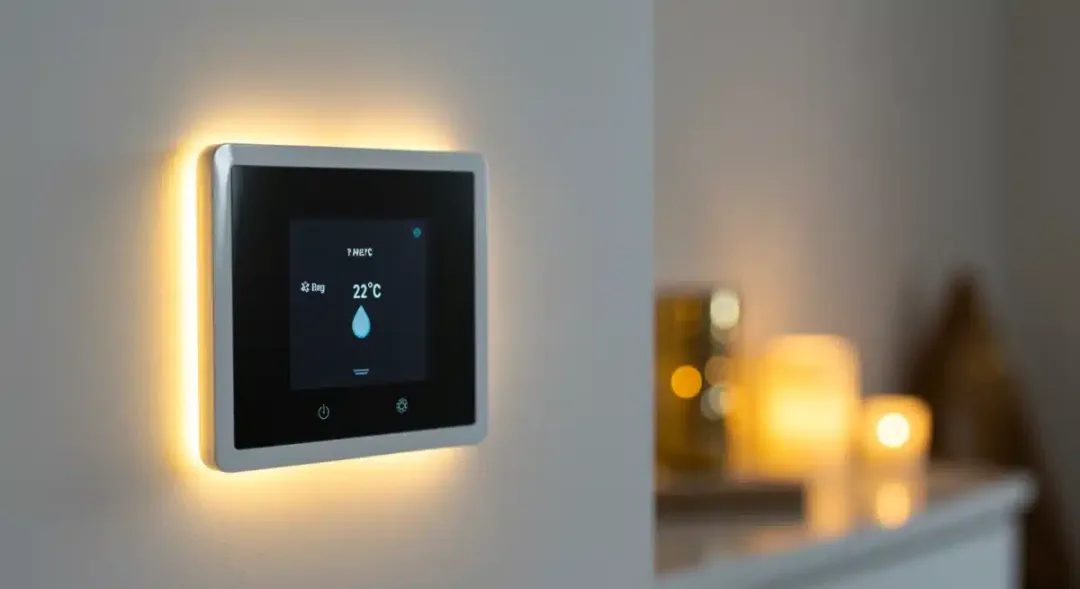
Smart thermostats represent the most impactful upgrade for winter energy savings. These devices learn your schedule, adjust temperatures automatically, and can be controlled remotely through smartphone apps. The technology goes beyond simple programming by analyzing patterns and making real-time adjustments based on occupancy, outdoor temperatures, and weather forecasts.
Most smart thermostats can reduce heating costs by 10-15% annually. They achieve this by automatically lowering temperatures when you’re away or asleep and warming your home before you arrive. Many models integrate with weather services to pre-emptively adjust heating based on incoming cold fronts, ensuring your home stays comfortable while using minimal energy.
Key Features to Look For
- Learning algorithms that adapt to your schedule automatically
- Remote sensors for accurate temperature readings throughout your home
- Integration with voice assistants like Alexa, Google Assistant, and Siri
- Energy usage reports that help you identify waste patterns
- Geofencing capabilities that detect when you leave or approach home
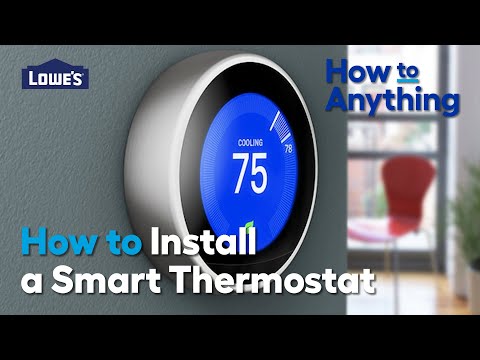
Installation has become remarkably straightforward, with most homeowners able to set up their smart thermostat in under an hour. The initial investment typically pays for itself within one or two heating seasons through reduced utility bills.
Intelligent LED Lighting Systems
Lighting accounts for a significant portion of winter energy usage, especially in regions where darkness falls early. Smart LED systems address this by allowing precise control over when lights operate, how brightly they shine, and even the color temperature they emit. This level of control eliminates the waste associated with leaving lights on in empty rooms or using overly bright bulbs during evening hours.
Beyond simple on-off functionality, smart lighting enables automation based on sunrise and sunset times, motion detection in hallways and bathrooms, and dimming capabilities that reduce energy consumption while creating ambiance. Many systems also offer vacation modes that randomly activate lights to simulate occupancy, adding security benefits to the energy savings.
Smart Lighting Benefits
- Automated schedules that eliminate forgotten lights
- Dimming capabilities that reduce energy use by up to 80%
- Color temperature adjustment for optimal comfort and efficiency
- Motion sensors that activate lights only when needed
- Integration with other smart home devices for coordinated automation
The LED technology itself provides immediate savings compared to incandescent bulbs, often lasting 25 times longer while using 75% less energy. When combined with smart controls, the efficiency gains multiply significantly.
Smart Power Management and Monitoring
Phantom energy drain, also known as vampire power, accounts for 5-10% of residential energy usage. Smart power strips and whole-home energy monitors address this hidden waste by cutting power to devices when they’re not in use and providing detailed insights into consumption patterns. Understanding where your energy goes is the first step toward reducing waste.
Advanced smart power solutions can automatically shut down entertainment systems, computer equipment, and kitchen appliances during hours when they’re not needed. Some systems even learn usage patterns and make suggestions for further efficiency improvements based on your actual consumption data.
Monitoring Capabilities
- Real-time energy consumption tracking by device
- Historical usage analysis and trend identification
- Alerts for unusual consumption patterns
- Automatic device scheduling to eliminate phantom drain
- Cost estimation based on utility rate structures
The data these systems provide often reveals surprising consumption patterns that homeowners can address immediately for instant savings.
Smart Radiator Valves and Zone Heating
Traditional central heating systems often waste energy by heating unused rooms. Smart radiator valves solve this problem by allowing precise temperature control in individual rooms. These devices replace standard radiator thermostats with intelligent controls that can be programmed independently or adjusted automatically based on occupancy and usage patterns.
Zone heating systems take this concept further by creating multiple heating zones throughout your home, each with its own thermostat and control. This approach ensures that energy goes only where it’s needed, dramatically reducing waste in guest rooms, basements, and other spaces that see limited use during winter months.
Zone Heating Advantages
- Independent temperature control for each room
- Occupancy-based adjustments that heat rooms only when in use
- Reduced waste from heating unoccupied spaces
- Compatibility with existing radiator systems
- Integration with central smart thermostat for coordinated operation
For homes with multiple floors or unused rooms, zone heating can reduce heating costs by 20% or more by eliminating the need to maintain uniform temperatures throughout the entire living space.
Smart Water Heater Controls
Water heating typically accounts for 20% of home energy consumption, making it a prime target for efficiency improvements. Smart water heater controllers optimize heating schedules to ensure hot water is available when needed while minimizing energy use during low-demand periods. These devices learn your household’s hot water patterns and adjust accordingly.
Some advanced systems even integrate with solar thermal panels or heat pump water heaters, coordinating energy use with optimal renewable energy availability or off-peak electricity rates. The result is significantly reduced water heating costs without sacrificing the comfort of reliable hot water.
Smart Water Heating Features
- Learning algorithms that anticipate hot water needs
- Vacation modes that prevent energy waste during travel
- Leak detection and automatic shutoff for safety
- Temperature monitoring to prevent scalding and optimize efficiency
- Integration with utility demand response programs for additional savings
For households with consistent schedules, smart water heater controls can reduce water heating costs by 10-15% while improving overall comfort and convenience.
Comprehensive Smart Home Integration
While individual smart devices provide meaningful savings, the true power of smart home technology lies in integration. When thermostats, lighting, and energy monitors communicate with each other, they can coordinate their operations for maximum efficiency. A properly integrated system might dim lights and adjust heating when entertainment systems activate, or pre-heat your home using excess solar generation.
Modern smart home platforms like Apple HomeKit, Google Home, and Amazon Alexa provide the framework for this integration. Many homeowners start with one or two devices and gradually expand their systems as they experience the benefits. The key is choosing devices that work well together and support the automation routines that match your lifestyle.
Integration Strategies
- Choose devices compatible with a single platform for seamless operation
- Create automation routines that coordinate multiple devices
- Use sensors to trigger coordinated responses throughout your home
- Establish energy-saving modes that activate multiple devices simultaneously
- Regularly review automation performance and adjust for optimal results
The investment in a comprehensive smart home system pays dividends through continuous optimization that manual controls simply cannot match. As these systems learn your patterns and preferences, they become increasingly efficient at balancing comfort with energy conservation.
Maximizing Your Winter Energy Savings
Successfully reducing your winter energy bills requires more than just installing smart devices. Understanding how these technologies work together and maintaining awareness of your energy consumption patterns ensures you achieve the maximum possible savings. Regular review of energy reports and adjustment of automation routines based on actual performance keeps your system operating at peak efficiency.
Many utility companies now offer rebates and incentives for smart home installations, making the initial investment even more attractive. These programs can significantly reduce the cost of smart thermostats, smart power strips, and other energy-saving devices while accelerating your return on investment.
Optimization Tips
- Review weekly energy reports to identify new optimization opportunities
- Adjust schedules seasonally as daylight hours and temperatures change
- Take advantage of utility rebates and incentive programs
- Combine smart devices with proper insulation and weatherization
- Monitor performance during extreme weather events to ensure reliability
The combination of smart technology and mindful usage creates a powerful synergy that delivers consistent, measurable savings throughout the winter season and beyond.
| Upgrade Type | Potential Savings |
|---|---|
| Smart Thermostat | 10-15% reduction on heating bills through automated optimization and schedule learning |
| Smart LED Lighting | Up to 80% less energy than traditional bulbs with automated controls and dimming |
| Smart Power Management | Eliminates 5-10% phantom energy drain from devices in standby mode |
| Zone Heating Controls | 20%+ savings by heating only occupied rooms instead of entire home |
Frequently Asked Questions
How much can I realistically save with smart home upgrades this winter?▼Most homeowners achieve 10-15% savings on winter energy bills with a comprehensive smart home setup. Smart thermostats alone typically deliver 10-12% savings, while adding smart lighting, power management, and zone heating can push total savings toward 15% or higher depending on your home’s characteristics and usage patterns.
Are smart home devices difficult to install for beginners?▼Most smart home devices are designed for DIY installation and include detailed instructions. Smart thermostats typically take 30-60 minutes to install, while smart bulbs and power strips simply plug into existing outlets. Most devices connect to WiFi through smartphone apps that guide you through the setup process step by step.
Do smart home devices work with existing heating systems?▼Smart thermostats are compatible with most standard heating systems including forced air, heat pumps, radiant heating, and boiler systems. Smart radiator valves work with most existing radiators. Always check compatibility before purchasing, but the vast majority of homes can benefit from smart home technology without requiring system modifications.
How long does it take for smart thermostats to learn my schedule?▼Smart thermostats typically learn your schedule within one to two weeks of installation. During this period, they observe when you wake up, leave for work, return home, and go to sleep. After the learning period, they begin automatically adjusting temperatures based on your patterns, though you can always override settings manually.
What happens to my smart home if my internet goes down?▼Most smart home devices continue basic functions during internet outages. Smart thermostats maintain their programmed schedules locally, and smart bulbs will still respond to physical switches. Remote control features require internet, but core automation typically continues working. Many devices include backup features that ensure your home remains comfortable even without connectivity.
Conclusion
Smart home upgrades represent one of the most effective ways to reduce winter energy bills while maintaining home comfort. From intelligent thermostats that learn your schedule to smart lighting that eliminates waste, these technologies work together to create an efficient, responsive home that adapts to your lifestyle. The initial investment pays for itself quickly through ongoing savings, and the convenience benefits enhance your daily life beyond just reduced utility costs. As energy prices continue to rise, smart home technology becomes an increasingly valuable tool for managing household expenses while contributing to environmental sustainability.