
Ads
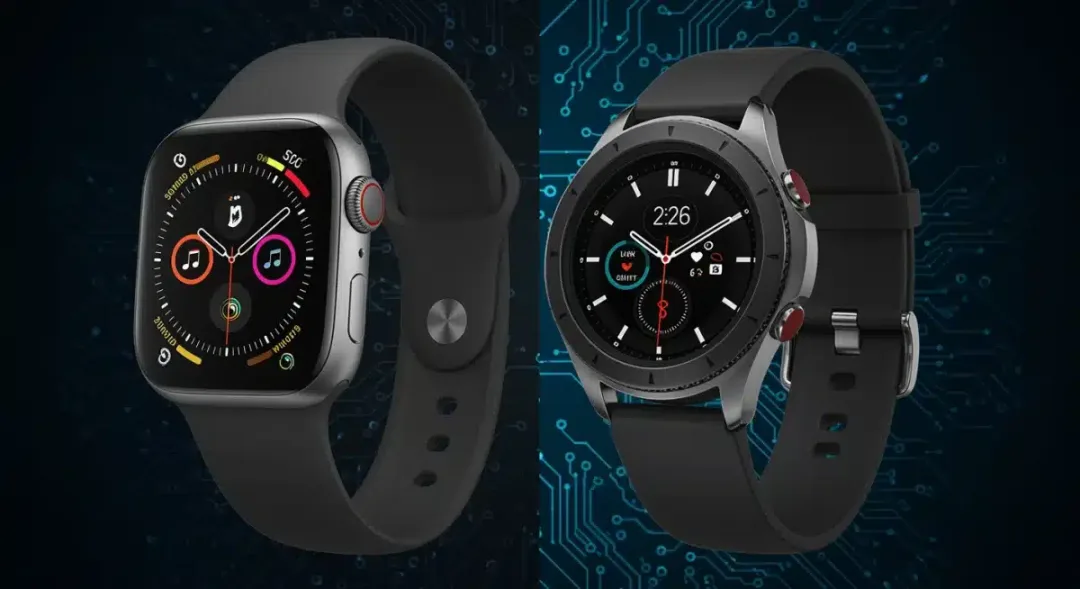
The Smartwatch Showdown: Comparing the Apple Watch Series 12 vs. Samsung Galaxy Watch 9 (2026 Edition) reveals critical advancements in health monitoring, battery life, and smart integrations, shaping the future of wearable technology for consumers in 2026.
The wearable technology market continues its relentless march forward, and by 2026, the competition at the pinnacle of innovation will be fiercer than ever. This Smartwatch Showdown: Comparing the Apple Watch Series 12 vs. Samsung Galaxy Watch 9 (2026 Edition) aims to dissect the anticipated features, performance, and user experience of these two titans, guiding consumers through the intricate landscape of high-end smartwatches.
Design and Display Innovations in 2026
As we step into 2026, the aesthetic and functional design of smartwatches have evolved significantly. Both Apple and Samsung have consistently pushed boundaries, and the Series 12 and Galaxy Watch 9 are expected to set new standards for elegance and utility. We anticipate refined materials, enhanced durability, and displays that offer unprecedented clarity and responsiveness.
The perennial debate between rectangular and circular watch faces continues, with both brands adhering to their signature styles. Apple is likely to maintain its iconic square-ish design, focusing on maximizing screen real estate for information display and intuitive gestures. Samsung, conversely, is expected to perfect its circular aesthetic, aiming for a more traditional watch feel while integrating advanced touch and haptic feedback mechanisms.
Material and Build Quality
Expect premium materials to be standard. Both models will likely feature:
- Aerospace-grade aluminum: For a lightweight yet robust chassis.
- Sapphire crystal displays: Offering superior scratch resistance.
- Advanced ceramic or titanium options: For those seeking ultimate durability and luxury.
These choices reflect a commitment to longevity and a premium user experience, ensuring the devices can withstand daily wear and tear while retaining their sophisticated appearance.
Display Technology Advancements
The displays on these 2026 models are poised to be breathtaking. We’re looking at micro-LED or next-generation OLED panels that offer:
- Unparalleled brightness: Ensuring readability even in direct sunlight.
- Exceptional color accuracy: Making watch faces and app interfaces vibrant.
- Adaptive refresh rates: Optimizing battery life without compromising smoothness.
- Always-On capabilities: More efficient and customizable than ever before.
These display innovations will not only enhance visual appeal but also contribute to a more seamless and interactive user interface, making interactions with the smartwatch more fluid and enjoyable. The focus will be on dynamic, contextual information delivery, adapting to the user’s environment and needs.
Performance and Battery Life: The Core of Wearable Experience
In the 2026 smartwatch landscape, raw processing power and extended battery life are no longer just desirable; they are fundamental expectations. Users demand devices that can handle complex computations, run multiple applications simultaneously, and last for days on a single charge. Both the Apple Watch Series 12 and the Samsung Galaxy Watch 9 are set to deliver significant upgrades in these critical areas, leveraging advancements in chip architecture and power management.
Apple’s silicon has consistently led the industry, and the Series 12 is expected to feature a new iteration of its S-series chip. This chip will likely incorporate a smaller fabrication process, leading to increased efficiency and performance. Samsung, not to be outdone, will undoubtedly equip the Galaxy Watch 9 with its latest Exynos wearable processor, potentially co-developed with Google for tighter Wear OS integration and optimized performance. The goal for both is to provide a buttery-smooth user experience, from navigating menus to processing advanced health data.

Processor Efficiency and Speed
The internal architecture of these smartwatches will be optimized for speed and energy conservation. Key aspects include:
- Multi-core processing: Handling background tasks and demanding applications with ease.
- Dedicated AI accelerators: For on-device machine learning, enhancing features like voice commands and health insights.
- Improved GPU performance: Enabling richer graphics and smoother animations for watch faces and games.
These advancements ensure that the smartwatch remains responsive, even under heavy loads, providing a seamless interaction that feels instantaneous.
Revolutionizing Battery Longevity
Battery life has always been a significant challenge for smartwatches. However, by 2026, we anticipate breakthroughs that offer substantial improvements. The Apple Watch Series 12 and Galaxy Watch 9 are expected to feature:
- Solid-state batteries: Offering higher energy density and faster charging cycles.
- Adaptive power modes: Dynamically adjusting performance based on usage patterns.
- Low-power co-processors: Handling always-on displays and basic sensor data with minimal drain.
These innovations aim to push battery life beyond the typical 1-2 day mark, with aspirations for multi-day usage even with intensive features enabled. This shift will significantly enhance the practicality and appeal of these devices, reducing charging anxiety for users.
Advanced Health and Fitness Tracking
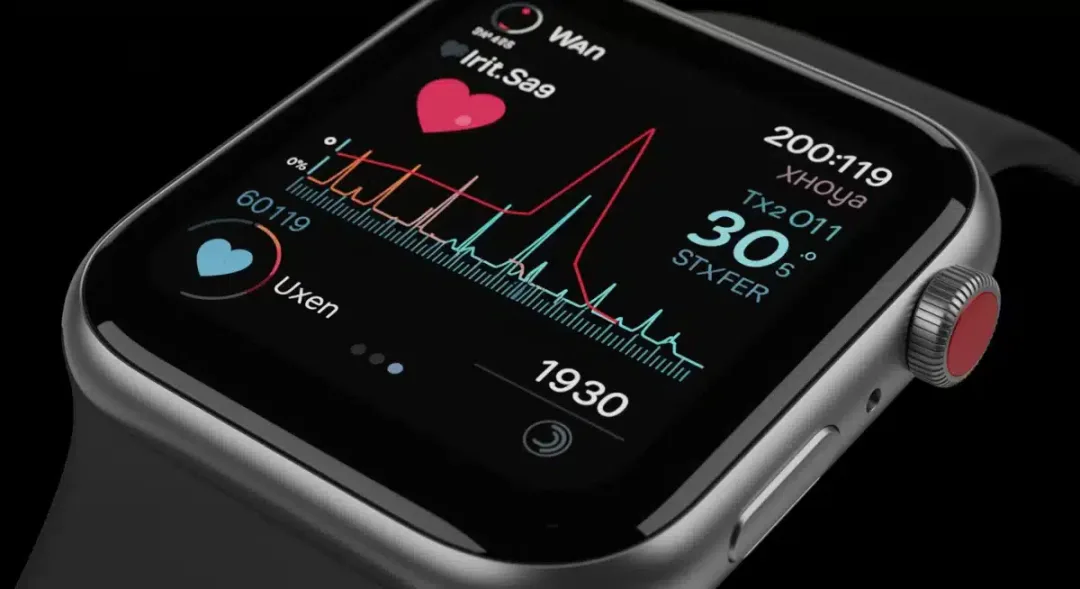
The primary driver for many smartwatch purchases remains health and fitness monitoring, and by 2026, both Apple and Samsung will have significantly refined their offerings. The Smartwatch Showdown: Comparing the Apple Watch Series 12 vs. Samsung Galaxy Watch 9 (2026 Edition) reveals an intense focus on precision, actionable insights, and proactive health management. These devices are moving beyond simple data collection to become integral tools for personal well-being.
Both brands are expected to integrate more sophisticated sensors and algorithms, offering a deeper understanding of the user’s physiological state. We anticipate a shift towards continuous, passive monitoring that provides alerts for potential health issues before they become critical. The emphasis will be on prevention and personalized wellness plans, integrating seamlessly with broader health ecosystems.
Breakthrough Biometric Sensors
The next generation of smartwatches will feature an array of cutting-edge sensors, including:
- Non-invasive blood glucose monitoring: A long-anticipated feature that could revolutionize diabetes management.
- Advanced blood pressure tracking: Offering more accurate and frequent readings directly from the wrist.
- Continuous body temperature monitoring: Providing insights into sleep quality, illness onset, and fertility cycles.
- Enhanced ECG and PPG sensors: For even more precise heart health diagnostics, including early detection of arrhythmias.
These sensors, combined with advanced data analysis, will provide users with an unprecedented level of insight into their health, empowering them to make informed decisions about their lifestyle.
Holistic Fitness and Recovery Insights
Fitness tracking will evolve beyond step counting and calorie burning. The 2026 models will offer:
- Personalized workout recommendations: Based on recovery status, previous performance, and fitness goals.
- Advanced running dynamics: Analyzing ground contact time, vertical oscillation, and stride length for improved form.
- Stress and recovery tracking: Integrating heart rate variability, sleep stages, and daily activity to recommend rest periods.
- Virtual coaching and guided mindfulness: Leveraging AI to provide real-time feedback and mental wellness support.
The goal is to offer a comprehensive fitness companion that not only tracks activity but also actively guides users towards optimal performance and recovery, fostering a balanced approach to physical and mental well-being.
Operating Systems and Ecosystem Integration
The seamless interaction between a smartwatch and its broader digital ecosystem is paramount to user satisfaction. By 2026, both watchOS for the Apple Watch Series 12 and Wear OS for the Samsung Galaxy Watch 9 will have undergone significant refinements, focusing on intuitive navigation, enhanced app ecosystems, and tighter integration with their respective smartphone platforms. This integration defines much of the user experience, influencing everything from notifications to smart home control.
Apple’s watchOS is expected to continue its focus on simplicity and direct access to information, leveraging its deep integration with iOS for a cohesive experience. Samsung’s Wear OS, benefiting from its collaboration with Google, will likely emphasize customization, a wider range of third-party apps, and robust integration with Android and Google services. The evolution of these operating systems will dictate how users interact with their devices and the extent of their functionality.
watchOS 12: Refined Simplicity and Power
Apple’s watchOS 12 will undoubtedly bring new features designed to enhance daily utility. We can expect:
- Enhanced widget stacks: Offering more dynamic and contextual information at a glance.
- Smarter Siri integration: With improved natural language processing and proactive suggestions.
- Advanced accessibility features: Making the watch more usable for a wider audience.
- Optimized app multitasking: Allowing for smoother transitions between applications.
The strength of watchOS lies in its tightly controlled ecosystem, ensuring a high level of polish and security across all applications and features.
Wear OS 9: Openness and Customization
Samsung’s iteration of Wear OS 9, likely with heavy Samsung UI customization, will focus on flexibility and user choice. Anticipated features include:
- Deeper Google Assistant integration: Providing powerful voice control and smart home capabilities.
- Expanded third-party app support: Leveraging the vast Android app ecosystem.
- More extensive watch face customization: Allowing users unprecedented control over aesthetics.
- Seamless integration with Samsung’s SmartThings: Offering advanced smart home control directly from the wrist.
Wear OS aims to be a versatile platform, catering to a diverse user base with varied preferences and existing device ecosystems.
Connectivity and Smart Features
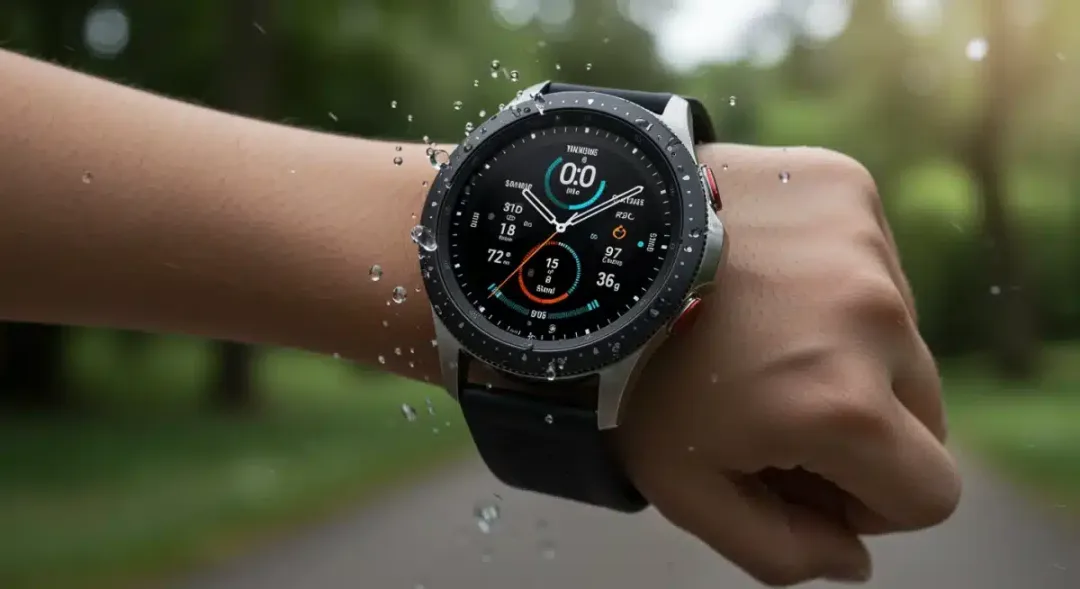
In 2026, a smartwatch is more than just a time-telling device; it’s a powerful communication hub and an extension of your smartphone. The Smartwatch Showdown: Comparing the Apple Watch Series 12 vs. Samsung Galaxy Watch 9 (2026 Edition) highlights how both devices will push the boundaries of connectivity, offering more independence from the phone and integrating deeper into the smart home and digital payment spheres. The focus is on making daily tasks more convenient and keeping users connected in various scenarios.
Both Apple and Samsung are expected to enhance their cellular capabilities, ensuring reliable network access even without a paired phone. This includes improved eSIM technology, better roaming support, and optimized power consumption for cellular usage. Furthermore, the integration of advanced Wi-Fi and Bluetooth standards will facilitate faster data transfer and more stable connections with accessories and other smart devices.
Enhanced Communication and Independence
The 2026 smartwatches will offer unparalleled communication options:
- Next-gen cellular (5G/6G readiness): For incredibly fast data speeds and low latency, enabling seamless streaming and video calls.
- Satellite connectivity (emergency only): Following in the footsteps of smartphones, offering critical SOS features in remote areas.
- Improved voice call quality: Utilizing advanced noise cancellation and beamforming microphones.
- Rich notification handling: Allowing for more detailed interactions directly from the wrist, including quick replies and media controls.
These features will make the smartwatch a truly independent communication device, capable of handling essential tasks without needing the phone nearby.
Smart Home and Payment Integrations
The role of the smartwatch as a central control point for your digital life will expand significantly:
- Advanced NFC payments: Faster, more secure transactions with enhanced biometric authentication.
- Universal smart home control: Compatibility with a broader range of smart home ecosystems (HomeKit, Matter, SmartThings).
- Digital car key functionality: Unlocking and starting compatible vehicles directly from the watch.
- Personalized contextual alerts: Proactively offering information or controls based on location and routine (e.g., adjusting thermostat when you arrive home).
These integrations aim to simplify daily routines, consolidating control over various aspects of a user’s digital and physical environment into a single, convenient device.
Pricing, Availability, and Value Proposition
Understanding the financial commitment and overall value offered by the Apple Watch Series 12 and Samsung Galaxy Watch 9 in 2026 is crucial for potential buyers. Both companies position their flagship smartwatches at the premium end of the market, reflecting their advanced technology, design, and ecosystem integration. The Smartwatch Showdown: Comparing the Apple Watch Series 12 vs. Samsung Galaxy Watch 9 (2026 Edition) will inevitably come down to not just features, but also the perceived value and long-term support each brand provides.
Pricing is expected to remain competitive within the premium segment, likely seeing incremental increases reflecting inflation and the cost of new technologies. Availability will be global, with both companies leveraging their extensive retail networks and online presence. However, regional promotions, carrier deals, and trade-in programs will play a significant role in the actual cost to the consumer.
Anticipated Pricing Tiers
Both smartwatches will likely offer various configurations affecting the final price:
- Base models: Typically starting around $399-$449 for the standard GPS-only versions.
- Cellular models: Adding an extra $100-$150 for eSIM functionality.
- Premium materials (Titanium, Ceramic): Significantly increasing the price, potentially pushing into the $700+ range.
- Special editions (e.g., Apple Watch Ultra, Galaxy Watch Pro): These will command the highest prices, offering enhanced durability, larger batteries, and exclusive features.
The choice between these tiers will depend heavily on individual needs, budget, and desired feature set, from basic fitness tracking to ultimate outdoor adventure companion.
Long-Term Value and Support
Beyond the initial purchase, the long-term value proposition includes:
- Software update longevity: Apple typically provides 5-7 years of watchOS updates, while Samsung/Google aims for 4-5 years of Wear OS support.
- Accessory ecosystem: Both brands boast vast selections of first-party and third-party bands and chargers, though Apple’s ecosystem is often considered more expansive.
- Resale value: Apple products generally hold their value better in the secondary market.
- Customer service and repair options: Both offer extensive support networks, but the availability and cost of repairs can vary.
These factors contribute to the overall cost of ownership and should be considered alongside the initial purchase price, influencing the decision for many users.
The Verdict: Choosing Your 2026 Smartwatch
After a thorough Smartwatch Showdown: Comparing the Apple Watch Series 12 vs. Samsung Galaxy Watch 9 (2026 Edition), the choice between these two flagship devices in 2026 will largely depend on individual priorities and existing technological allegiances. Both represent the pinnacle of smartwatch innovation, offering advanced features, stunning designs, and robust performance. However, subtle differences in their approach to ecosystem integration, design philosophy, and feature prioritization will guide consumers towards their ideal wearable companion.
The Apple Watch Series 12 will likely appeal most to users deeply embedded in the Apple ecosystem, valuing seamless integration, refined user experience, and a strong emphasis on health and safety features. Its consistent performance, premium build, and extensive app compatibility within watchOS make it a compelling choice for iPhone users. Samsung Galaxy Watch 9, on the other hand, will cater to Android users seeking customization, a more traditional watch aesthetic, and a broader range of third-party app flexibility through Wear OS. Its robust fitness tracking and smart home integration will be key differentiators.
Who Should Choose the Apple Watch Series 12?
The Apple Watch Series 12 is the ideal choice for:
- iPhone users: For unparalleled integration and a unified user experience.
- Health-conscious individuals: Who prioritize advanced health monitoring and proactive safety features.
- Design minimalists: Those who appreciate Apple’s iconic, sleek, and intuitive interface.
- Users seeking strong long-term software support: Benefiting from Apple’s consistent updates.
Its strength lies in its cohesive ecosystem and focus on delivering a premium, user-friendly experience that complements the iPhone perfectly.
Who Should Choose the Samsung Galaxy Watch 9?
The Samsung Galaxy Watch 9 is best suited for:
- Android users (especially Samsung phone owners): For deep integration with the Android ecosystem and Samsung’s services.
- Customization enthusiasts: Those who prefer a circular watch face and extensive personalization options.
- Fitness buffs: Who value comprehensive fitness tracking, recovery insights, and outdoor durability.
- Smart home integrators: Users who want a versatile controller for their smart home devices.
The Galaxy Watch 9 offers a powerful, flexible, and feature-rich experience that caters to the diverse needs of the Android user base, with a strong emphasis on open-ended functionality and design choice.
| Feature | Description |
|---|---|
| Design Philosophy | Apple (rectangular, sleek) vs. Samsung (circular, classic) aesthetic. |
| Health Tracking | Both offer advanced biometrics, with potential for non-invasive glucose/BP monitoring. |
| Battery Life | Significant improvements expected, aiming for multi-day usage through efficient chips and new battery tech. |
| Ecosystem Integration | Apple excels with iOS, Samsung with Android/Wear OS; critical for user experience. |
Frequently Asked Questions About 2026 Smartwatches
What are the major health tracking innovations expected in 2026 smartwatches?▼By 2026, smartwatches like the Apple Watch Series 12 and Samsung Galaxy Watch 9 are anticipated to feature non-invasive blood glucose monitoring, more accurate blood pressure tracking, and continuous body temperature sensing, moving towards proactive health management and early disease detection.
How will battery life improve in the Apple Watch Series 12 and Galaxy Watch 9?▼Significant battery life improvements are expected through the adoption of solid-state batteries, highly efficient processors, and adaptive power management modes. These advancements aim to extend usage to multiple days on a single charge, addressing a long-standing user demand.
Will 2026 smartwatches offer greater independence from smartphones?▼Yes, both the Apple Watch Series 12 and Samsung Galaxy Watch 9 are projected to offer enhanced cellular connectivity, potentially including 5G/6G readiness and emergency satellite features. This will allow for more independent communication and data access without needing a paired smartphone nearby.
What operating system advancements can we expect from watchOS 12 and Wear OS 9?▼watchOS 12 will likely focus on refined simplicity, smarter Siri, and enhanced accessibility. Wear OS 9, with Samsung’s input, will probably emphasize greater customization, deeper Google Assistant integration, and broader third-party app support, catering to diverse user preferences.
What factors should influence my choice between these two smartwatches?▼Your choice should primarily depend on your existing smartphone ecosystem (iOS for Apple, Android for Samsung), preferred design (rectangular vs. circular), specific health and fitness needs, and desired level of customization and smart home integration. Both offer premium experiences.
Conclusion
The Smartwatch Showdown: Comparing the Apple Watch Series 12 vs. Samsung Galaxy Watch 9 (2026 Edition) reveals a future where wearable technology is more integrated, intelligent, and essential than ever before. Both Apple and Samsung are poised to deliver devices that push the boundaries of what a smartwatch can do, from revolutionary health monitoring to unparalleled connectivity and sophisticated design. The decision between these two titans will ultimately hinge on personal preference, ecosystem allegiance, and the specific features most valued by the individual user. Regardless of the choice, consumers in 2026 can look forward to a new generation of smartwatches that are not just accessories, but indispensable companions for health, communication, and daily life.